
Why Computers Can't Do Simple Math (It's Not Their Fault!)
Visual learning made easy - infographics and simple explanations
What if I told you that computers think 0.1 + 0.2 equals 0.30000000000000004?
Computers don't actually store decimal numbers the same way humans do - they use a special system called binary floating point. This system sometimes creates tiny errors in calculations that seem simple to us.
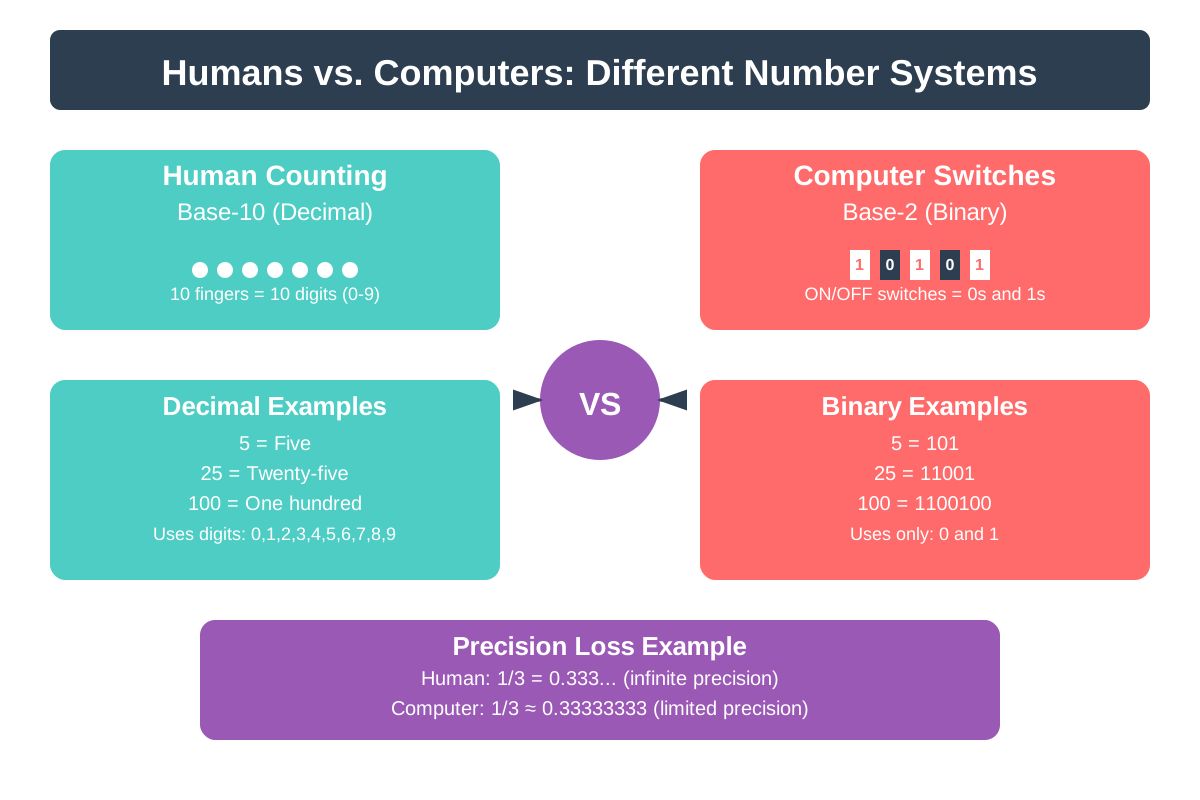
Humans vs. Computers: Different Number Systems
Humans use base-10 (decimal) numbers with digits 0-9, but computers use base-2 (binary) with only 0s and 1s. When computers try to represent our decimal numbers in binary, sometimes they can't do it perfectly, like trying to write 1/3 as a decimal.
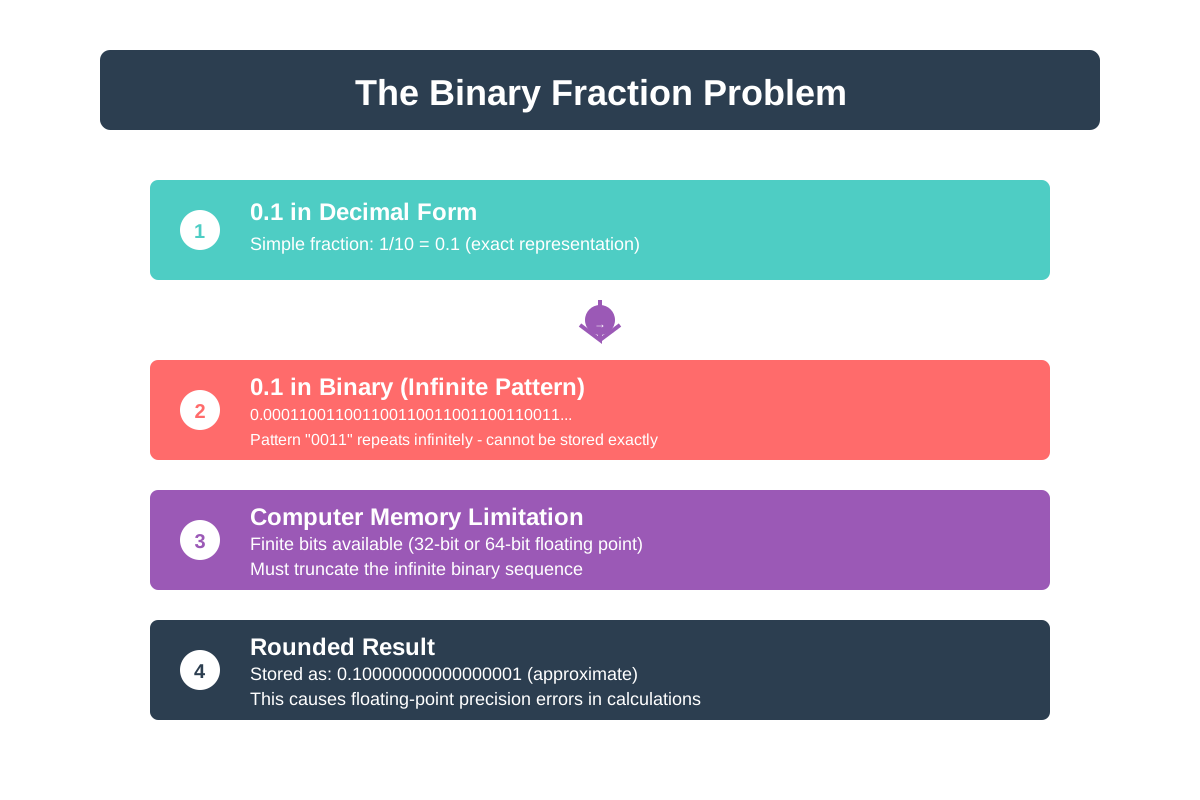
The Binary Fraction Problem
Just like 1/3 becomes 0.333... in decimal and never ends perfectly, some simple decimals like 0.1 become endless patterns in binary. Computers have to cut off these patterns somewhere, creating tiny rounding errors.
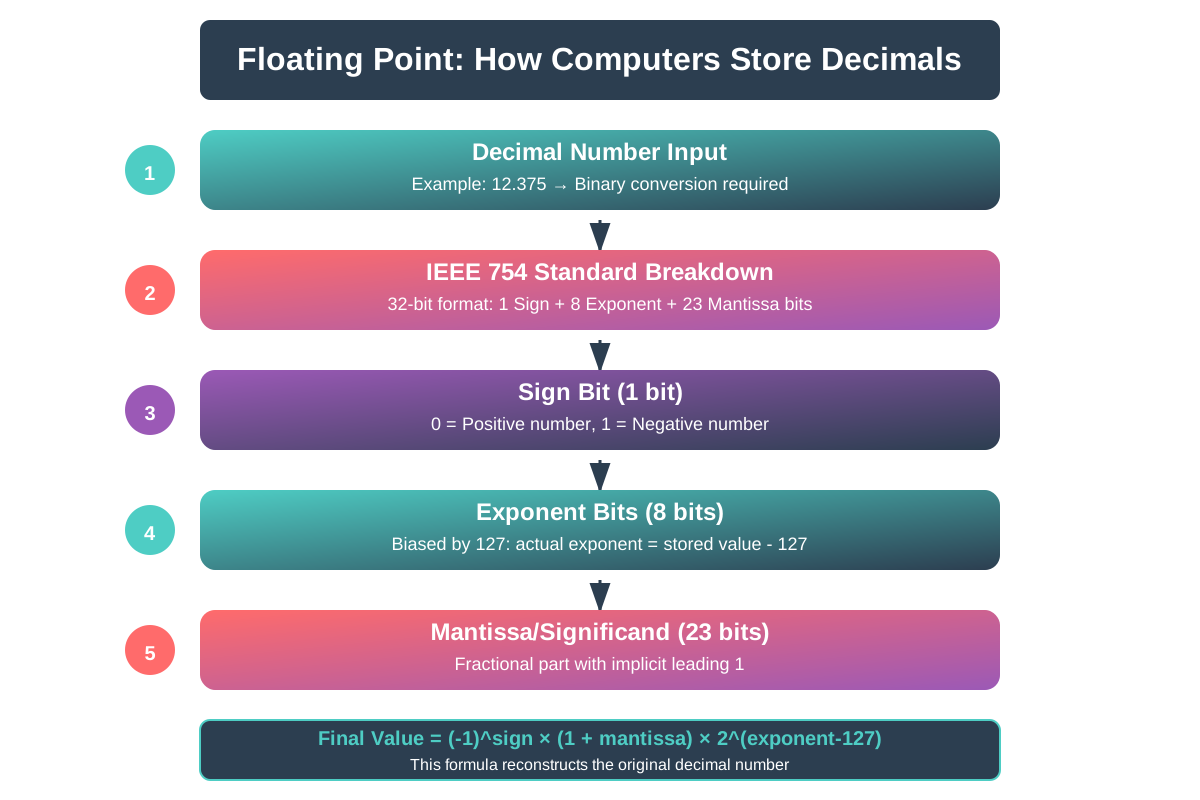
Floating Point: How Computers Store Decimals
Computers use a system called 'floating point' to store decimal numbers, which works like scientific notation. It splits numbers into three parts: sign (+ or -), exponent (how big), and mantissa (the digits).
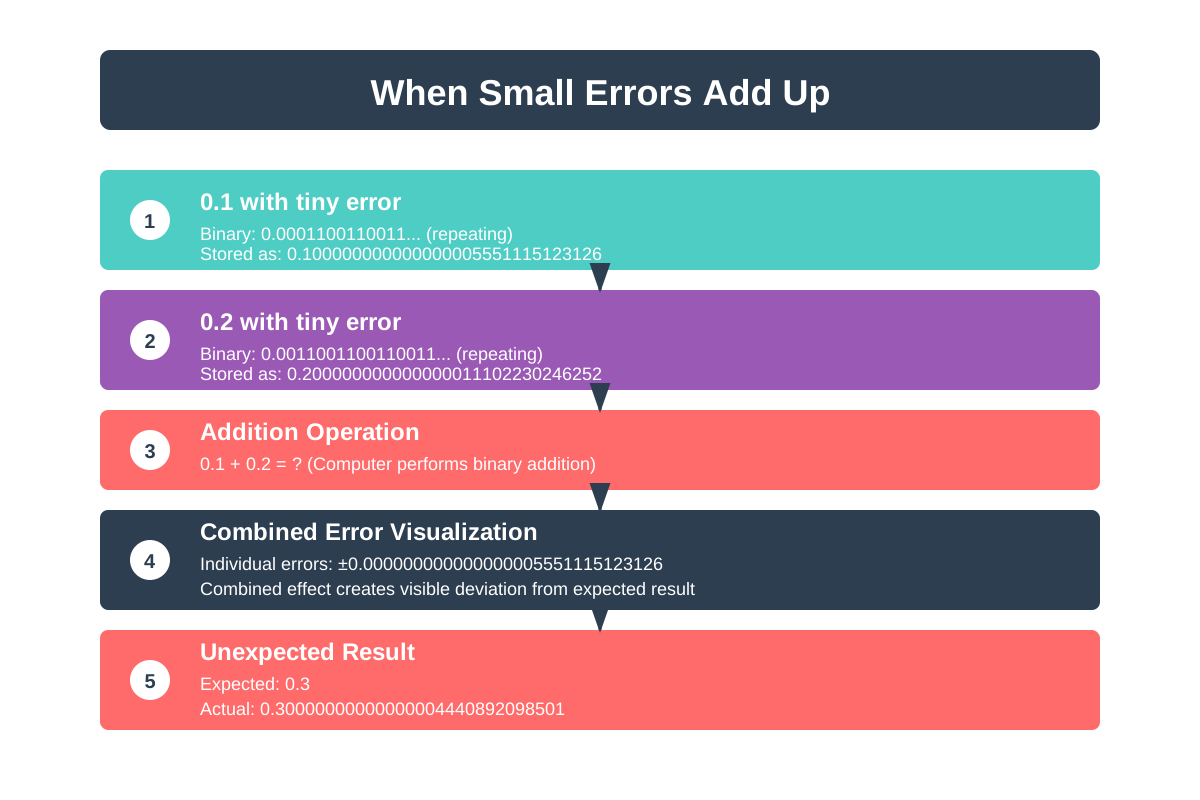
When Small Errors Add Up
When computers do math with these slightly imperfect numbers, the tiny errors can combine and become noticeable. That's why 0.1 + 0.2 gives us 0.30000000000000004 instead of exactly 0.3.
It's Not a Bug, It's Physics!
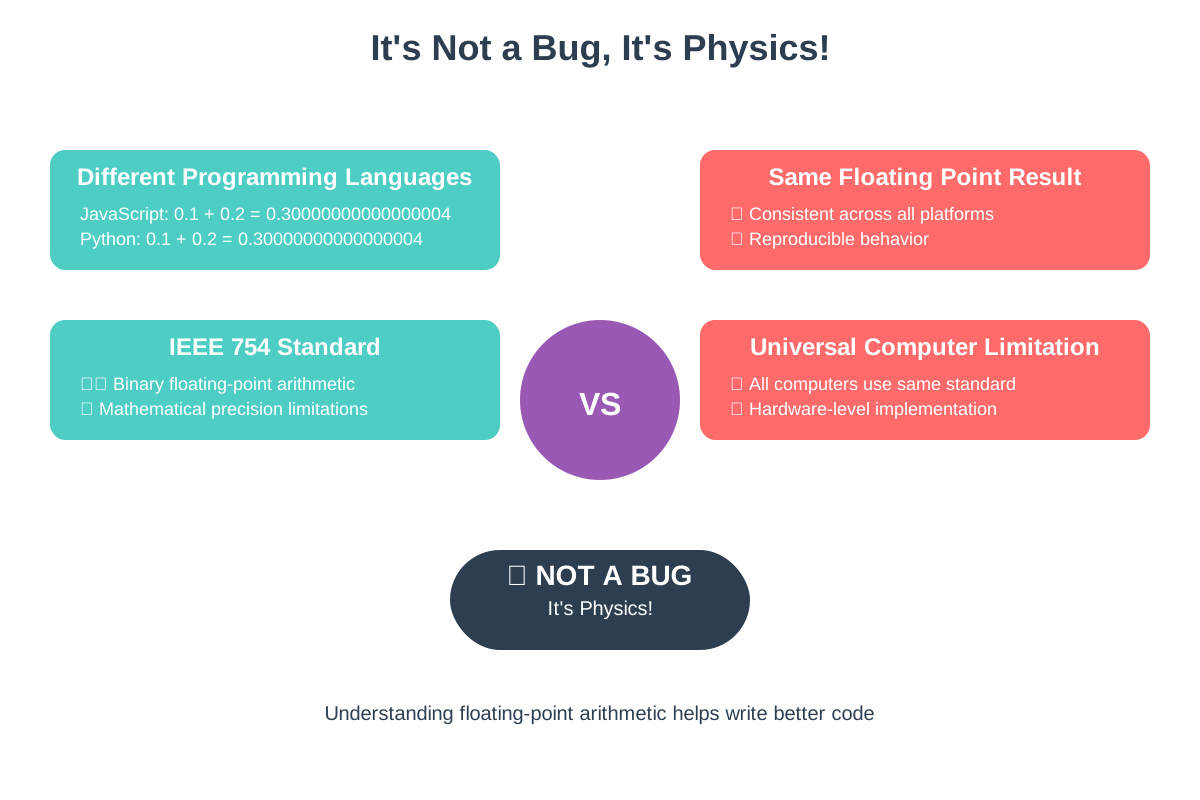
This isn't a mistake in programming - it's a fundamental limit of how computers work with finite memory. All programming languages have this same issue because they all use the same floating point standards.
Real-World Solutions
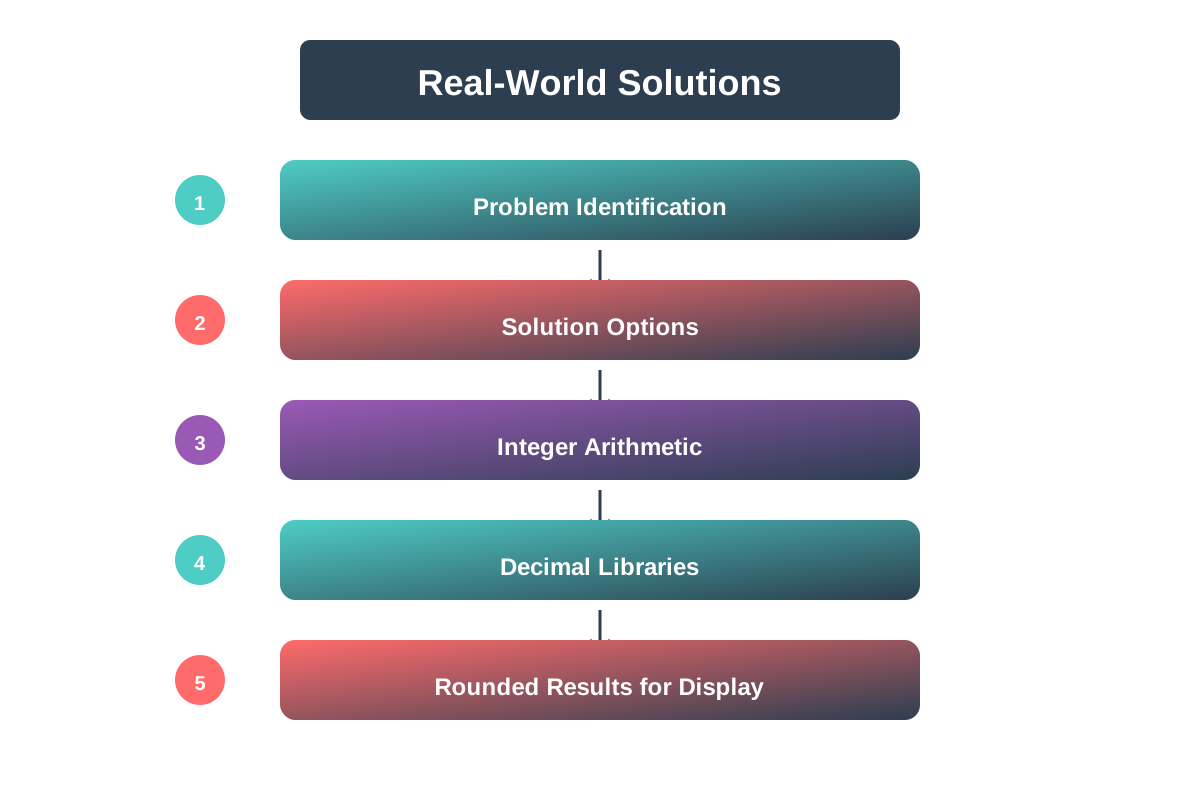
Programmers know about this and use special techniques when exact precision matters. For money calculations, they might use integers (like counting cents) or special decimal libraries designed for perfect accuracy.
Quick Recap ✨
- Computers use binary (0s and 1s) instead of decimal (0-9), which can't perfectly represent some simple decimal numbers
- Floating point math creates tiny rounding errors that can add up, making 0.1 + 0.2 ≠ 0.3
- This happens in all programming languages and isn't a bug - programmers use special methods when perfect precision is needed