
Why 1/2 + 1/3 ≠ 2/5: Visual Fraction Addition
Visual learning made easy - infographics and simple explanations
Discover why adding fractions by just adding tops and bottoms gives you the wrong answer every time!
Adding fractions requires finding a common denominator first, not just adding numerators and denominators separately. Visual models help us see why 1/2 + 1/3 equals 5/6, not 2/5.
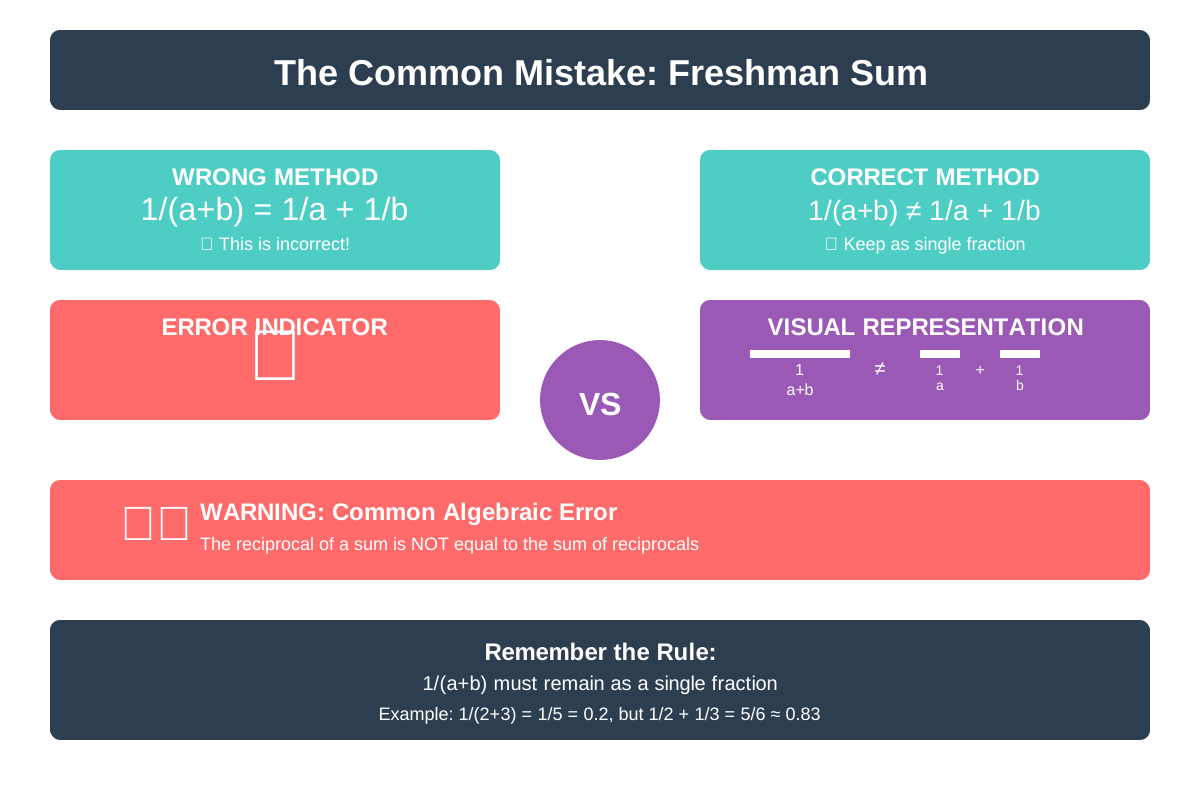
The Common Mistake: Freshman Sum
Many students add fractions by adding the top numbers together and the bottom numbers together. This method, called the 'Freshman Sum,' always gives the wrong answer. For example, 1/2 + 1/3 would incorrectly become 2/5.
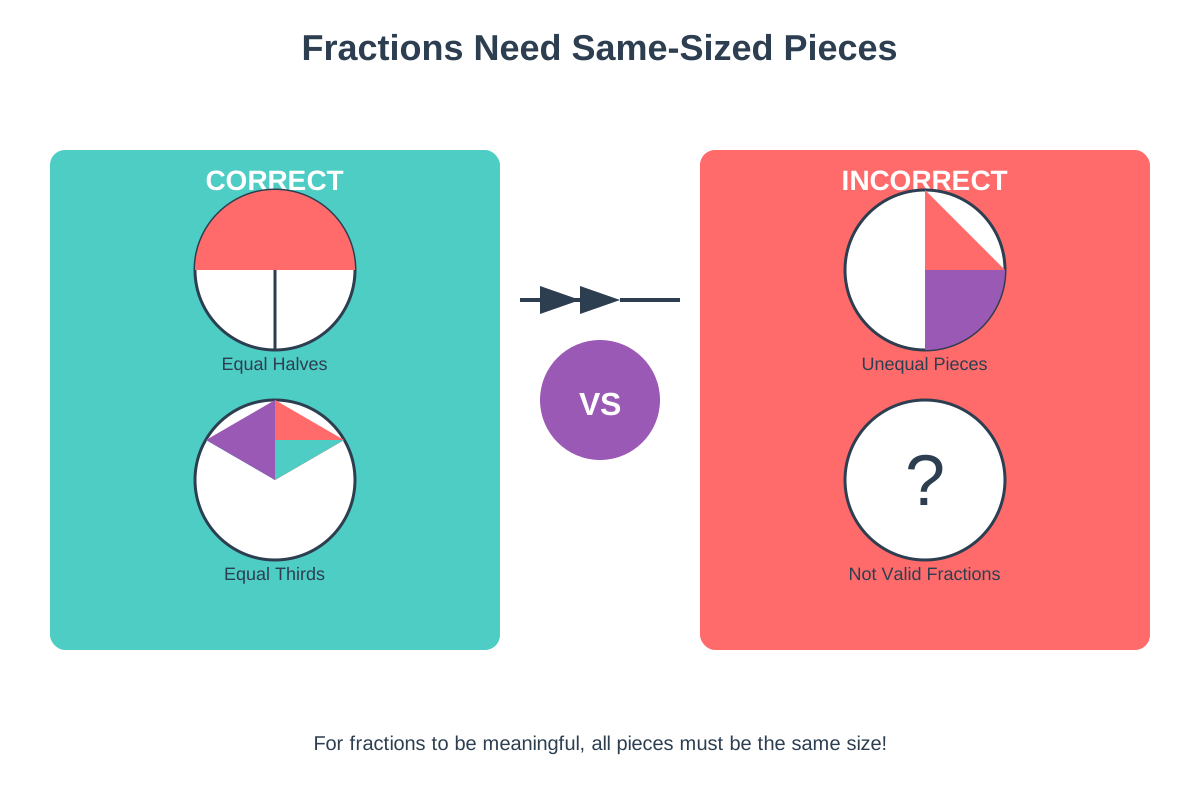
Fractions Need Same-Sized Pieces
You can't add fractions with different denominators because they represent different-sized pieces. It's like trying to add apples and oranges. The pieces must be the same size before you can count them together.
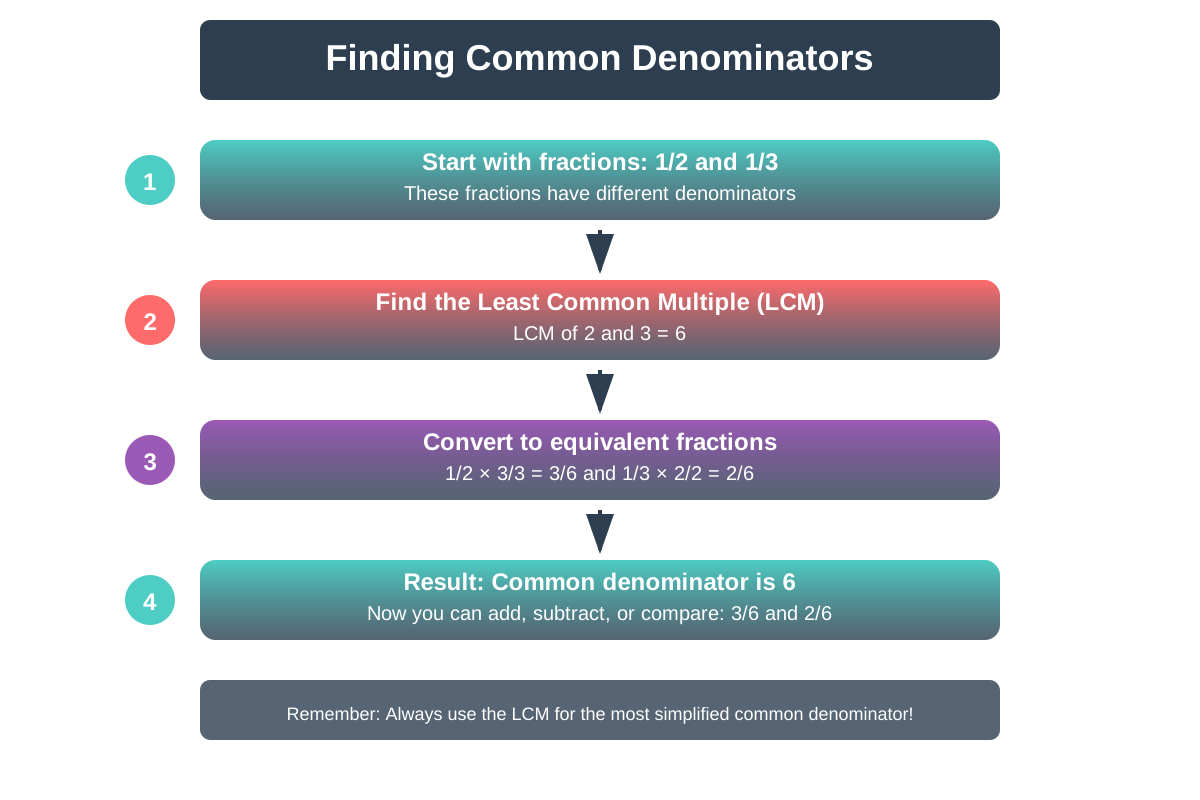
Finding Common Denominators
To add fractions, we need to find a common denominator - a number both denominators can divide into evenly. For 1/2 + 1/3, we use 6 because both 2 and 3 go into 6. This gives us same-sized pieces to work with.
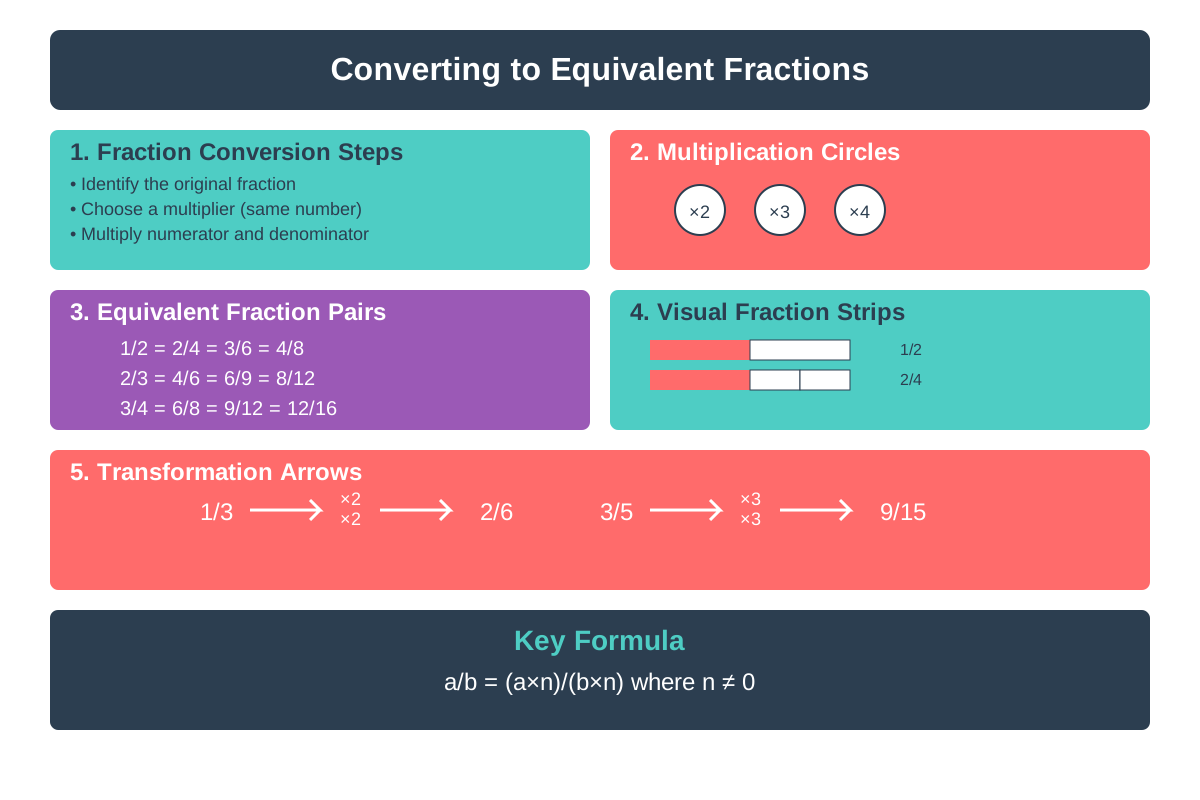
Converting to Equivalent Fractions
Once we have our common denominator, we convert each fraction to an equivalent form. 1/2 becomes 3/6 (multiply by 3/3) and 1/3 becomes 2/6 (multiply by 2/2). Now both fractions have the same denominator.
Adding with Same Denominators
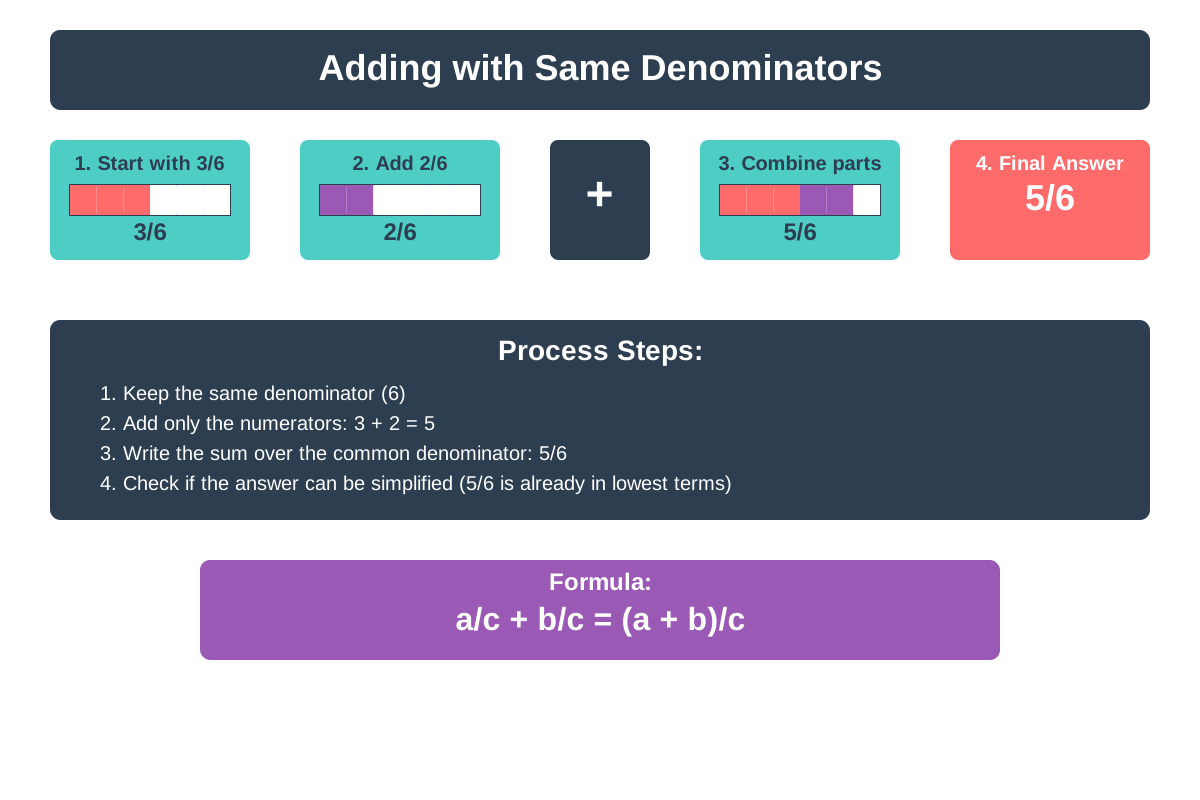
Now we can add! With both fractions having denominator 6, we add the numerators: 3/6 + 2/6 = 5/6. The denominator stays the same because we're adding pieces of the same size.
Visual Proof: Why 2/5 is Wrong
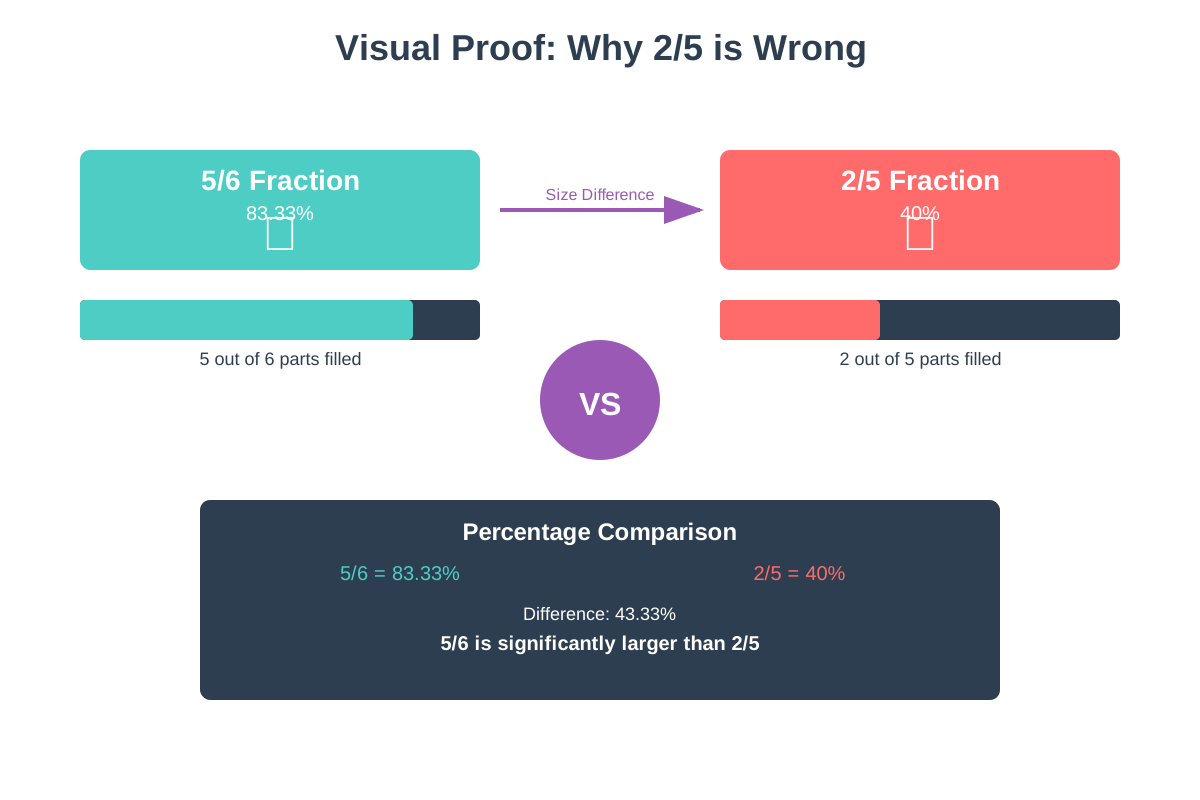
We can prove 2/5 ≠ 1/2 + 1/3 by comparing visual models. When we draw 1/2 + 1/3 = 5/6 and compare it to 2/5, we can clearly see they represent different amounts. 5/6 is much larger than 2/5.
Quick Recap ✨
- Never add fractions by adding numerators and denominators separately - this 'Freshman Sum' method is always wrong
- Find a common denominator first, convert both fractions to equivalent forms, then add only the numerators
- Visual models help prove that 1/2 + 1/3 = 5/6, not 2/5, by showing the actual sizes of the fraction pieces