
What is a Computer? Visual Guide to Computer Basics
Visual learning made easy - infographics and simple explanations
Did you know computers are like super-smart helpers that follow instructions to solve problems?
A computer is an electronic machine that takes information, processes it, and gives us useful results. Understanding how computers work helps us use technology better in our daily lives.
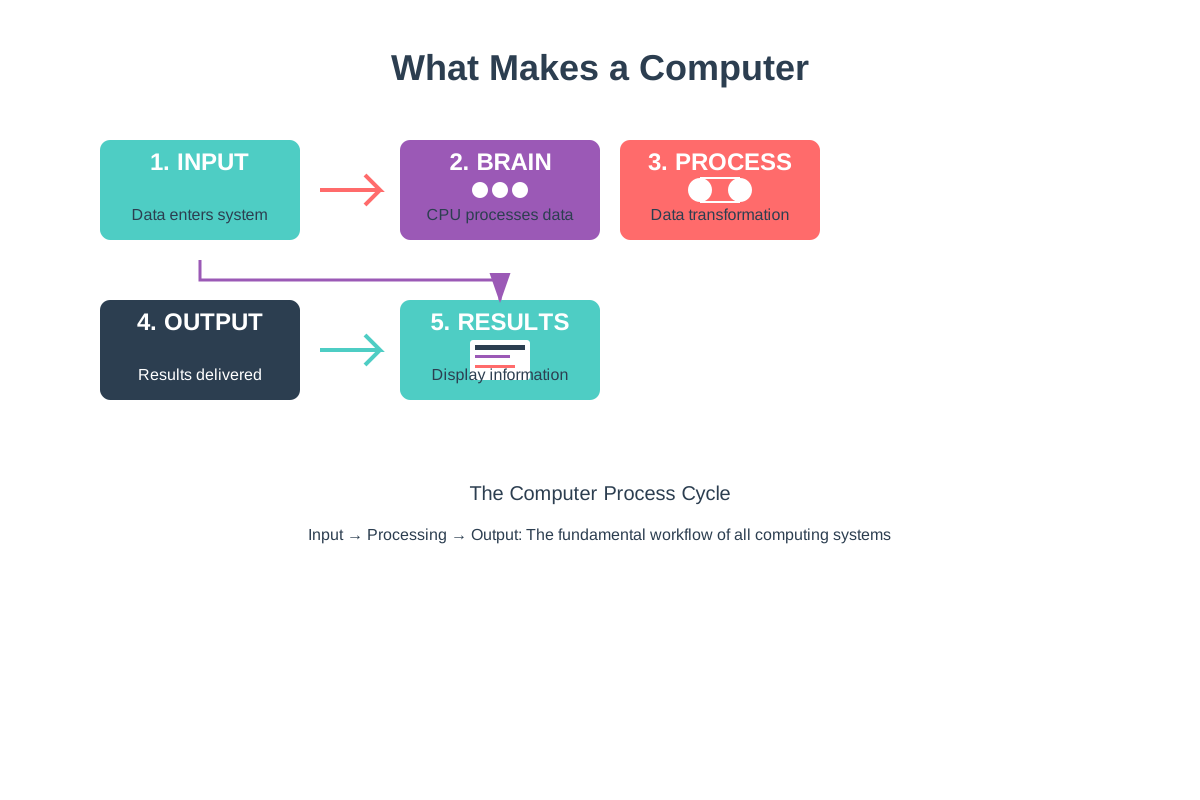
What Makes a Computer
A computer is a machine that processes information using electricity. It can store data, follow instructions, and give us answers or results. Think of it like a very fast calculator that can do many different jobs.
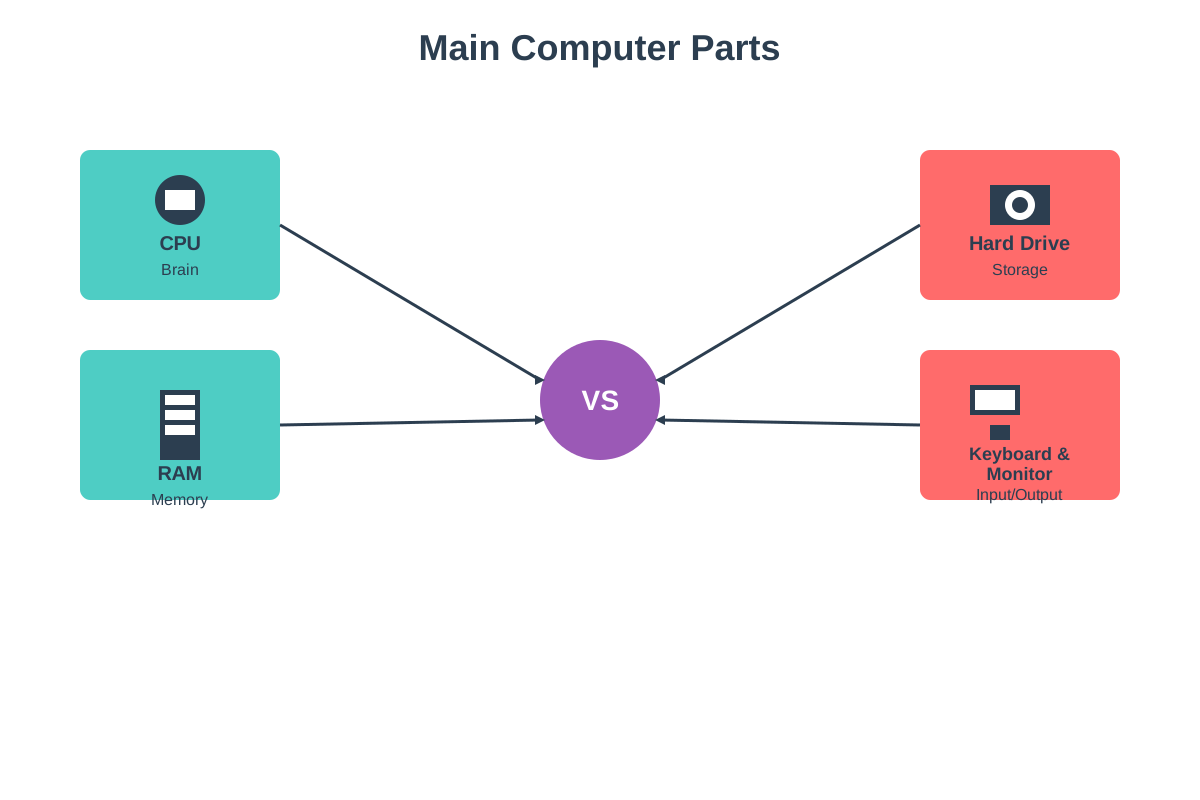
Main Computer Parts
Every computer has four main parts that work together. The CPU is the brain, memory stores information temporarily, storage keeps files permanently, and input/output devices let us communicate with the computer.
How Data Flows
Information moves through a computer in a specific order. First, we input data using devices like keyboards or mice. Then the CPU processes this information, and finally we see the results on our screen.

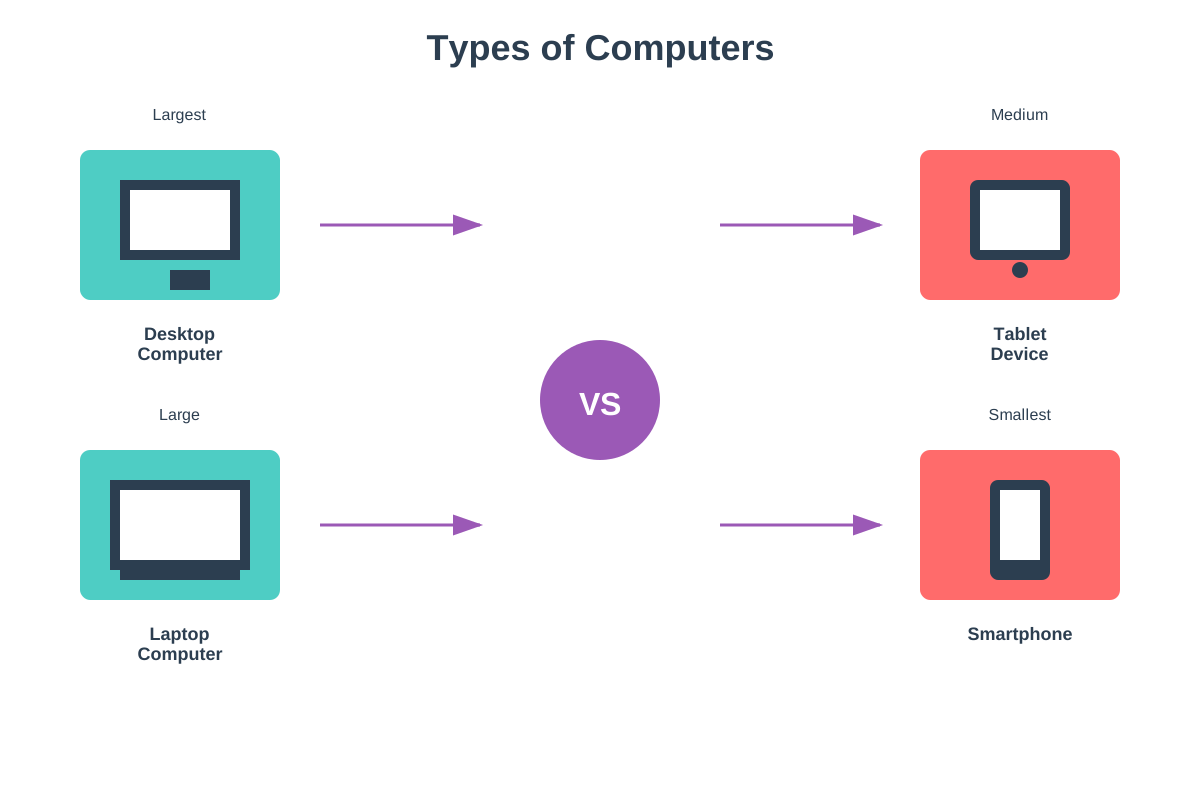
Types of Computers
Computers come in many shapes and sizes for different jobs. Desktop computers are powerful for home and work, laptops are portable, tablets are touch-friendly, and smartphones are computers we carry everywhere.
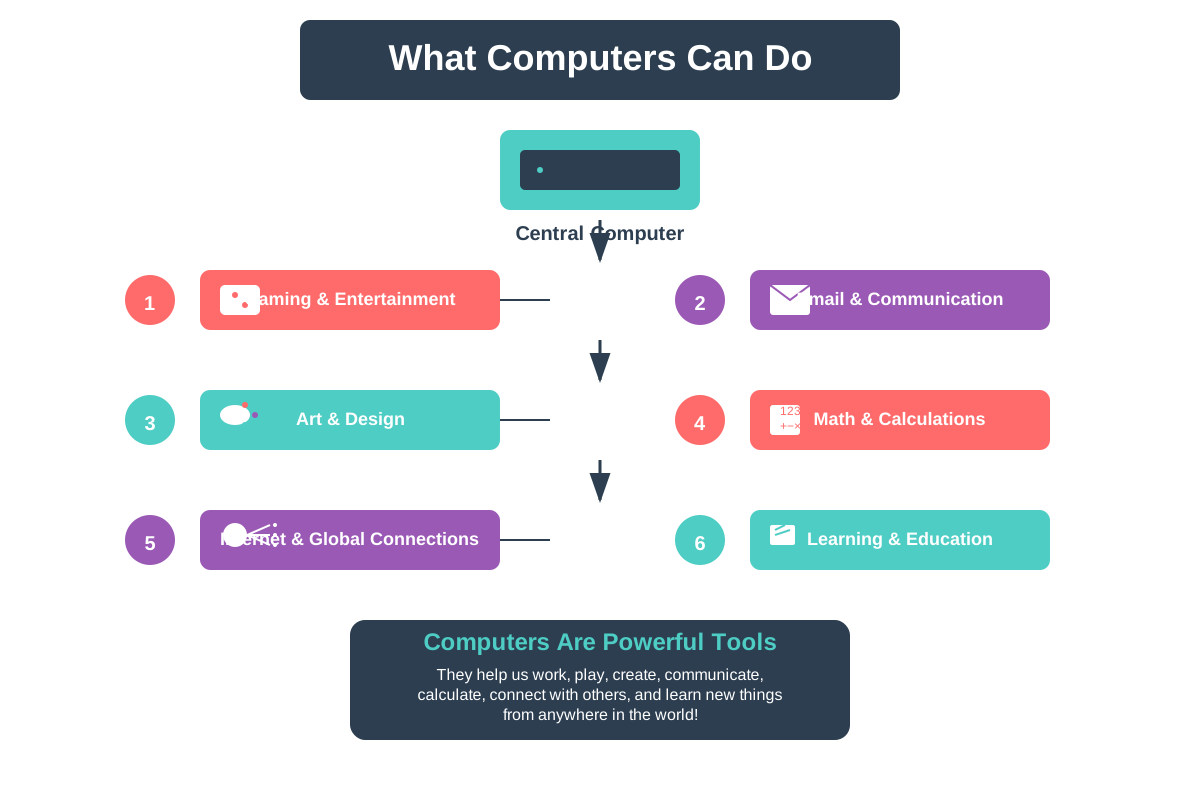
What Computers Can Do
Computers help us with many tasks every day. They can play games, send messages, create art, solve math problems, and connect us with people around the world. They make complex tasks simple and fast.
Why Computers Matter
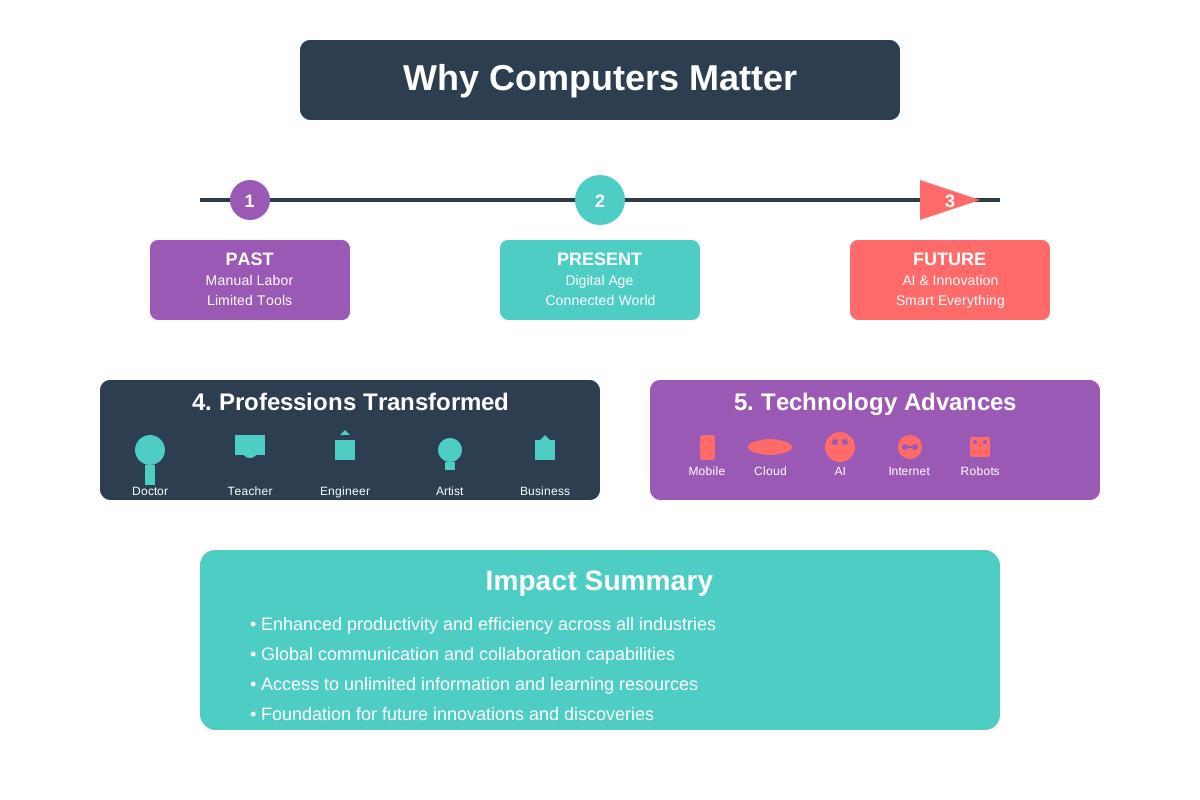
Computers have changed how we live, work, and learn. They help doctors save lives, teachers educate students, and scientists make discoveries. Understanding computers helps us use them better and maybe even create new technology.
Quick Recap ✨
- Computers are electronic machines that process information and help us solve problems
- The main parts work together: CPU (brain), memory, storage, and input/output devices
- Computers come in many types and help us with countless daily tasks from communication to creativity