
What Happens to Fat Cells When You Walk 30 Minutes Daily
Visual learning made easy - infographics and simple explanations
Your fat cells completely transform after just 30 minutes of walking - but not in the way you think!
Walking for 30 minutes daily doesn't shrink the number of fat cells you have, but dramatically changes what happens inside them. Your fat cells become metabolically active, releasing stored energy and improving how your body processes nutrients.
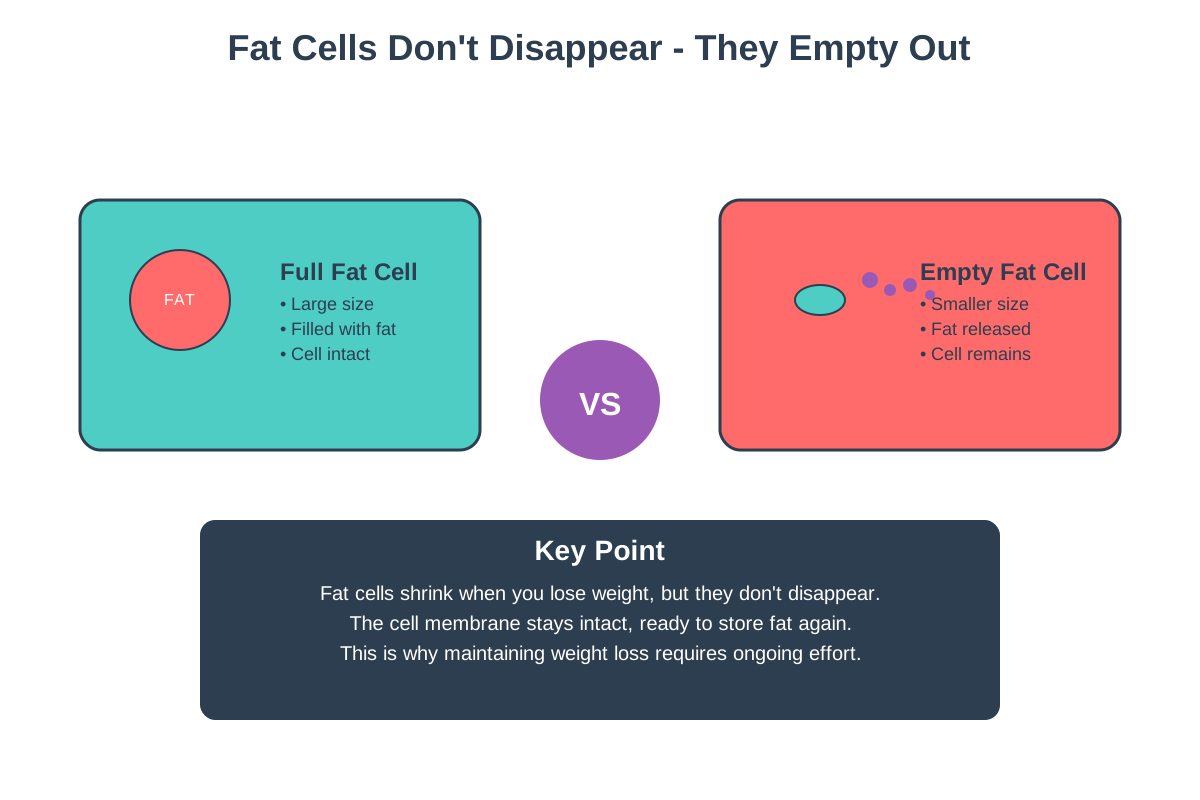
Fat Cells Don't Disappear - They Empty Out
When you walk, your fat cells don't vanish or multiply. Instead, they release their stored fat into your bloodstream to fuel your muscles. Think of fat cells like balloons that deflate but stay the same in number.
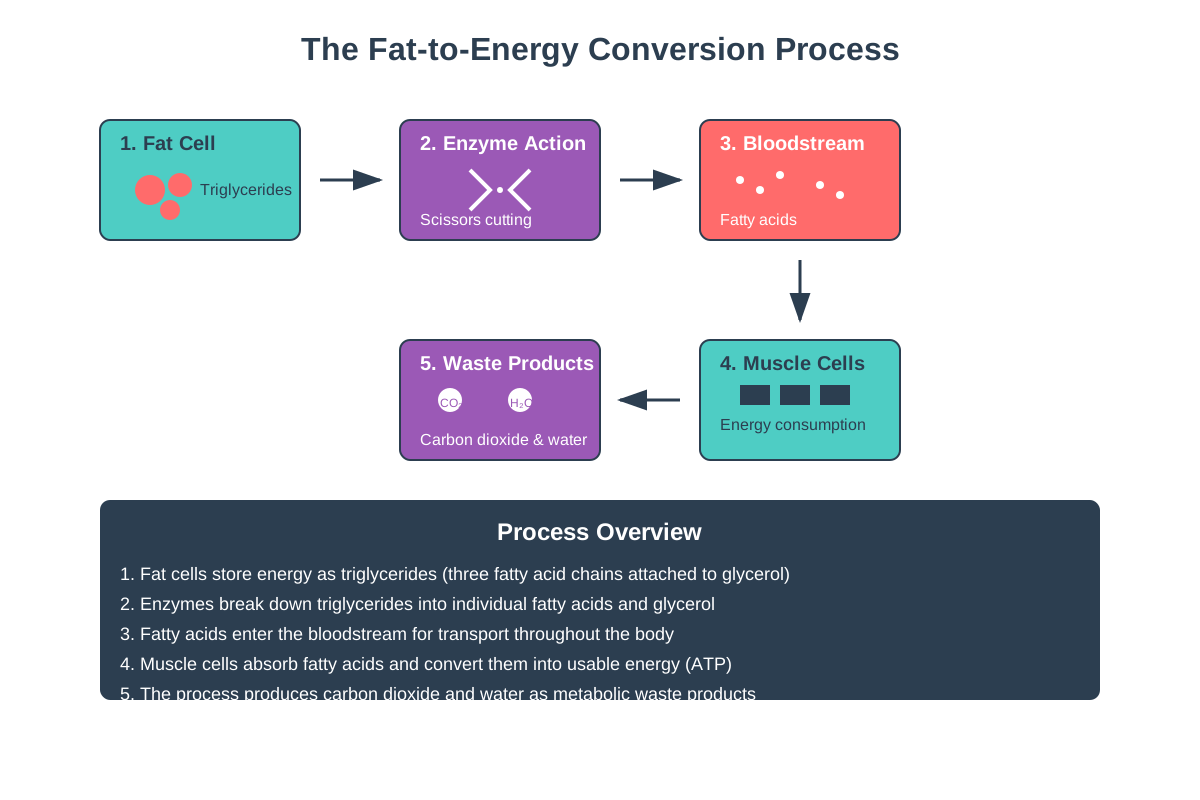
The Fat-to-Energy Conversion Process
During your 30-minute walk, enzymes break down stored fat (triglycerides) into smaller pieces called fatty acids. These fatty acids travel through your blood to working muscles where they're burned as fuel.
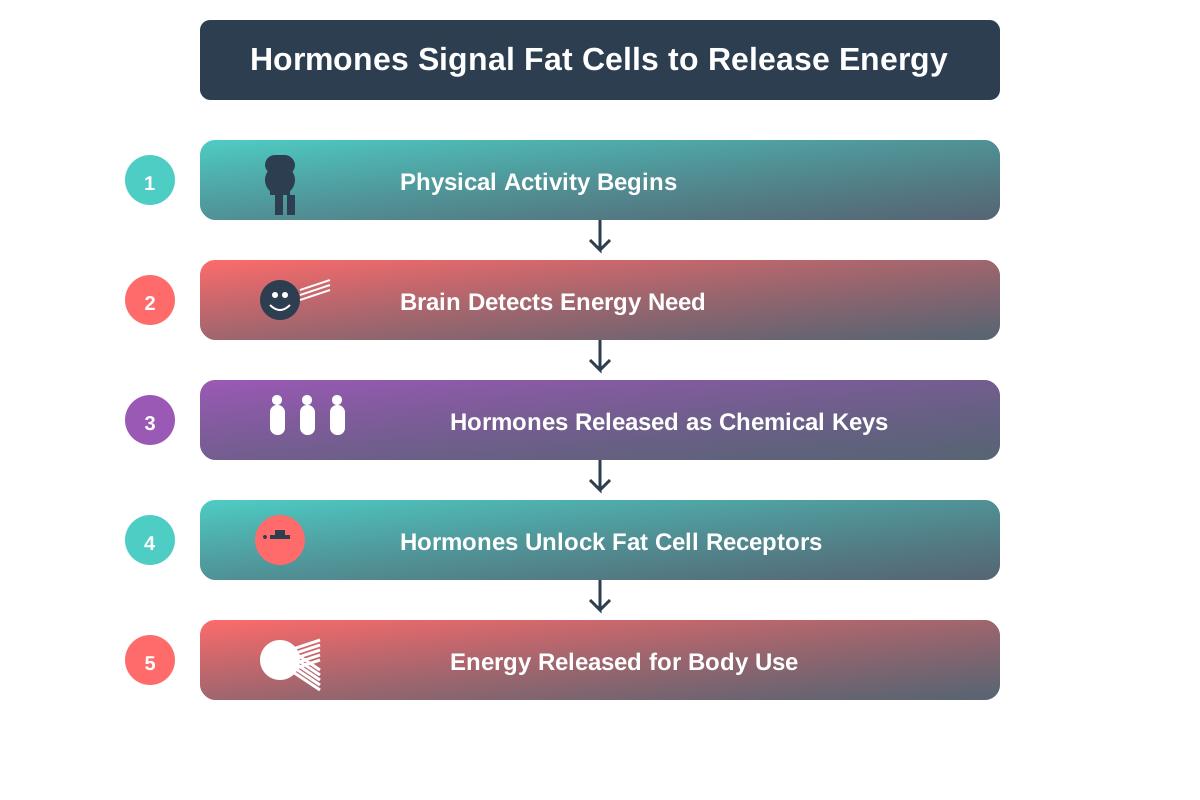
Hormones Signal Fat Cells to Release Energy
Walking triggers hormones like adrenaline and noradrenaline to tell your fat cells to release stored energy. These chemical messengers act like keys unlocking fat storage vaults throughout your body.
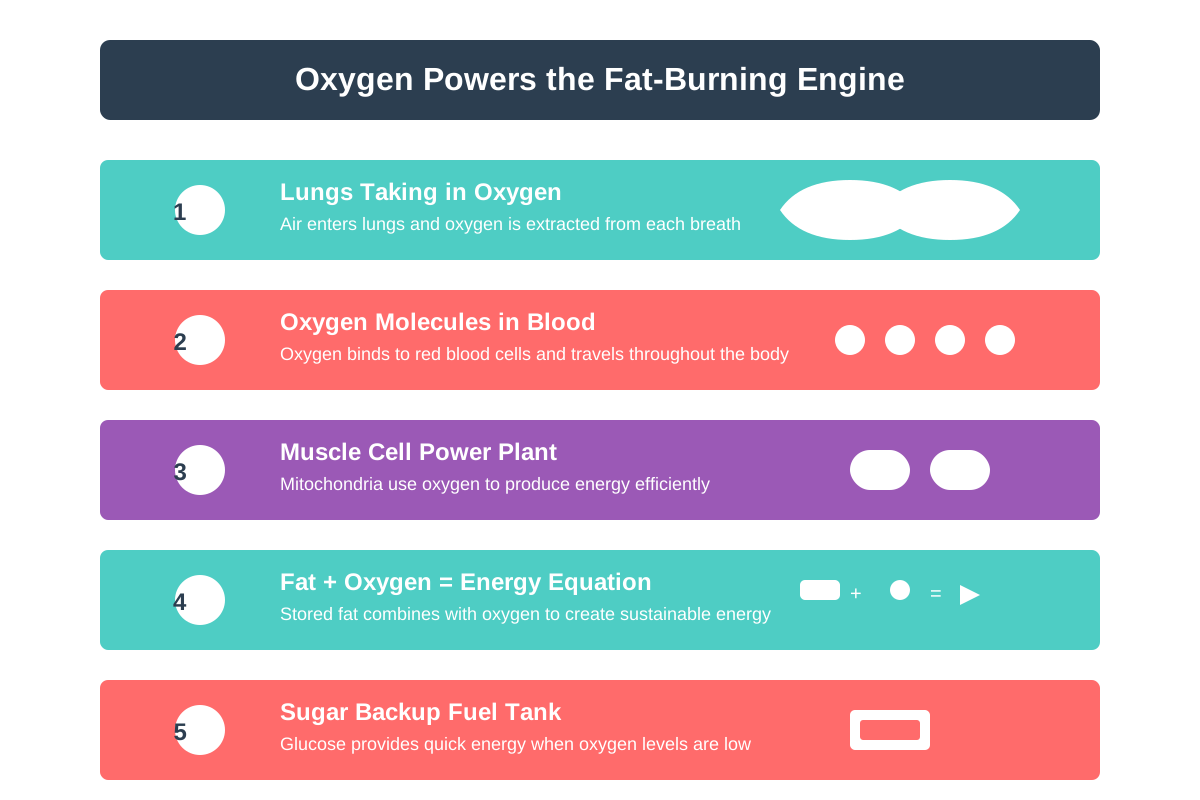
Oxygen Powers the Fat-Burning Engine
Your muscles need oxygen to burn fat effectively during walking. This is why walking is called 'aerobic' exercise - it literally means 'with oxygen.' Without enough oxygen, your body switches to burning sugar instead.
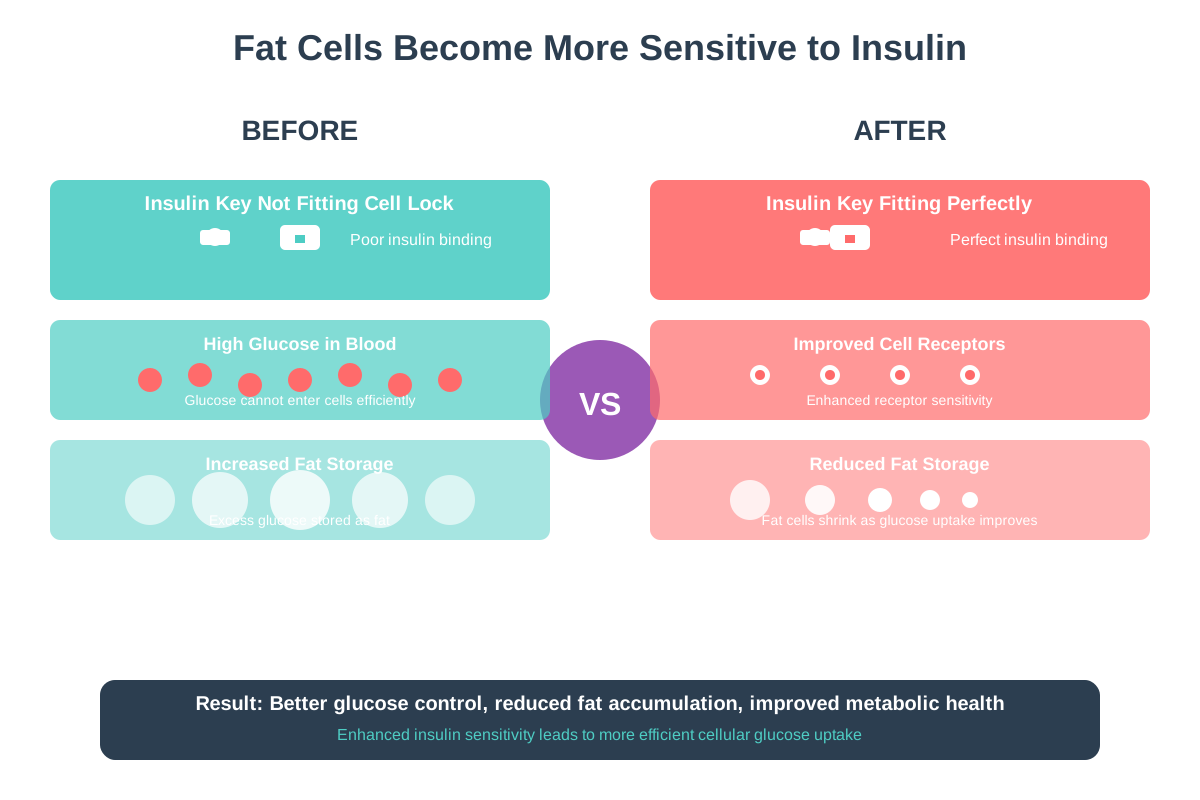
Fat Cells Become More Sensitive to Insulin
Regular 30-minute walks train your fat cells to respond better to insulin, the hormone that controls blood sugar. Better insulin sensitivity means your body stores less new fat and releases stored fat more easily.
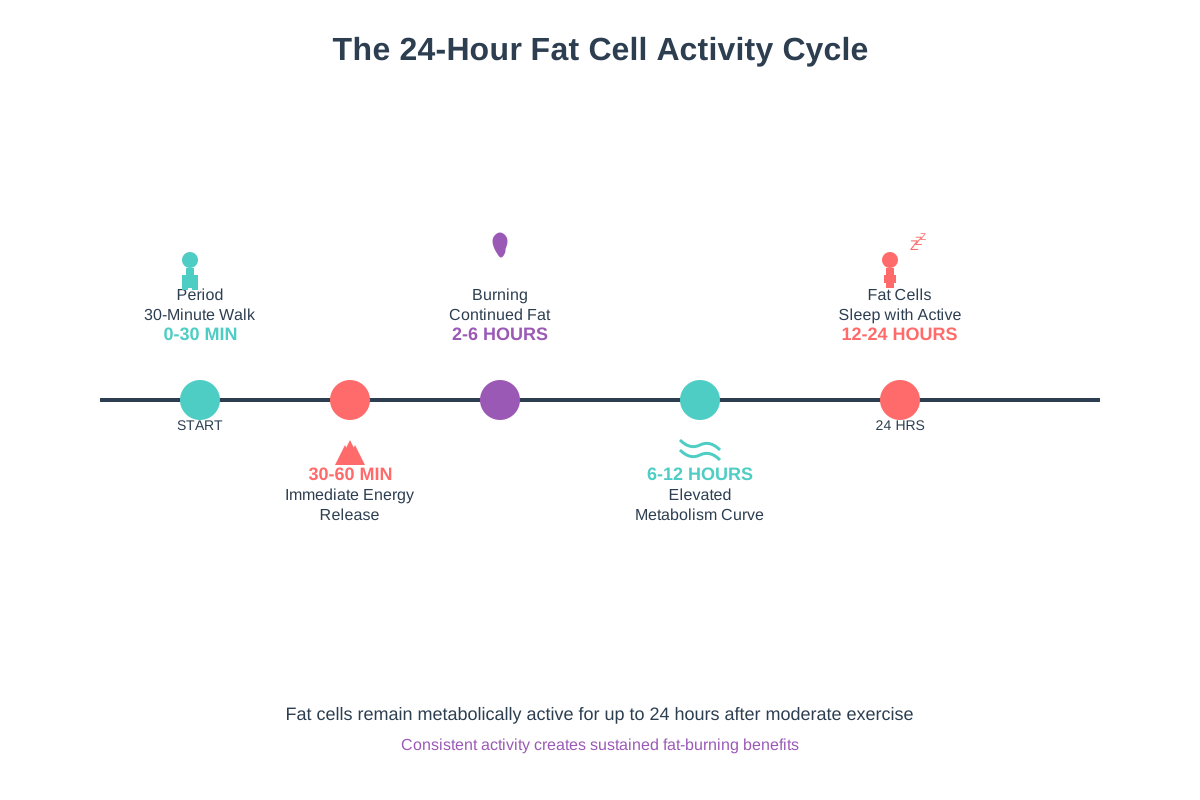
The 24-Hour Fat Cell Activity Cycle
The benefits don't stop when your walk ends. Your fat cells continue releasing energy for hours afterward as your body recovers and repairs. This 'afterburn effect' keeps your metabolism elevated even at rest.
Quick Recap ✨
- Walking doesn't eliminate fat cells - it empties them by releasing stored energy into your bloodstream
- Hormones and oxygen work together to convert stored fat into usable fuel for your muscles
- Regular walking makes fat cells more responsive to insulin and keeps metabolism elevated for hours after exercise