
TV Screen Types: From Old to Amazing!
Visual learning made easy - infographics and simple explanations
Ever wonder why some TVs are thick as books while others are thin as pancakes?
Different TV technologies create pictures in completely different ways, from shooting electron beams to lighting up tiny dots. Understanding these technologies helps explain why TVs look so different and perform differently too.
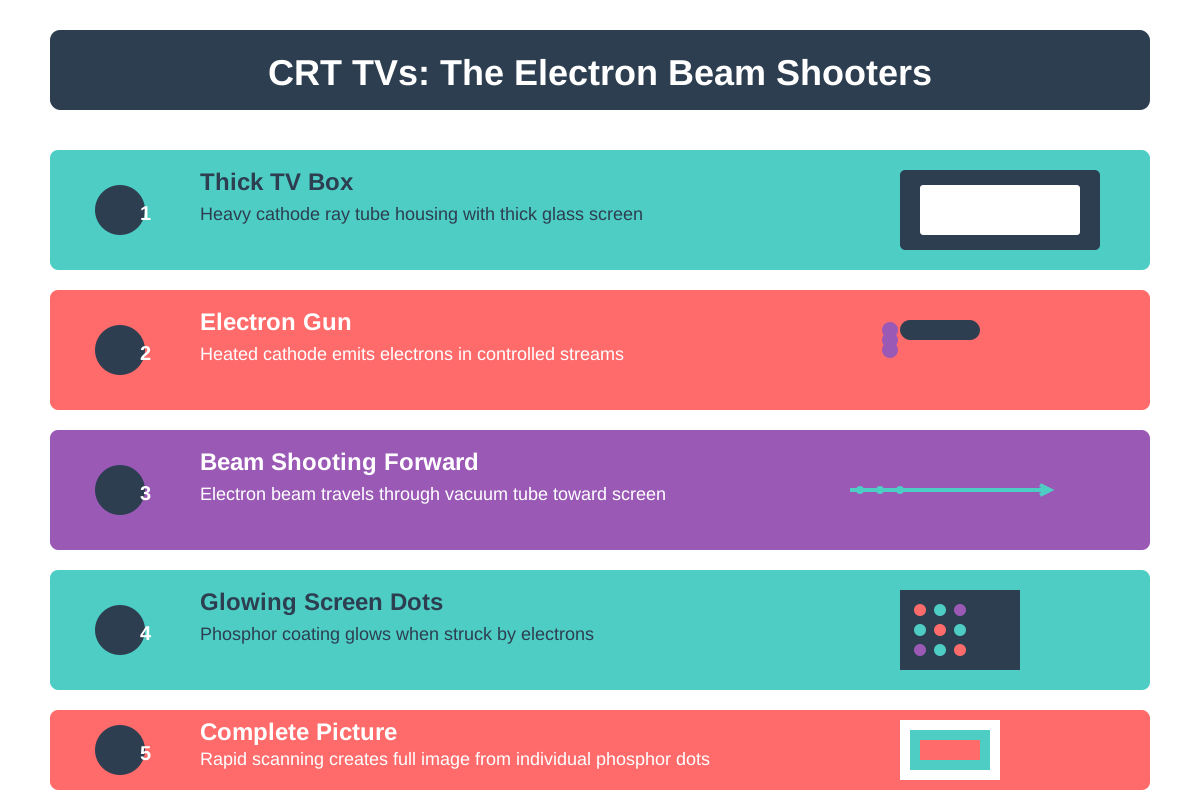
CRT TVs: The Electron Beam Shooters
CRT TVs work like electron cannons shooting beams at a special coating on the screen. When the beams hit the coating, it glows to create the picture you see. These TVs are super thick because they need space for the electron gun to shoot from the back to the front.
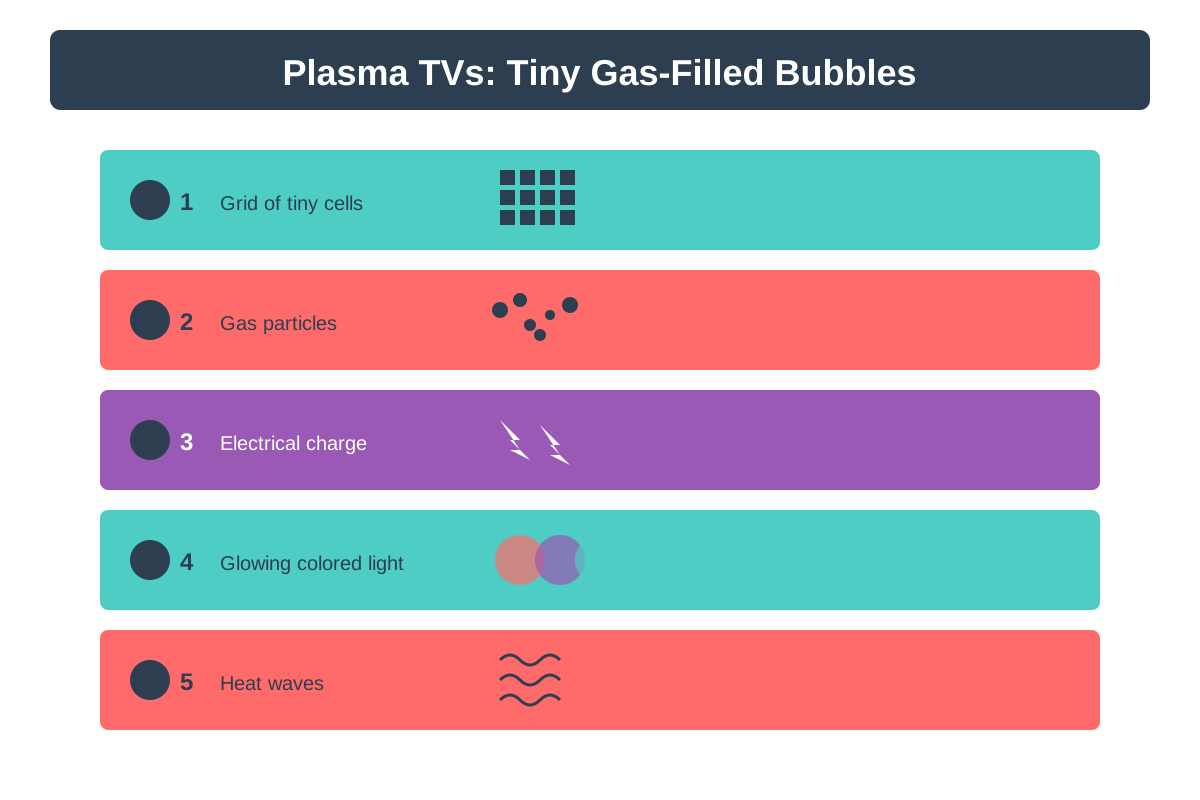
Plasma TVs: Tiny Gas-Filled Bubbles
Plasma screens have millions of tiny cells filled with gas that lights up when electricity passes through. Each cell acts like a mini neon sign, creating bright colors and deep blacks. They were popular for big screens but got too hot and used lots of electricity.
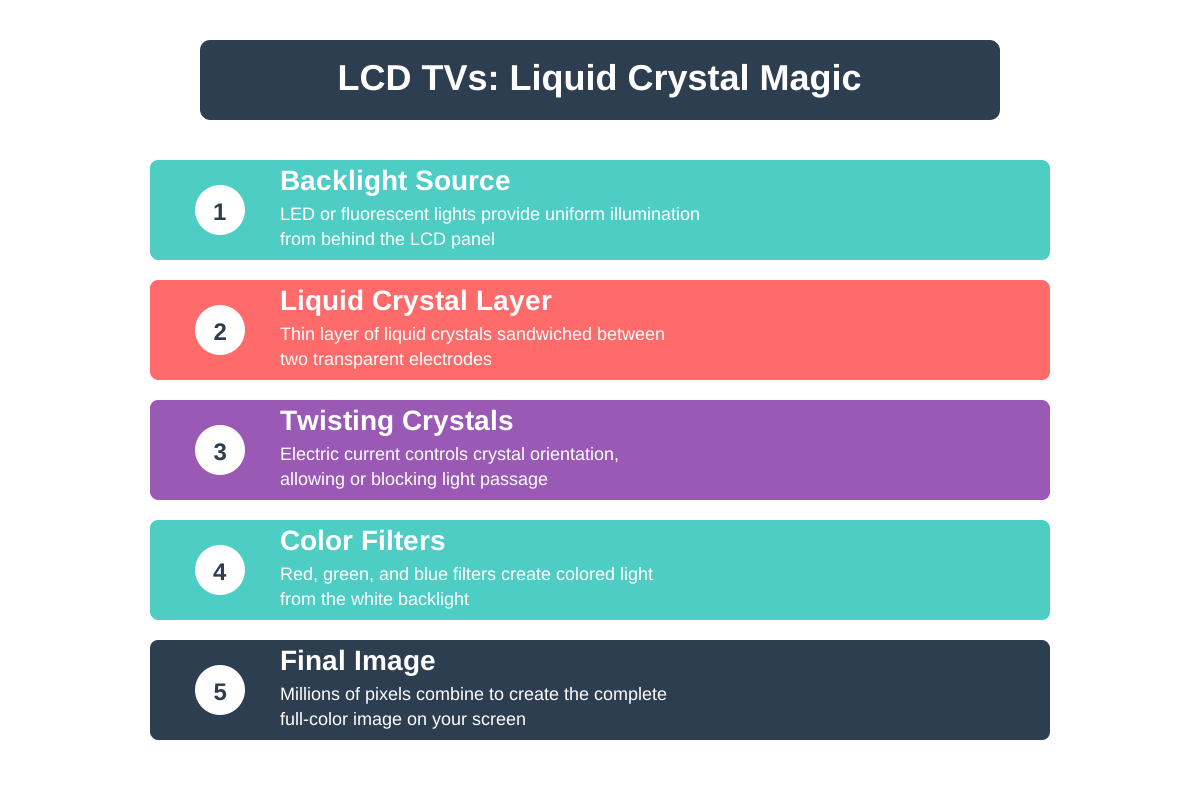
LCD TVs: Liquid Crystal Magic
LCD screens use special liquid crystals that twist and turn to control light from a backlight. Think of it like having millions of tiny window blinds that open and close super fast. The crystals don't make light themselves - they just control how much gets through.
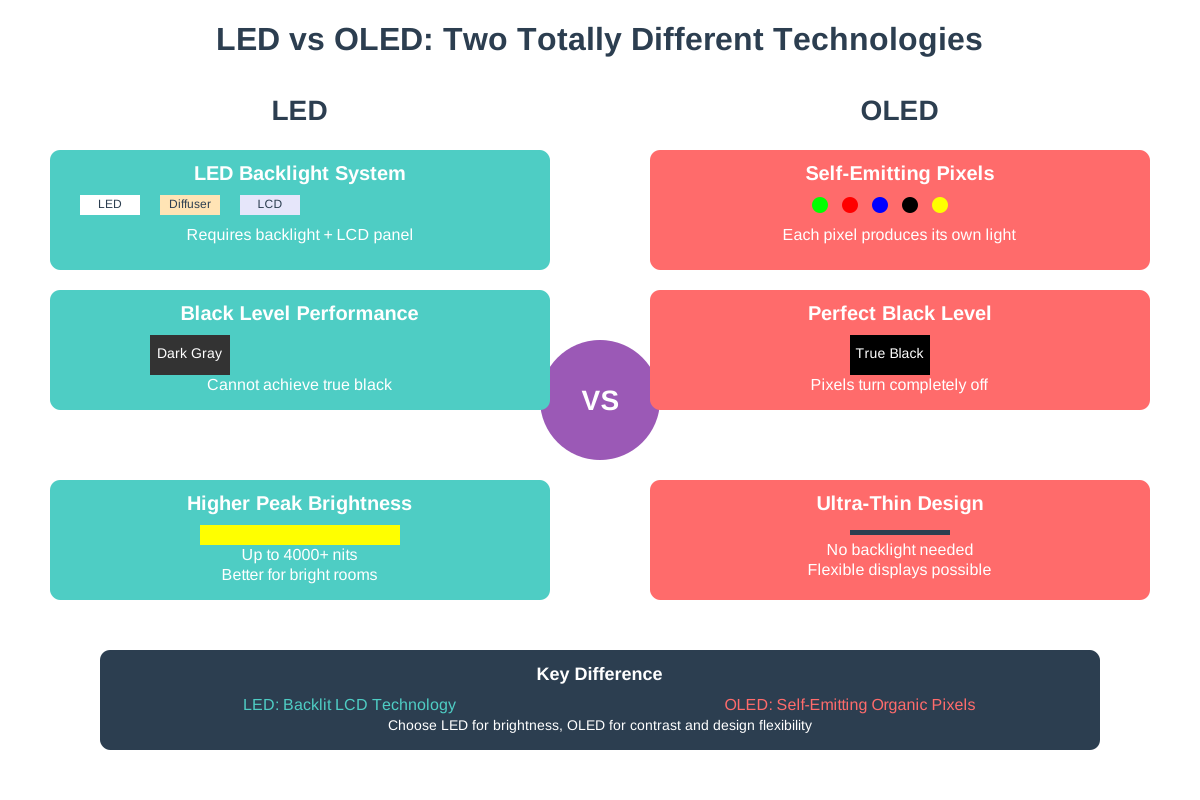
LED vs OLED: Two Totally Different Technologies
LED TVs are actually LCD TVs with LED backlights instead of old fluorescent bulbs. OLED TVs are completely different - each pixel makes its own light and can turn completely off for perfect black. It's like comparing a flashlight behind a curtain to glow-in-the-dark stickers.
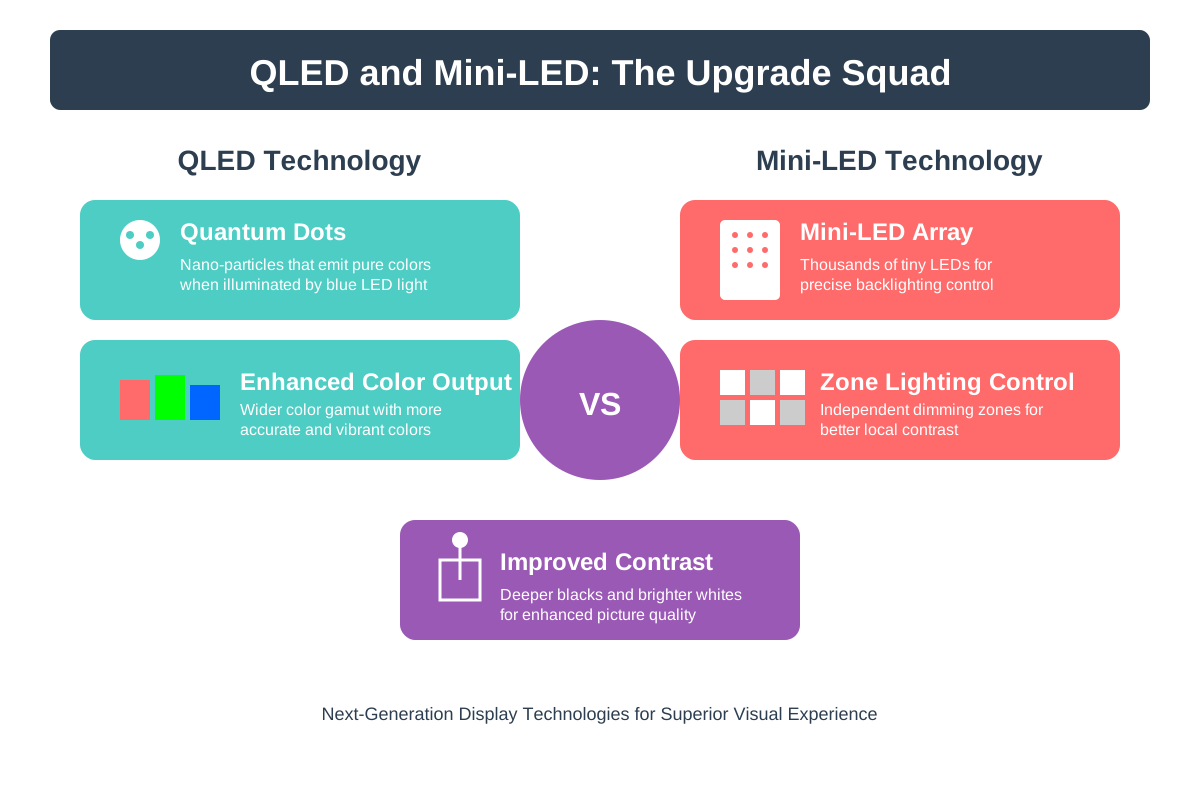
QLED and Mini-LED: The Upgrade Squad
QLED uses special quantum dots to make colors more pure and bright, like adding a super color filter. Mini-LED uses thousands of tiny LED lights instead of big ones, giving better control over brightness in different parts of the screen.
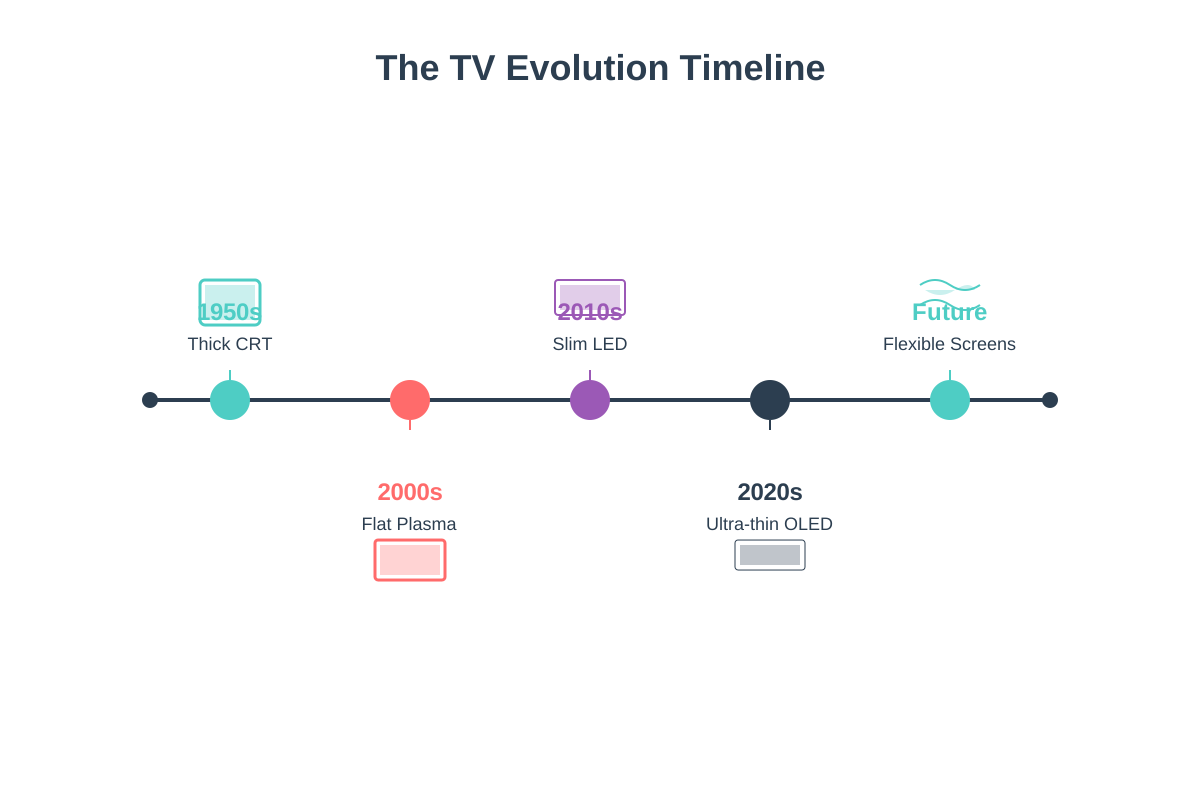
The TV Evolution Timeline
TVs evolved from huge, heavy CRT boxes to paper-thin smart displays in just a few decades. Each new technology solved problems from the last one, making TVs thinner, more colorful, and more energy efficient.
Quick Recap ✨
- Old CRT TVs shot electron beams, while modern TVs use light-controlling crystals or self-lighting pixels
- Each TV technology solved problems from previous ones - making screens thinner, brighter, and more colorful
- Today's best TVs either use OLED pixels that make their own light or advanced LED backlighting with quantum dots