
TV Screen Tech: From Giant Tubes to Smart Displays
Visual learning made easy - infographics and simple explanations
Ever wonder how your TV creates those amazing pictures you love watching?
Television screens have evolved dramatically over decades, using different technologies to display images. From bulky tube TVs to ultra-thin smart screens, each type works in a unique way to bring entertainment to life.
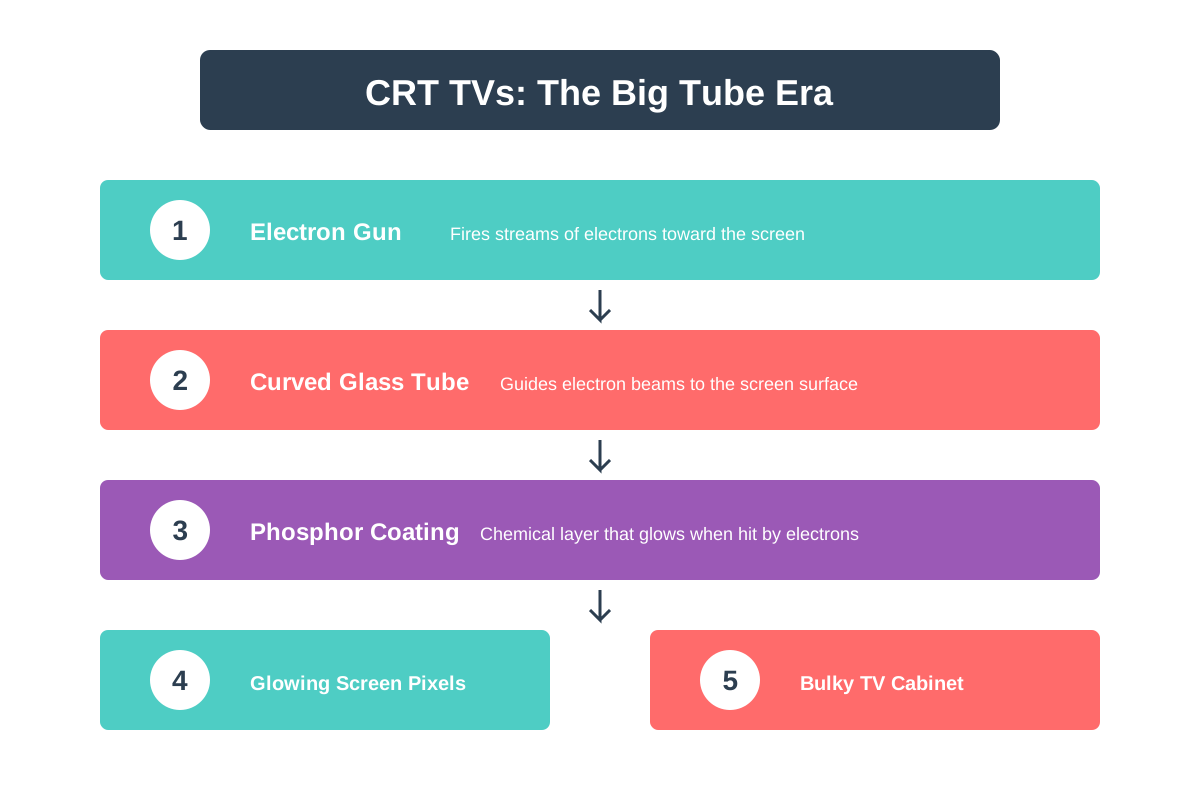
CRT TVs: The Big Tube Era
CRT (Cathode Ray Tube) TVs were the first widespread television technology. They used a large glass tube that shot electron beams at a phosphor-coated screen to create glowing pixels. These TVs were huge and heavy but provided excellent picture quality for their time.
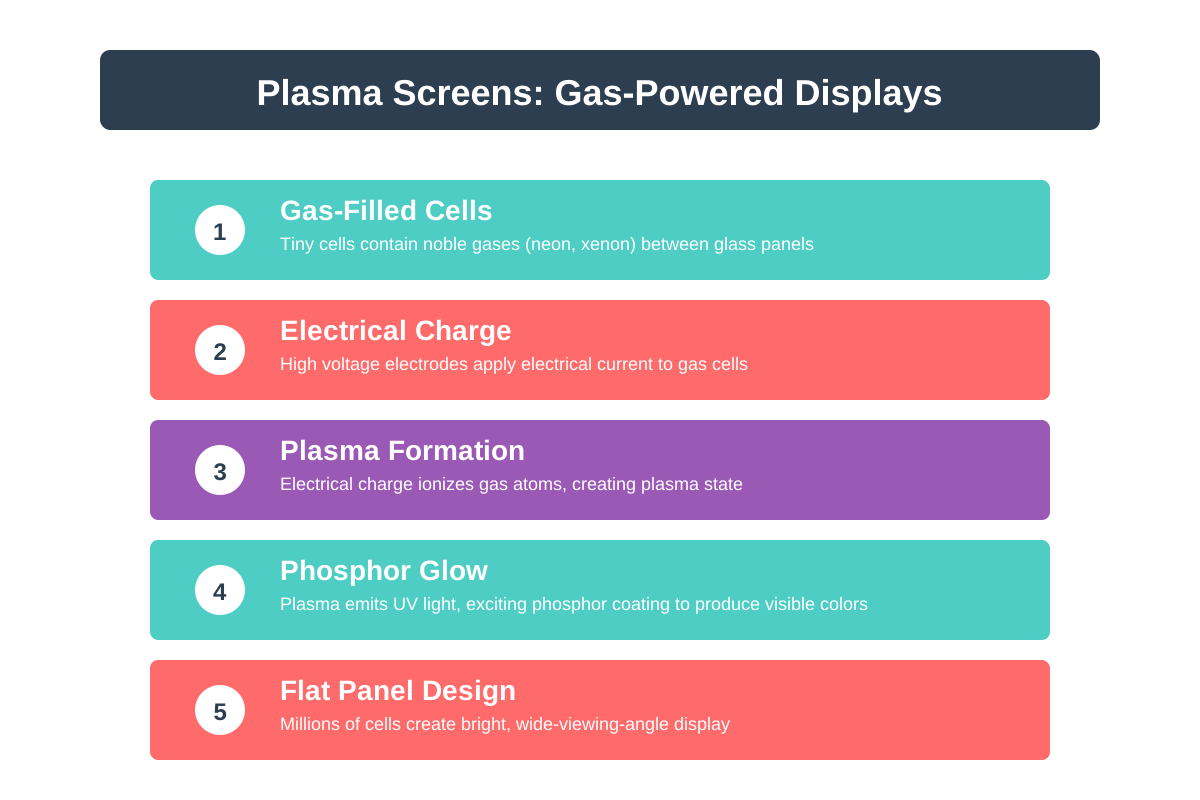
Plasma Screens: Gas-Powered Displays
Plasma TVs used tiny cells filled with noble gases that turned into plasma when electricity passed through them. This plasma made phosphors glow to create colorful images. They were thinner than CRTs and had great contrast, but they used lots of electricity and got very hot.
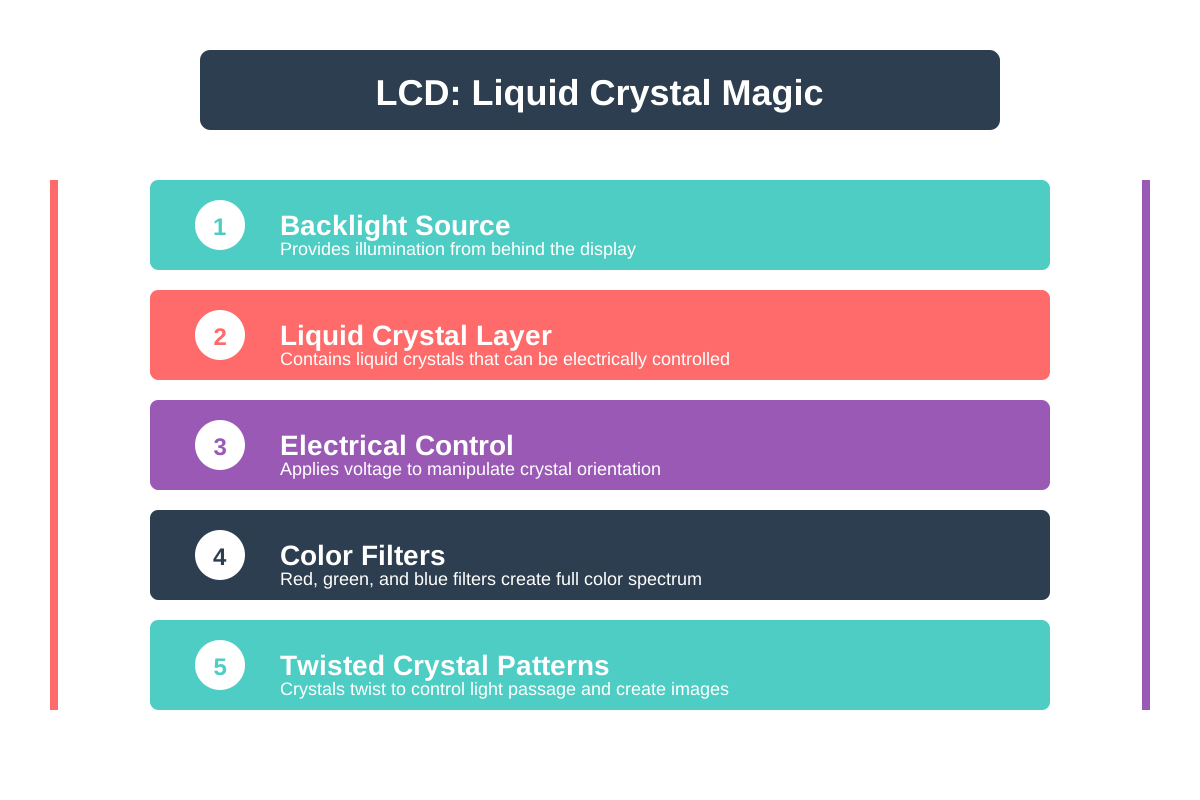
LCD: Liquid Crystal Magic
LCD (Liquid Crystal Display) TVs use liquid crystals that twist when electricity hits them, controlling how much light passes through colored filters. They need a backlight to illuminate the screen since liquid crystals don't produce light themselves. This technology made TVs much thinner and more energy-efficient.
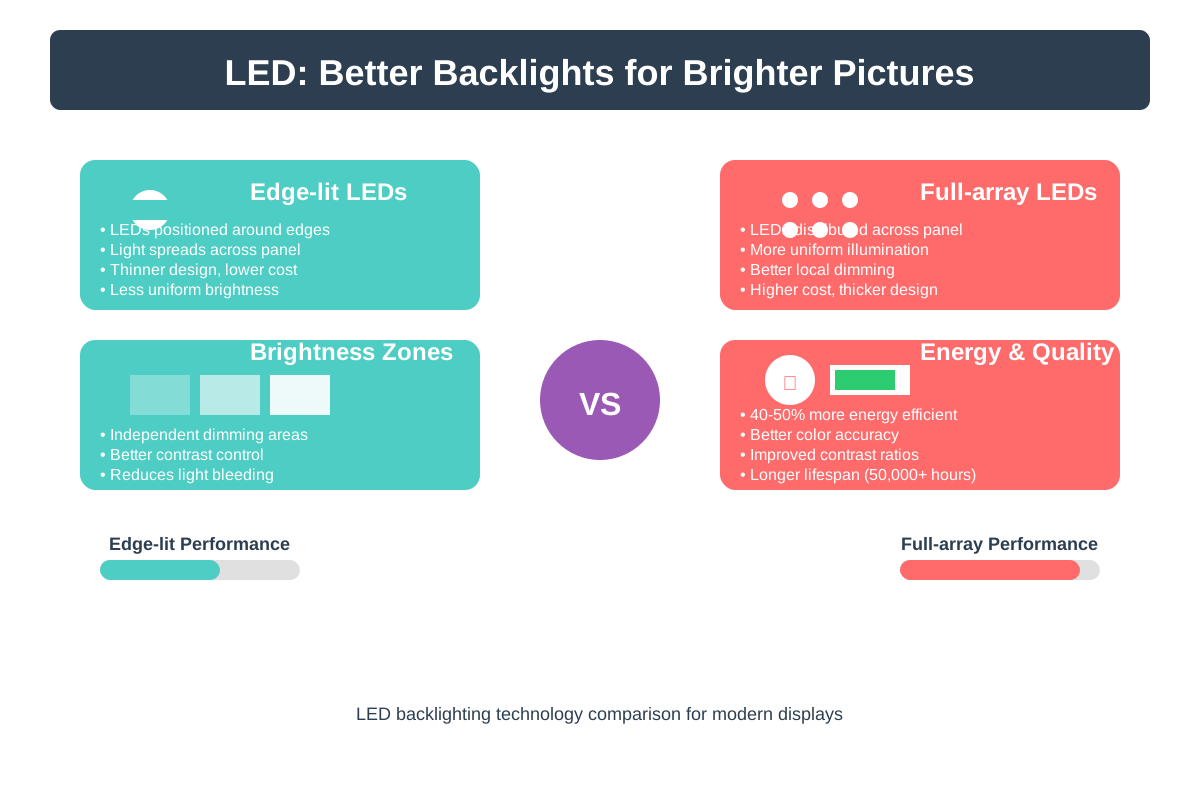
LED: Better Backlights for Brighter Pictures
LED TVs are actually LCD TVs with LED (Light Emitting Diode) backlights instead of old fluorescent bulbs. LEDs can be placed around the edges or behind the entire screen for better brightness control. This makes pictures more vibrant and uses less energy than older LCD models.
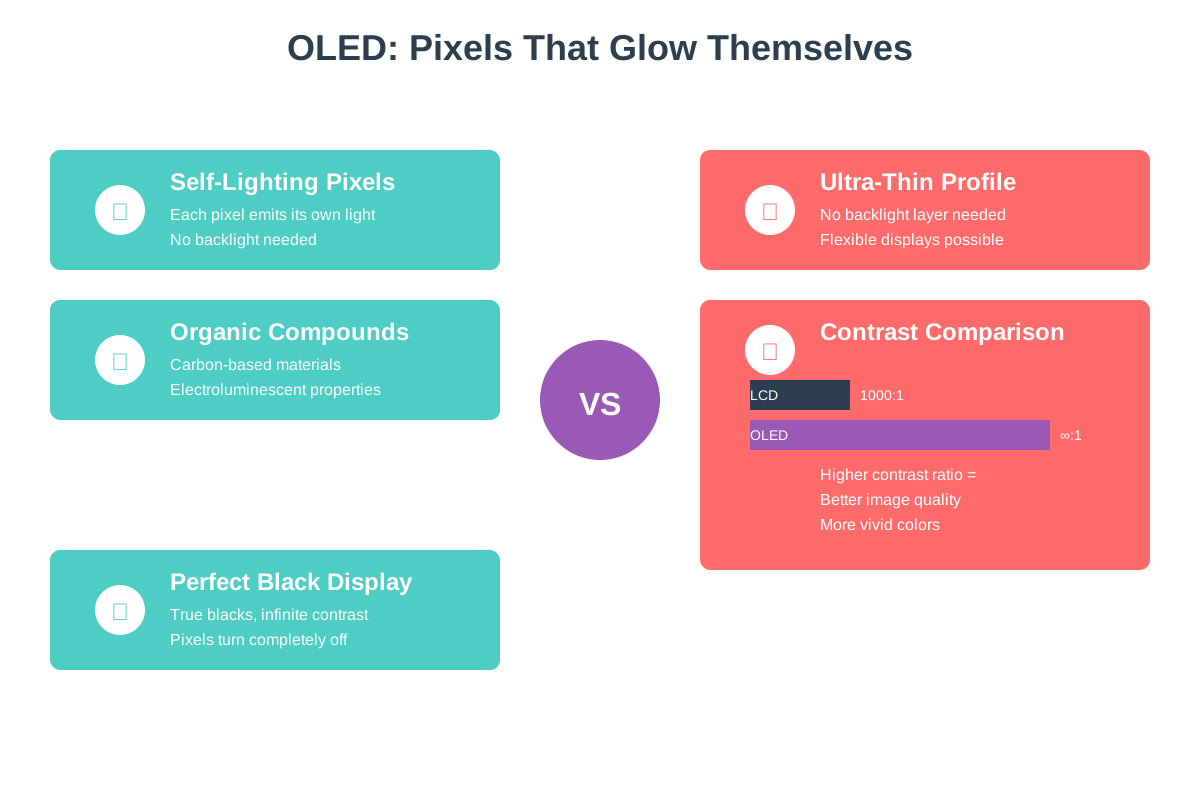
OLED: Pixels That Glow Themselves
OLED (Organic Light Emitting Diode) screens have pixels that create their own light using organic compounds. Since each pixel can turn completely off, OLED TVs show perfect black colors and incredible contrast. They're super thin and flexible but cost more to make than other types.
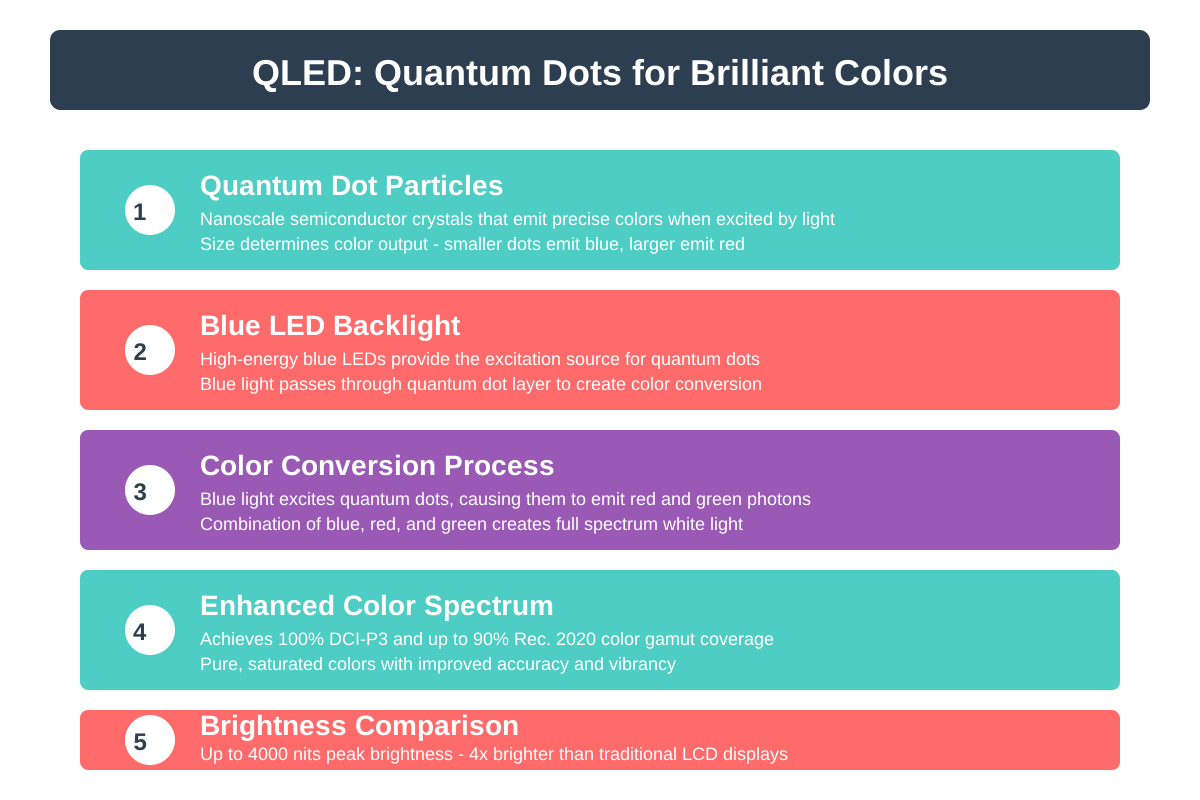
QLED: Quantum Dots for Brilliant Colors
QLED TVs use tiny particles called quantum dots that glow in specific colors when hit by light. These quantum dots make colors much more accurate and brighter than regular LCD screens. They combine the brightness benefits of LED backlights with enhanced color technology for stunning visuals.
Quick Recap ✨
- TV technology evolved from bulky CRT tubes to ultra-thin modern displays using different methods to create images
- Each screen type has trade-offs between picture quality, energy use, thickness, and cost
- Modern TVs like OLED and QLED offer the best picture quality with self-lighting pixels and enhanced colors