
The Real Asteroid Threat: What Kids Need to Know
Visual learning made easy - infographics and simple explanations
There's an asteroid out there that could change life on Earth as we know it!
While movies show giant asteroids destroying Earth instantly, the real asteroid threats are smaller but more likely to hit us. Scientists track these space rocks and work on ways to protect our planet from potential impacts.
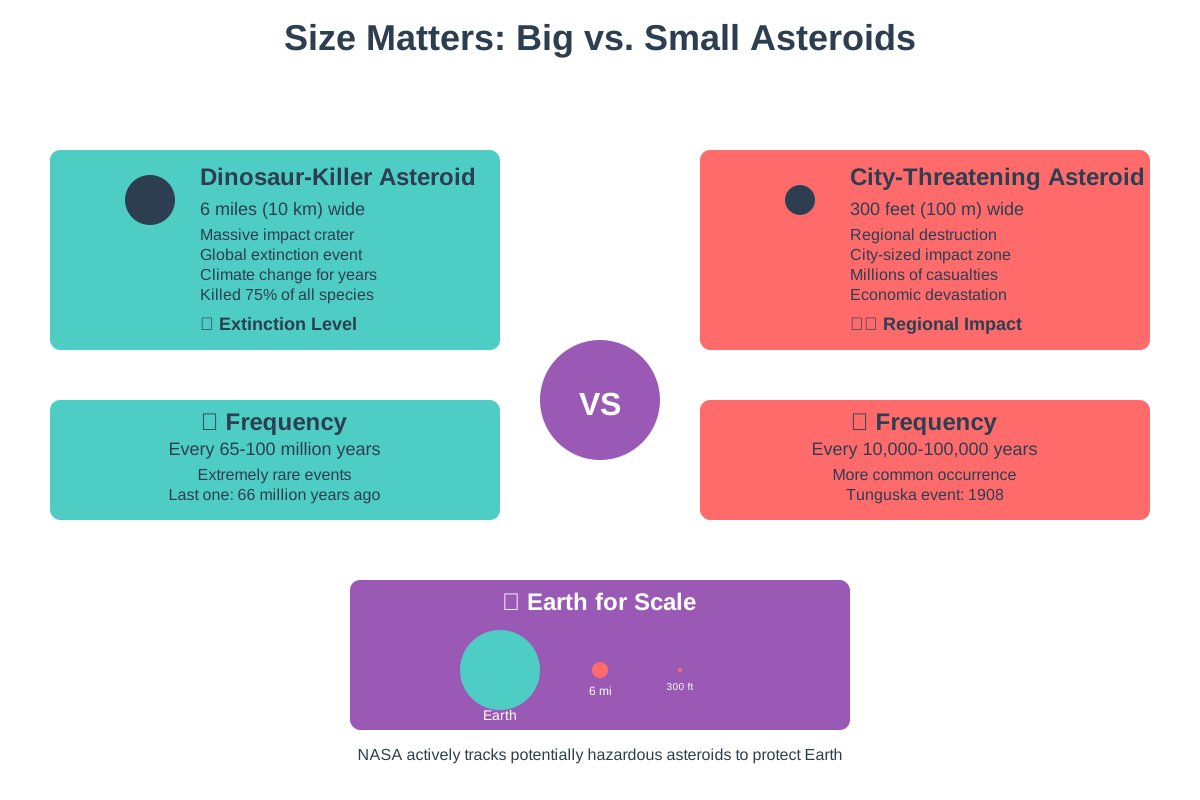
Size Matters: Big vs. Small Asteroids
Huge asteroids like the one that killed dinosaurs are extremely rare. The asteroids we should worry about are much smaller - about the size of a football field. These smaller asteroids hit Earth more often and can still cause serious damage to cities.
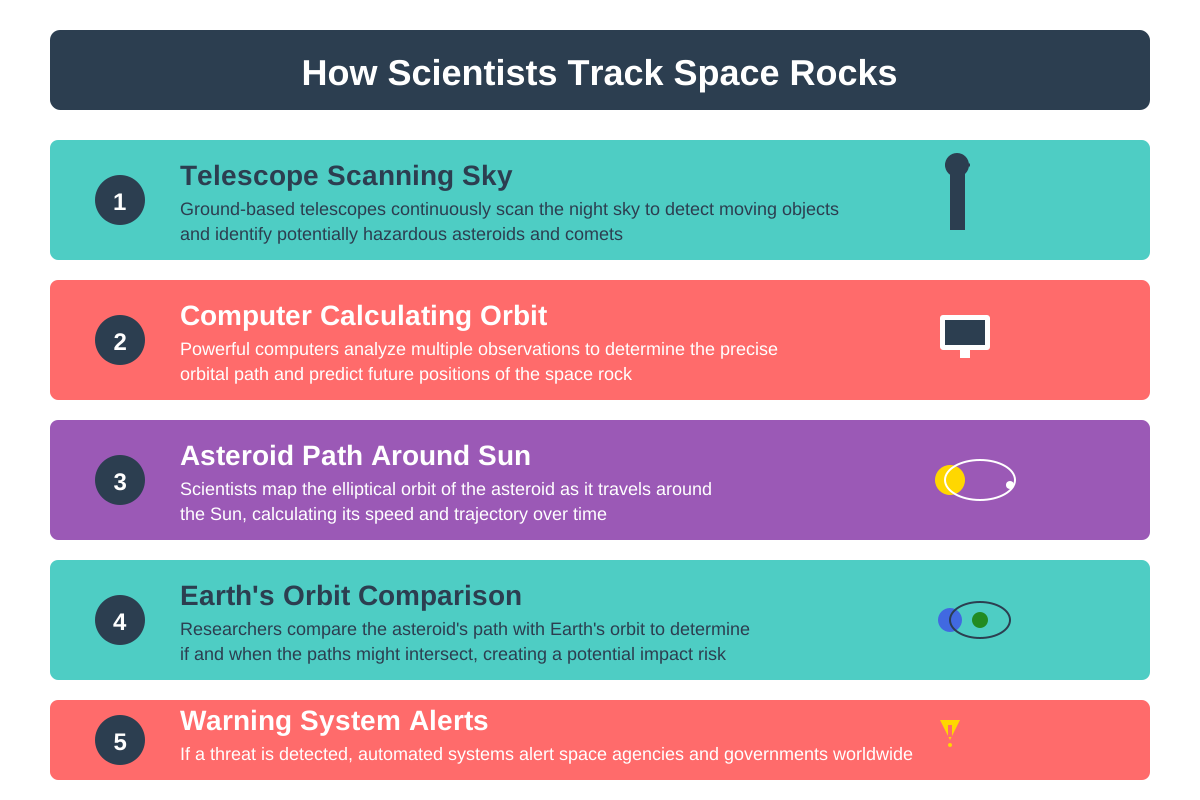
How Scientists Track Space Rocks
Astronomers use powerful telescopes to scan the sky every night looking for asteroids. They track over 25,000 near-Earth asteroids and calculate their paths to see if any might hit us. It's like being a space traffic controller!
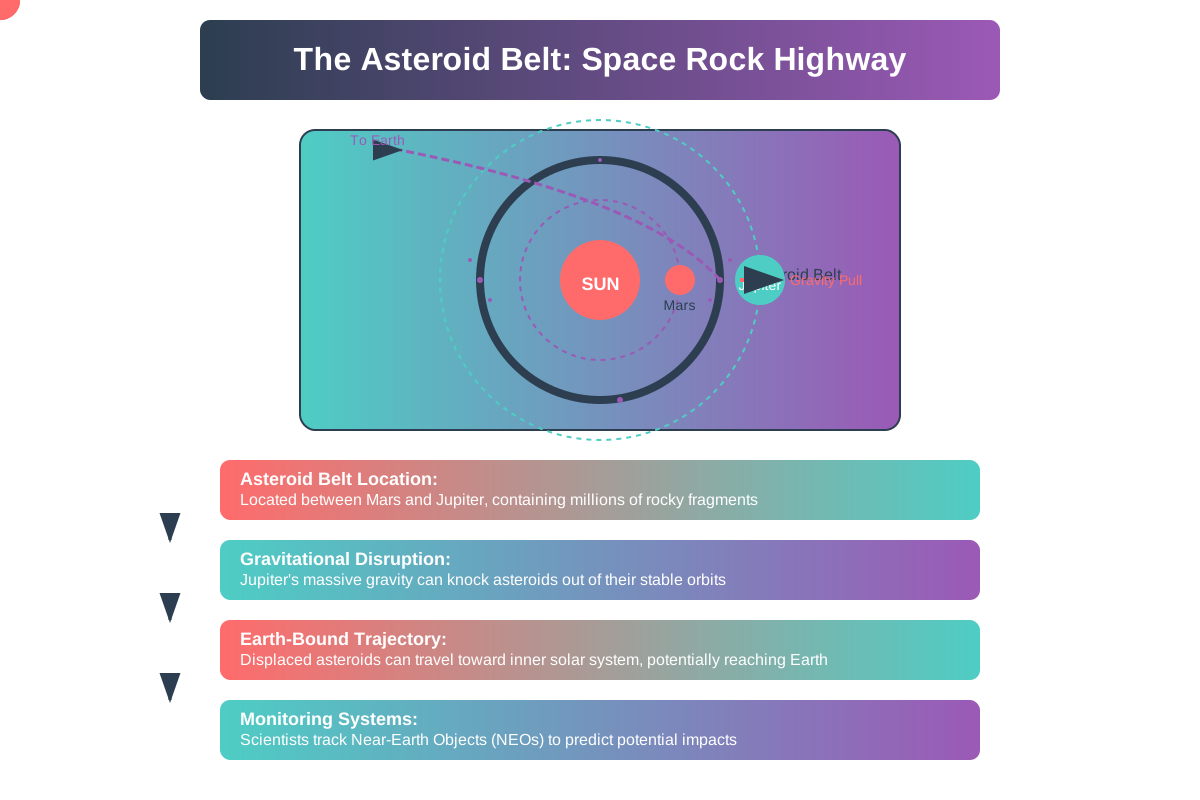
The Asteroid Belt: Space Rock Highway
Most asteroids live in a region between Mars and Jupiter called the asteroid belt. Sometimes gravity from planets can knock these rocks out of the belt and send them toward Earth. Think of it like cosmic bowling where planets are the bowling balls.
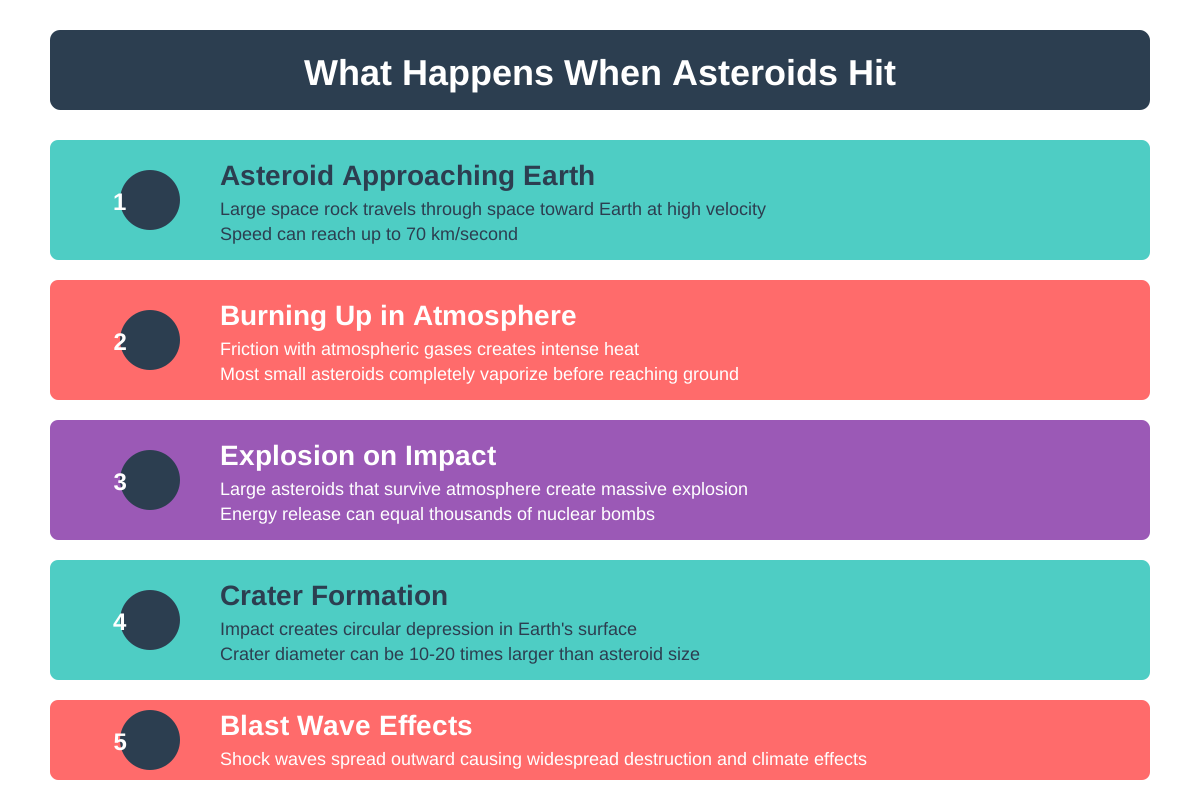
What Happens When Asteroids Hit
When an asteroid enters Earth's atmosphere, it becomes a meteor and usually burns up completely. Larger ones that survive the trip create explosions, craters, and can damage buildings. The blast wave can break windows hundreds of miles away.
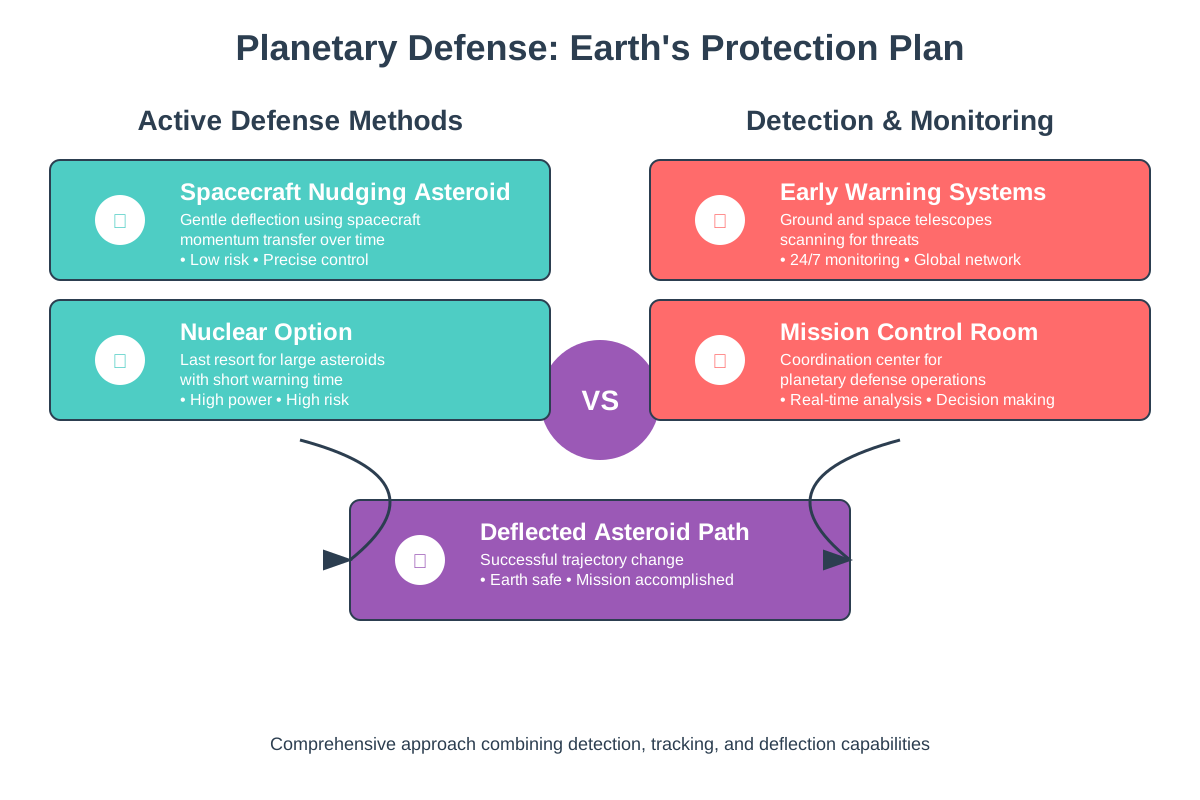
Planetary Defense: Earth's Protection Plan
Scientists have developed ways to protect Earth from dangerous asteroids. They can use spacecraft to gently push asteroids off course or even blow them up if necessary. NASA recently tested this by crashing a spacecraft into an asteroid to change its path.
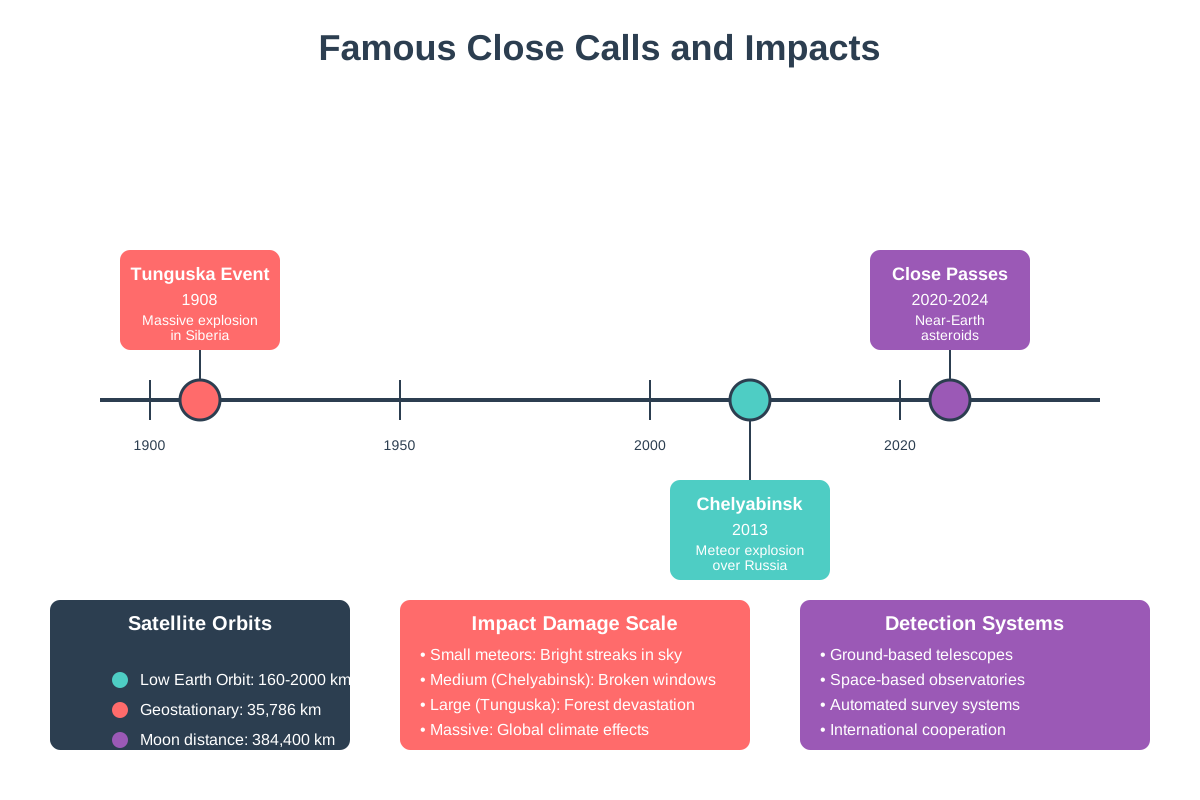
Famous Close Calls and Impacts
In 2013, an asteroid exploded over Russia, breaking thousands of windows and injuring over 1,000 people. Other asteroids have passed closer to Earth than our satellites! These events help scientists learn how to better prepare for future threats.
Quick Recap ✨
- Small asteroids (football field size) are more dangerous than giant ones because they're more likely to hit Earth
- Scientists use telescopes and computers to track over 25,000 asteroids and predict their paths
- We have ways to protect Earth including spacecraft that can push asteroids off course