
Solar System Secrets: 8 Worlds in Space!
Visual learning made easy - infographics and simple explanations
Did you know our Sun is so big that over 1 million Earths could fit inside it?
Our Solar System is like a cosmic neighborhood with the Sun at the center and eight planets orbiting around it. Each planet has unique features that make it special, from tiny Mercury to giant Jupiter.
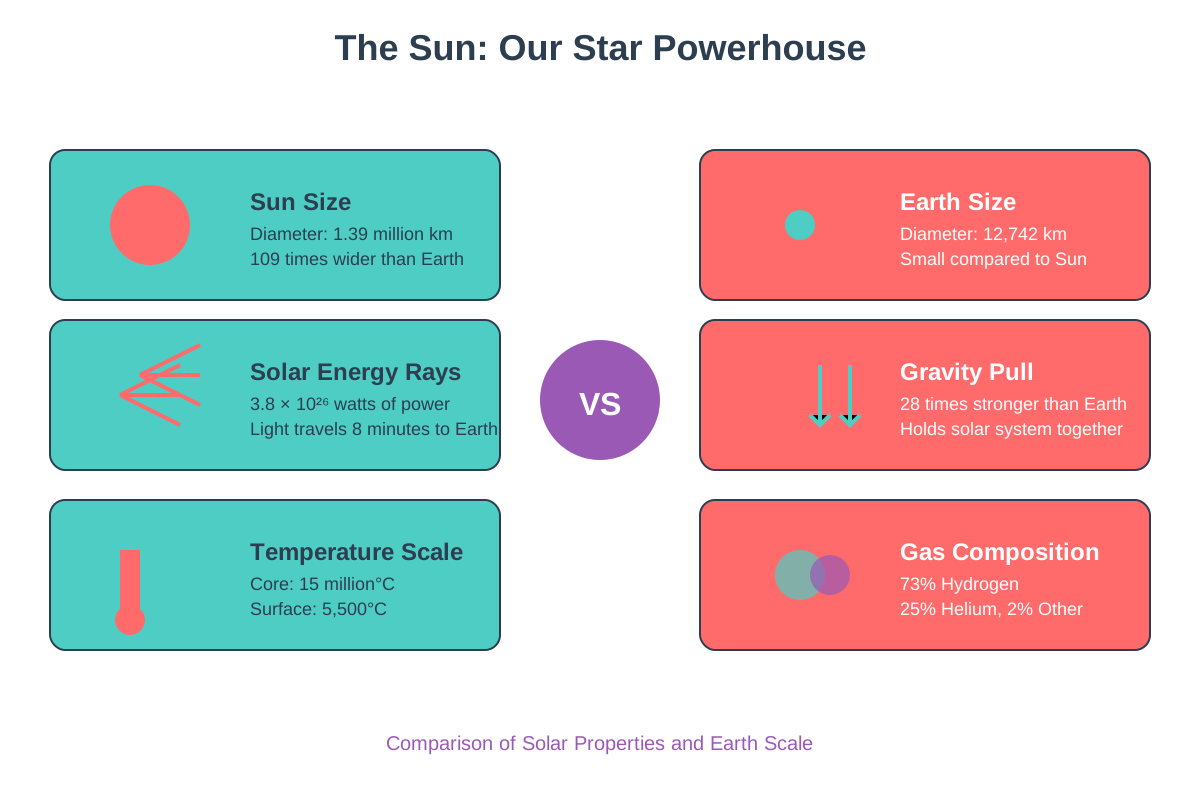
The Sun: Our Star Powerhouse
The Sun is a massive ball of hot gas that provides light and heat to all planets. It's so powerful that its gravity keeps all eight planets moving in circular paths around it. Without the Sun, there would be no life on Earth.
Inner Rocky Planets
Mercury, Venus, Earth, and Mars are called the inner planets because they're closest to the Sun. These planets are made mostly of rock and metal, making them solid worlds you could actually stand on.

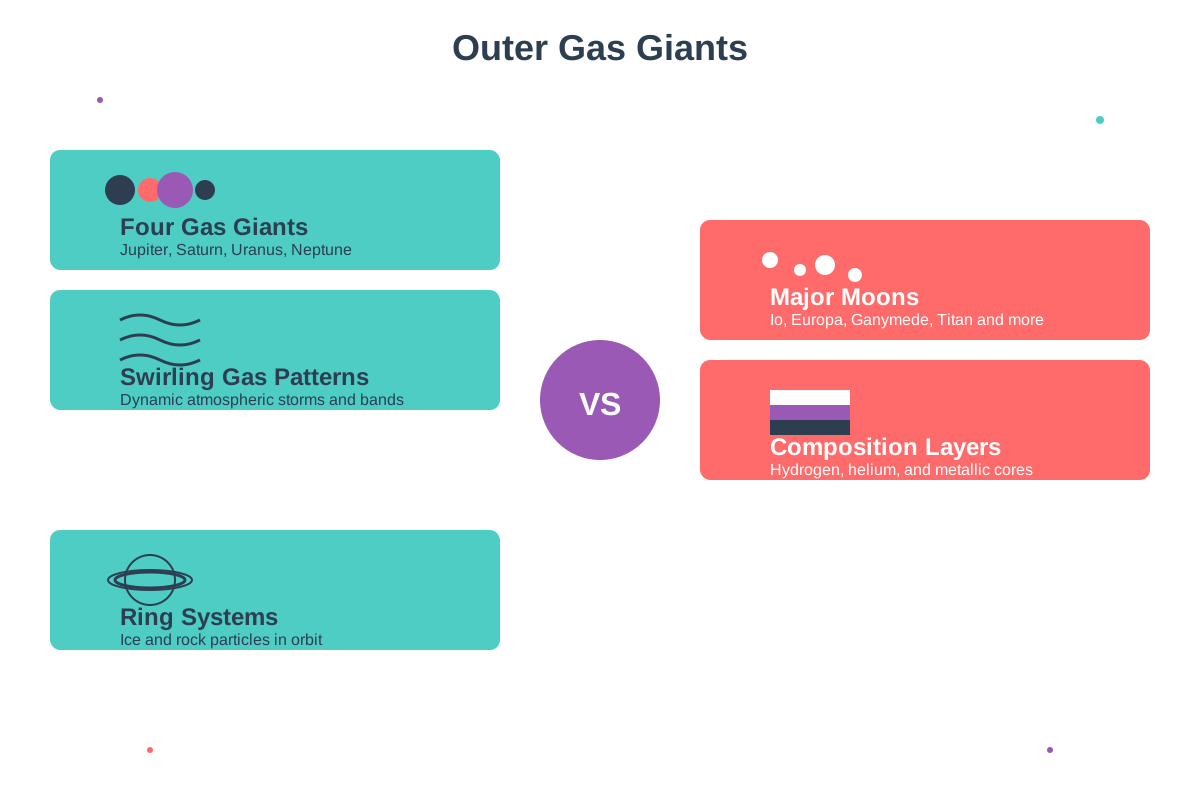
Outer Gas Giants
Jupiter, Saturn, Uranus, and Neptune are huge planets made mostly of gas and liquid. They're much bigger than the inner planets but you couldn't land on them because they don't have solid surfaces.
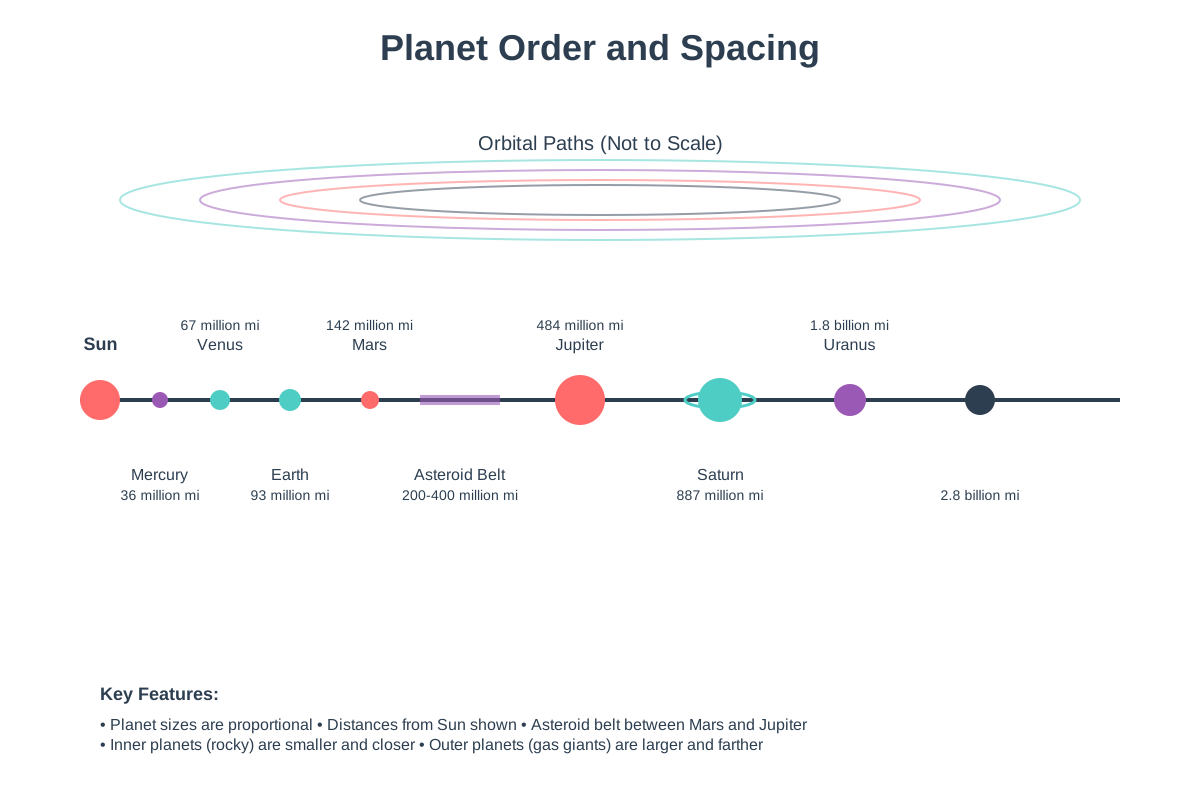
Planet Order and Spacing
The planets follow a specific order from the Sun: Mercury, Venus, Earth, Mars, Jupiter, Saturn, Uranus, Neptune. There's a huge gap between Mars and Jupiter where most asteroids live.
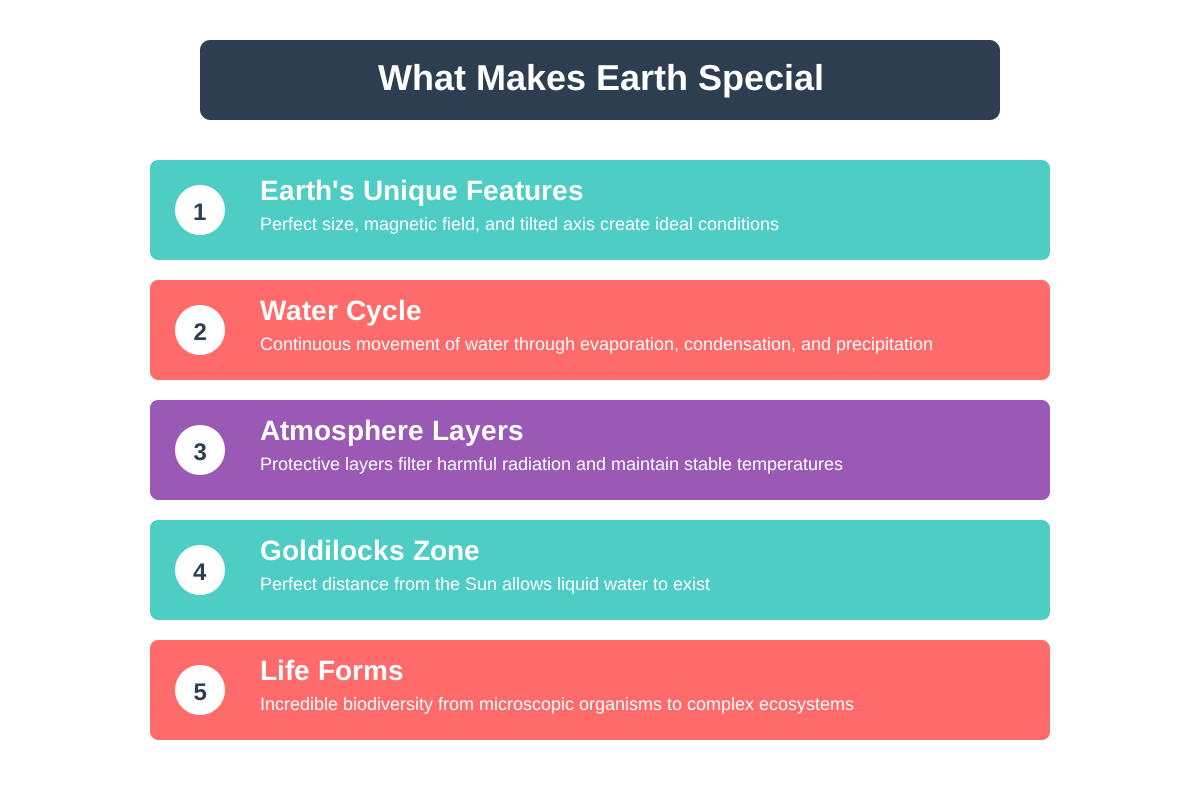
What Makes Earth Special
Earth is the only planet we know that has life because it has liquid water, breathable air, and the perfect temperature. It's not too hot like Venus or too cold like Mars.
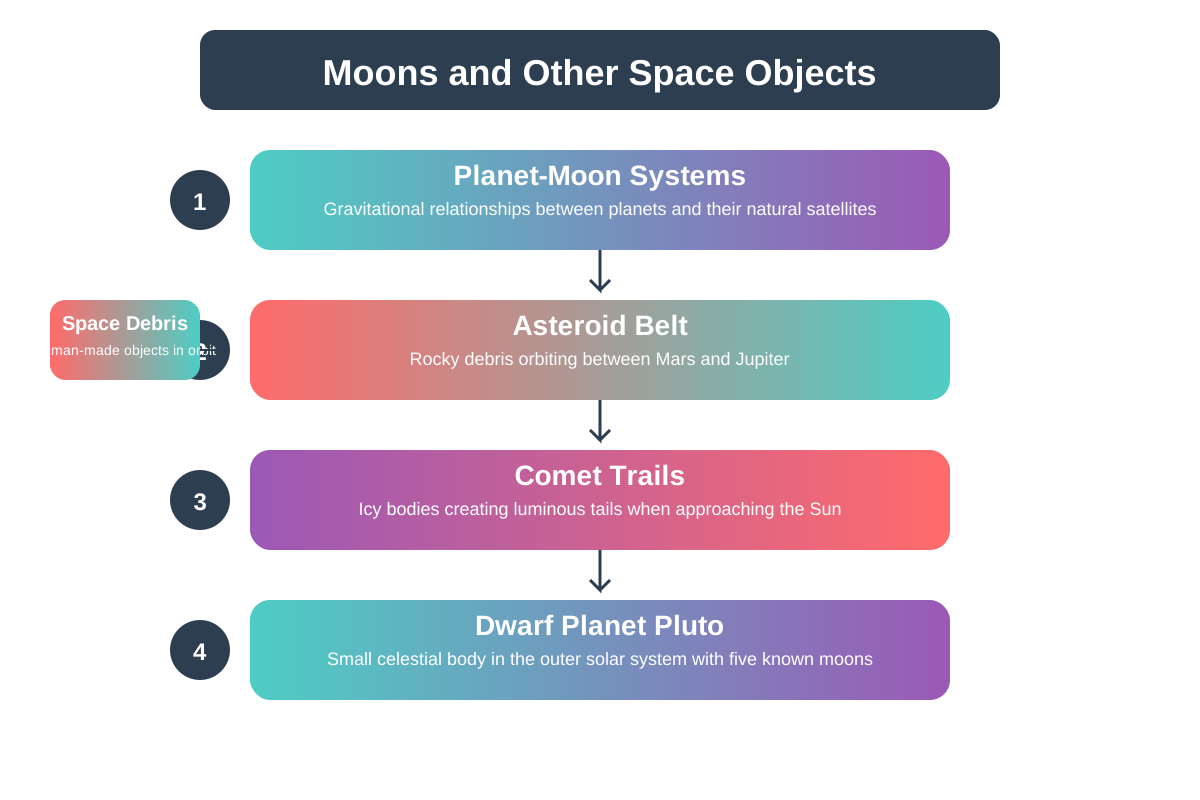
Moons and Other Space Objects
Many planets have moons that orbit around them, just like our Moon orbits Earth. The Solar System also contains asteroids, comets, and dwarf planets like Pluto that make space even more interesting.
Quick Recap ✨
- Our Solar System has one star (the Sun) and eight planets that orbit around it
- Inner planets are small and rocky, while outer planets are large and made of gas
- Earth is special because it has the right conditions for life to exist