
Roman Engineering: How They Built an Empire That Lasted
Visual learning made easy - infographics and simple explanations
The Romans built incredible structures 2,000 years ago that still work today - here's how they did it!
Ancient Rome's empire lasted over 1,000 years because of their amazing engineering skills. They created revolutionary building techniques and infrastructure that connected their vast empire.
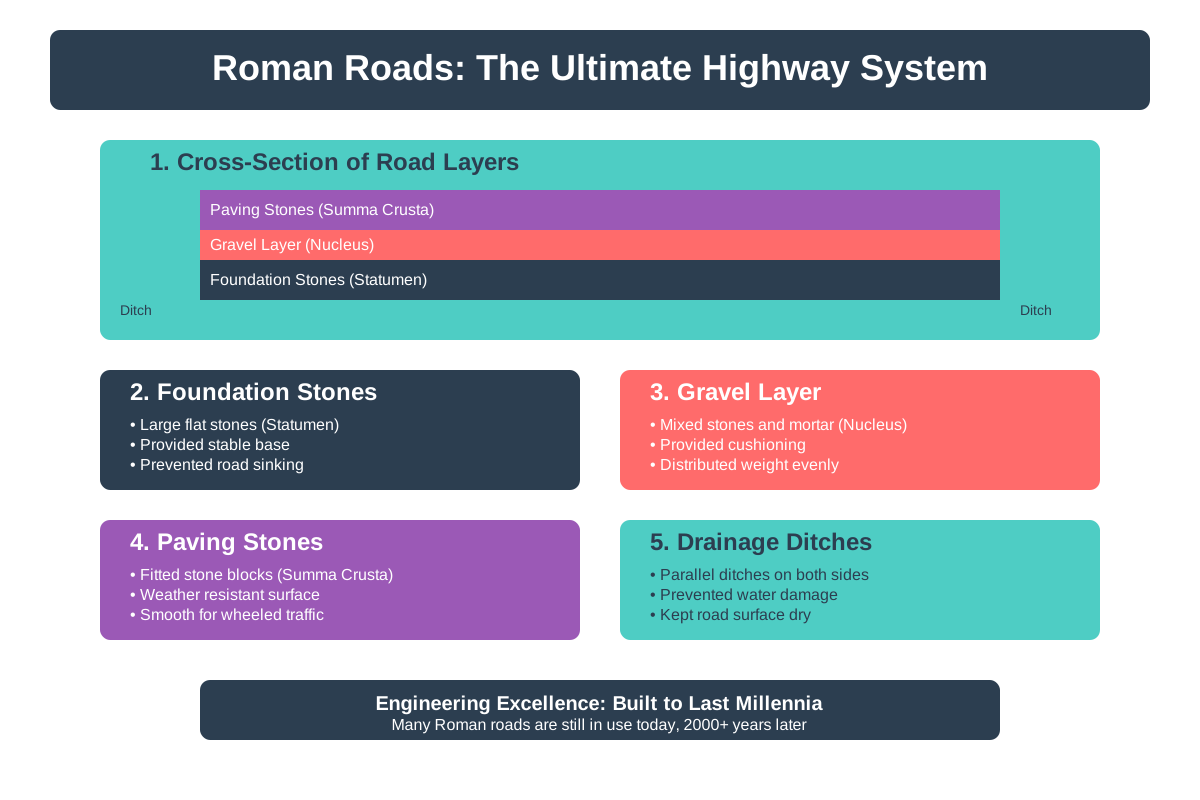
Roman Roads: The Ultimate Highway System
Romans built over 250,000 miles of roads using a layered system that made them incredibly durable. These roads connected the entire empire, allowing armies and goods to travel quickly. Many Roman roads are still used today!
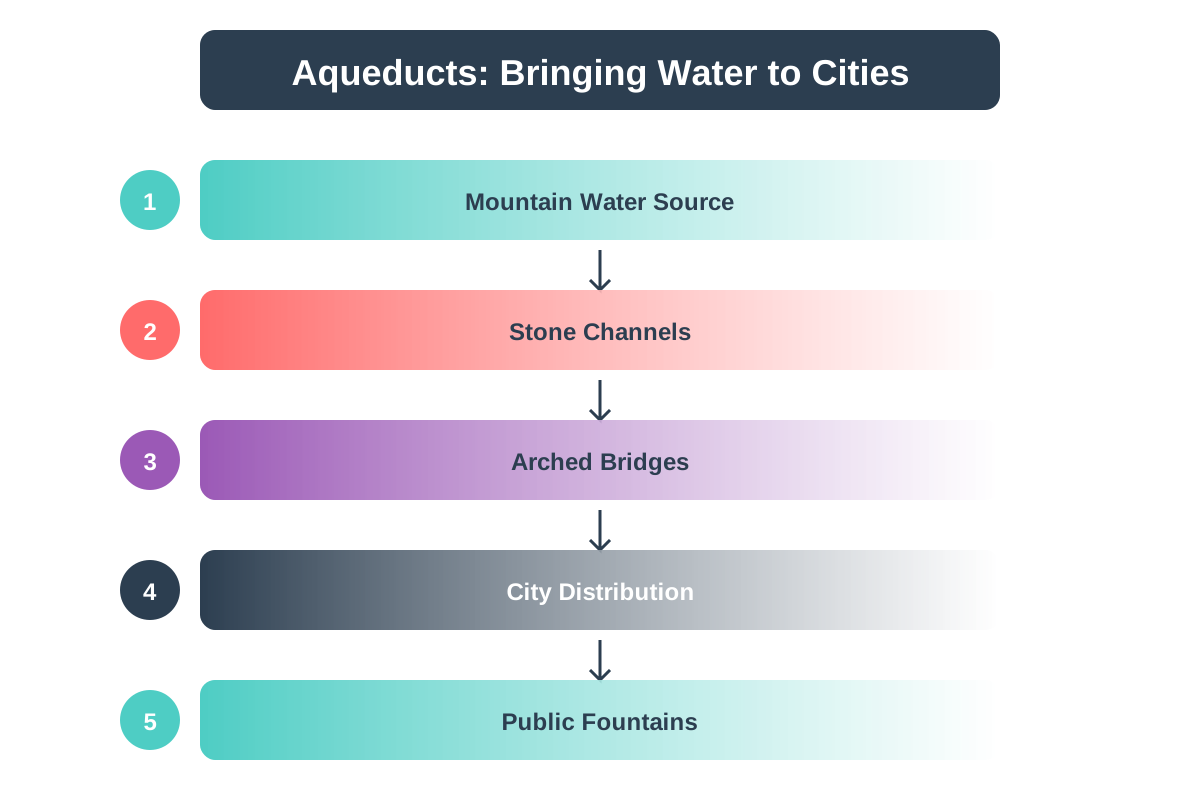
Aqueducts: Bringing Water to Cities
Romans engineered massive stone channels that carried fresh water from mountains to cities using only gravity. These aqueducts could transport millions of gallons daily across hundreds of miles. Some cities had multiple aqueducts to ensure constant water supply.
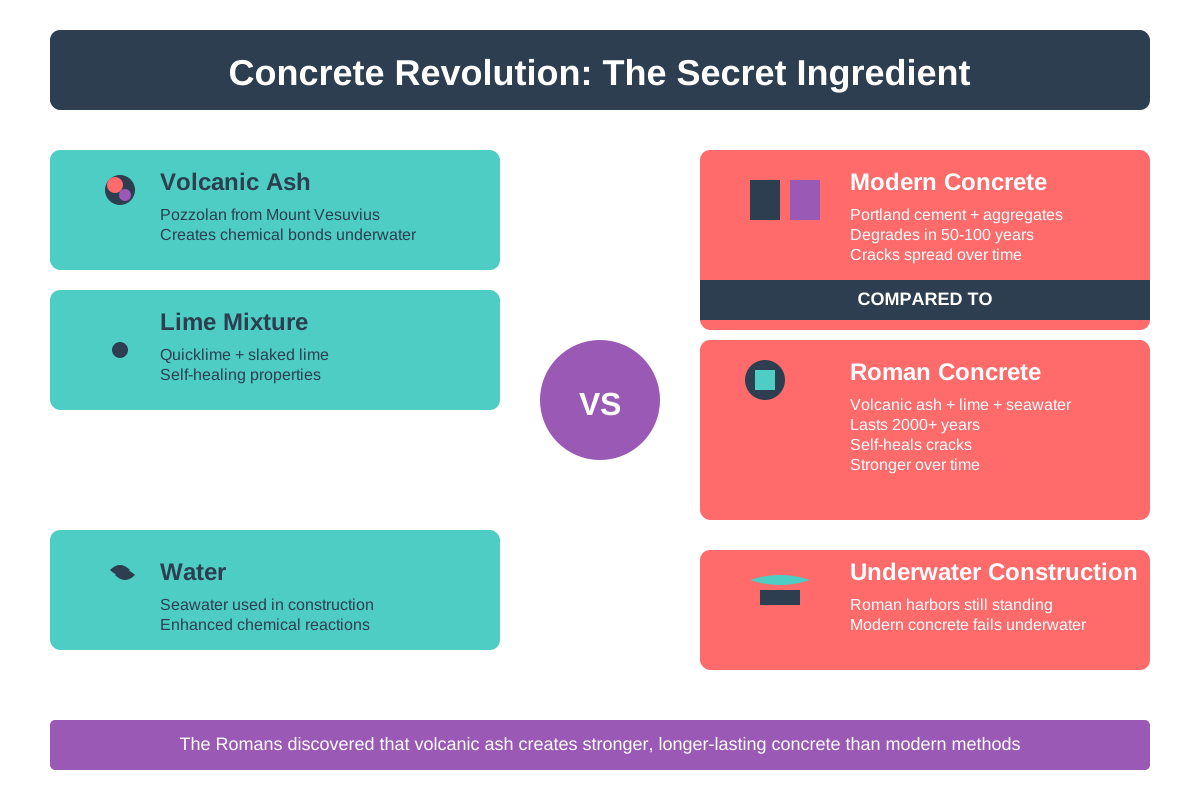
Concrete Revolution: The Secret Ingredient
Romans invented concrete by mixing volcanic ash with lime and water, creating a material stronger than stone. This concrete could even harden underwater, allowing them to build massive domes and foundations. Their concrete was actually better than modern concrete in many ways.
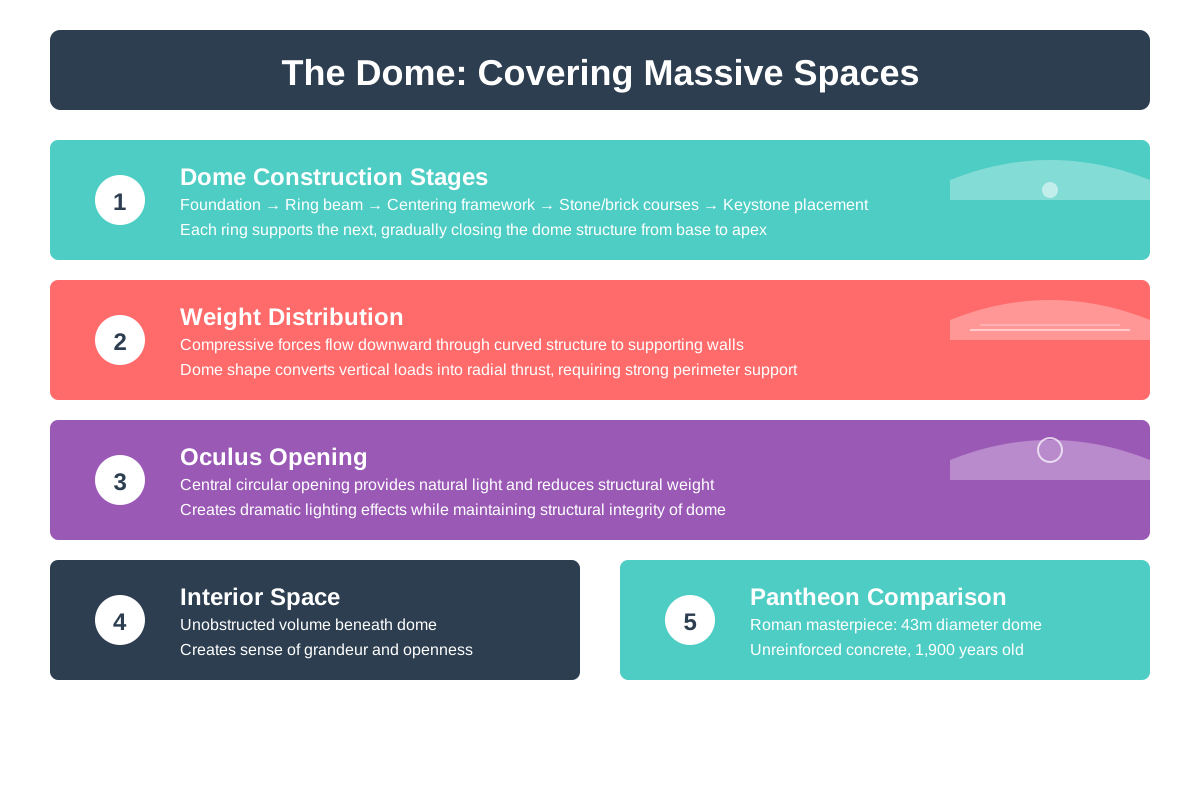
The Dome: Covering Massive Spaces
Roman engineers perfected the dome, allowing them to create huge indoor spaces without columns blocking the view. The Pantheon's dome was the largest in the world for over 1,000 years. They used lighter materials toward the top to reduce weight.
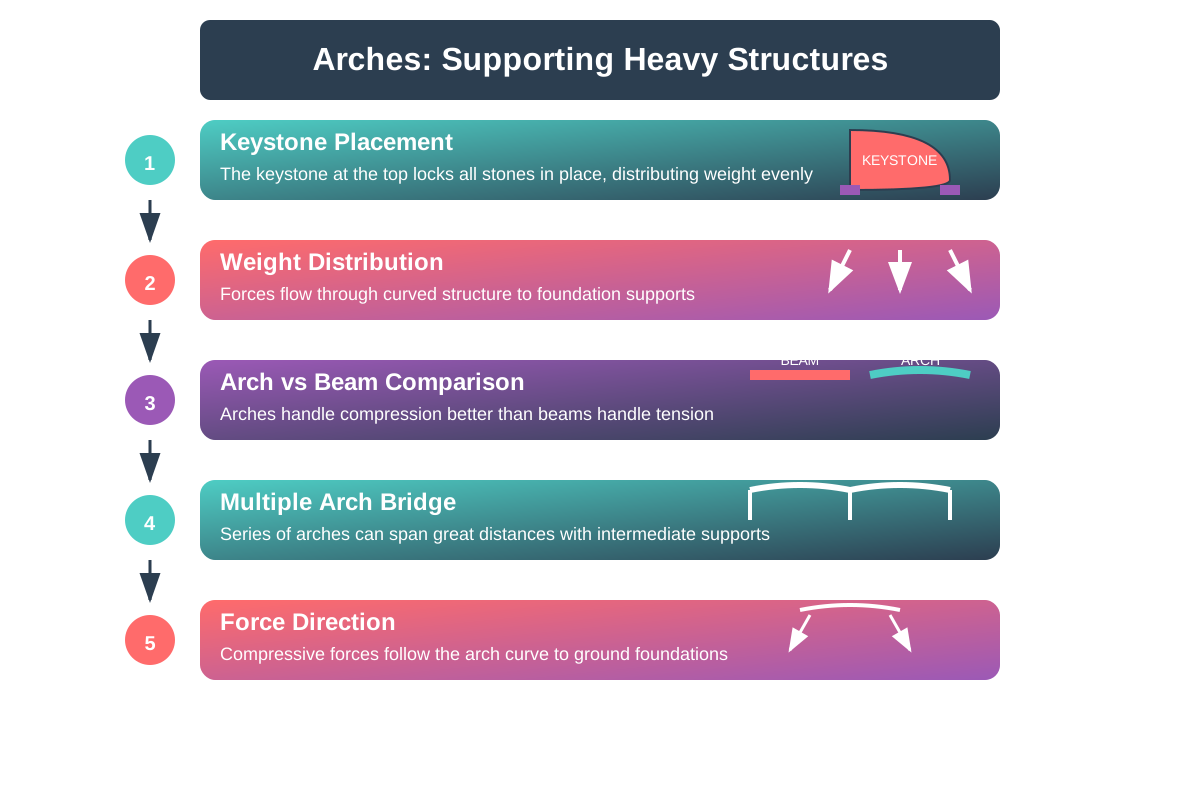
Arches: Supporting Heavy Structures
The Roman arch could support much more weight than flat beams by directing pressure downward and outward. They used arches in bridges, buildings, and aqueducts throughout their empire. Multiple arches together could span enormous distances.
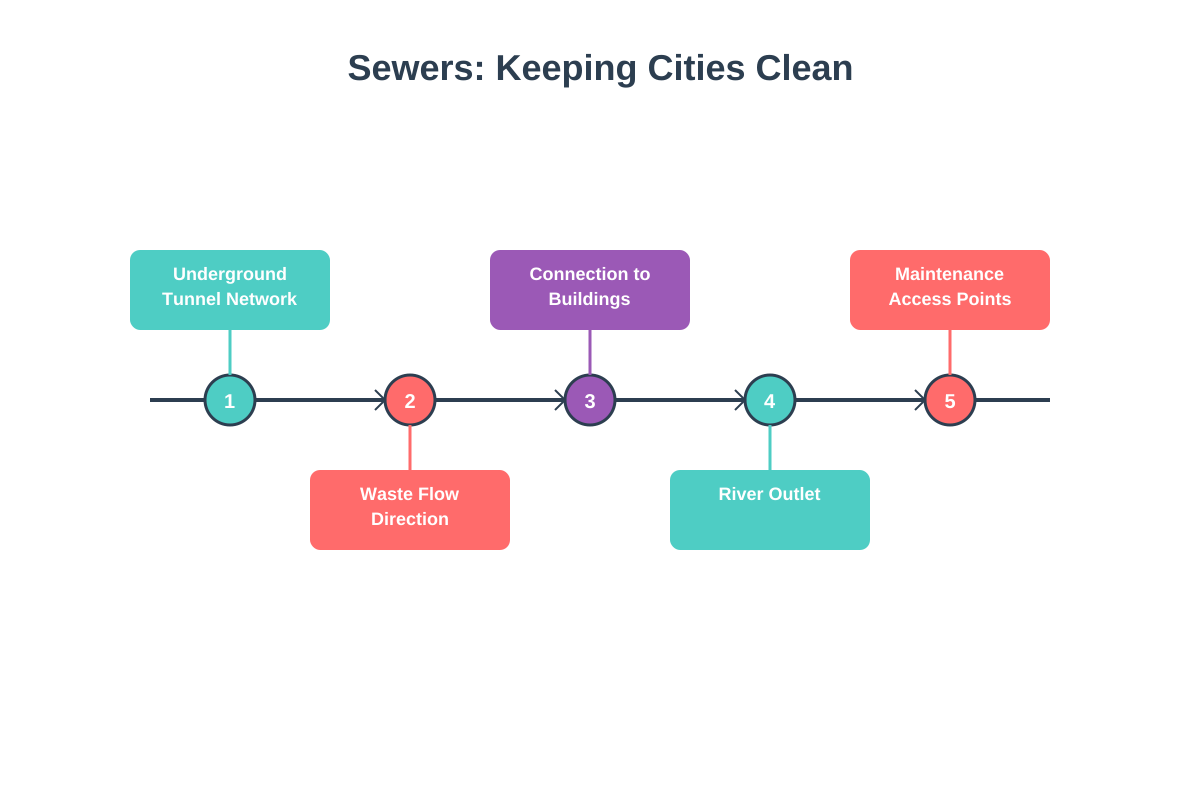
Sewers: Keeping Cities Clean
Romans built underground sewer systems that carried waste away from cities, preventing disease and keeping populations healthy. The Cloaca Maxima in Rome was so well-built it's still functioning after 2,500 years. These systems used flowing water to transport waste to rivers.
Quick Recap ✨
- Roman roads, aqueducts, and sewers created infrastructure that connected and supported their massive empire
- Revolutionary concrete and arch technology allowed Romans to build structures that lasted thousands of years
- Smart engineering solutions like gravity-fed water systems and weight-distributing domes showed their advanced understanding of physics