
RFID Magic: How Invisible Waves Read Hidden Chips
Visual learning made easy - infographics and simple explanations
Your credit card can pay without touching anything - here's the invisible technology making it happen!
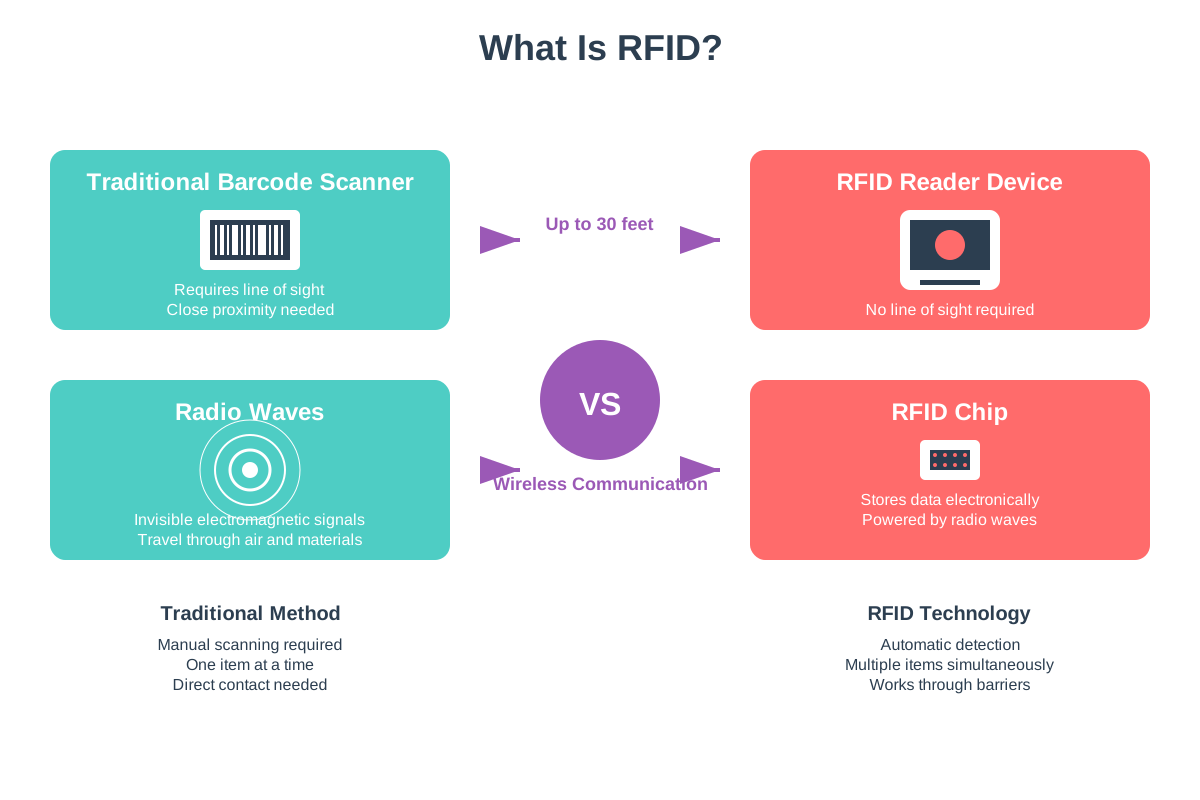
RFID (Radio Frequency Identification) uses invisible radio waves to read information from tiny computer chips without touching them. This wireless technology is hidden in credit cards, pet microchips, warehouse tags, and many everyday items around us.
What Is RFID?
RFID stands for Radio Frequency Identification - a way to identify objects using radio waves. Think of it like a wireless barcode that can be read from a distance. The technology uses invisible radio signals to communicate between a reader and a special chip.
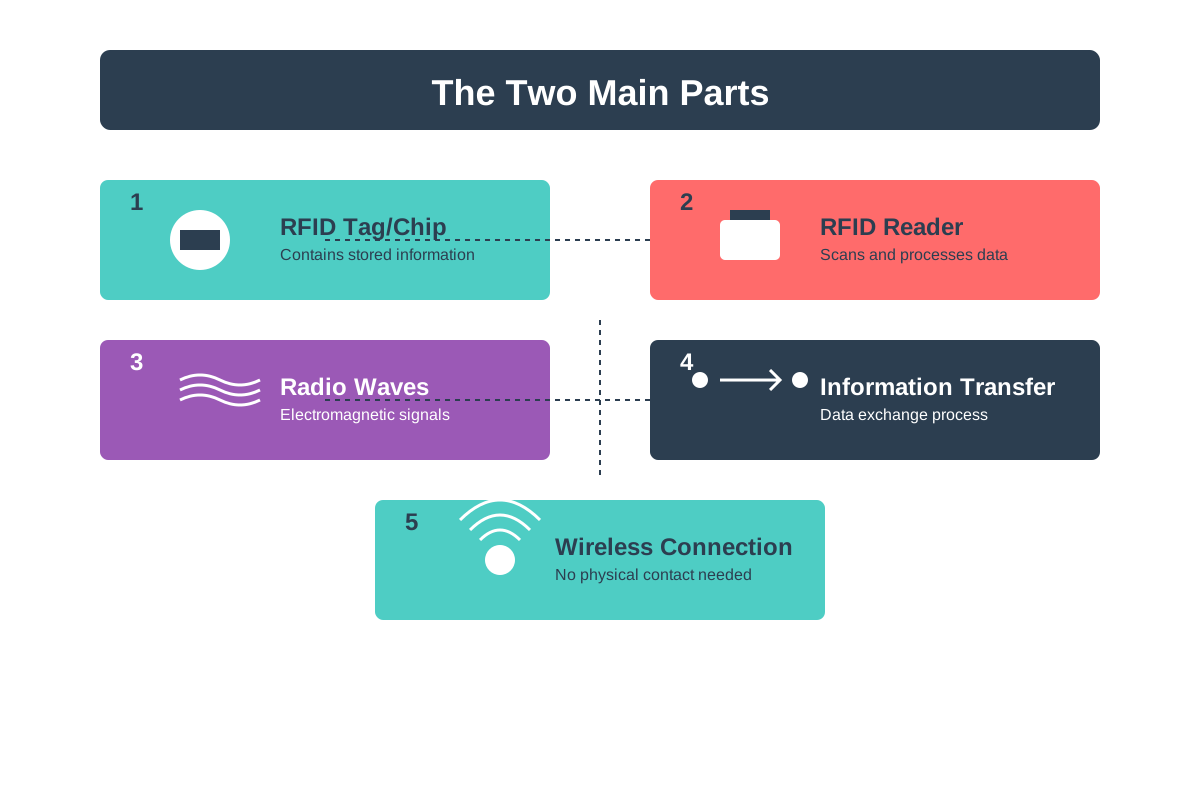
The Two Main Parts
Every RFID system has two essential pieces: a tag (or chip) and a reader. The tag stores information and the reader sends out radio waves to find and read that information. When they get close enough, they 'talk' to each other wirelessly.
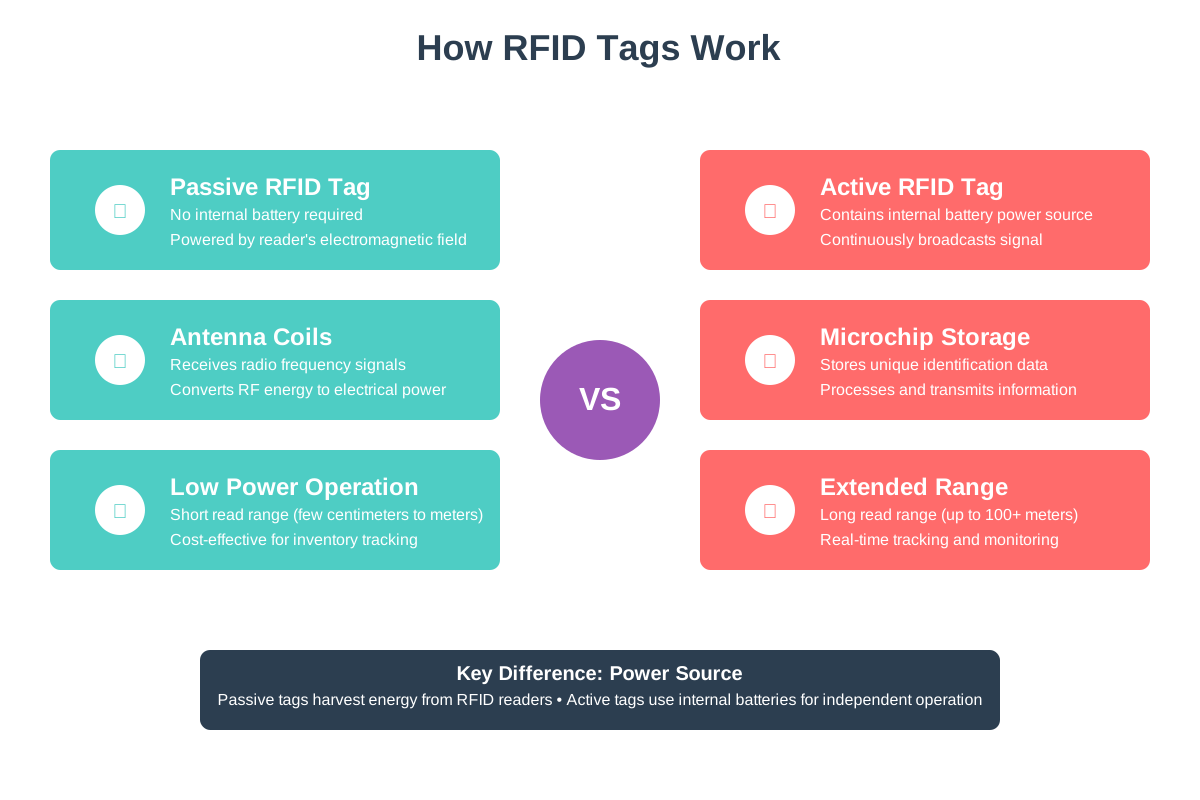
How RFID Tags Work
RFID tags are tiny computer chips with antennas attached. Some tags have their own battery (active), while others get power from the reader's radio waves (passive). The antenna helps the chip send and receive radio signals.
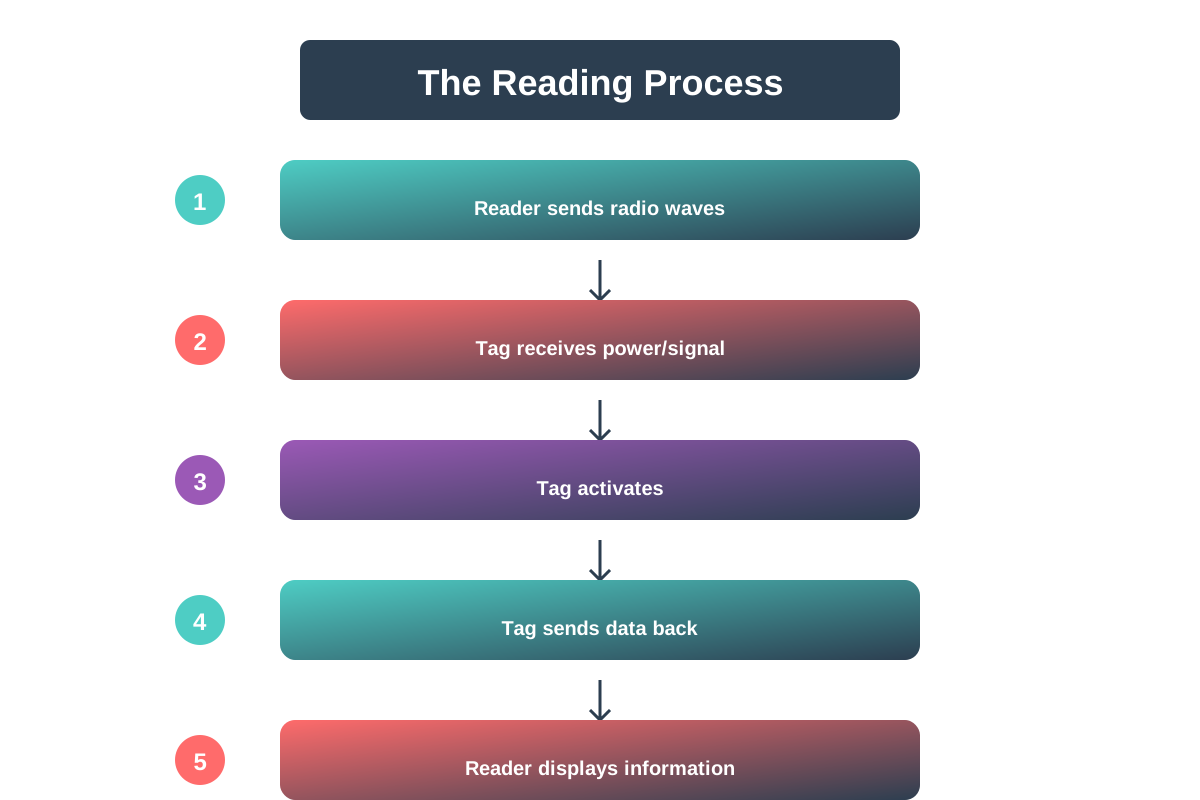
The Reading Process
When you bring an RFID tag near a reader, magic happens! The reader sends out radio waves that wake up the tag. The tag then broadcasts its stored information back to the reader using radio signals.
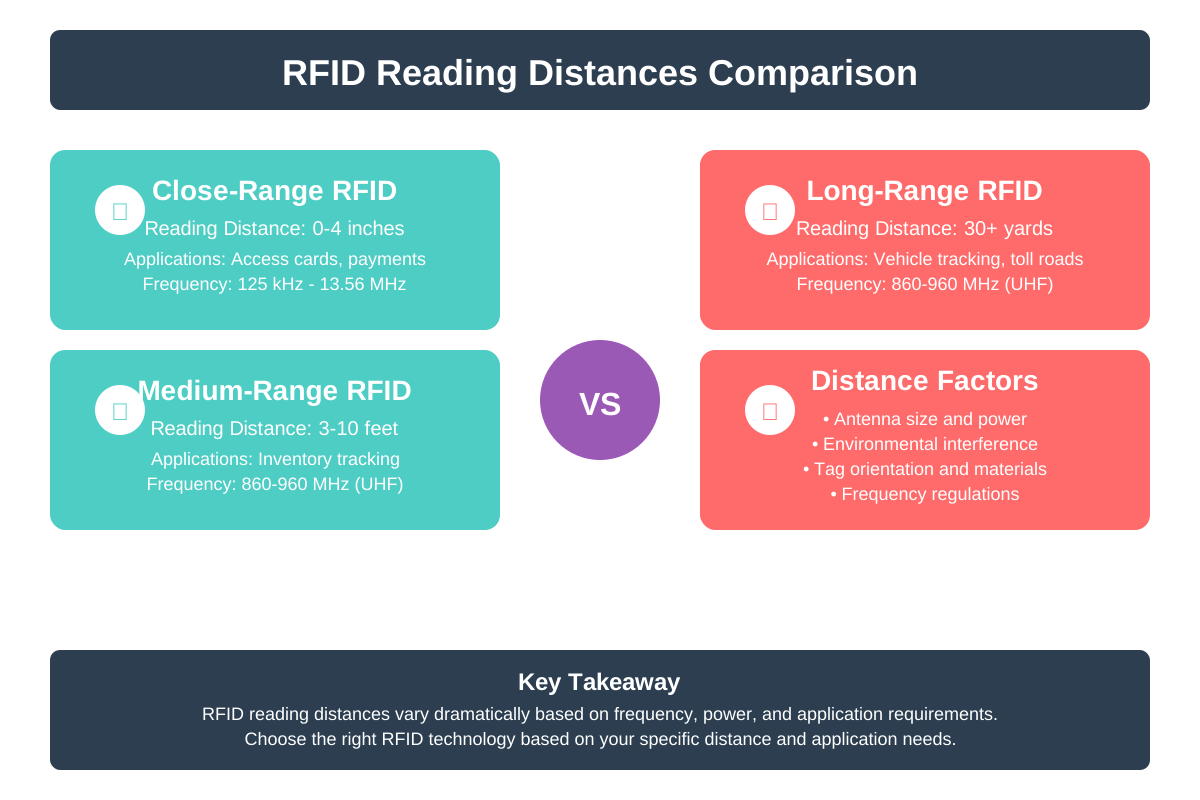
Reading Distances
Different RFID systems work at different distances. Some need to be very close (like contactless payment cards), while others can be read from several feet away. The distance depends on the type of tag and how much power the reader uses.
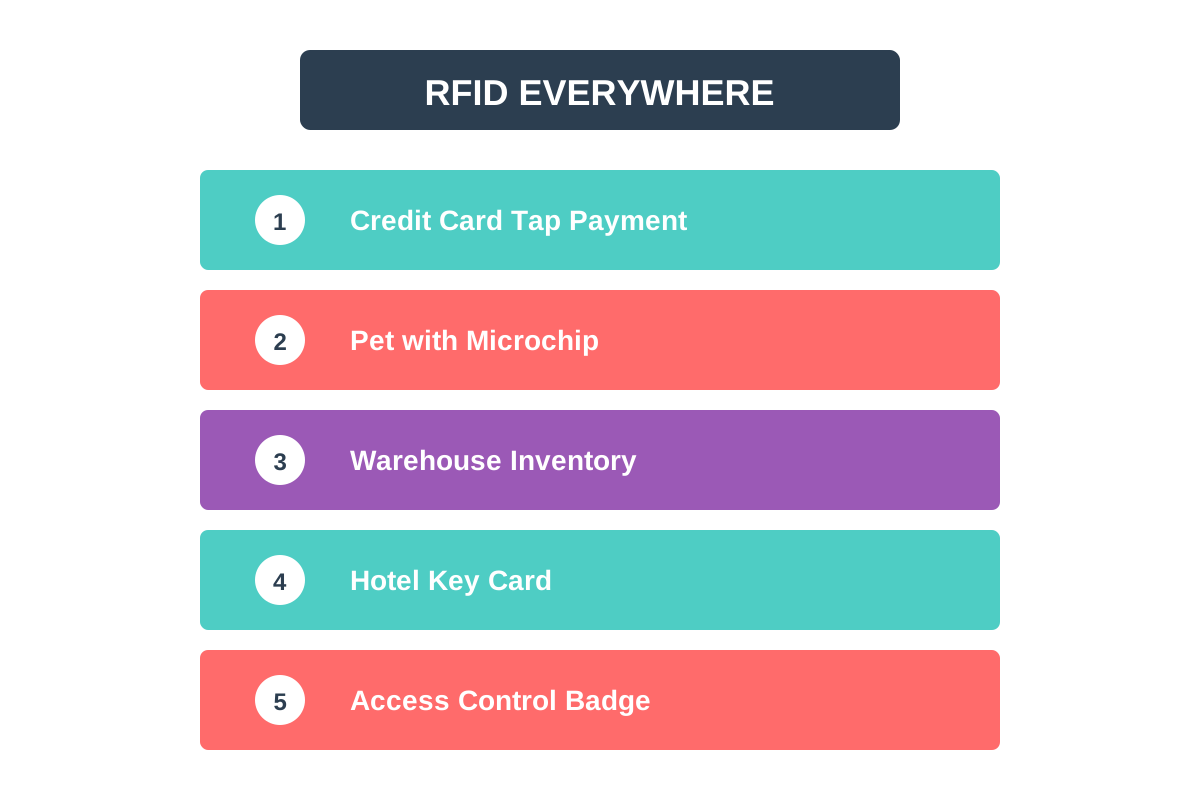
RFID Everywhere
RFID is hidden in more places than you might think! It's in contactless credit cards, pet microchips, hotel key cards, inventory tags in stores, and even some school ID badges. This technology makes our daily lives more convenient and efficient.
Quick Recap ✨
- RFID uses invisible radio waves to read information from special chips without touching them
- The system needs two parts: a tag (with chip and antenna) and a reader that sends radio waves
- RFID is everywhere - in payment cards, pet chips, inventory tags, and access cards we use daily