
Physical vs Chemical Changes: The Ultimate Guide
Visual learning made easy - infographics and simple explanations
Did you know that melting ice and burning wood are completely different types of changes?
Matter can change in two main ways: physical changes that don't create new substances, and chemical changes that form entirely new materials. Understanding the difference helps us predict what happens when materials interact with each other.
What Are Physical Changes?
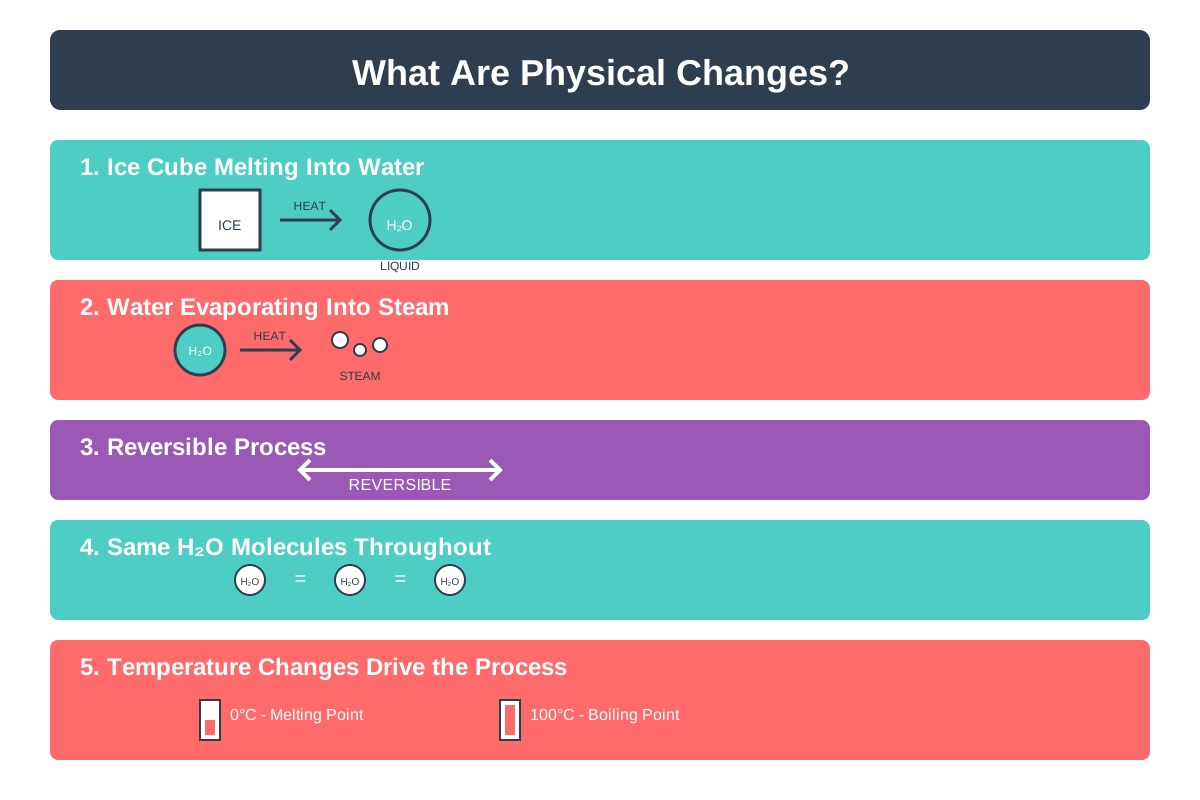
Physical changes alter how something looks or feels without creating a new substance. The material stays the same at the molecular level, just in a different form. You can often reverse these changes by undoing what you did.
What Are Chemical Changes?
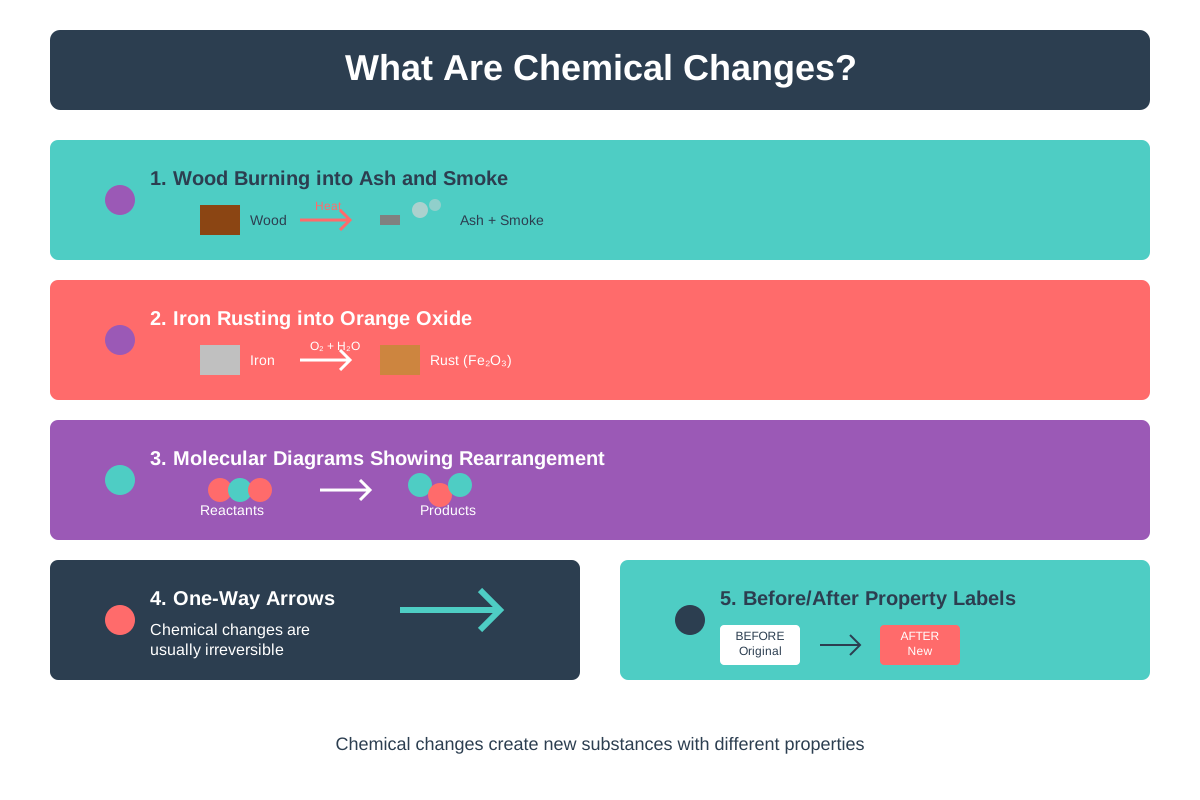
Chemical changes create completely new substances with different properties. The original materials break apart and rearrange to form something totally different. These changes are usually impossible to reverse easily.
Signs of Physical Changes
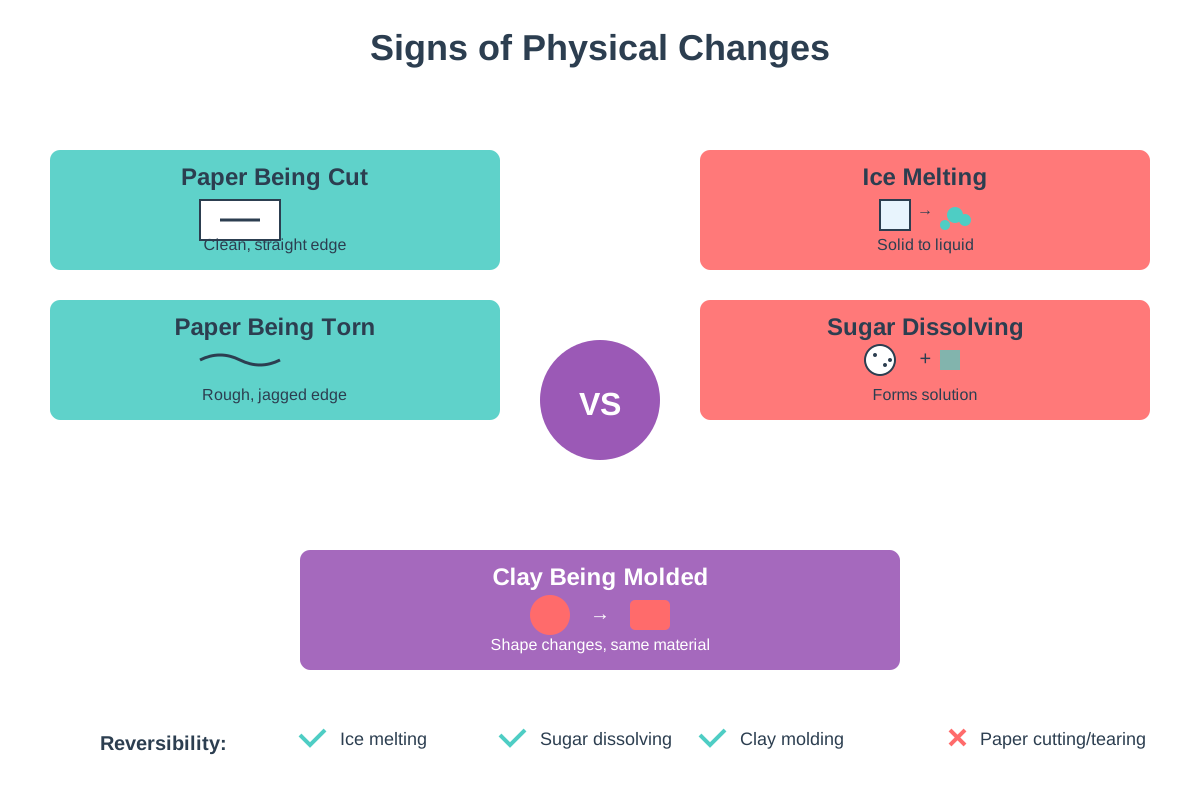
Look for changes in size, shape, state of matter, or texture without new substances forming. The material keeps its original chemical identity. Common examples include cutting, melting, freezing, and dissolving sugar in water.
Signs of Chemical Changes
Watch for color changes, gas bubbles, heat or light production, and new smells. These clues tell you that atoms are rearranging into different substances. The original material is gone forever in most cases.

Tricky Examples That Confuse Students
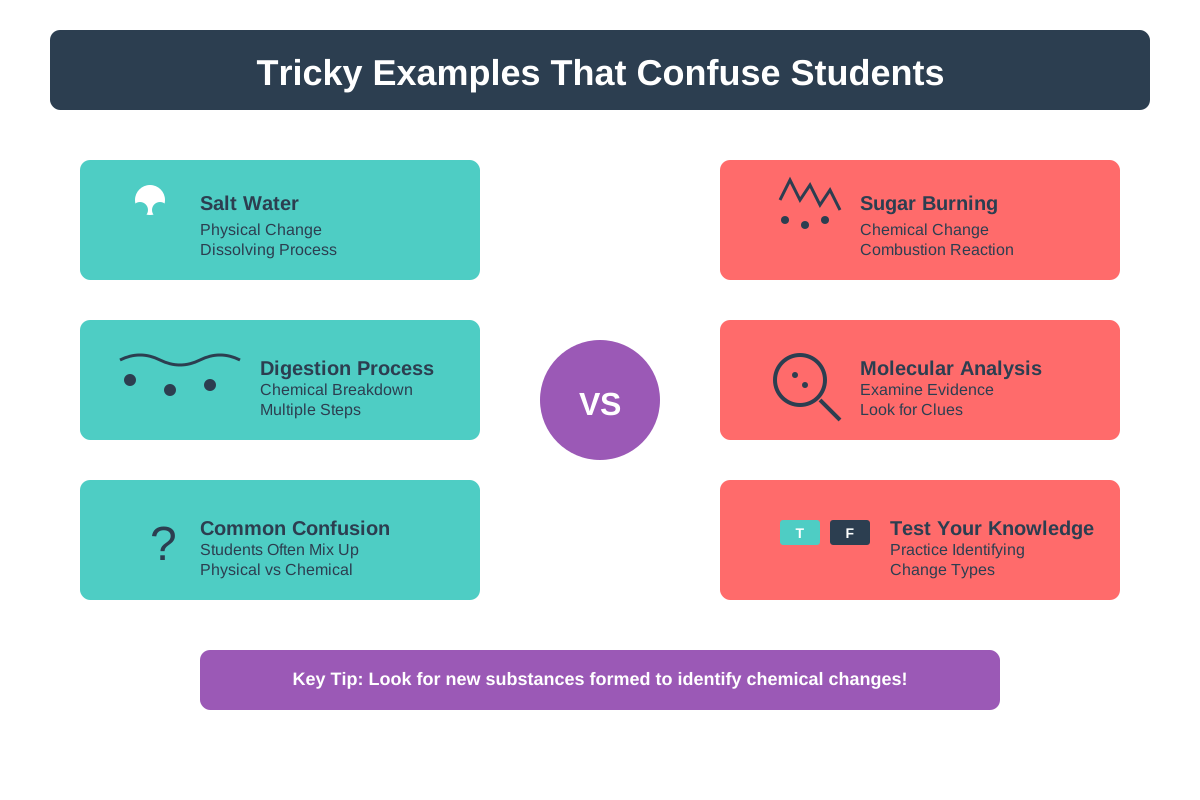
Some changes seem chemical but are actually physical, like dissolving salt in water. Others appear physical but are chemical, like digesting food. The key is asking: 'Did we make a completely new substance with different properties?'
Real-World Applications
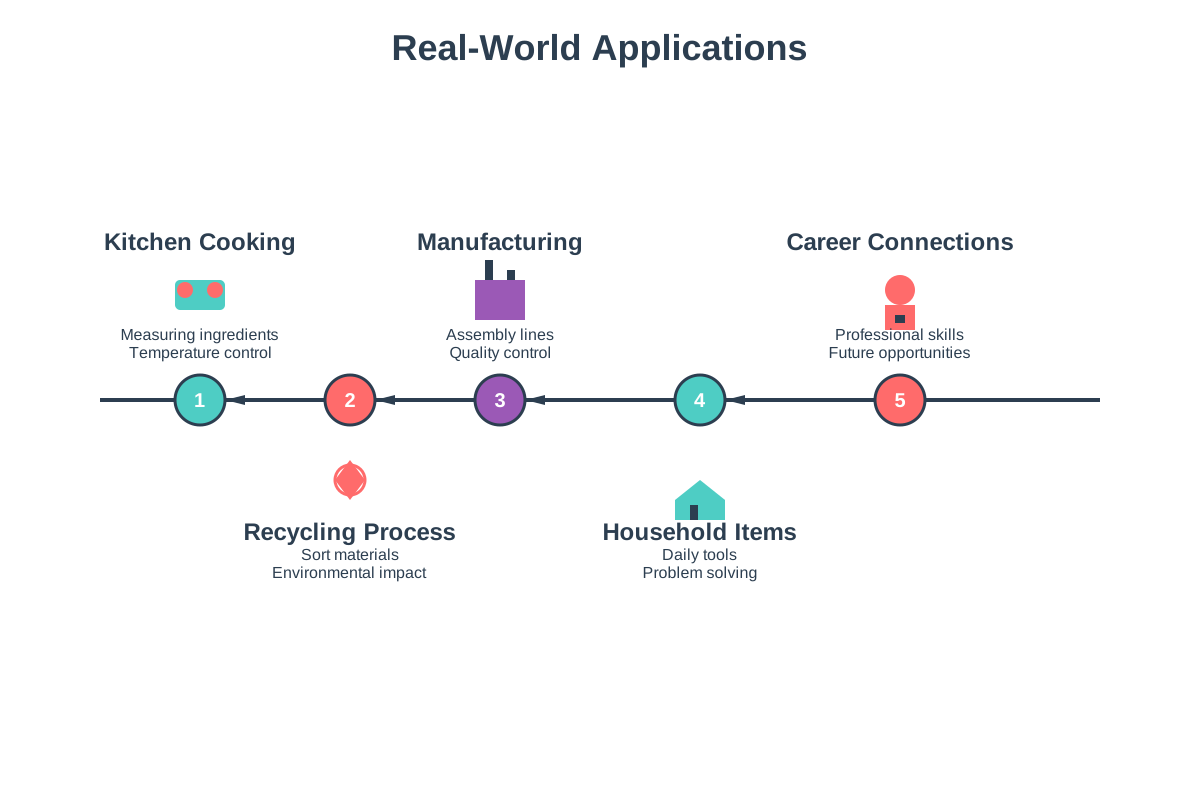
Understanding these changes helps in cooking, recycling, and manufacturing. Chefs use physical changes like melting chocolate but chemical changes like baking bread. Recycling works because many materials undergo physical changes when reprocessed.
Quick Recap ✨
- Physical changes keep the same substance but change its appearance or state
- Chemical changes create entirely new substances with different properties
- Look for clues like color changes, bubbles, heat, or new smells to identify chemical changes