
Periodic Table: Your Map to All Matter in the Universe
Visual learning made easy - infographics and simple explanations
Every single thing around you - from the air you breathe to your phone - is made from elements found on this amazing chart!
The periodic table is like a giant map that shows all the building blocks of matter in our universe. It organizes all known elements by their properties and helps scientists understand how they behave and combine.
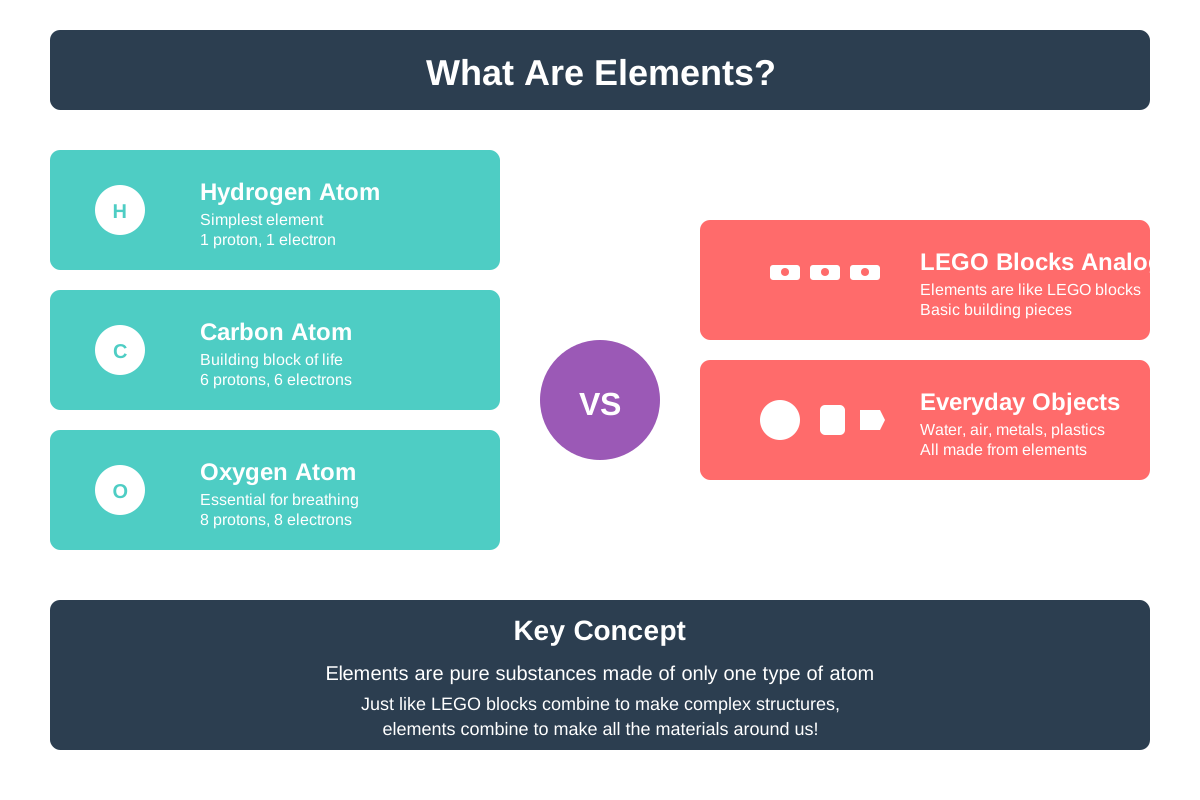
What Are Elements?
Elements are the pure building blocks of everything in the universe. They can't be broken down into simpler substances. Think of them like LEGO blocks - you can combine them to build anything, but each block itself is unique.
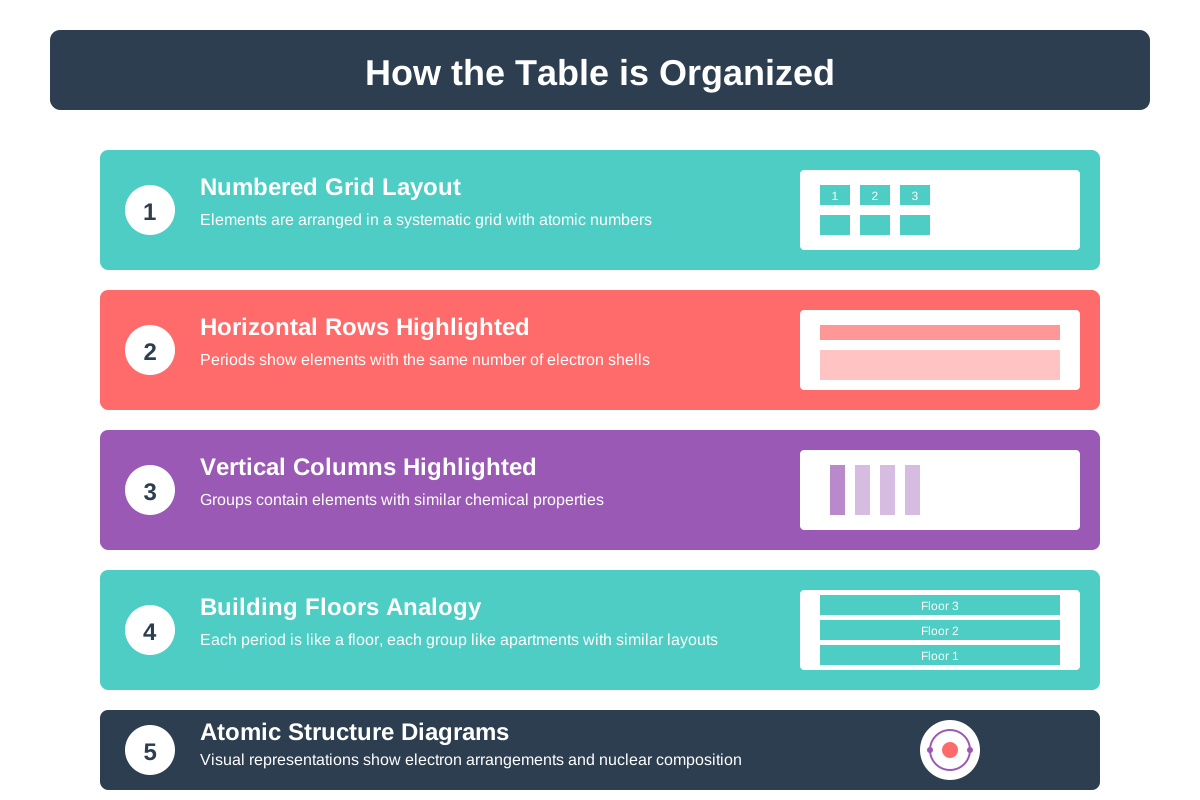
How the Table is Organized
The periodic table arranges elements by their atomic number (how many protons they have). Elements in the same row have the same number of electron shells, like floors in a building. Elements in the same column have similar properties and behave alike.
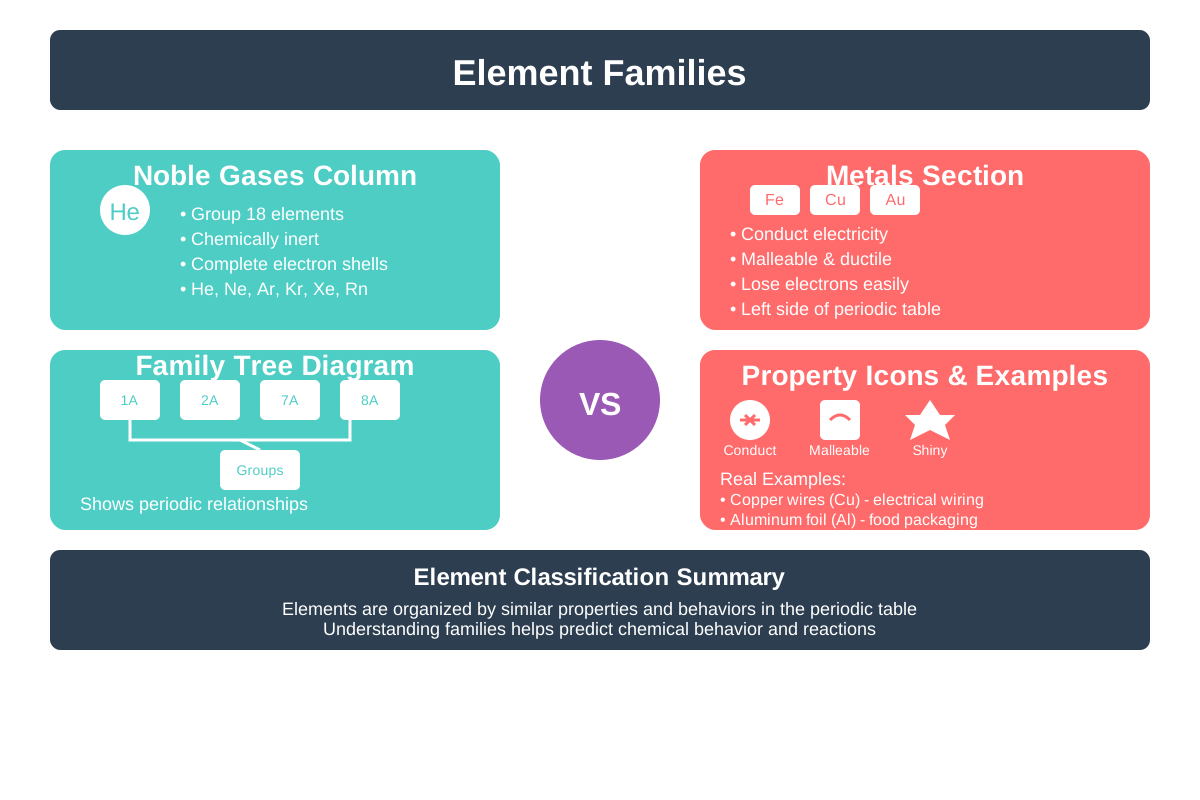
Element Families
Just like human families share traits, element families share similar properties. For example, all noble gases are super stable and don't like to react with other elements. Metals are shiny and conduct electricity well.
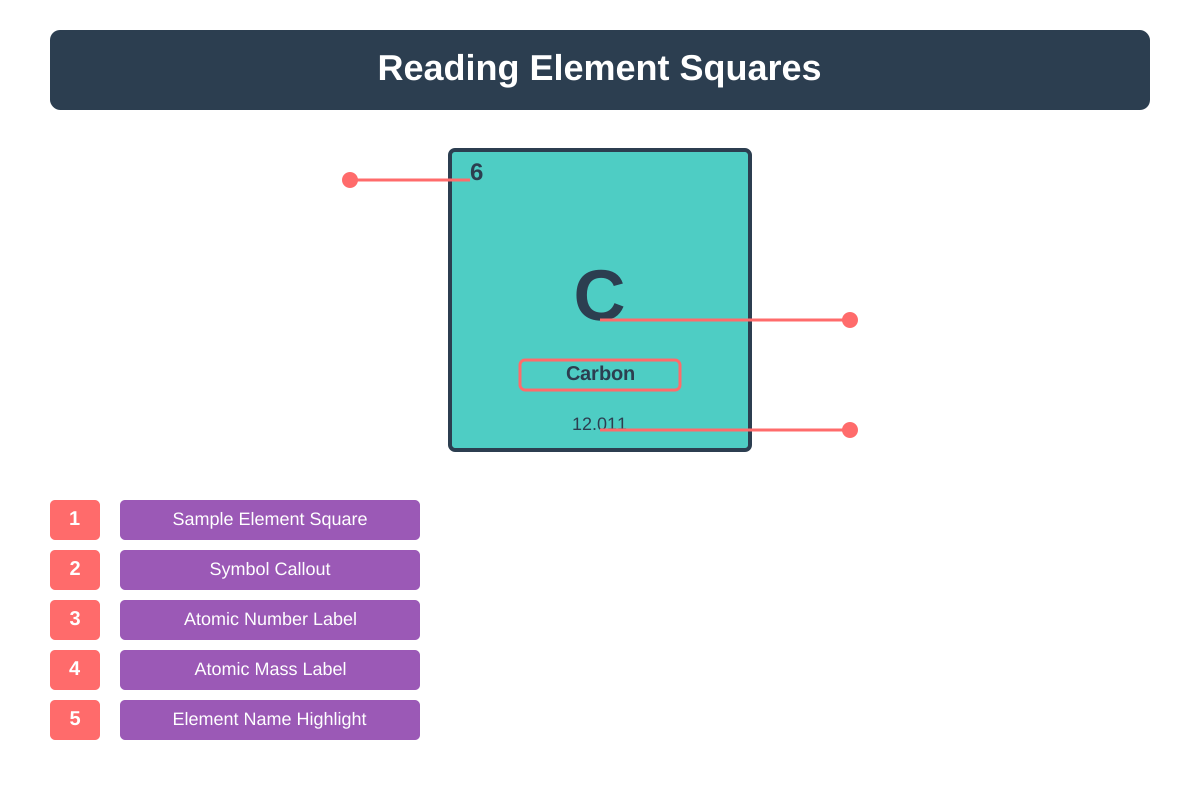
Reading Element Squares
Each element has its own square with important information. You'll see the element's symbol (like H for hydrogen), atomic number, and atomic mass. These numbers tell you exactly what makes each element unique.
Why Patterns Matter
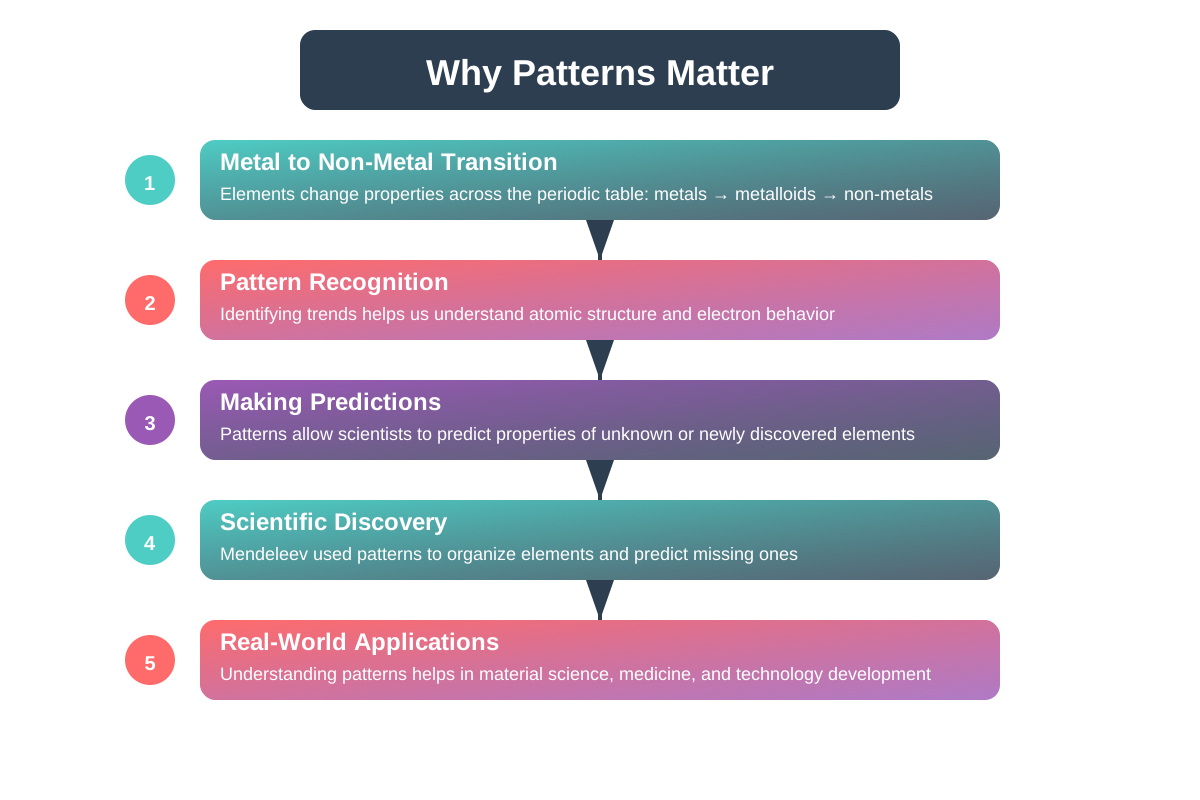
The periodic table's arrangement creates amazing patterns. As you move across rows, elements gradually change from metals to non-metals. These patterns help scientists predict how elements will behave even before they test them.
Real-World Applications
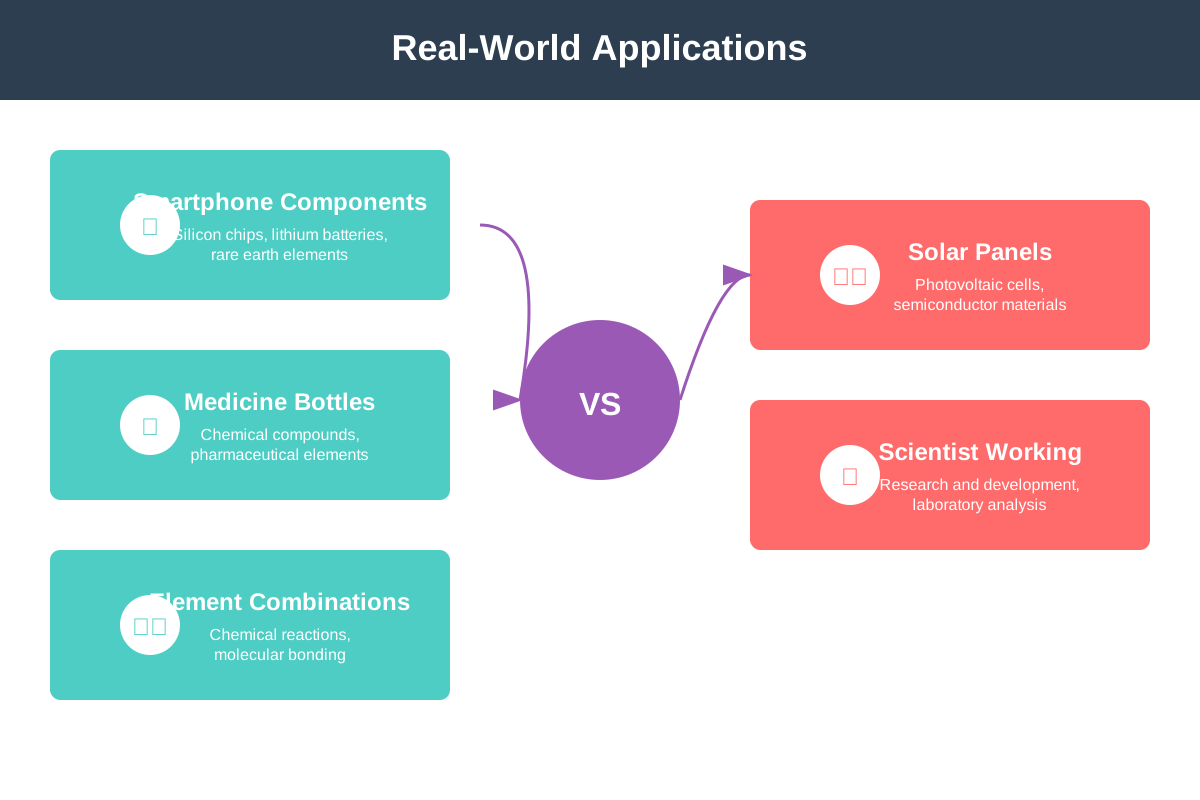
Scientists use the periodic table every day to create new materials, medicines, and technologies. By understanding element properties, they can predict which combinations will work best for specific jobs, like making stronger phone screens or better batteries.
Quick Recap ✨
- The periodic table organizes all 118+ known elements by their atomic structure and properties
- Elements in the same row or column share similar characteristics, creating predictable patterns
- This organization helps scientists understand matter and create new materials for technology and medicine