
Northern Lights: Nature's Magical Light Show Explained
Visual learning made easy - infographics and simple explanations
Imagine dancing curtains of green and purple light painting the night sky like magic!
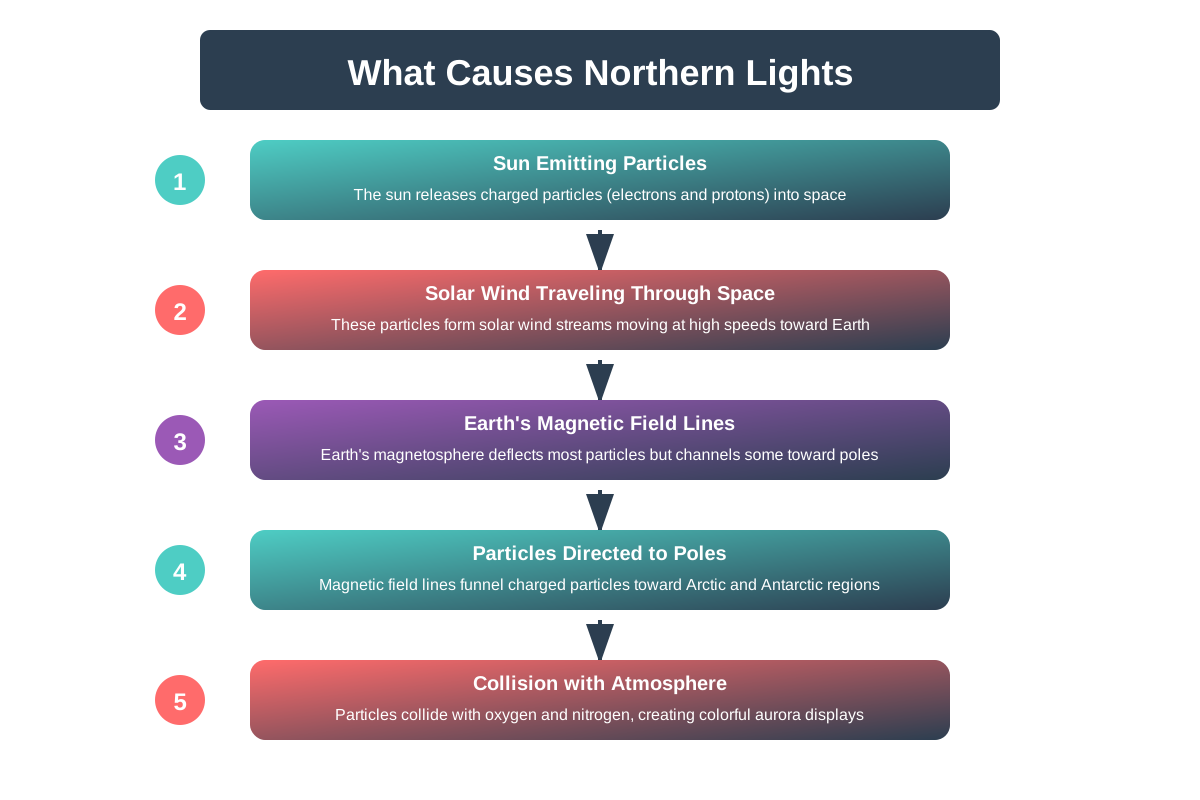
The Northern Lights, or Aurora Borealis, are spectacular light displays that happen when particles from the sun collide with Earth's atmosphere. These colorful lights dance across the sky in polar regions, creating one of nature's most amazing shows.
What Causes Northern Lights
Northern Lights start with the sun sending out tiny particles called solar wind. When these particles reach Earth, they get pulled toward the North and South poles by our planet's magnetic field. It's like invisible magnets guiding the particles to specific places.
The Collision Creates Light
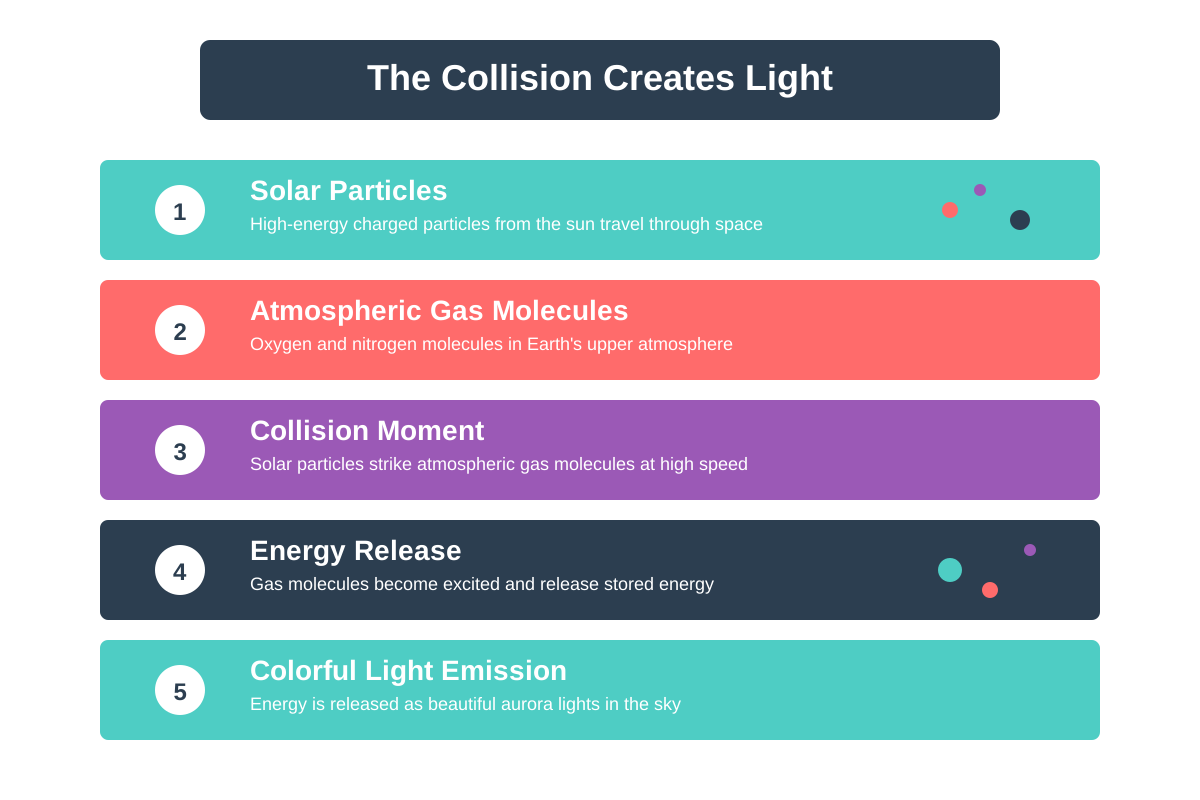
When solar particles crash into gases in Earth's atmosphere, they create light. It's similar to how a neon sign works - electricity hitting gas makes it glow. The higher up in the atmosphere this happens, the more colors we see.
Different Colors Mean Different Heights
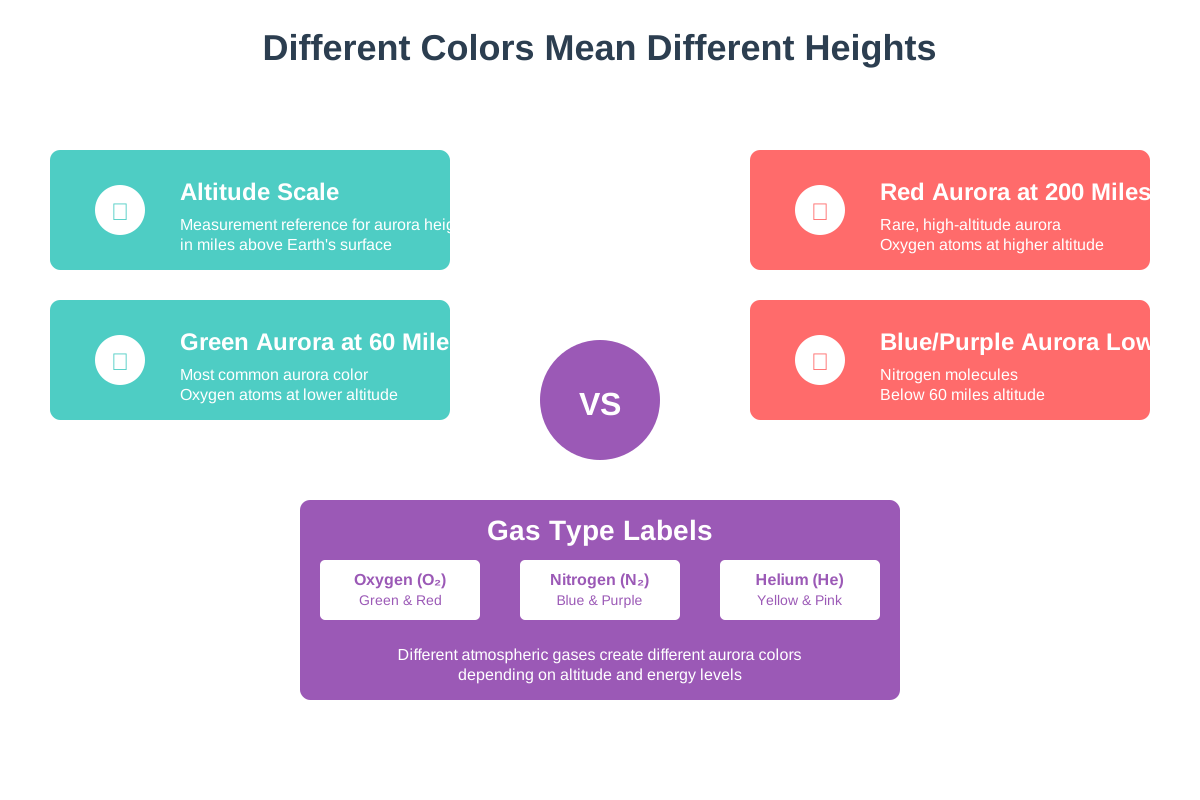
Green lights happen when particles hit oxygen about 60 miles up. Red lights occur when they hit oxygen even higher, around 200 miles up. Blue and purple come from hitting nitrogen gas at lower heights.
Why Only at the Poles
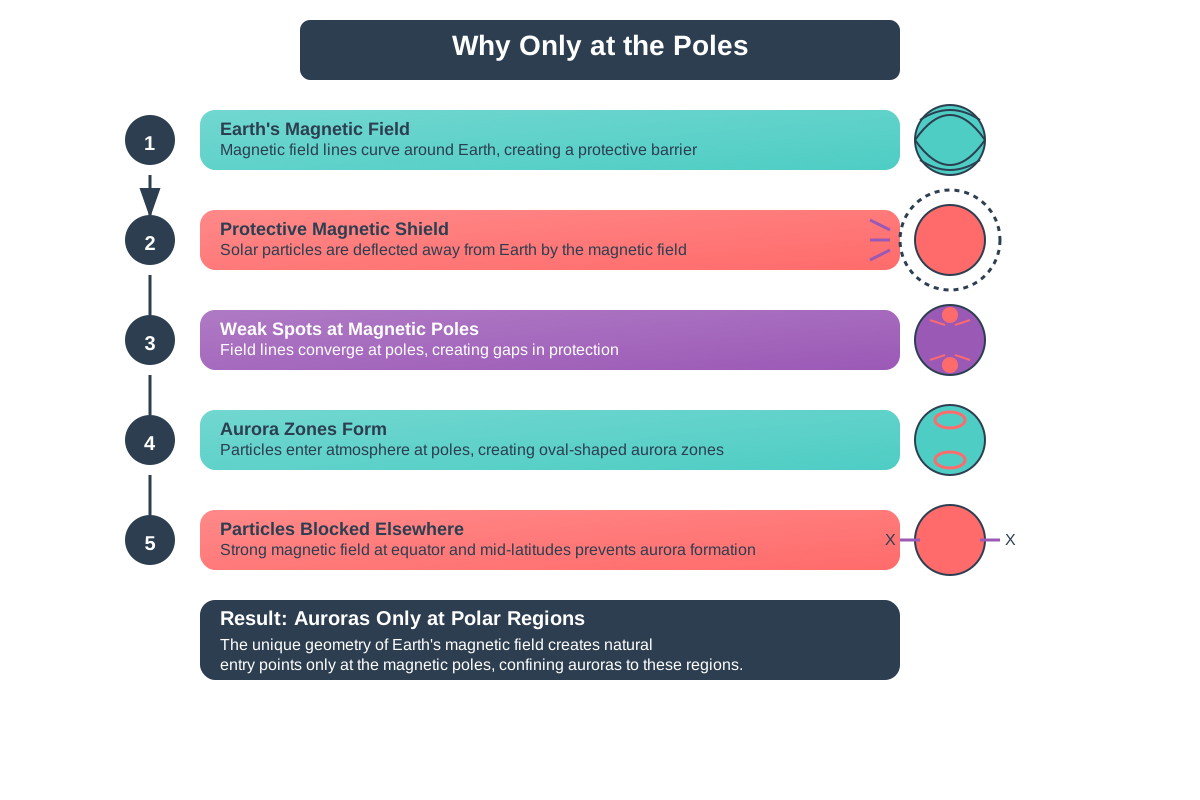
Earth's magnetic field acts like a shield, protecting us from solar particles. But this shield has weak spots at the North and South poles. That's why auroras mainly appear in places like Alaska, northern Canada, and northern Europe.
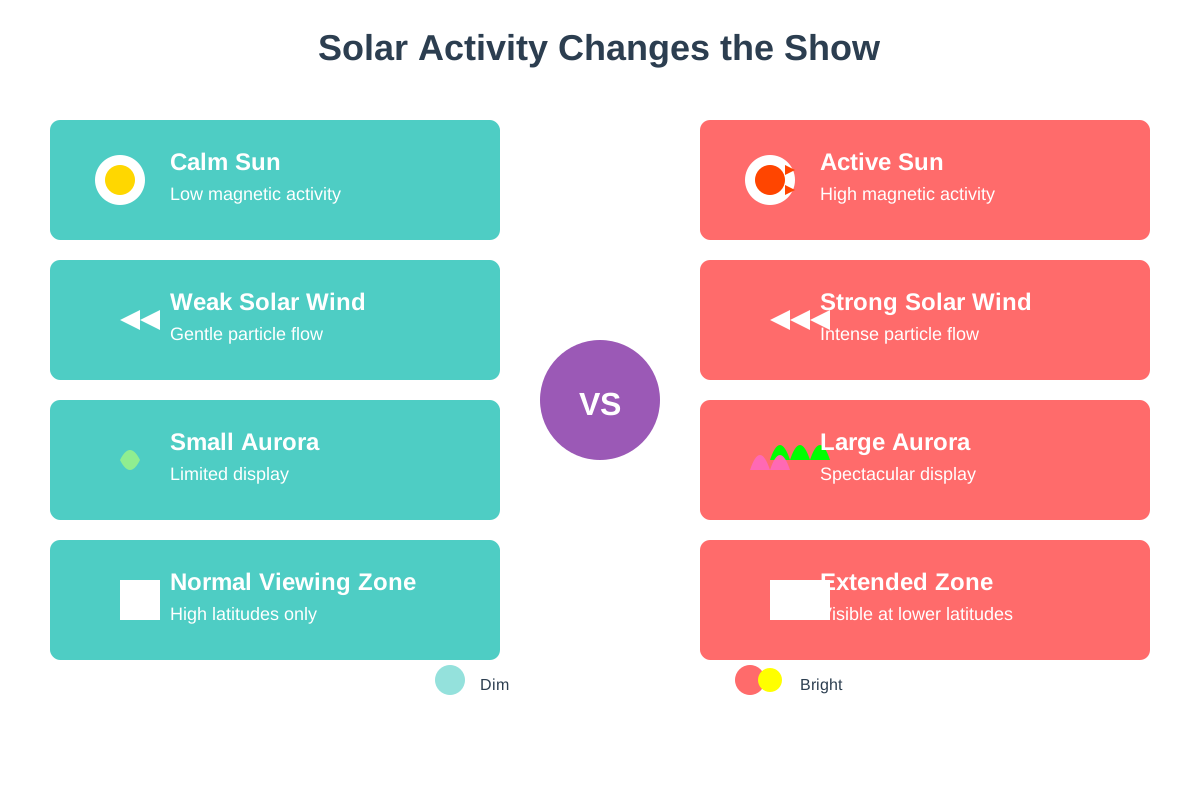
Solar Activity Changes the Show
When the sun is more active, it sends out stronger solar winds. This creates bigger, brighter, and more frequent Northern Lights. Sometimes the lights can even be seen further south than usual during these active periods.
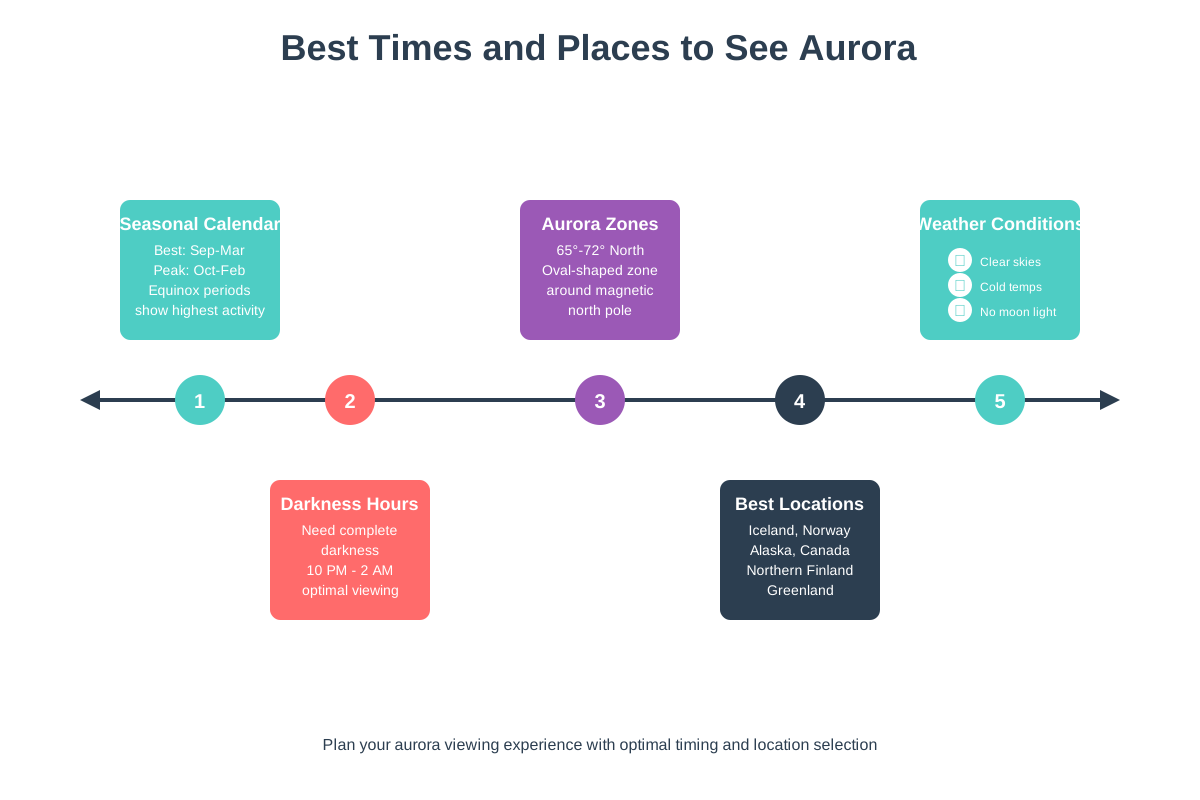
Best Times and Places to See Them
Northern Lights are best seen during winter months when nights are longest and darkest. The aurora oval around the North Pole includes Alaska, northern Canada, Greenland, and northern Scandinavia. Clear, dark skies away from city lights give the best view.
Quick Recap ✨
- Northern Lights happen when solar particles collide with gases in Earth's atmosphere, creating beautiful colored lights
- Different colors occur at different heights - green at 60 miles, red at 200 miles, and blue/purple lower down
- They appear mainly at the poles because that's where Earth's magnetic field is weakest, letting particles through