
Northern Lights: Nature's Amazing Light Show Explained!
Visual learning made easy - infographics and simple explanations
Imagine the sky dancing with green, purple, and pink curtains of light - that's the magical Aurora Borealis!
The Northern Lights are a spectacular natural phenomenon that occurs when particles from the sun collide with Earth's atmosphere. This cosmic light show creates beautiful dancing colors in the sky near the North Pole.
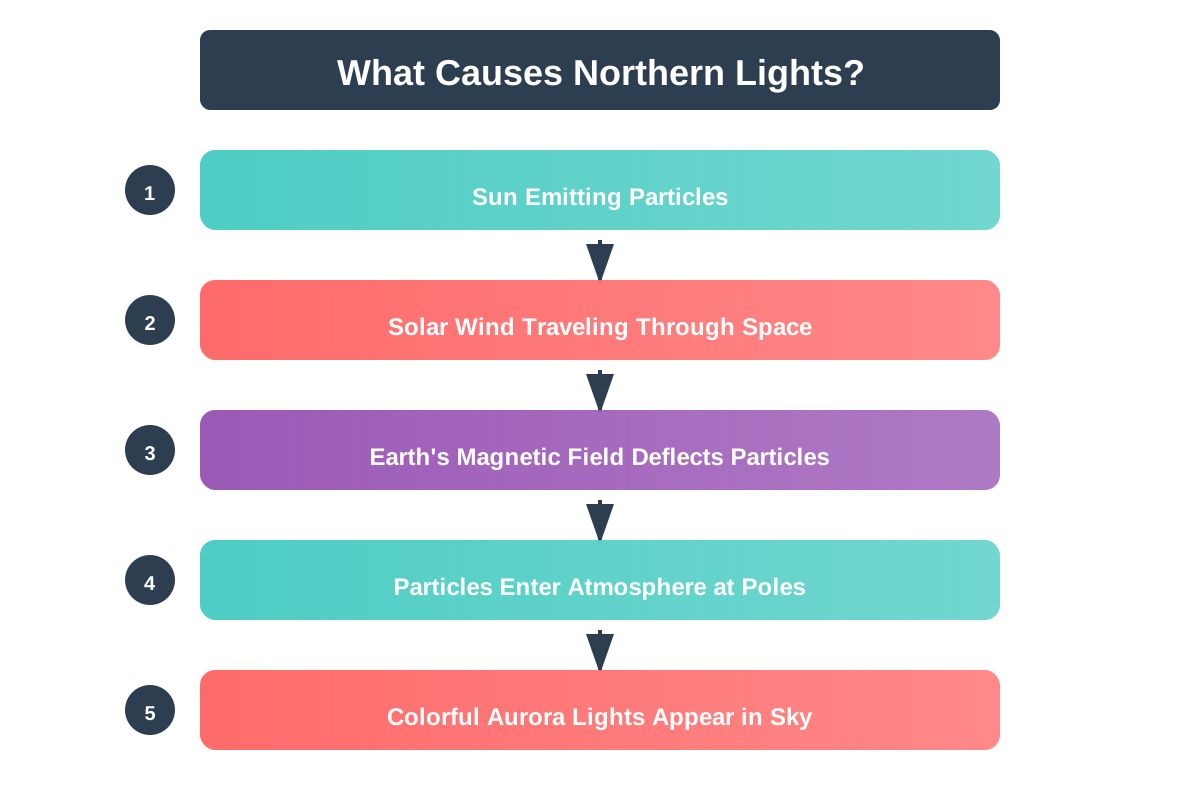
What Causes Northern Lights?
The sun constantly sends out tiny particles called solar wind into space. When these particles reach Earth, they interact with our planet's magnetic field and atmosphere. This collision creates the beautiful light display we see as the Aurora Borealis.
Earth's Magnetic Shield
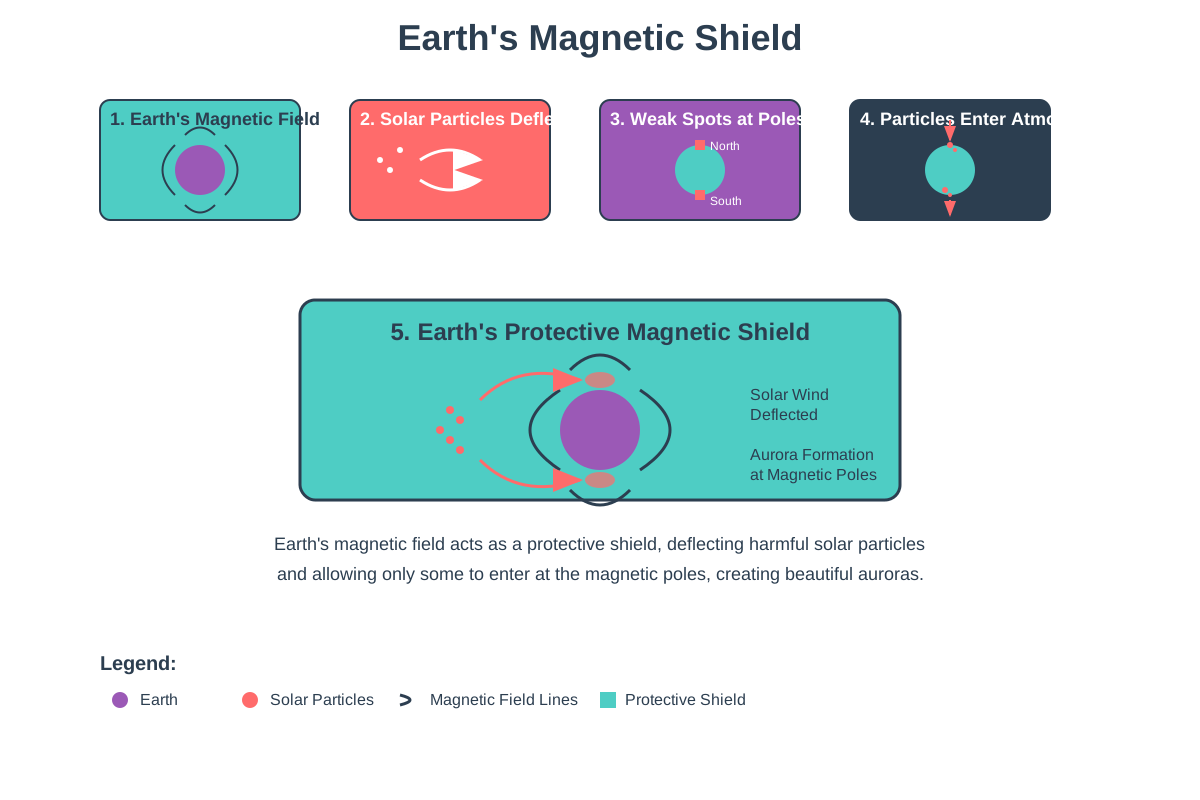
Earth has an invisible magnetic field that acts like a protective shield around our planet. This magnetic field redirects most solar particles away from Earth. However, some particles sneak through near the North and South poles where the magnetic field is weaker.
The Color Science
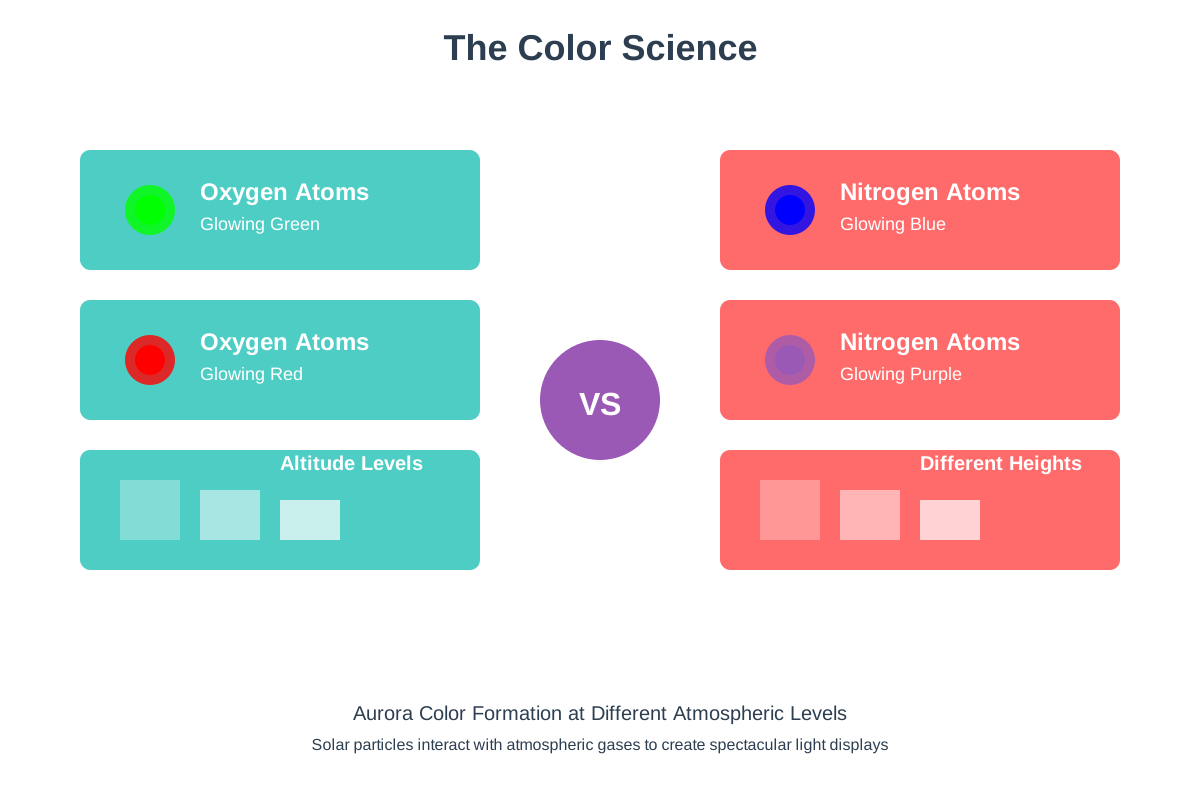
Different gases in our atmosphere create different colors when hit by solar particles. Oxygen creates green and red lights, while nitrogen produces blue and purple colors. The altitude where collisions happen also affects the colors we see.
Where Can You See Them?
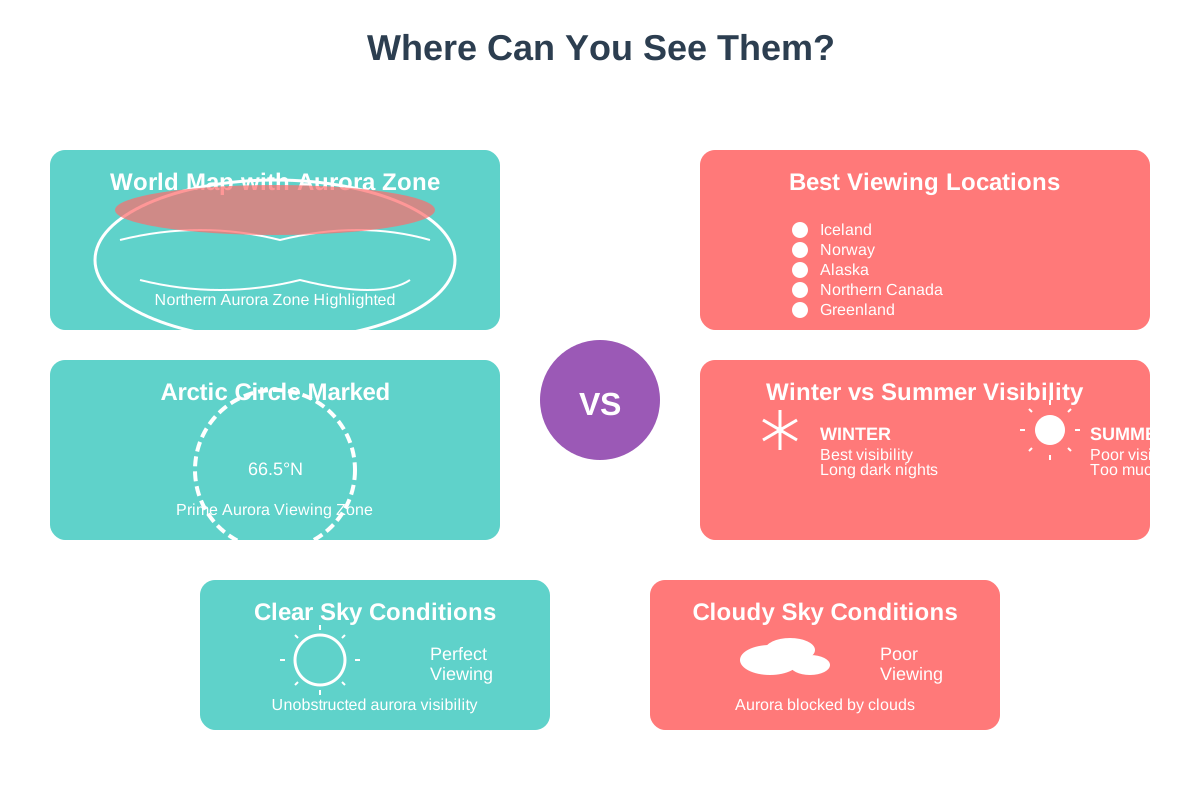
Northern Lights are most visible in the 'Aurora Zone' around the Arctic Circle. This includes northern parts of Canada, Alaska, Norway, Sweden, Finland, and Iceland. The best viewing happens during dark winter nights with clear skies.
Solar Activity Connection
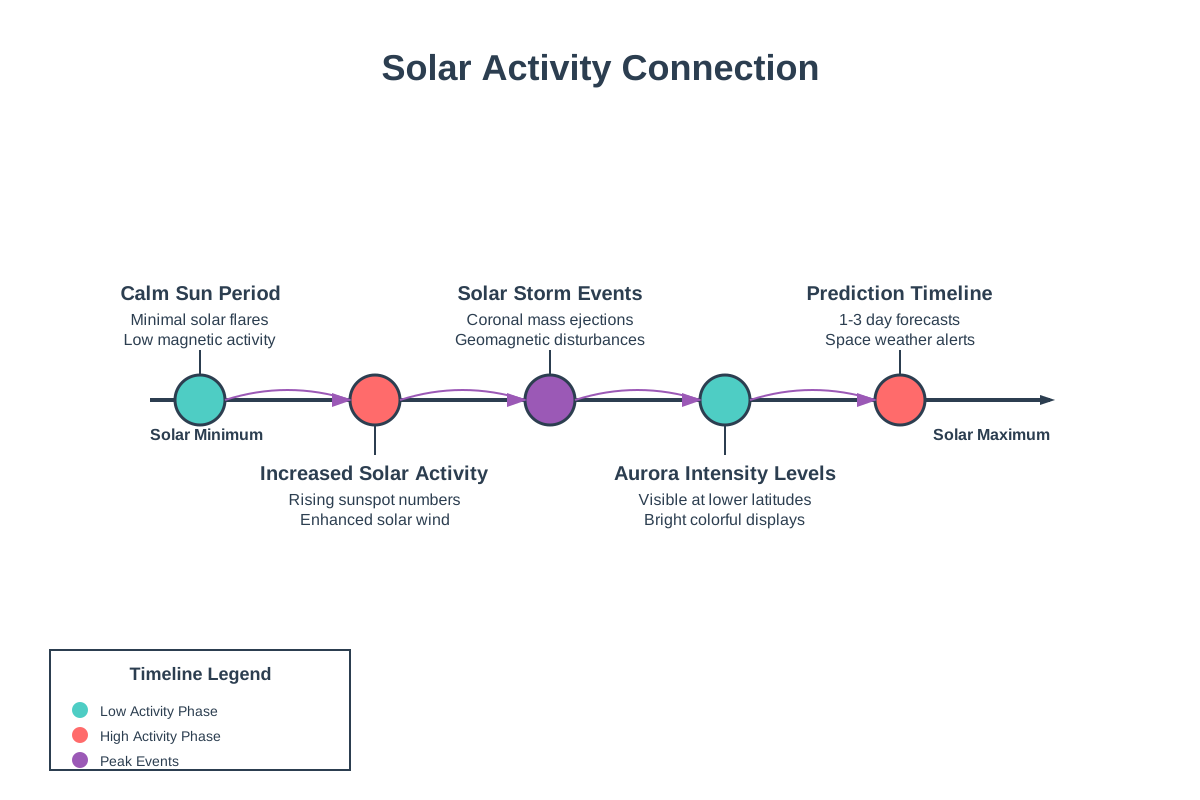
The strength and frequency of Northern Lights depend on solar activity. During solar storms or high solar wind activity, the auroras become brighter and more visible. Scientists can predict when the best aurora viewing times will occur.
Southern Lights Too!
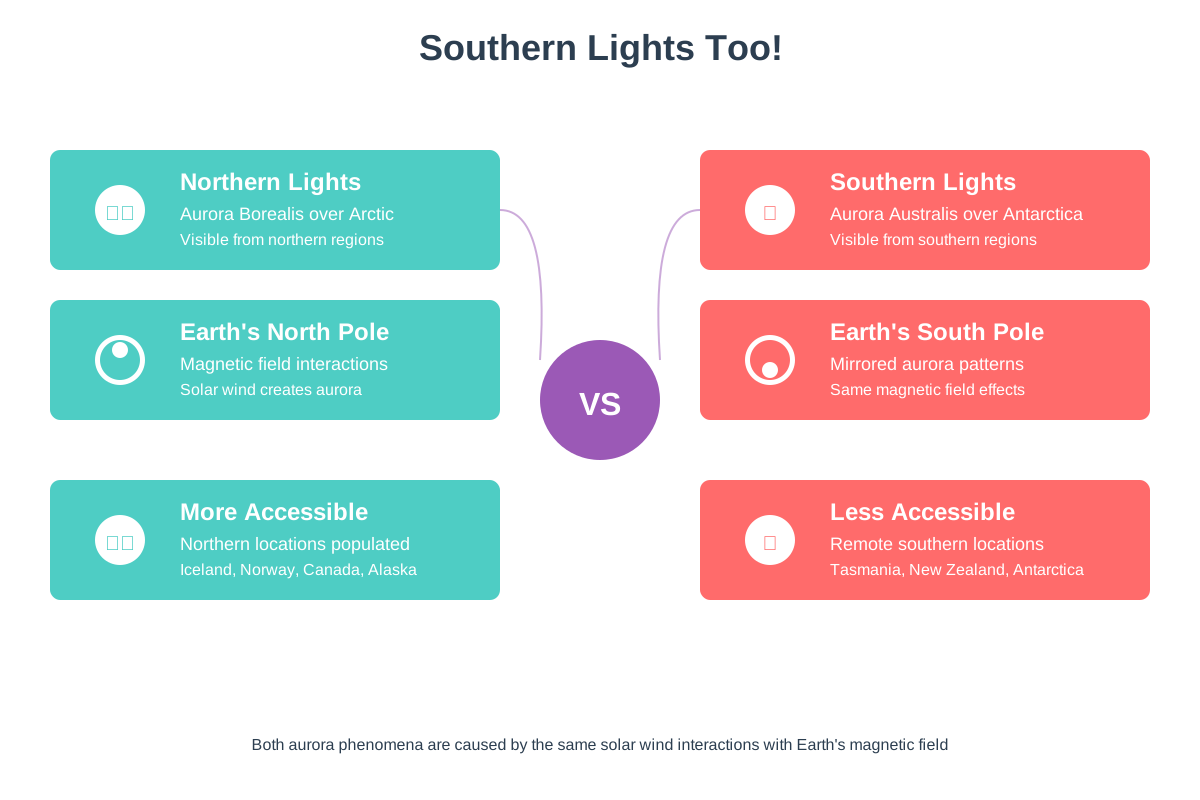
The same phenomenon happens at the South Pole, called Aurora Australis or Southern Lights. These are harder to see because the South Pole is mostly ocean and Antarctica. Both Northern and Southern auroras often mirror each other's patterns.
Quick Recap ✨
- Northern Lights happen when solar particles collide with gases in Earth's atmosphere, creating colorful dancing lights
- Different gases produce different colors - oxygen makes green and red, nitrogen creates blue and purple
- These magical light shows are best seen in the Arctic region during dark, clear winter nights