
NASA's Amazing Journey to the Stars
Visual learning made easy - infographics and simple explanations
From a small rocket launch to landing on the Moon, NASA has taken us on the most incredible adventure in human history!
Space exploration is humanity's quest to understand and explore the universe beyond Earth. NASA has led this exciting journey for over 60 years, achieving amazing feats like Moon landings and Mars rovers.
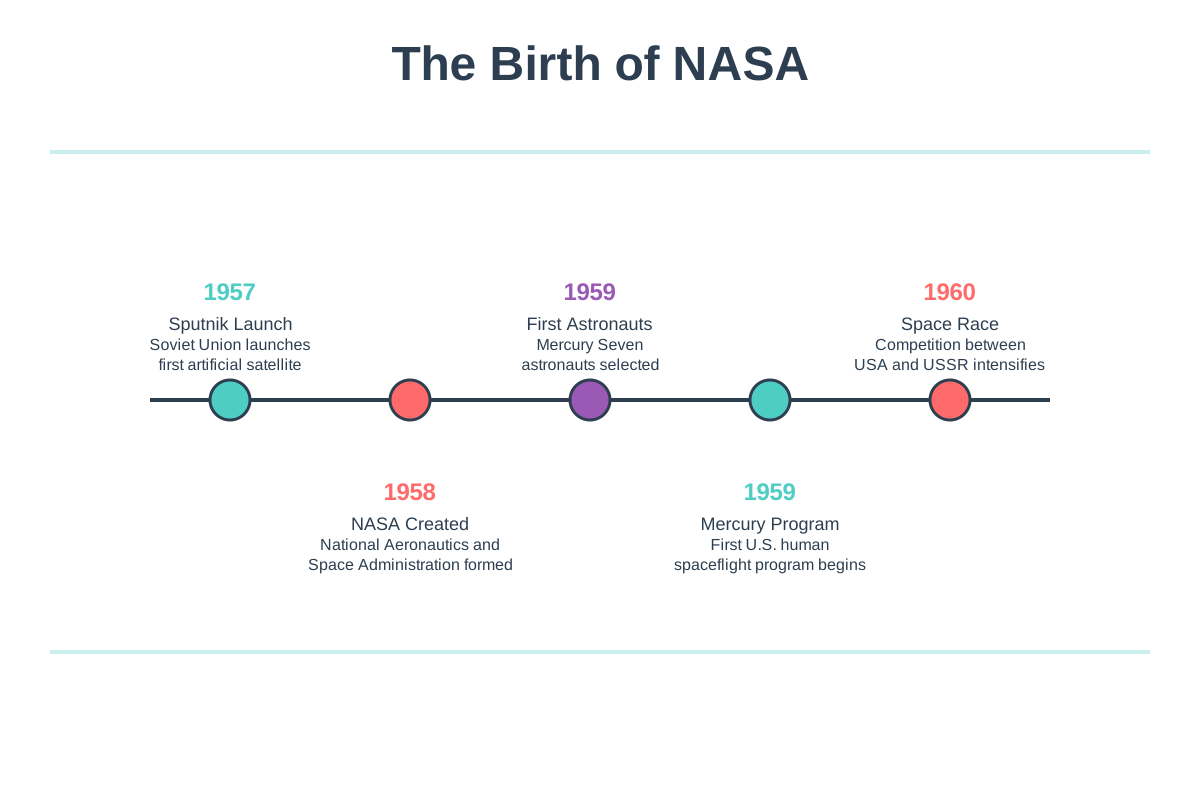
The Birth of NASA
NASA was created in 1958 when America decided to explore space seriously. It started as a response to the Soviet Union launching the first satellite, Sputnik. This marked the beginning of the exciting Space Race between two superpowers.
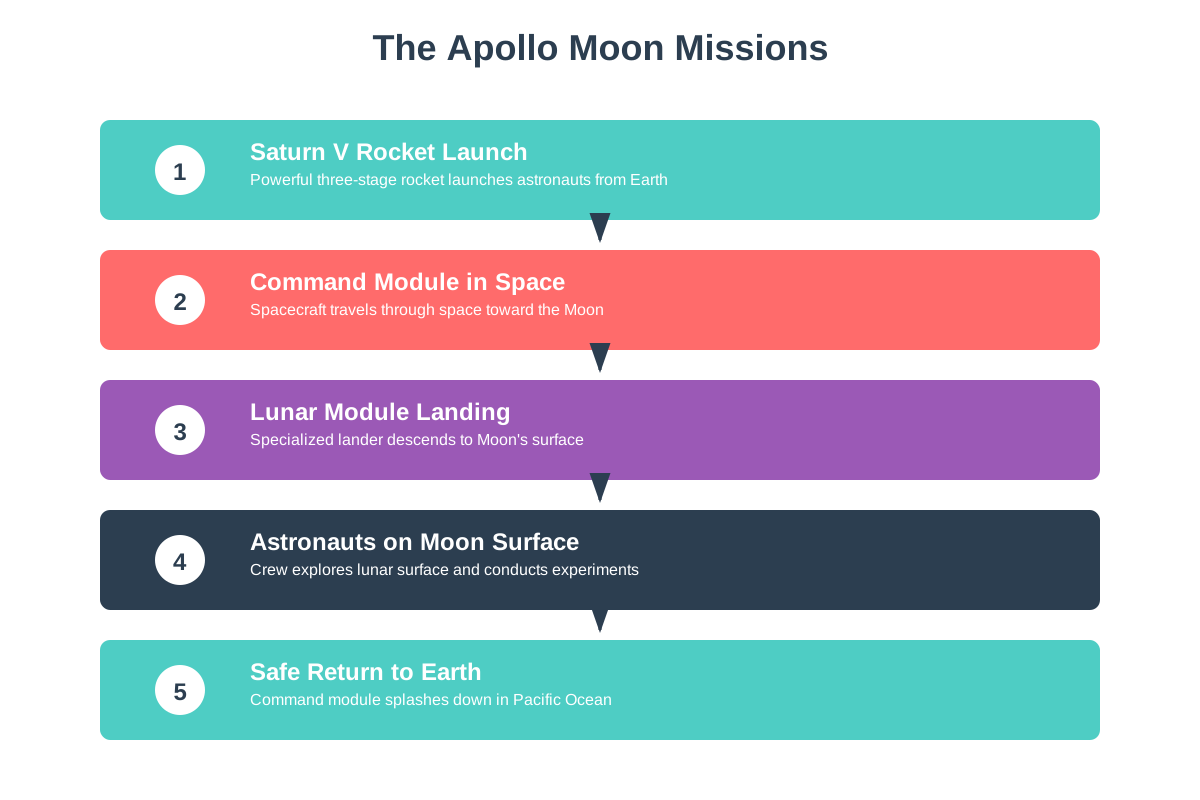
The Apollo Moon Missions
The Apollo program was NASA's most famous achievement, landing humans on the Moon six times. Neil Armstrong became the first person to walk on the Moon in 1969, saying the famous words 'That's one small step for man, one giant leap for mankind.' These missions showed that humans could travel to other worlds.
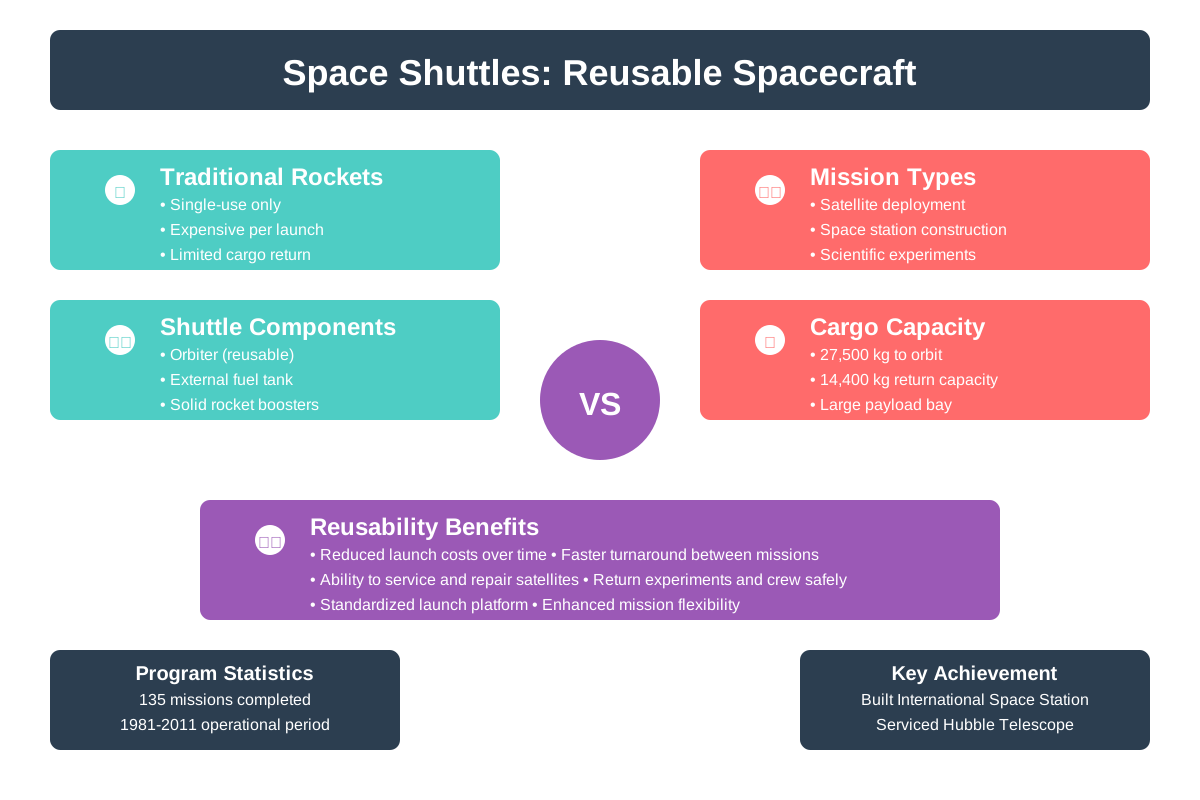
Space Shuttles: Reusable Spacecraft
The Space Shuttle program ran for 30 years, using rockets that could be used again and again. These amazing vehicles helped build the International Space Station and launched important telescopes like Hubble. The shuttles made space travel more routine and accessible.
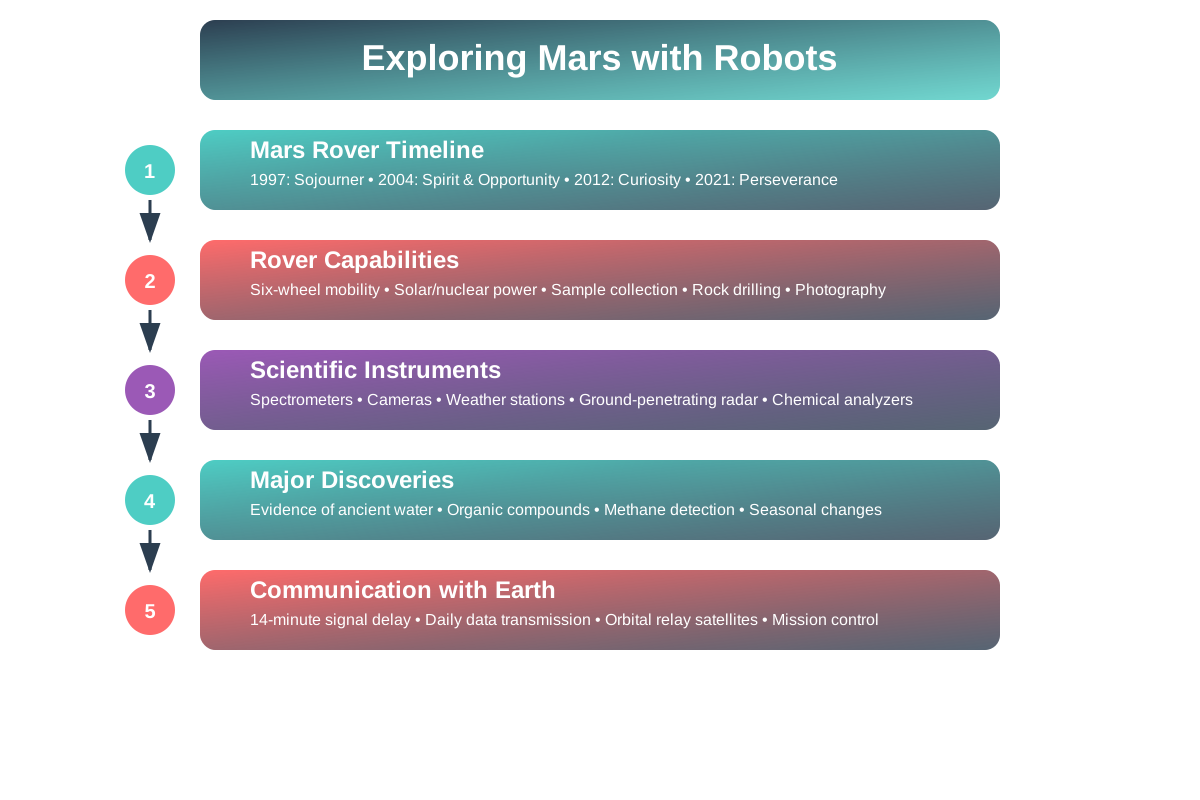
Exploring Mars with Robots
NASA has sent many robotic explorers to Mars to study the Red Planet. These rovers, like Curiosity and Perseverance, act like robot scientists, taking pictures and collecting samples. They've discovered evidence that water once flowed on Mars and continue searching for signs of ancient life.
The International Space Station
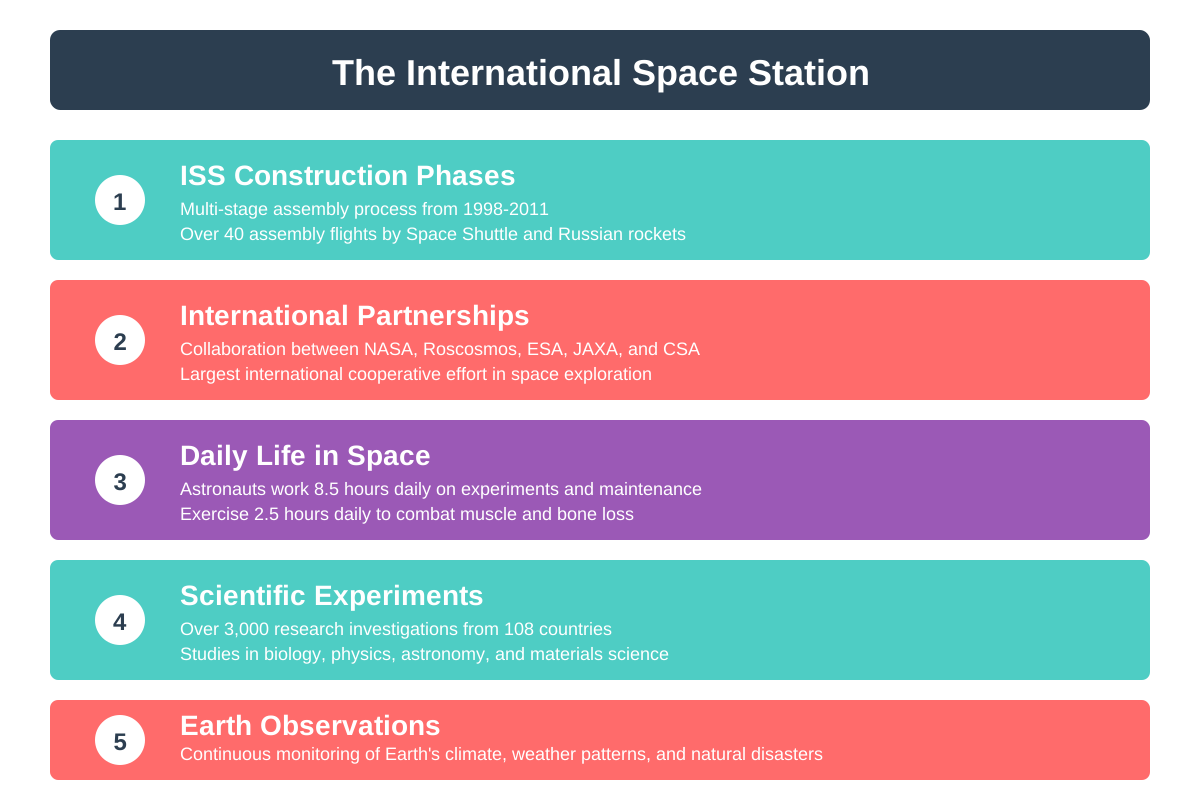
The ISS is like a floating laboratory where astronauts from different countries live and work together in space. It orbits Earth every 90 minutes and has been continuously occupied for over 20 years. Scientists conduct experiments there that help us understand how to live and work in space.
Future Space Adventures
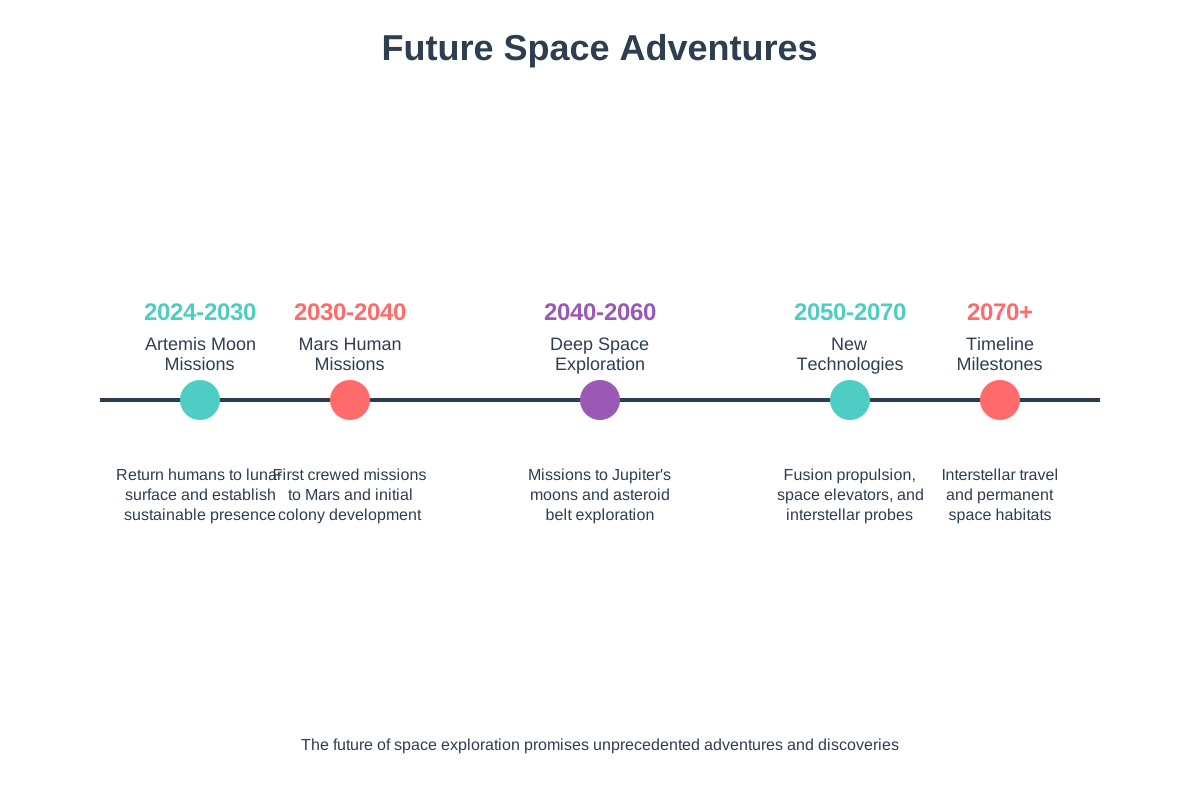
NASA is planning incredible missions for the future, including returning humans to the Moon and eventually sending people to Mars. The Artemis program aims to land the first woman on the Moon by 2026. These missions will help prepare humanity for becoming a multi-planetary species.
Quick Recap ✨
- NASA has led space exploration for over 60 years, from the Moon landings to Mars rovers
- Major achievements include Apollo missions, Space Shuttles, the International Space Station, and robotic planetary exploration
- Future missions will take humans back to the Moon and eventually to Mars, making us a multi-planetary species