
Mind-Bending Geometry: How Your Brain Tricks Your Eyes
Visual learning made easy - infographics and simple explanations
Your eyes and brain are constantly playing tricks on you - and geometry proves it!
Geometry illusions happen when our brain interprets visual information differently than what our eyes actually see. These mathematical tricks reveal how our mind processes shapes, lines, and spaces in surprising ways.
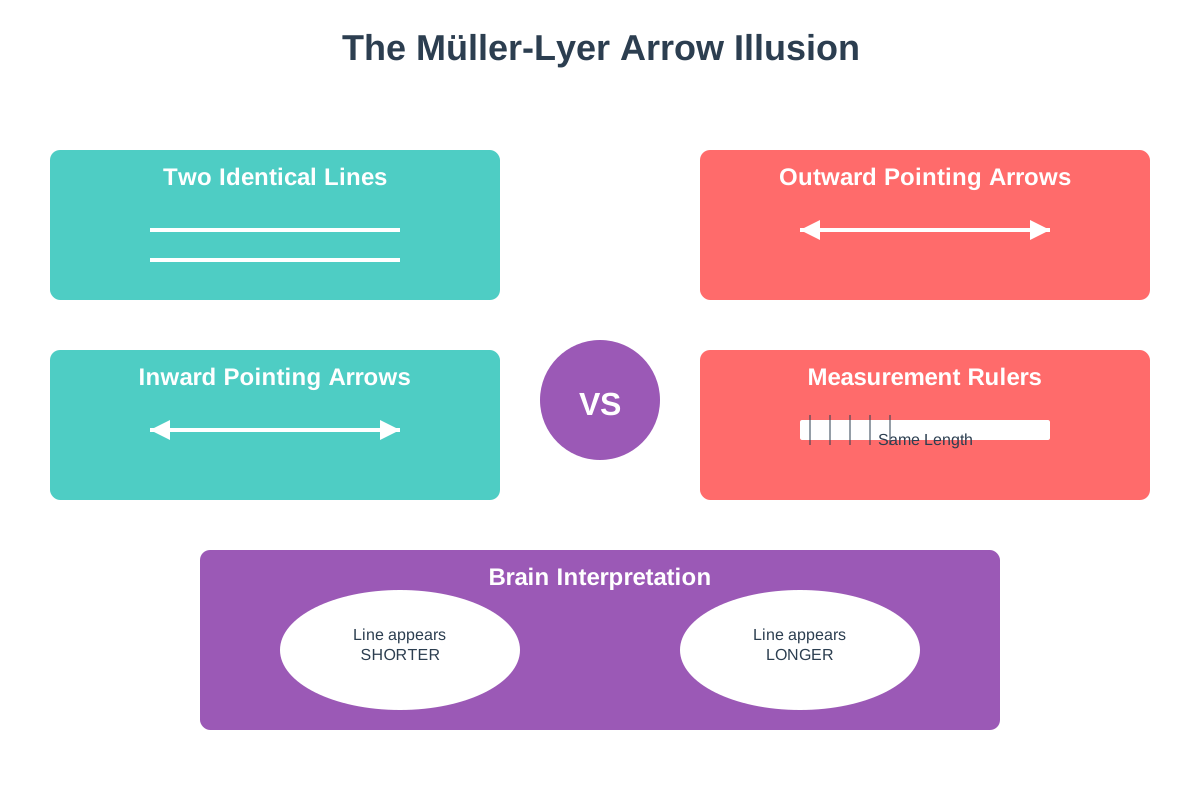
The Müller-Lyer Arrow Illusion
Two lines of equal length look different because of the arrow heads pointing in or out. Your brain thinks the line with outward arrows is longer, even though both lines are identical. This happens because your brain uses the arrows as depth cues.
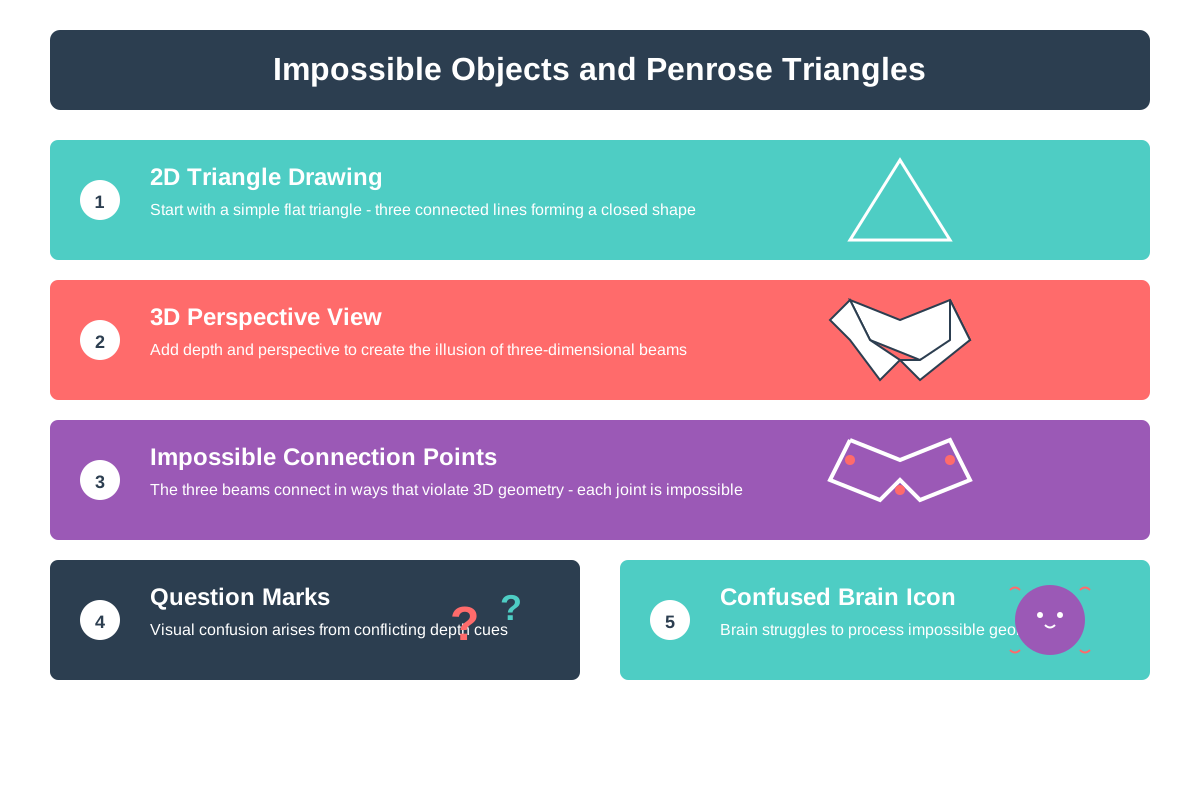
Impossible Objects and Penrose Triangles
Some shapes look perfectly normal in 2D but could never exist in real life. The Penrose triangle appears solid and complete, but each corner connects in ways that break the rules of 3D space. Your brain gets confused trying to make sense of the impossible connections.
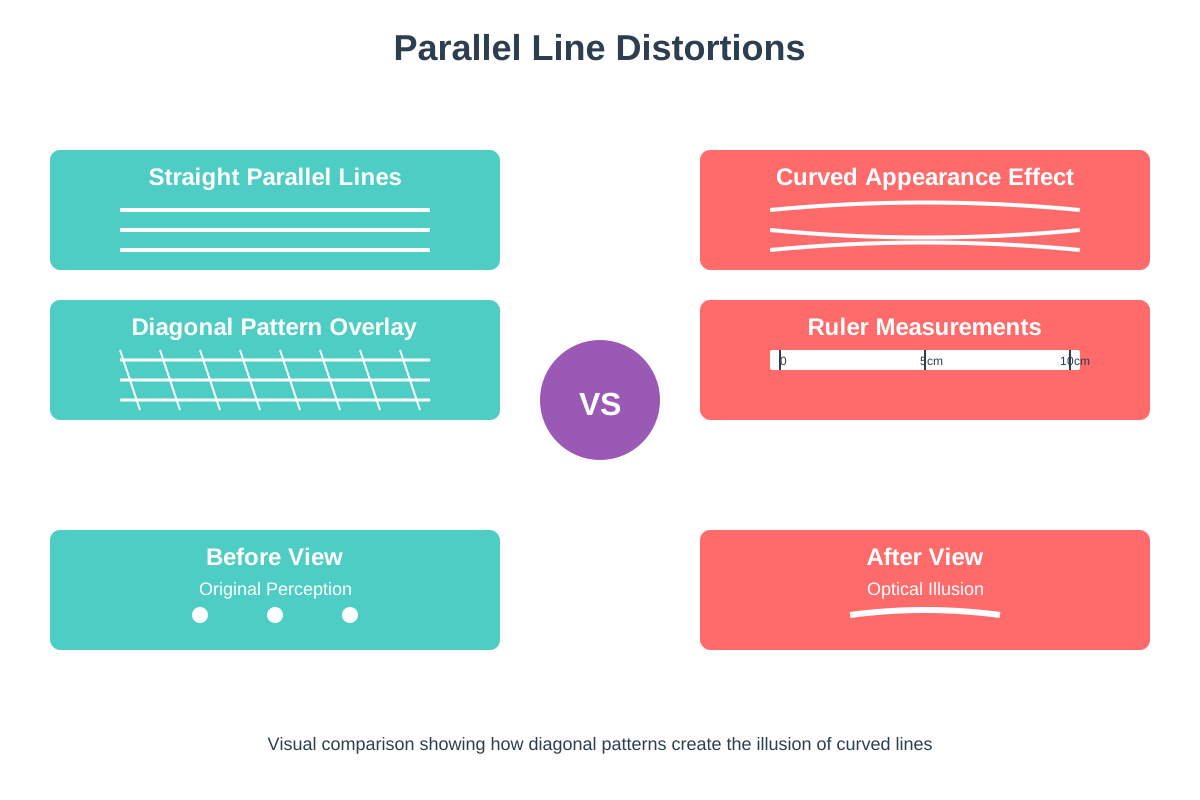
Parallel Line Distortions
Perfectly parallel lines can appear to bend, curve, or slant when other shapes surround them. Background patterns trick your brain into seeing movement or angles that aren't really there. This shows how context changes what we perceive.
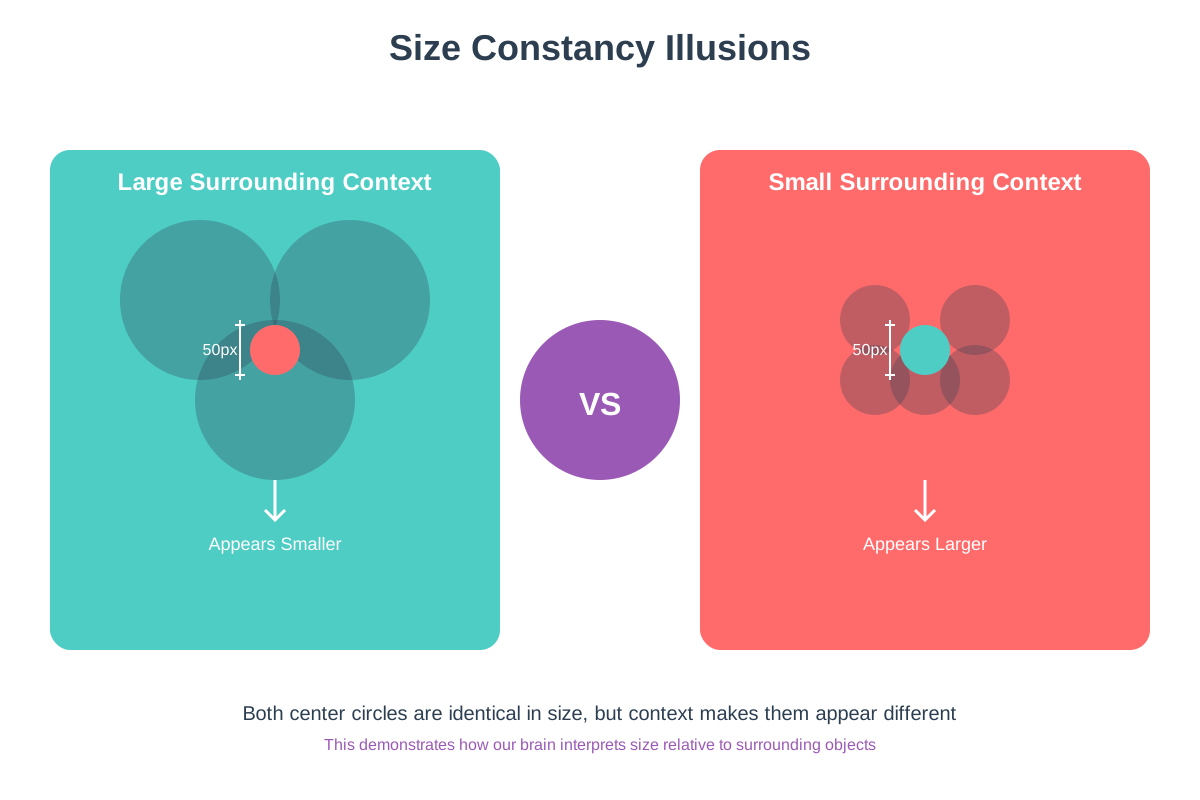
Size Constancy Illusions
Objects of the same size can look dramatically different depending on what surrounds them. A circle surrounded by large circles looks tiny, while the same circle surrounded by small circles looks huge. Your brain compares objects to their neighbors.
Motion in Still Images
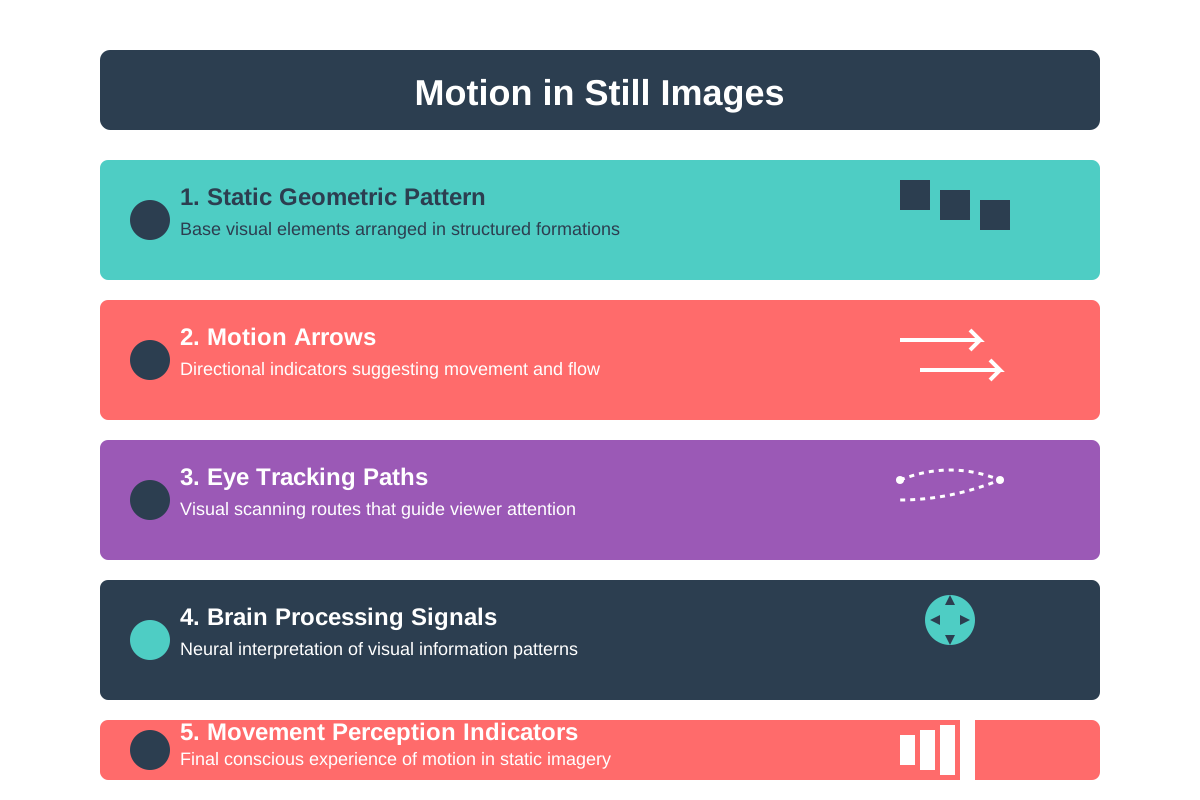
Some geometric patterns create the illusion of spinning, moving, or pulsing even though they're completely still. Repeating patterns and contrasting colors overwhelm your eye's motion detectors. This creates false signals that your brain interprets as movement.
Why Our Brain Falls for These Tricks
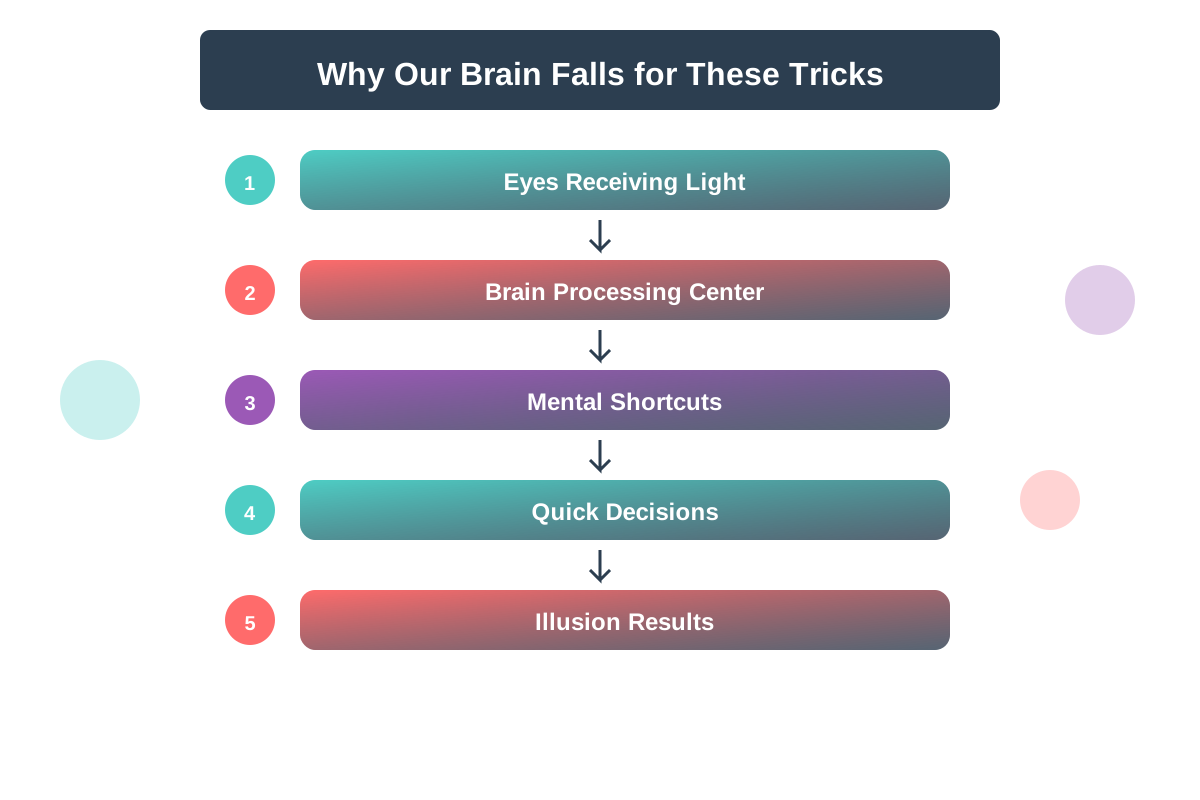
Your brain evolved to make quick decisions about depth, size, and danger in the real world. It uses shortcuts and assumptions that usually work perfectly but can be fooled by clever geometric arrangements. These illusions reveal the amazing but imperfect ways our minds process visual information.
Quick Recap ✨
- Geometry illusions happen when your brain interprets visual information differently than what your eyes actually see
- Common illusions include lines that look different lengths, impossible objects, and still images that appear to move
- These tricks work because our brain uses shortcuts and assumptions that usually help us but can sometimes be fooled