
Markov Chains: How Markets Remember Without Memory
Visual learning made easy - infographics and simple explanations
Markets can predict patterns while completely forgetting the past - here's how this magical memory trick works!
Markov chains are mathematical models that predict what happens next based only on the current situation, not the entire history. In financial markets, they help explain why certain patterns repeat even though each moment is 'memoryless.'
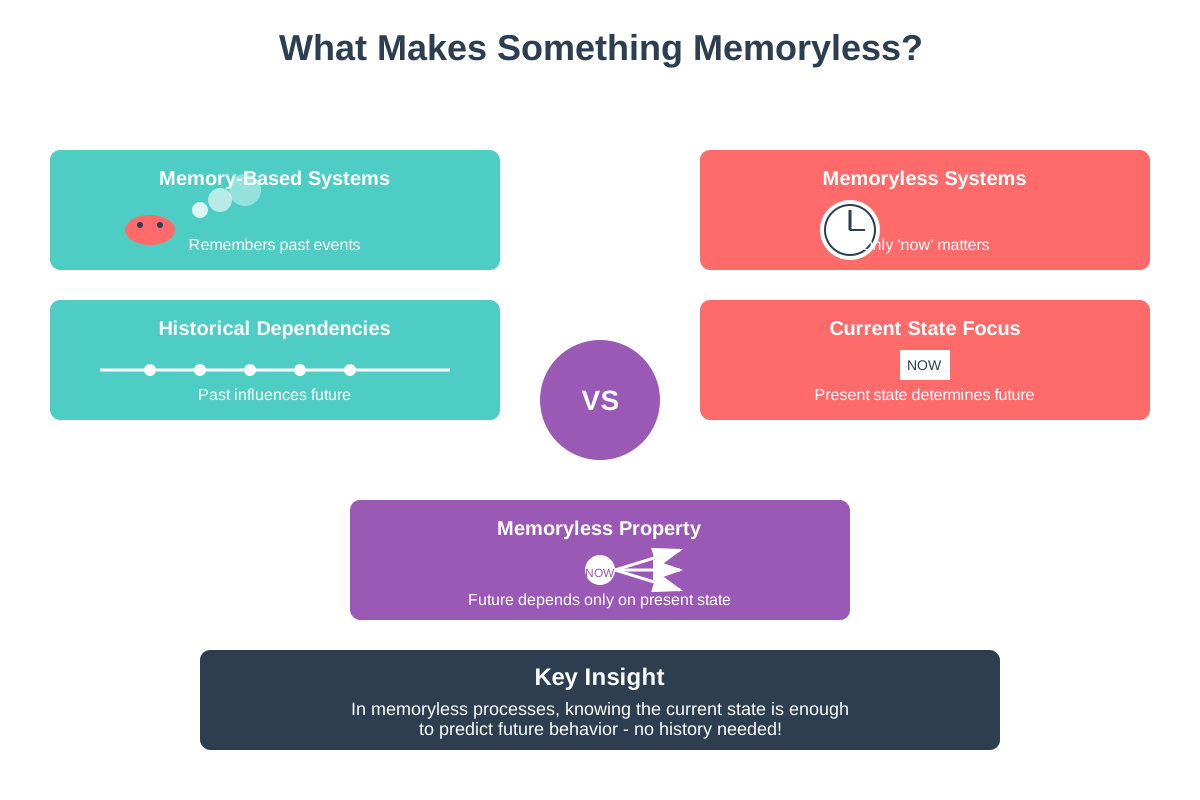
What Makes Something Memoryless?
A memoryless system only cares about right now, not what happened before. It's like a goldfish that forgets everything every few seconds but still knows how to swim. Each decision depends only on the current state, not the journey that led there.
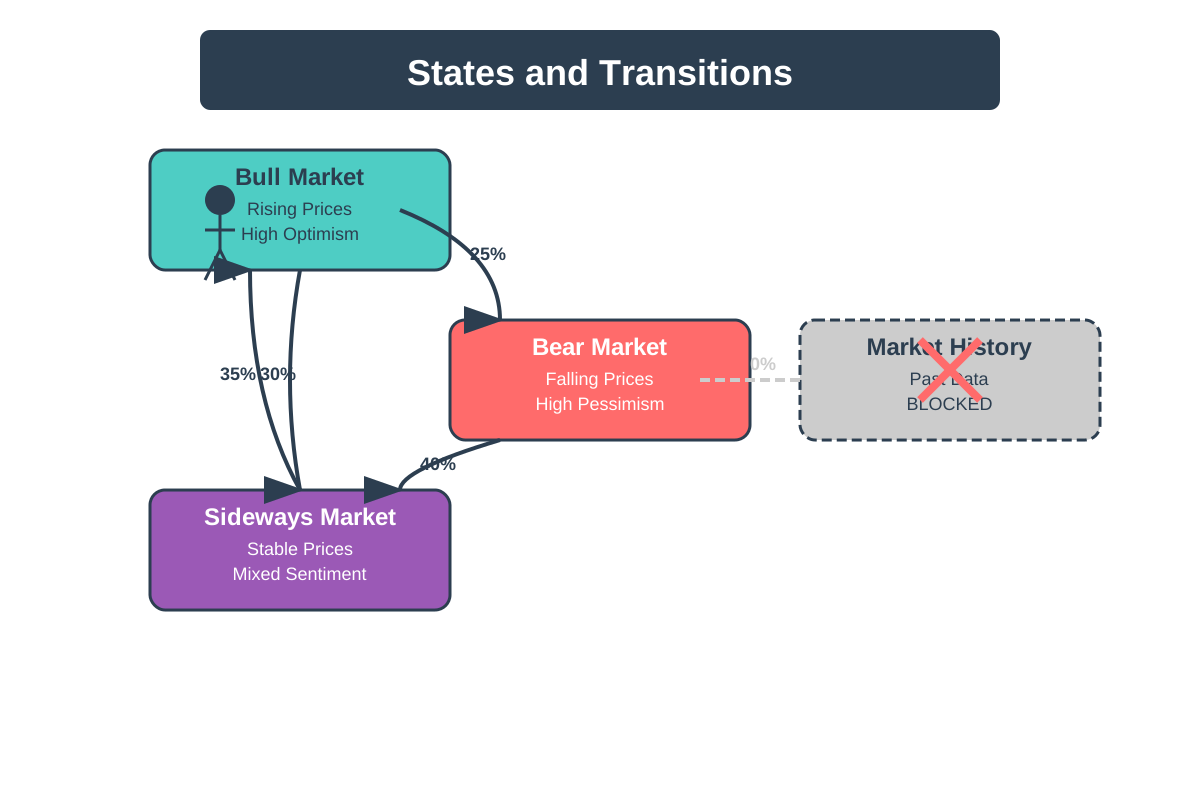
States and Transitions
Think of market conditions as different rooms in a house - bull market, bear market, or sideways market. A Markov chain shows the probability of moving from one room to another. You can only move based on which room you're in now, not how you got there.
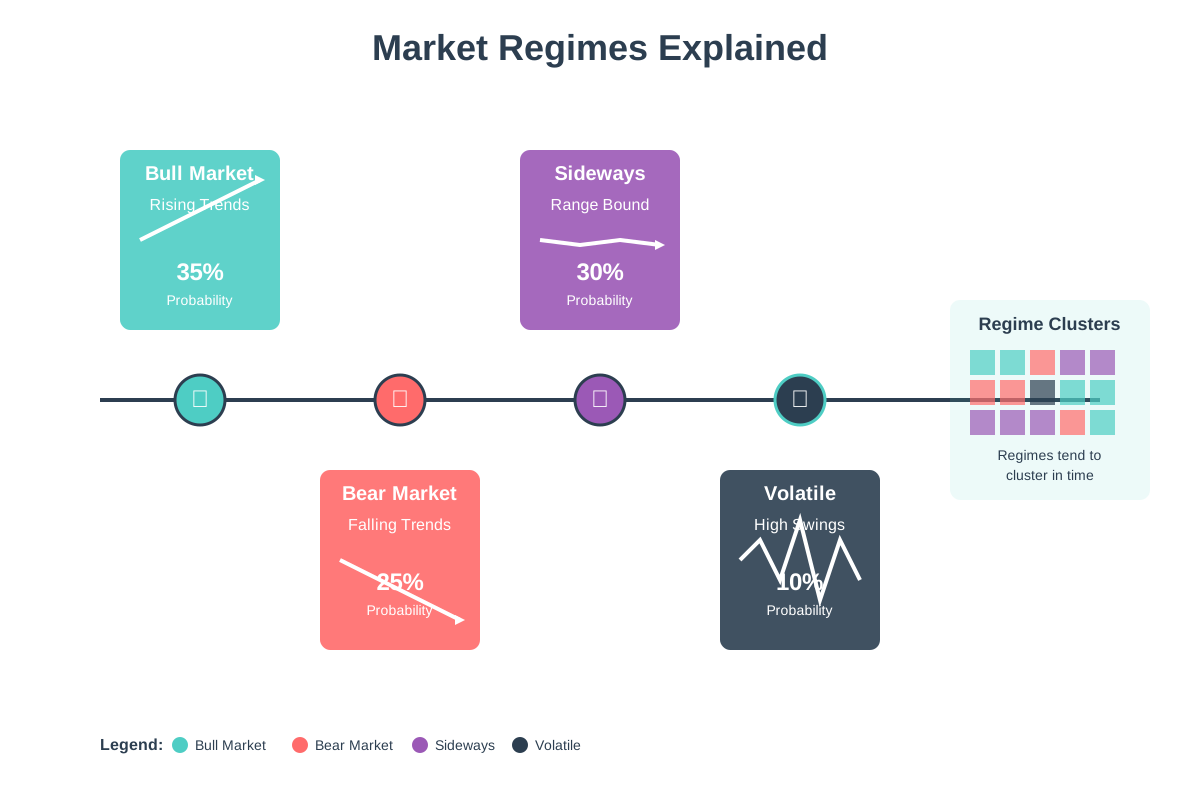
Market Regimes Explained
Markets tend to stay in similar patterns for a while - like how rainy days often come in clusters. Even though each day is independent, the current weather affects tomorrow's chances. This creates 'regimes' or periods where certain behaviors persist.
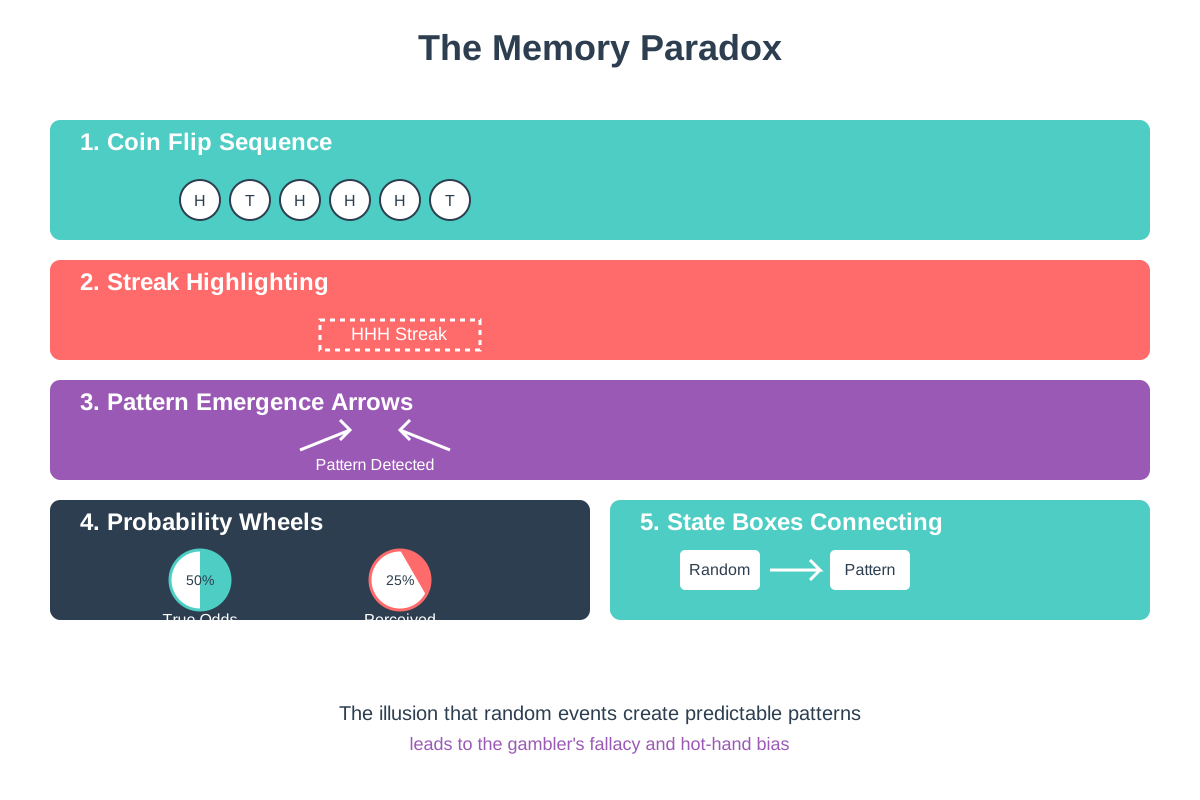
The Memory Paradox
Here's the cool part: by being memoryless, markets actually create memory-like patterns. It's like how a coin flip doesn't remember previous flips, but streaks of heads or tails still happen naturally. The current state carries forward the 'essence' of what came before.
Predicting the Unpredictable
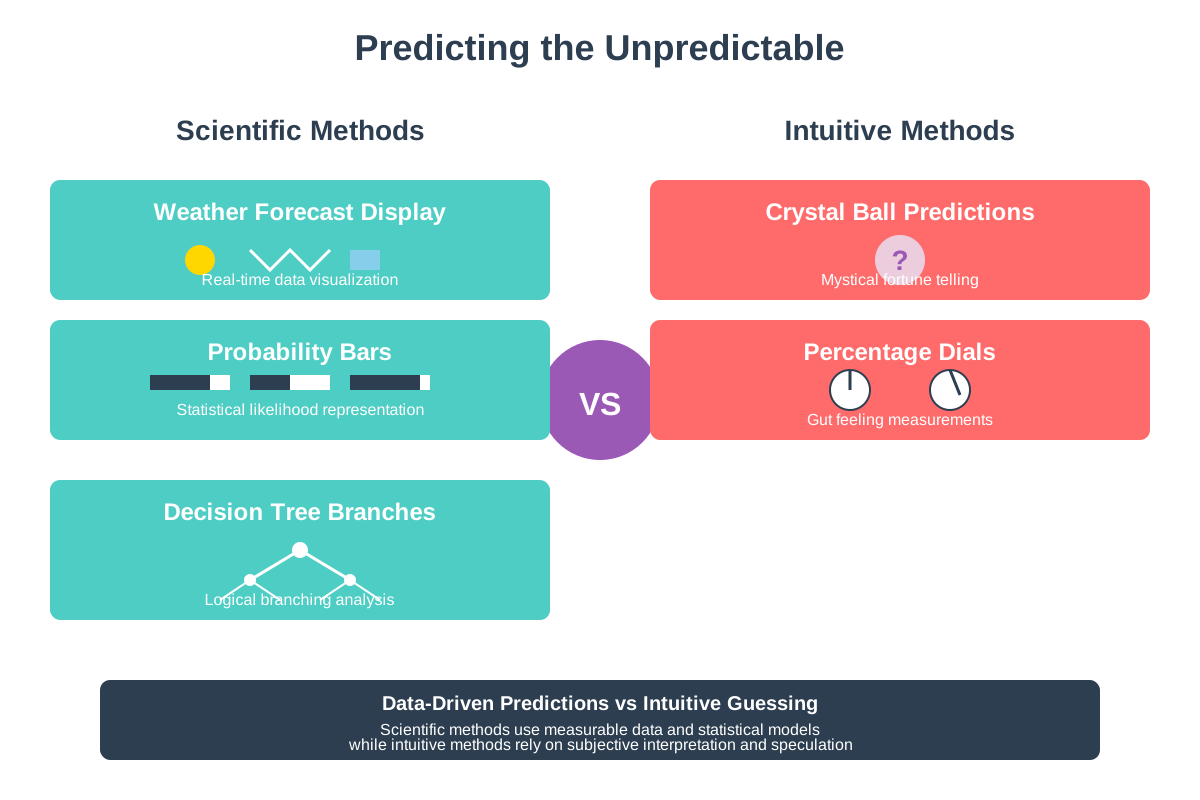
Markov chains don't tell us exactly what will happen, but they give us the odds. It's like a weather forecast that says '70% chance of rain' - not perfect, but better than guessing. Markets use these probabilities to make smarter decisions.
Real-World Applications
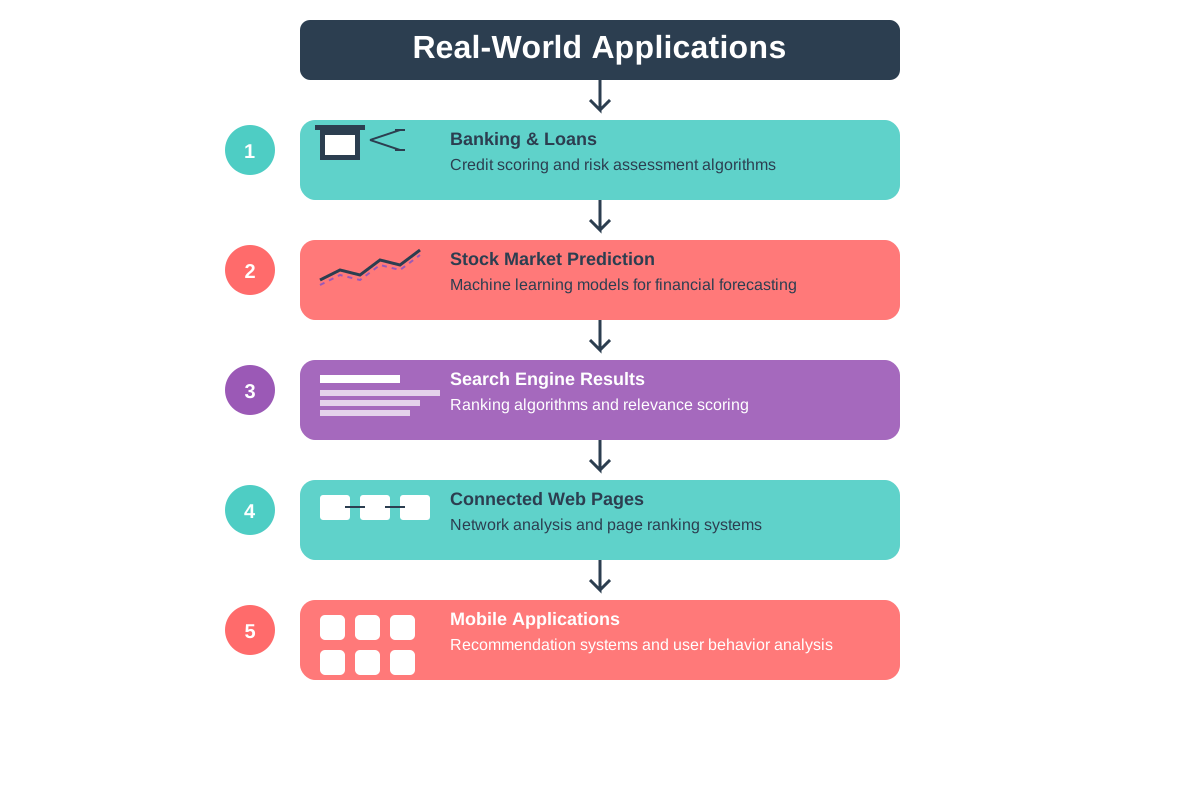
Banks use Markov chains to predict if customers will pay back loans. Stock traders use them to spot when markets might change direction. Even Google's original search algorithm used similar ideas to rank web pages by importance.
Quick Recap ✨
- Markov chains predict the future using only the present moment, creating patterns without memory
- Markets naturally form regimes where similar conditions tend to persist for periods of time
- This 'memoryless memory' helps explain market behavior and improves financial predictions