
Keto Diet: The Fat-Burning Science Explained
Visual learning made easy - infographics and simple explanations
What if eating more fat could actually help you lose weight faster?
The ketogenic diet works by changing your body's fuel source from sugar to fat. When you eat very few carbs and more healthy fats, your body enters a special fat-burning mode called ketosis.
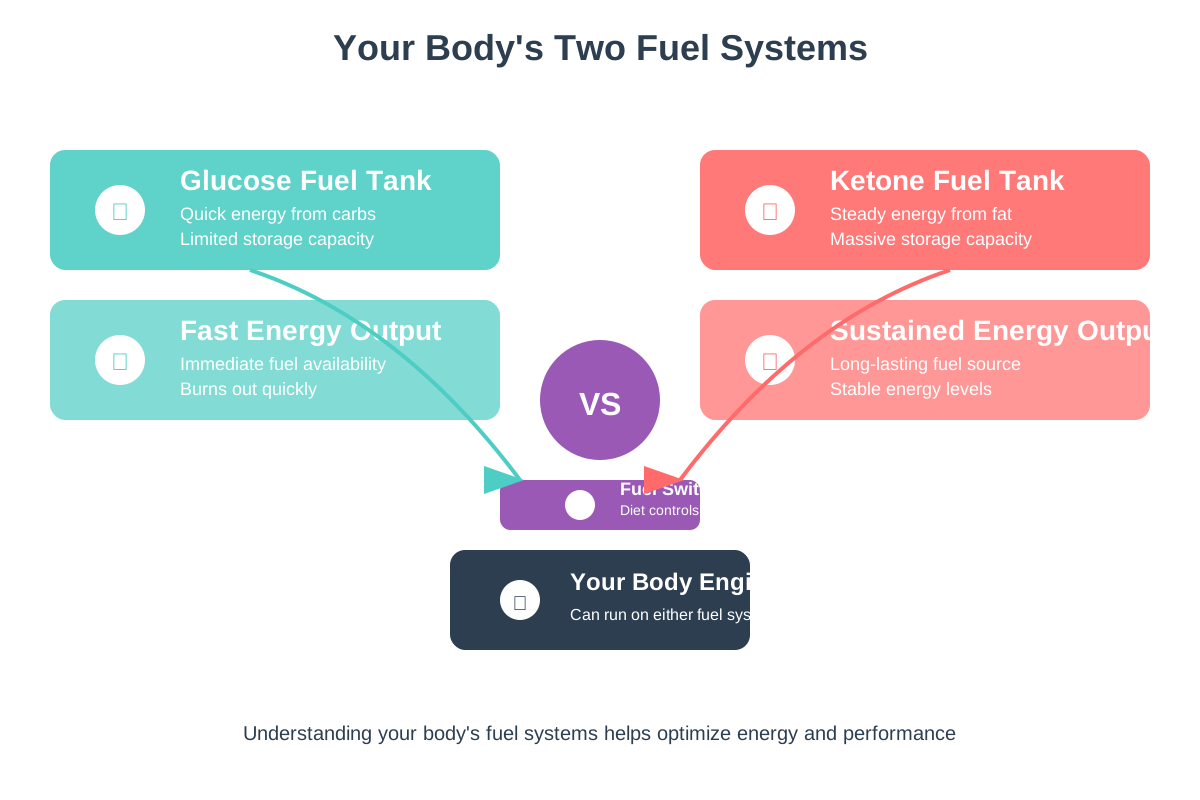
Your Body's Two Fuel Systems
Your body can run on two different fuels: glucose (sugar) from carbs or ketones (from fat). Most people only use the sugar system. Keto teaches your body to switch to the fat-burning system instead.
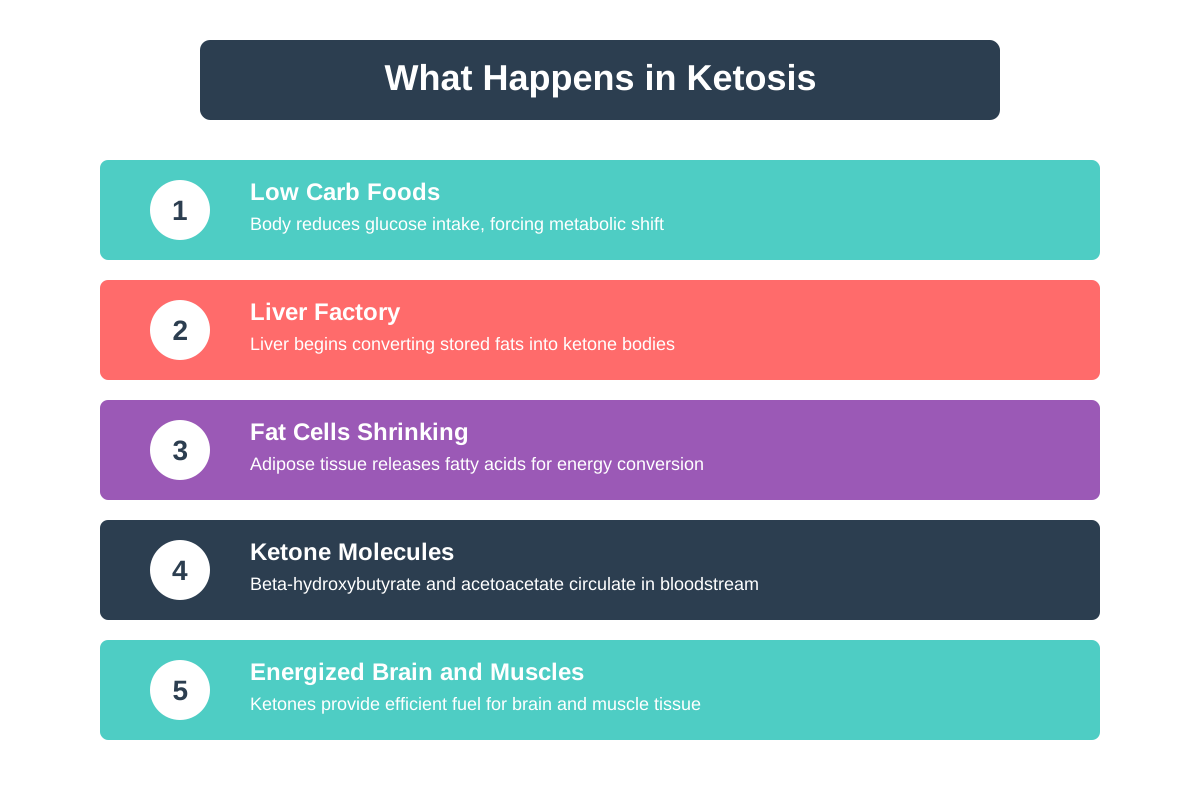
What Happens in Ketosis
When you eat very few carbs (under 50g per day), your liver starts making ketones from stored fat. This process is called ketosis. Your brain and muscles can use these ketones for energy instead of sugar.
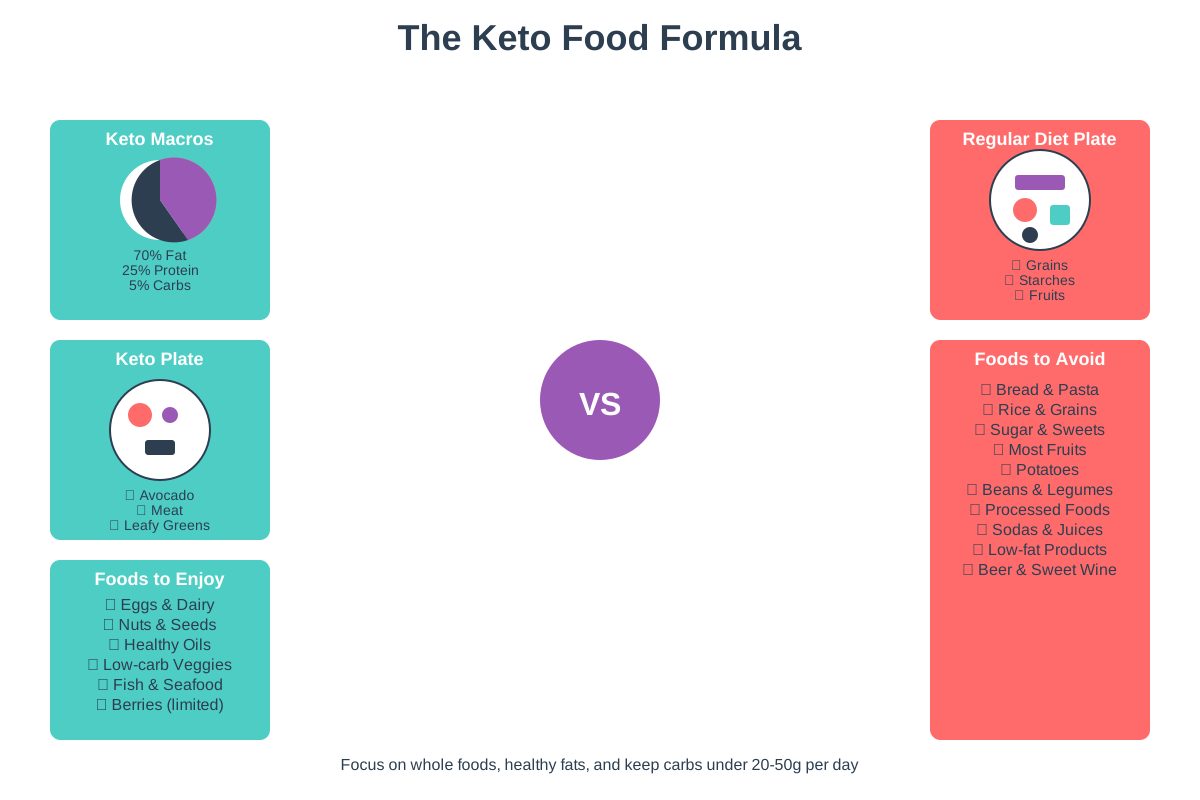
The Keto Food Formula
A typical keto diet is 70% healthy fats, 25% protein, and only 5% carbs. This means lots of avocados, nuts, and olive oil, but very little bread, pasta, or sugar. Your plate looks completely different from normal diets.
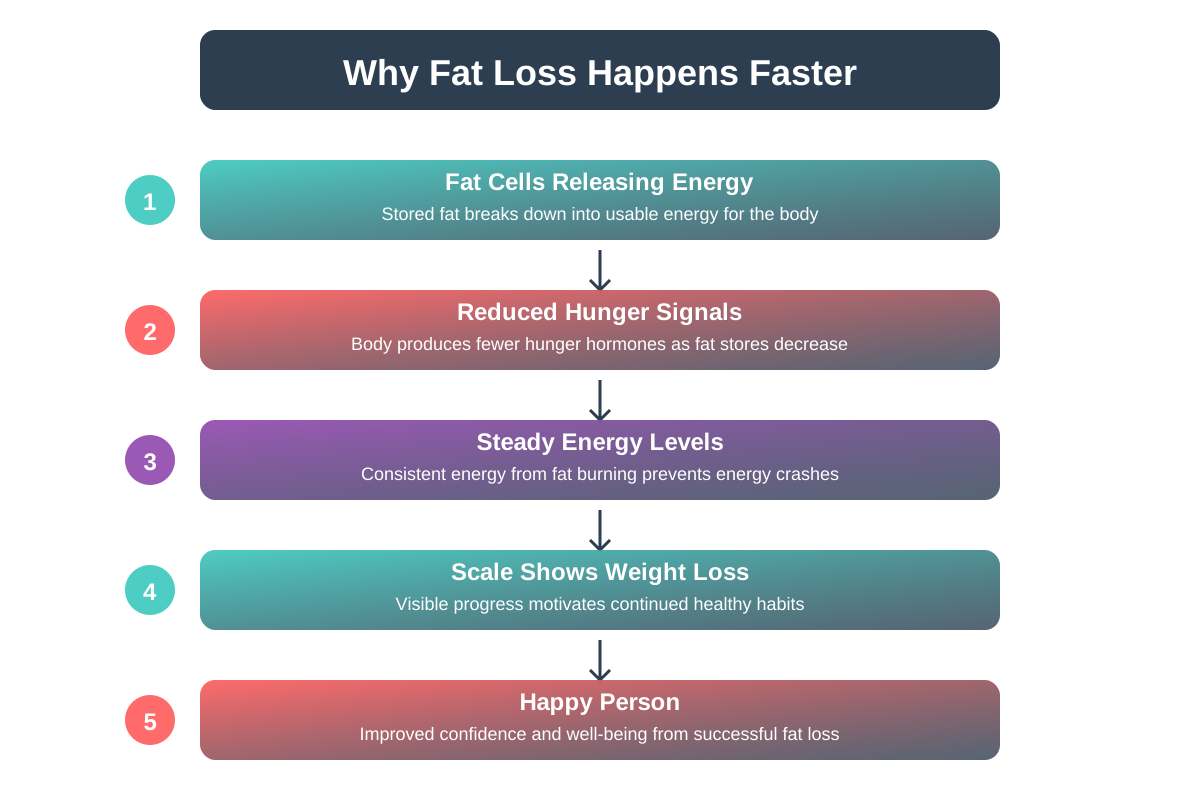
Why Fat Loss Happens Faster
In ketosis, your body becomes a fat-burning machine that runs 24/7. You also feel less hungry because ketones naturally suppress appetite. Many people lose 2-5 pounds in the first week alone.
The Science Behind It
Human studies show keto dieters lose more weight than low-fat dieters, even when eating the same calories. The magic happens because your body uses more energy to process fats and proteins than carbs.
Getting Started Safely
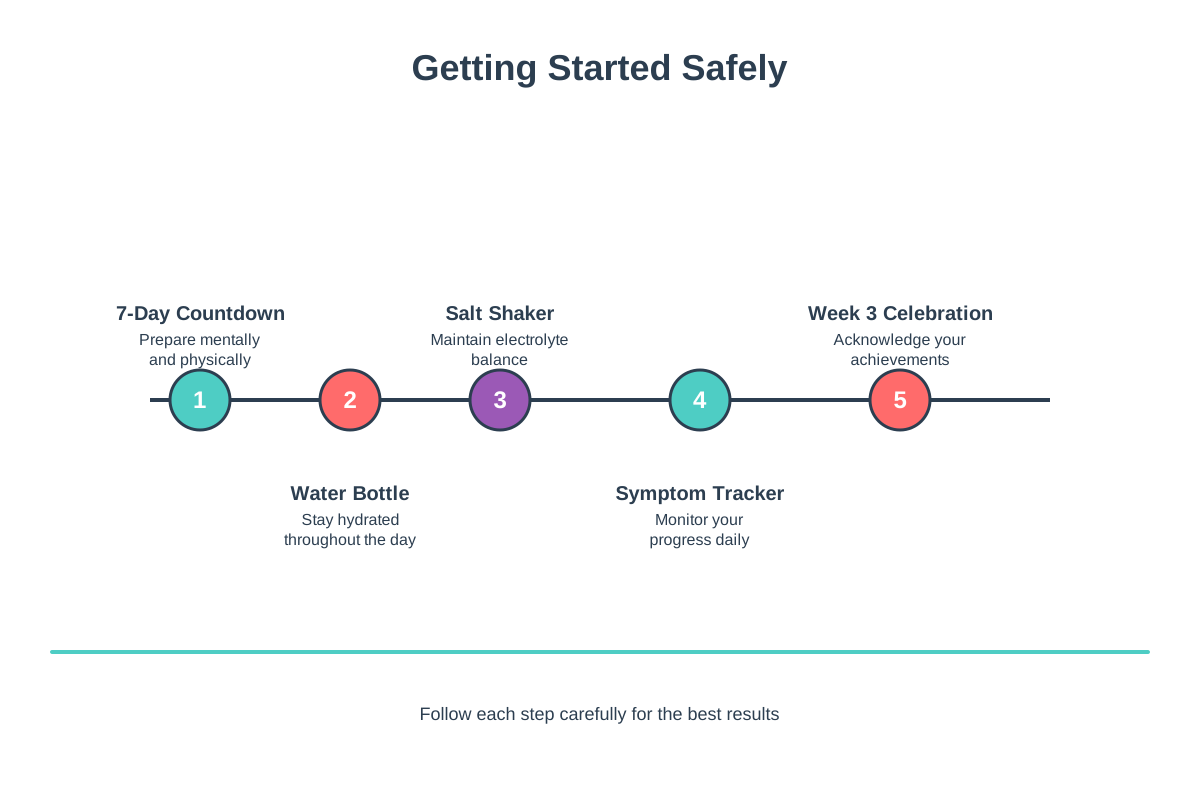
Start by cutting carbs gradually over one week. Drink lots of water and add extra salt to prevent the "keto flu." Most people feel amazing after 2-3 weeks once their body adapts.
Quick Recap ✨
- Keto switches your body from burning sugar to burning fat for fuel
- Eating 70% fat, 25% protein, and 5% carbs triggers ketosis
- Studies prove keto helps people lose weight faster than traditional diets