
Isotopes Decoded: Same Element, Different Weights!
Visual learning made easy - infographics and simple explanations
Did you know that atoms of the same element can have different weights?
Isotopes are atoms of the same element that have the same number of protons but different numbers of neutrons. This means they have the same chemical properties but different masses.
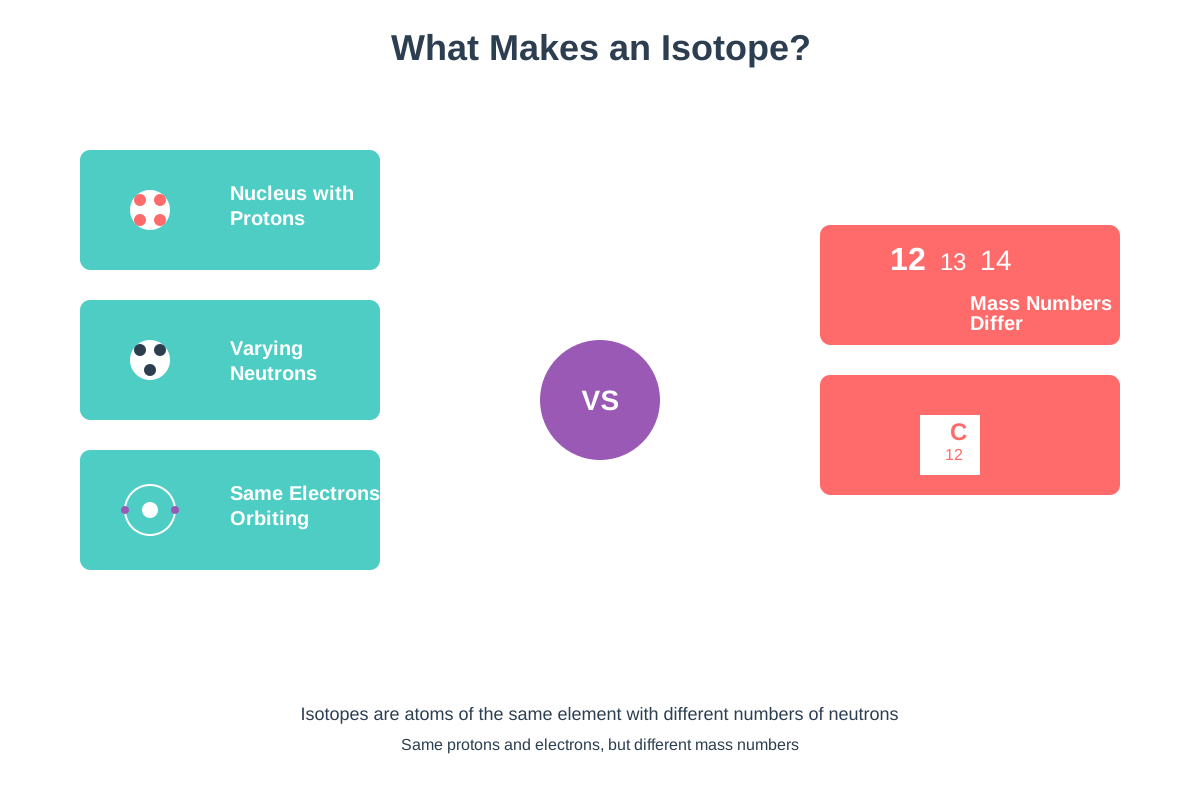
What Makes an Isotope?
All isotopes of an element have the same number of protons in their nucleus. However, they have different numbers of neutrons, which changes their atomic mass. The number of electrons stays the same too, so they behave chemically identical.
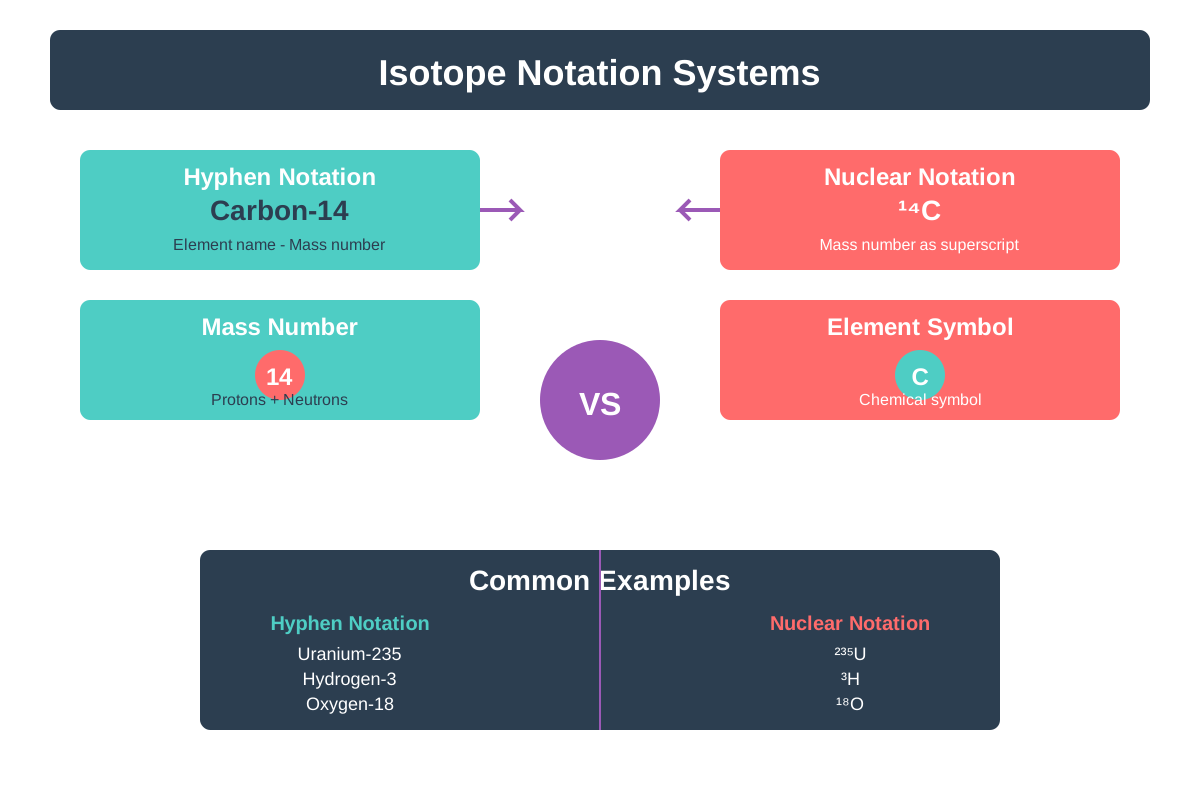
Isotope Notation Systems
Scientists write isotopes in two main ways: hyphen notation and nuclear notation. Hyphen notation looks like 'Carbon-14' while nuclear notation shows the mass number as a superscript. Both tell you the total mass of protons plus neutrons.
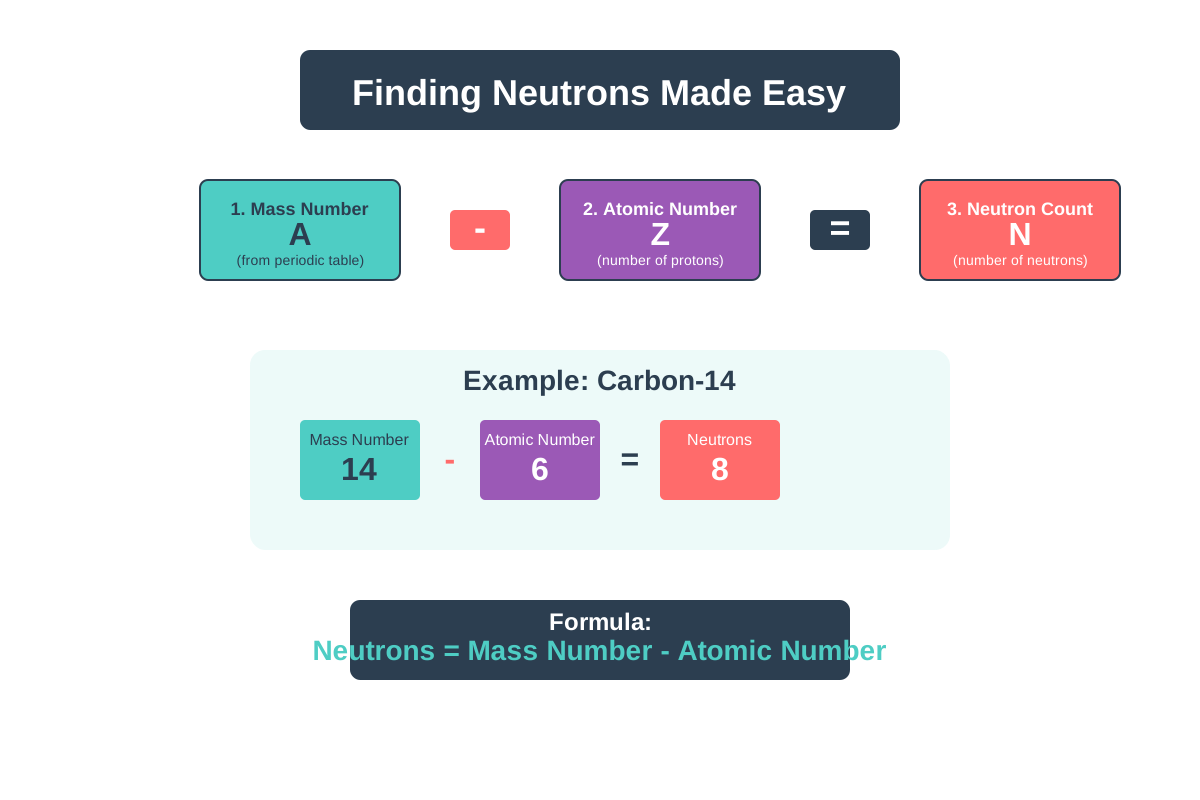
Finding Neutrons Made Easy
To find the number of neutrons in any isotope, just subtract the atomic number from the mass number. The atomic number tells you the protons, and mass number is protons plus neutrons. Simple math gives you the answer!
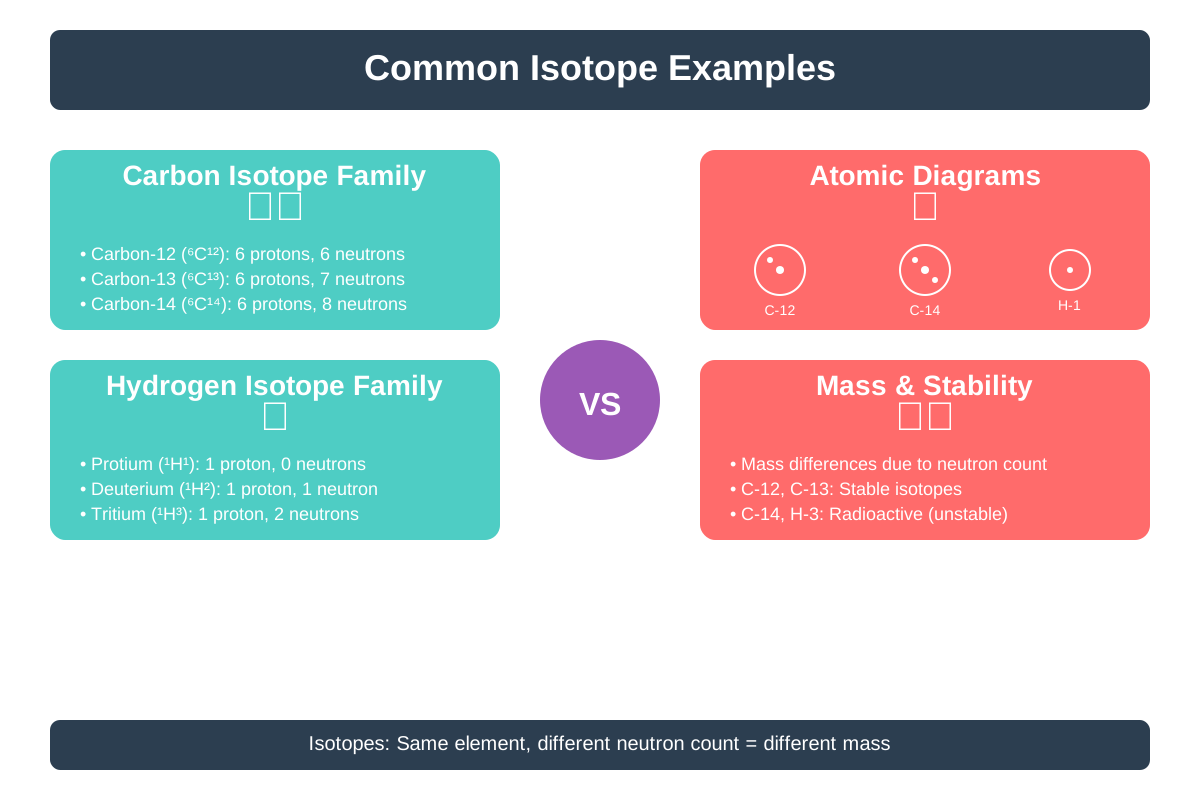
Common Isotope Examples
Carbon has three main isotopes: Carbon-12, Carbon-13, and Carbon-14. Hydrogen has deuterium and tritium as isotopes. Each isotope has the same chemical behavior but different nuclear properties.
Stable vs Radioactive Isotopes
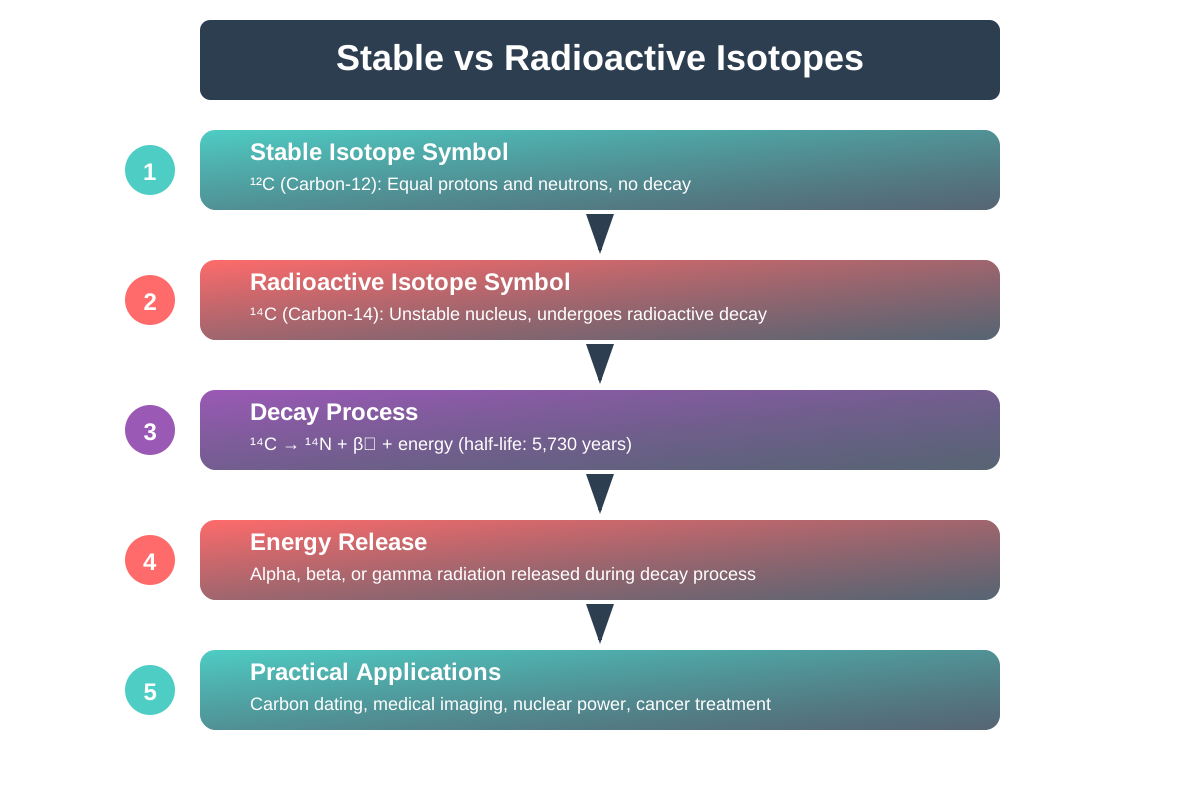
Some isotopes are stable and last forever, while others are radioactive and decay over time. Radioactive isotopes release energy and particles as they break down. This process is used in medicine, dating fossils, and energy production.
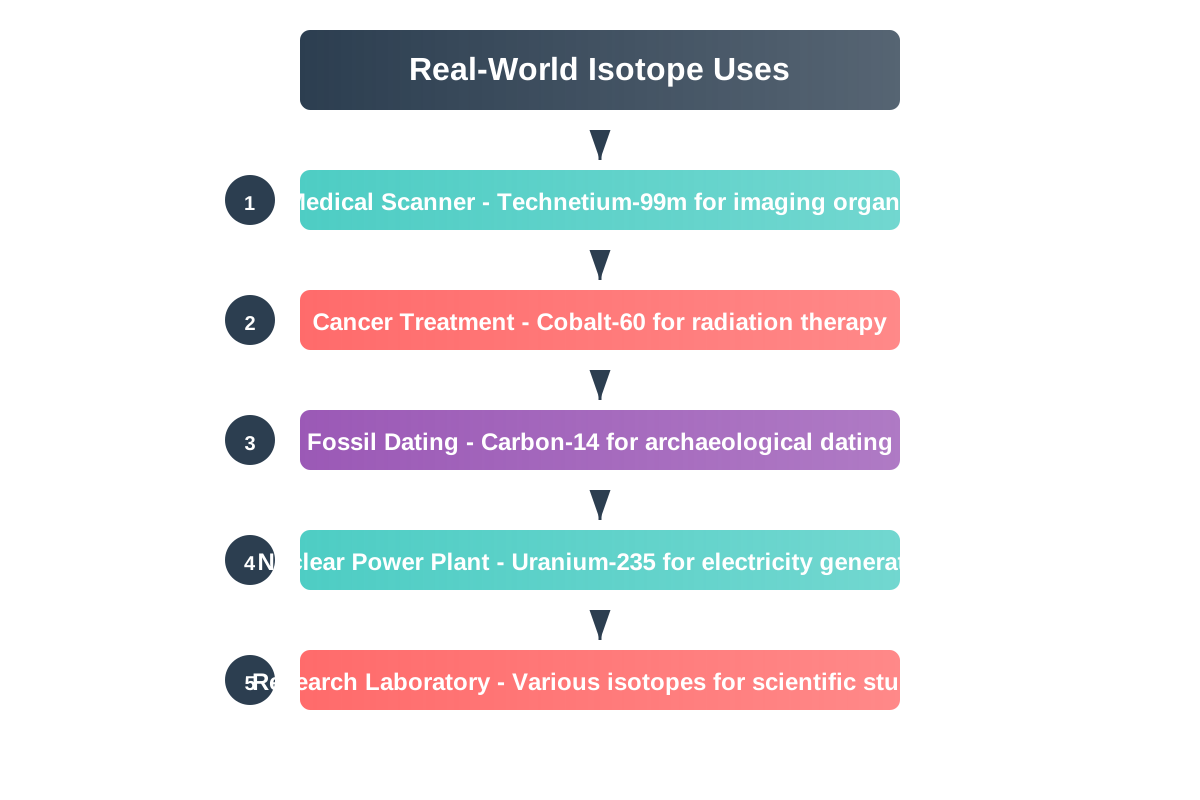
Real-World Isotope Uses
Isotopes have amazing practical applications in our daily lives. Doctors use radioactive isotopes to treat cancer and take medical scans. Scientists use Carbon-14 to determine the age of ancient artifacts and fossils.
Quick Recap ✨
- Isotopes are atoms of the same element with different numbers of neutrons
- Calculate neutrons by subtracting atomic number from mass number
- Isotopes have identical chemical properties but different masses and nuclear behaviors