
How the Sun Heats Earth from 93 Million Miles Away
Visual learning made easy - infographics and simple explanations
The Sun is 93 million miles away, yet it perfectly warms our planet every single day!
The Sun transfers energy to Earth through electromagnetic radiation that travels through space at the speed of light. This energy heats our atmosphere, land, and oceans to create the perfect conditions for life.
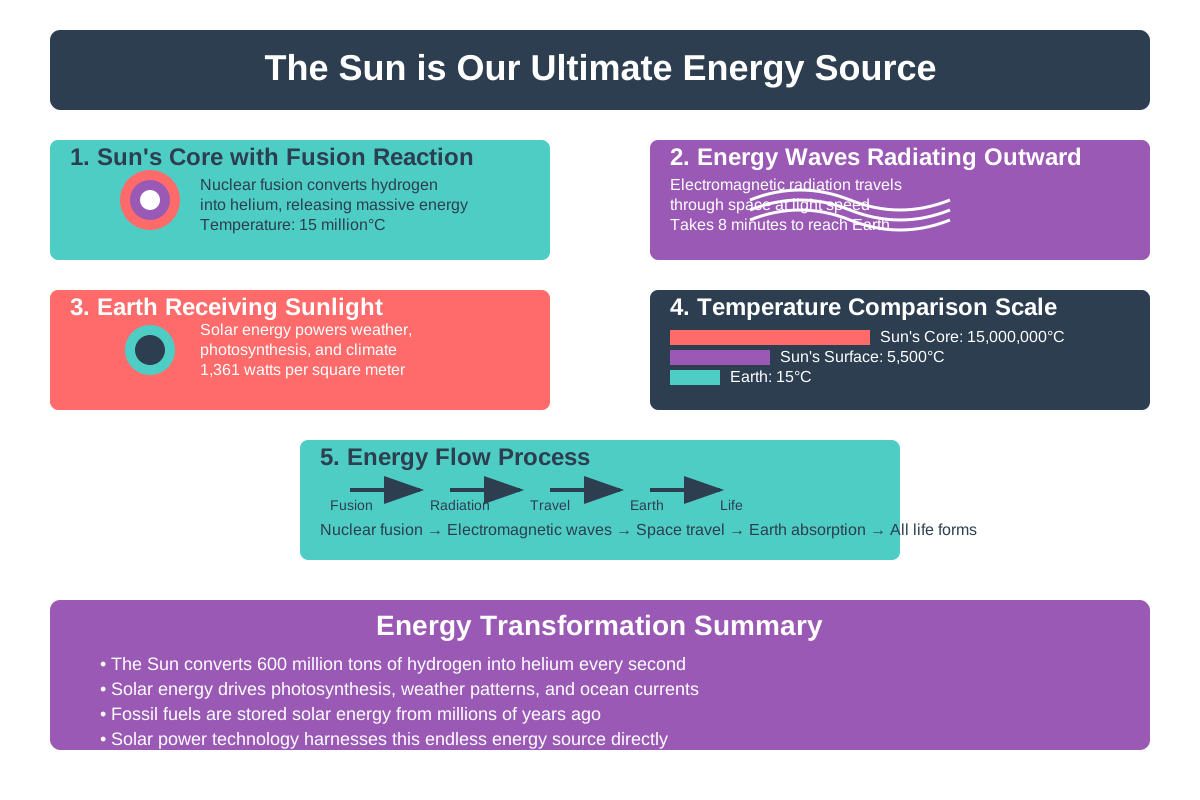
The Sun is Our Ultimate Energy Source
The Sun is a massive ball of burning gases that creates enormous amounts of energy through nuclear fusion. Every second, it converts millions of tons of hydrogen into helium, releasing incredible heat and light. This energy radiates out in all directions through space.
Energy Travels Through Space as Radiation
Unlike heat from a campfire that needs air to reach you, the Sun's energy travels as electromagnetic radiation. This includes visible light, infrared heat, and ultraviolet rays that can move through the vacuum of space. It takes about 8 minutes for this energy to travel from the Sun to Earth.

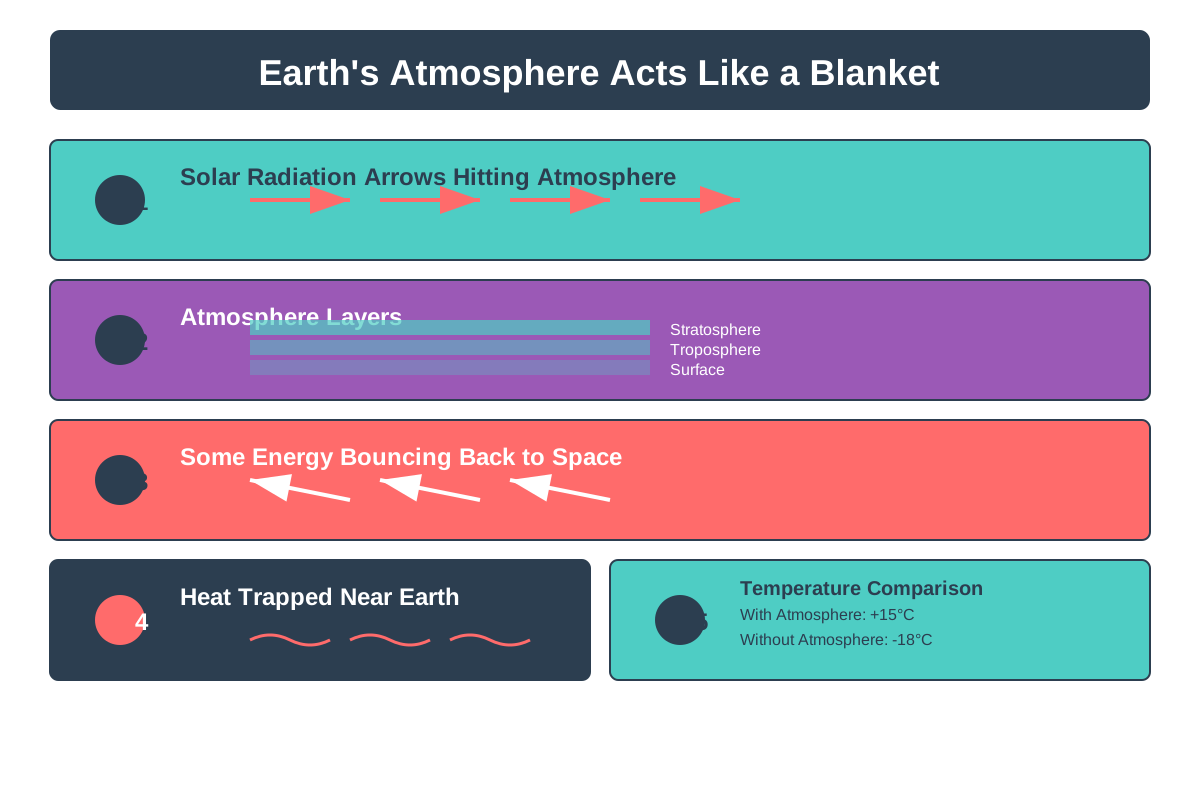
Earth's Atmosphere Acts Like a Blanket
When solar radiation hits Earth's atmosphere, some energy is absorbed and some is reflected back to space. The atmosphere traps heat like a blanket, keeping our planet warm enough for life. Without this greenhouse effect, Earth would be a frozen ball of ice.
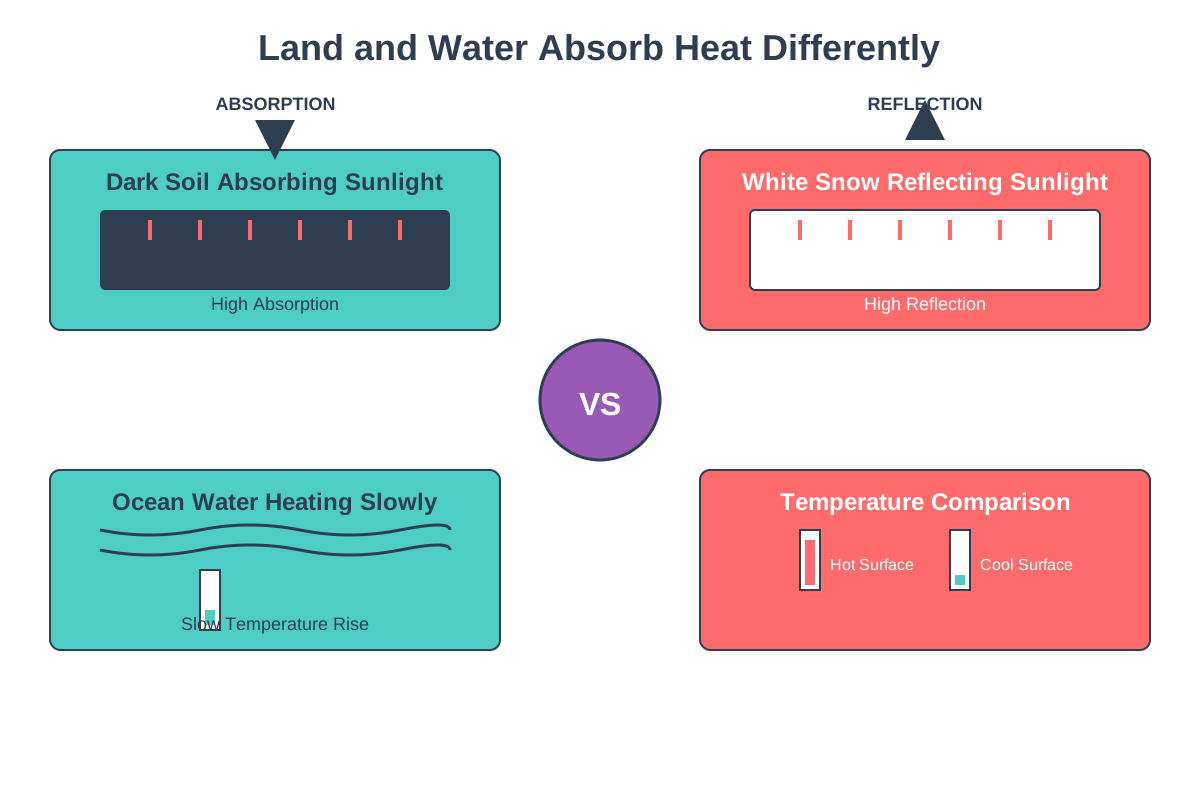
Land and Water Absorb Heat Differently
Dark surfaces like soil and rocks absorb more solar energy and heat up quickly. Light surfaces like snow and ice reflect most energy away and stay cooler. Water takes longer to heat up but also stays warm longer than land.
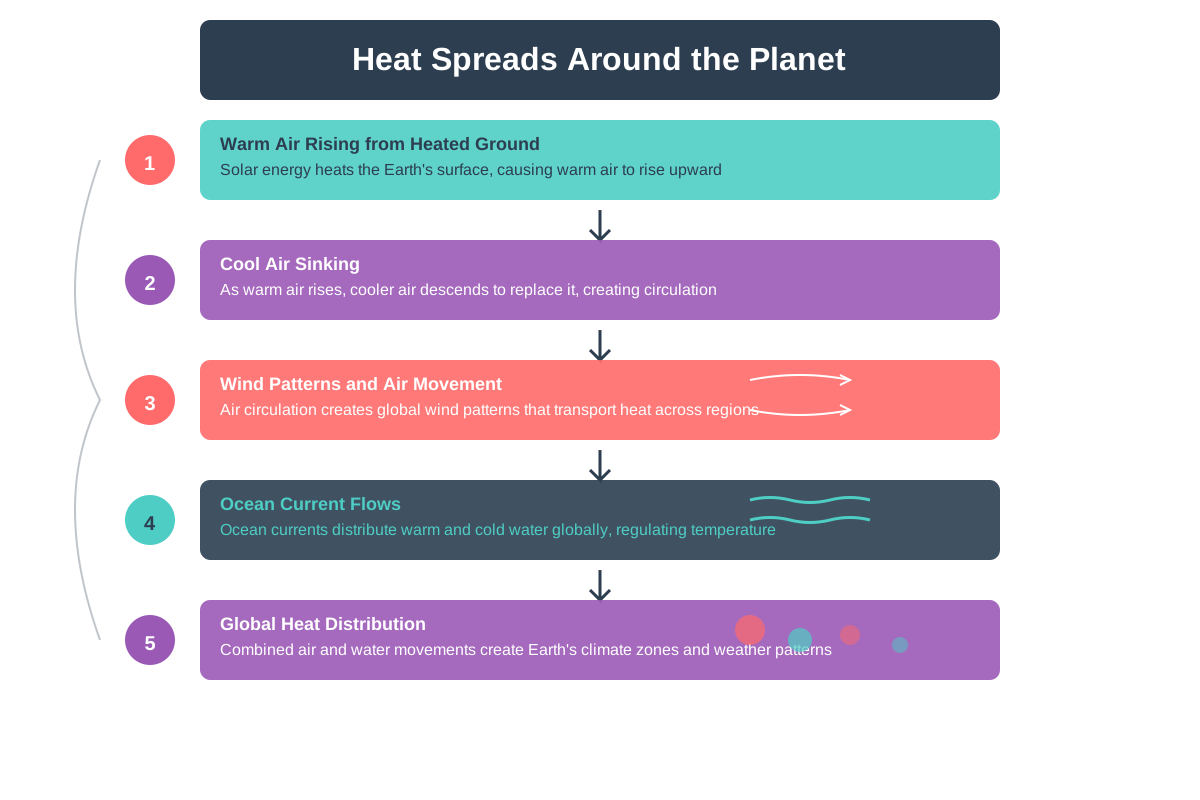
Heat Spreads Around the Planet
Once Earth's surface absorbs solar energy, it heats the air above it through conduction and convection. Warm air rises and cool air sinks, creating wind patterns that move heat around the globe. Ocean currents also help distribute warm and cold water worldwide.
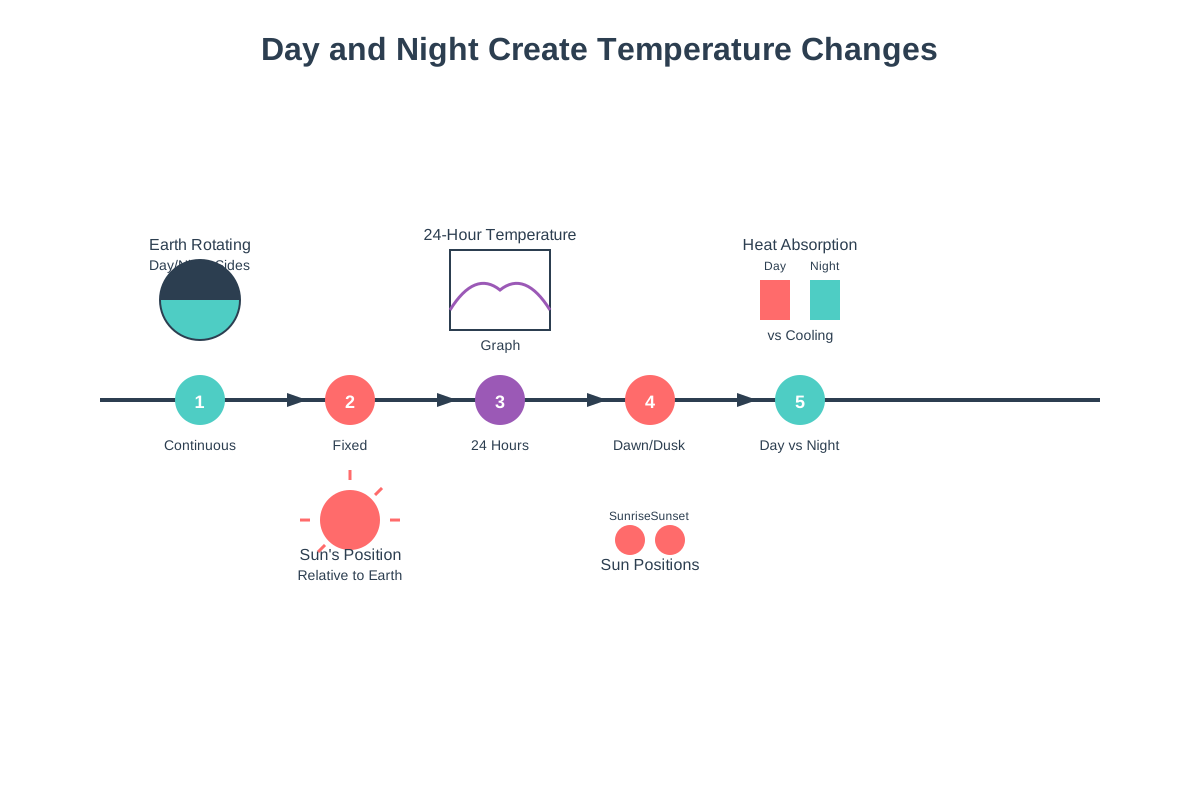
Day and Night Create Temperature Changes
As Earth rotates, different parts face the Sun and receive direct heating during the day. The side facing away from the Sun experiences night and begins to cool down. This rotation creates our daily cycle of warming and cooling temperatures.
Quick Recap ✨
- The Sun creates energy through nuclear fusion and sends it to Earth as electromagnetic radiation in just 8 minutes
- Earth's atmosphere traps solar heat like a blanket, while different surfaces absorb or reflect energy at different rates
- Heat spreads around our planet through air currents, ocean currents, and Earth's daily rotation cycle