
How Glass Threads Carry the Entire Internet
Visual learning made easy - infographics and simple explanations
A strand of glass thinner than your hair carries millions of conversations, videos, and messages around the world every second!
Fiber optic cables use light to send information through ultra-thin glass fibers at incredible speeds. These amazing cables form the backbone of our modern internet and communication systems.
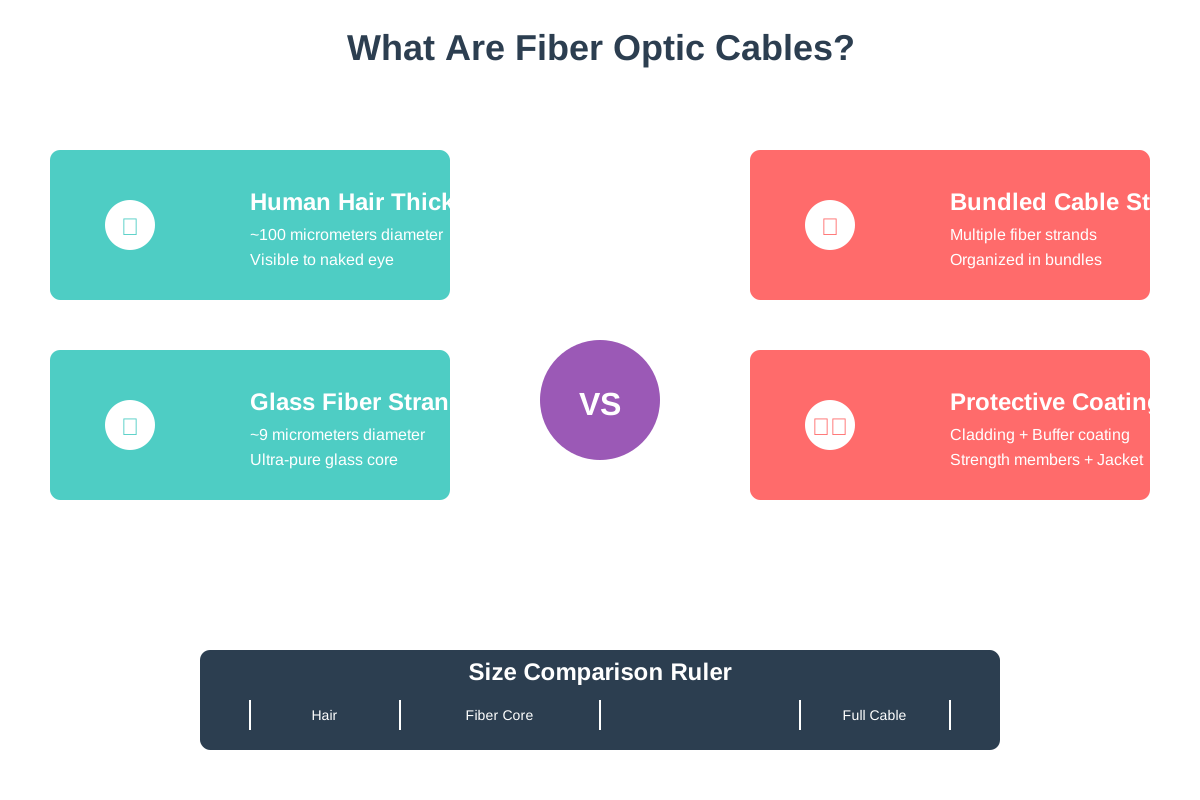
What Are Fiber Optic Cables?
Fiber optic cables are made of extremely thin strands of glass, each thinner than a human hair. These glass fibers are bundled together and protected by special coatings. They can carry information using light instead of electricity.
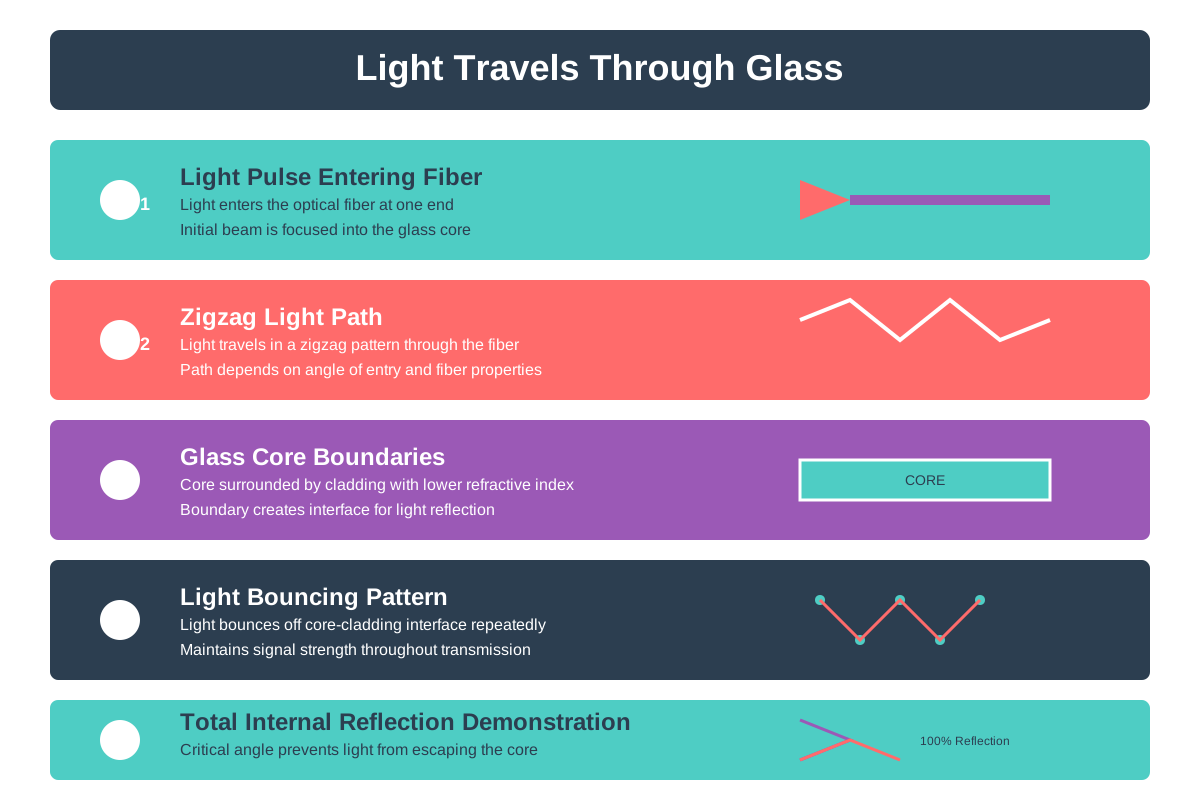
Light Travels Through Glass
Information is converted into pulses of light that travel through the glass core. The light bounces off the walls of the fiber in a zigzag pattern, staying trapped inside. This process is called total internal reflection.
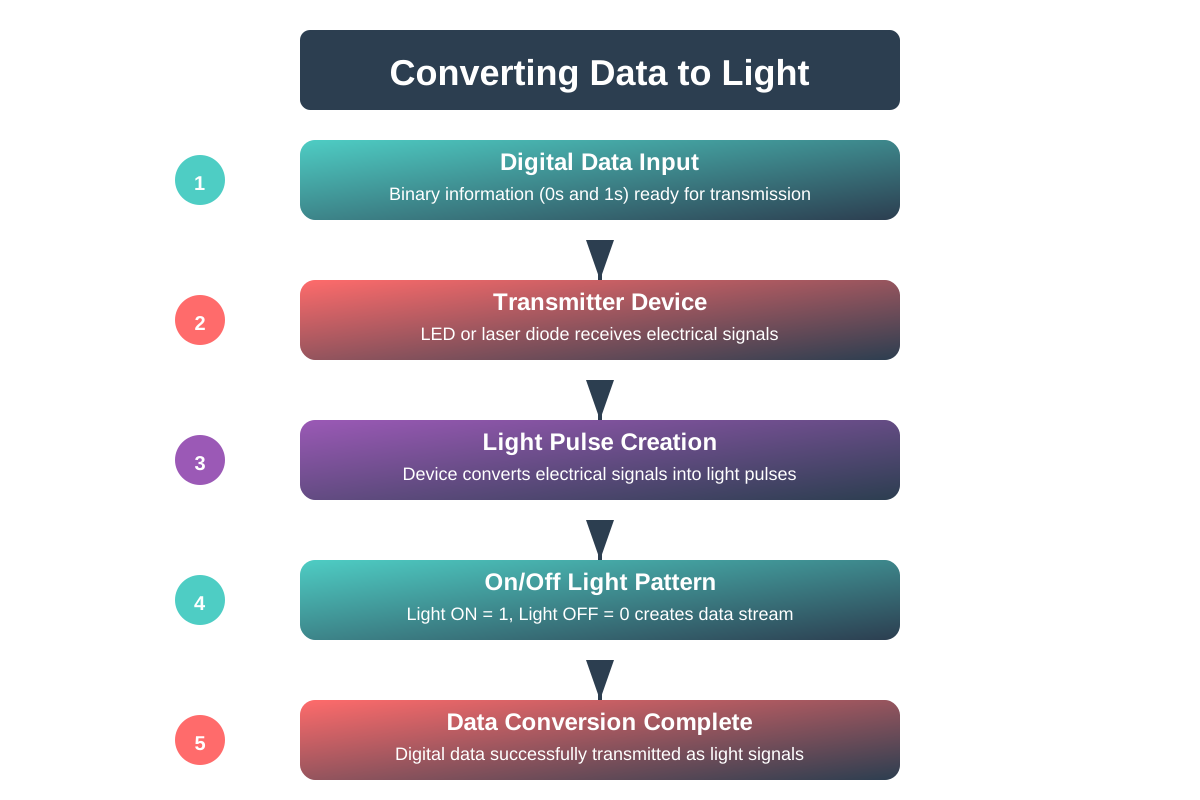
Converting Data to Light
Special devices called transmitters turn digital information into light signals. Your photos, videos, and messages become rapid flashes of light. These light pulses can be turned on and off millions of times per second.
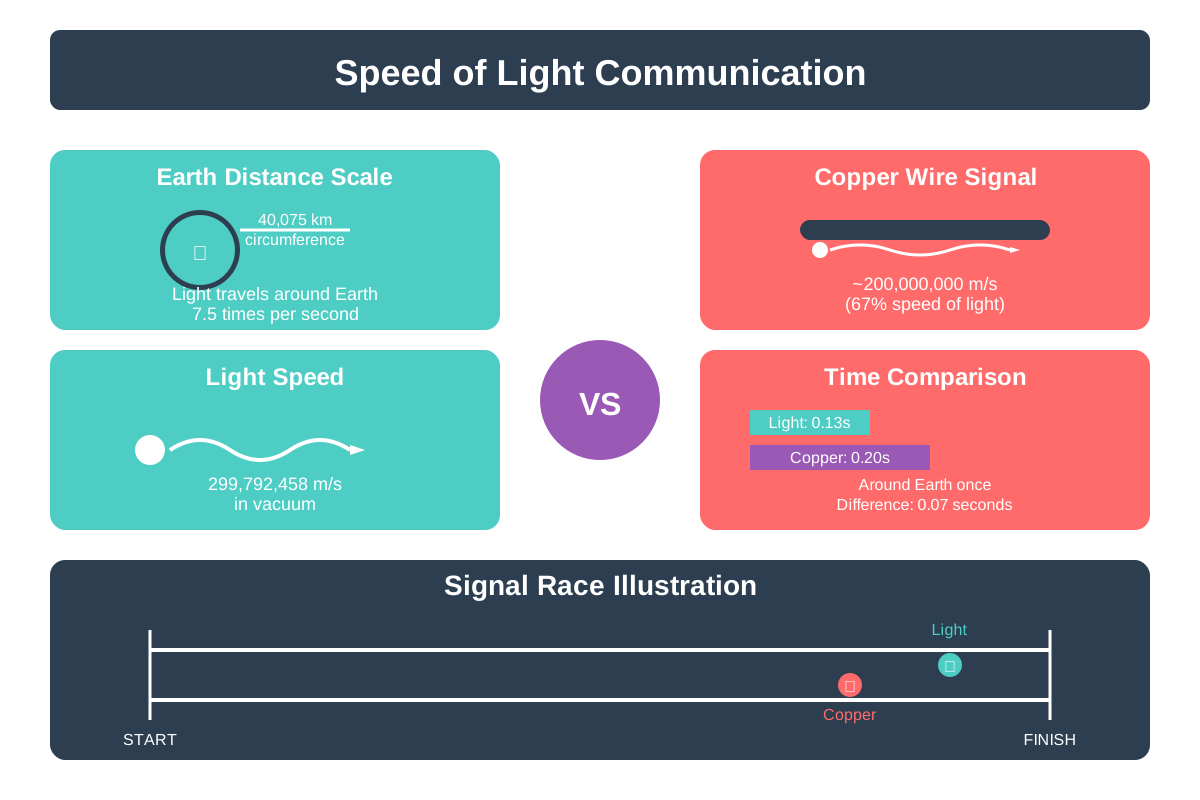
Speed of Light Communication
Light travels through fiber optic cables at about 200,000 kilometers per second. This incredible speed means your message can travel halfway around the world in just 0.1 seconds. It's much faster than traditional copper wires.
Receiving the Light Signals
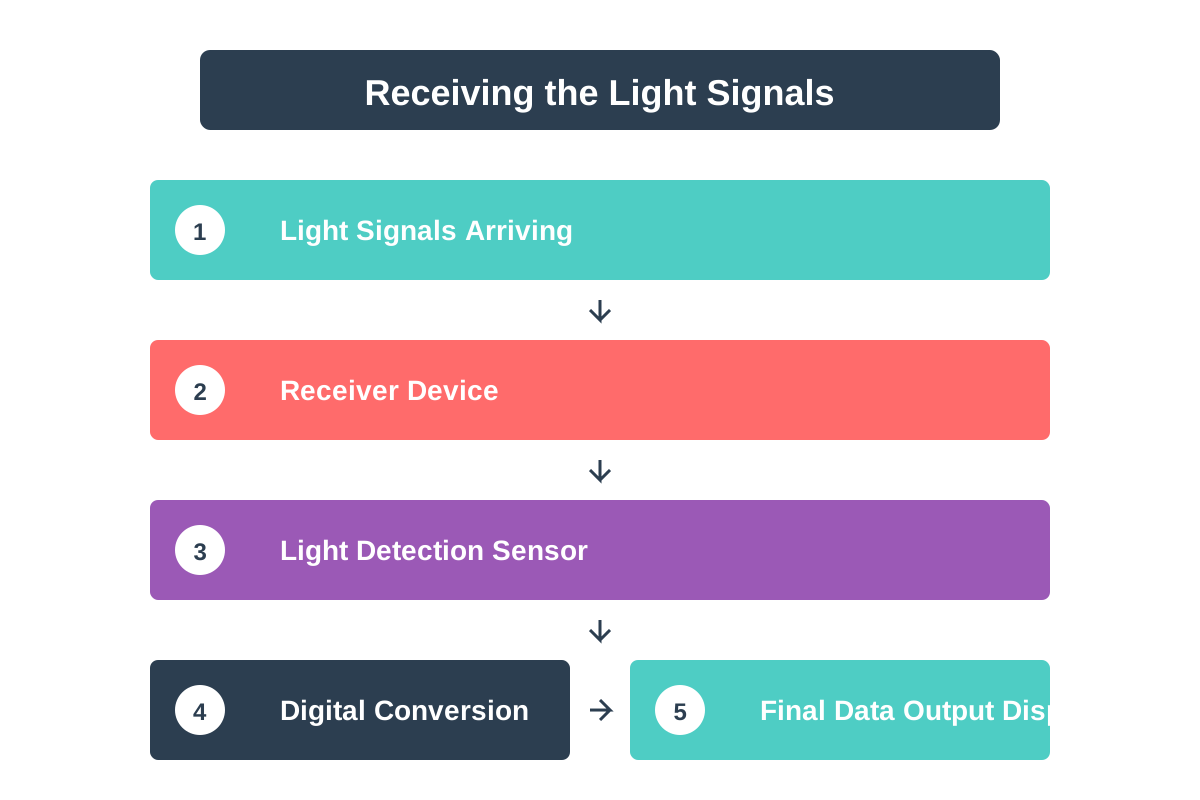
At the other end, receivers detect the light pulses and convert them back into digital data. These devices can recognize even the faintest light signals. Your device then displays the information as text, images, or videos.
Underwater Internet Highways
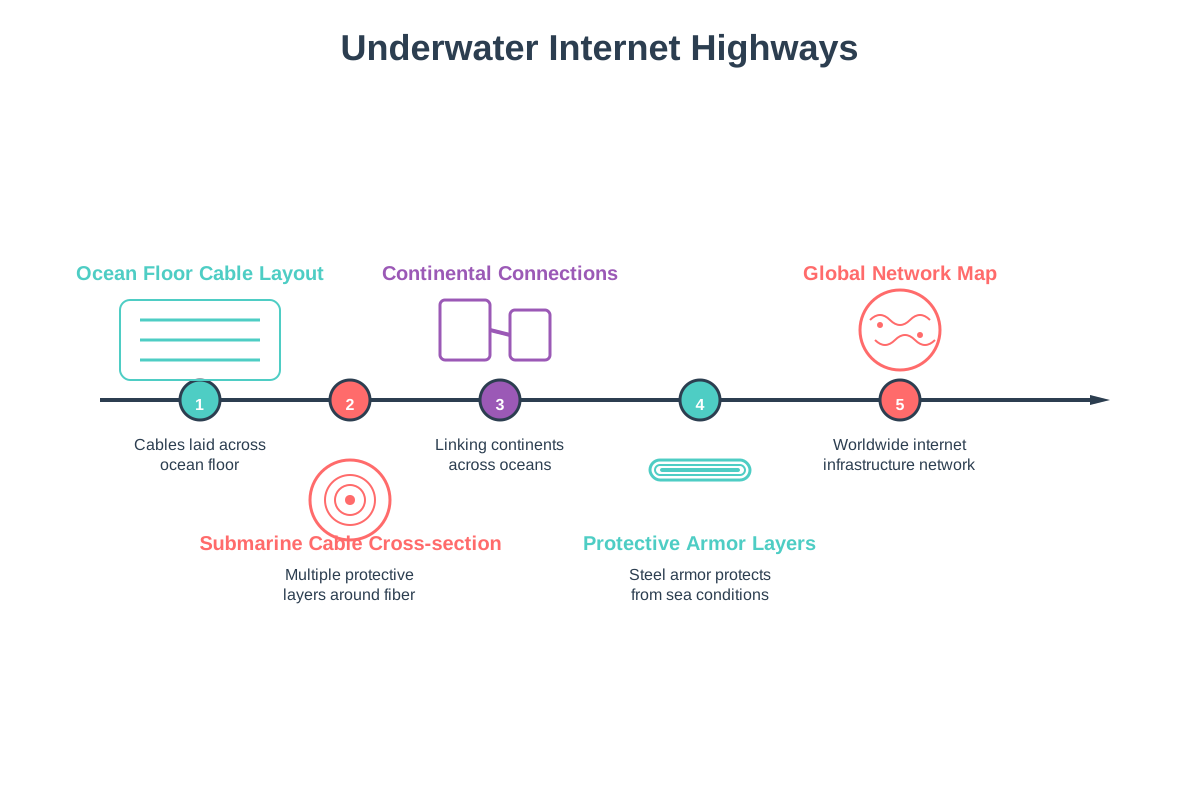
Massive fiber optic cables run along ocean floors connecting continents. These submarine cables are heavily protected and can carry thousands of conversations at once. They're like underwater highways for global internet traffic.
Quick Recap ✨
- Fiber optic cables use light pulses traveling through ultra-thin glass strands to carry internet data
- Light bounces through the glass fiber using total internal reflection, maintaining signal strength over long distances
- These cables connect the world's internet infrastructure, including underwater cables linking continents