
How Fiber Optic Cables Work: Light Powers the Internet
Visual learning made easy - infographics and simple explanations
A glass thread thinner than your hair carries the entire internet across oceans using nothing but light!
Fiber optic cables use light signals bouncing through ultra-thin glass strands to transmit data at incredible speeds. These amazing cables form the backbone of our modern internet, carrying information as pulses of light instead of electrical signals.
What's Inside a Fiber Optic Cable
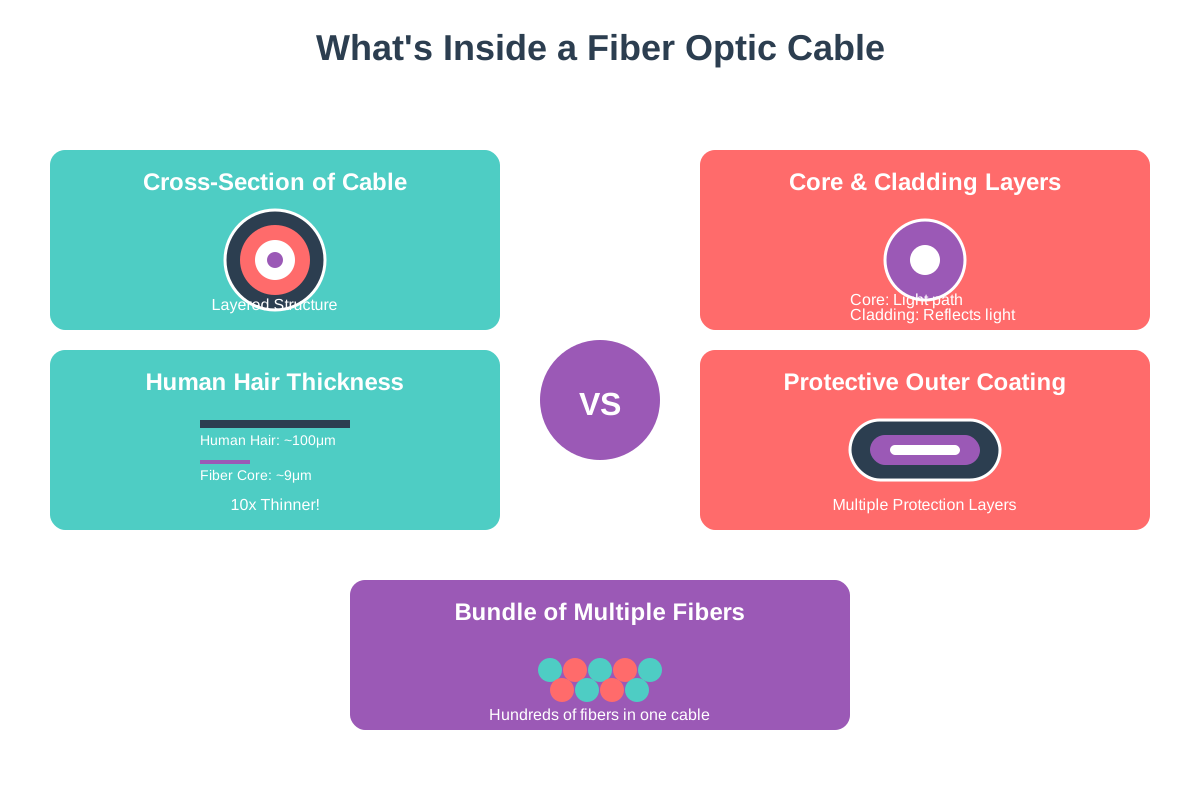
A fiber optic cable contains hair-thin glass strands called optical fibers. Each fiber has three main parts: the core (where light travels), cladding (reflects light back), and a protective coating. Thousands of these tiny fibers can be bundled together in one cable.
How Light Bounces Through Glass
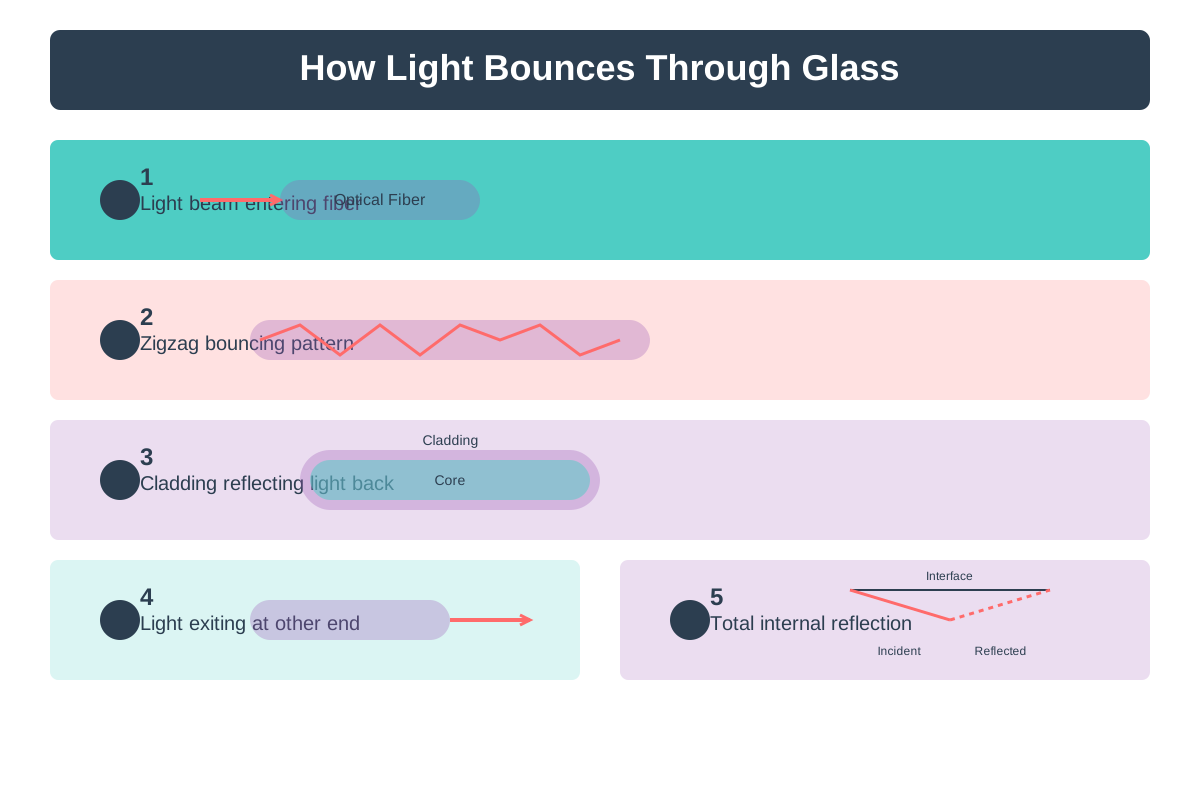
Light travels through the fiber core by bouncing off the walls in a zigzag pattern. This is called total internal reflection - the light never escapes because the cladding acts like a mirror. The light bounces thousands of times per meter but still travels incredibly fast.
From Data to Light Signals
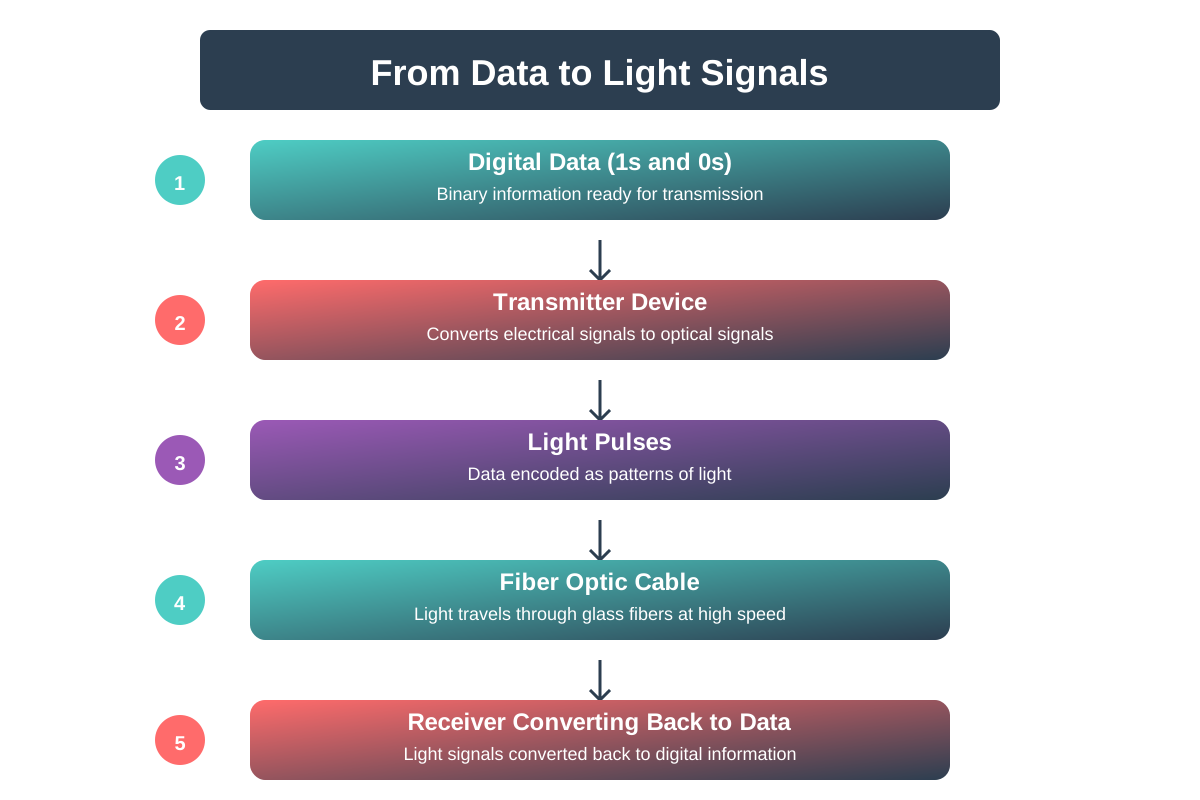
Your internet data gets converted into light pulses by special devices called transmitters. A light pulse represents '1' and no light represents '0' in computer language. These on-off light patterns carry all your photos, videos, and messages at the speed of light.
Why Fiber is Super Fast
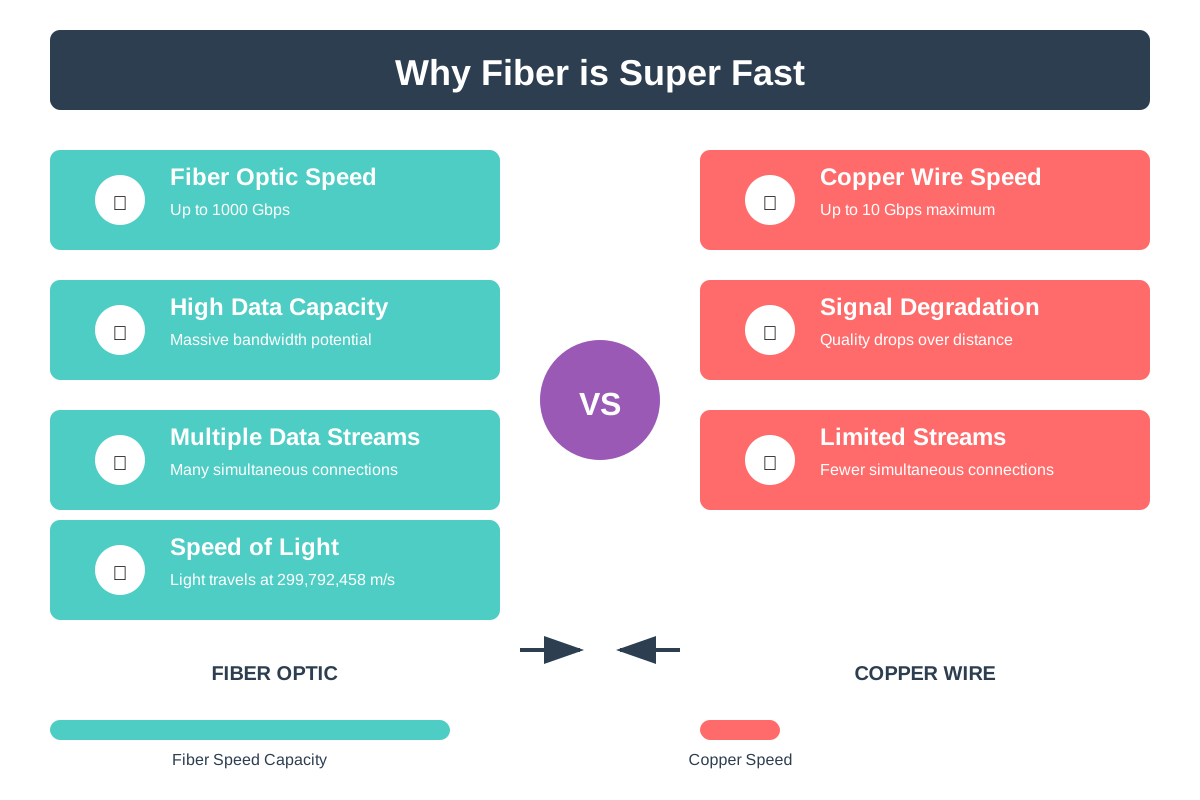
Light travels at 300 million meters per second, making fiber optics incredibly fast. Unlike copper wires that use slower electrical signals, fiber cables can carry much more data without losing quality. One fiber can handle thousands of phone calls or internet connections at once.
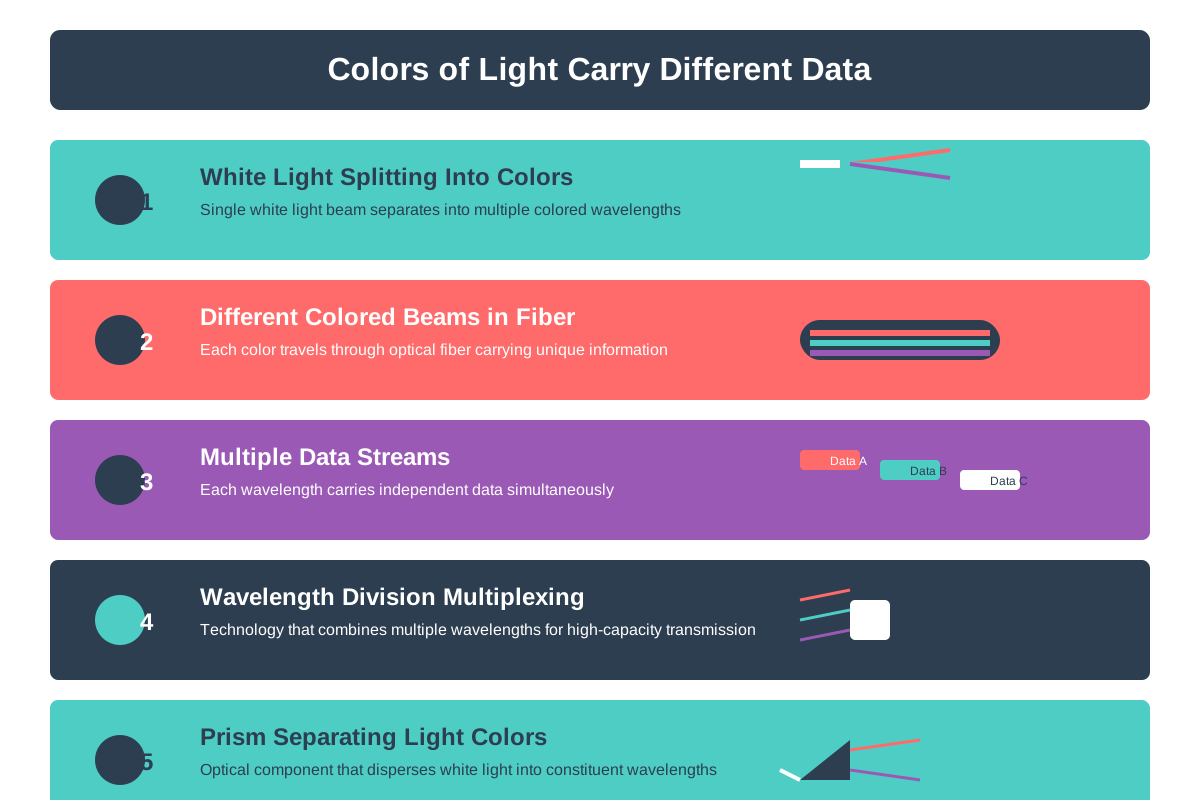
Colors of Light Carry Different Data
Fiber optics use different colors (wavelengths) of light to carry separate data streams through the same fiber. This is like having multiple invisible highways in one cable. Red light might carry your video while blue light carries someone else's phone call.
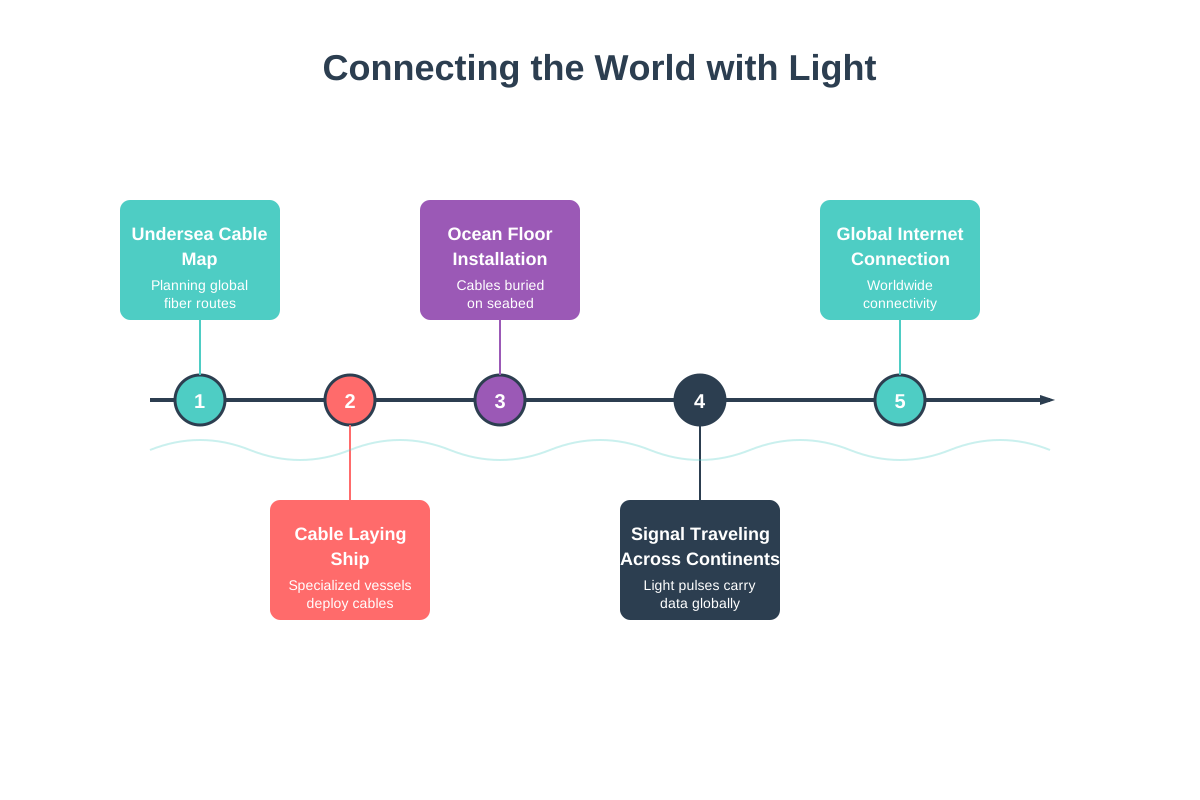
Connecting the World with Light
Massive fiber optic cables cross entire oceans on the sea floor, connecting continents. These underwater cables are specially protected and can carry the internet traffic of millions of people. When you video chat with someone across the world, your signal travels through these ocean cables as light.
Quick Recap ✨
- Fiber optic cables use light bouncing through hair-thin glass strands to carry internet data at incredible speeds
- Different colors of light can carry separate data streams through the same cable, maximizing capacity
- These light-based cables connect the entire world, including underwater cables crossing oceans