
How Fiber Optic Cables Power the Internet
Visual learning made easy - infographics and simple explanations
A glass strand thinner than your hair carries the entire internet around the world!
Fiber optic cables use light beams traveling through ultra-thin glass fibers to send data at incredible speeds. These amazing cables form the backbone of our modern internet by bouncing light signals across continents in milliseconds.
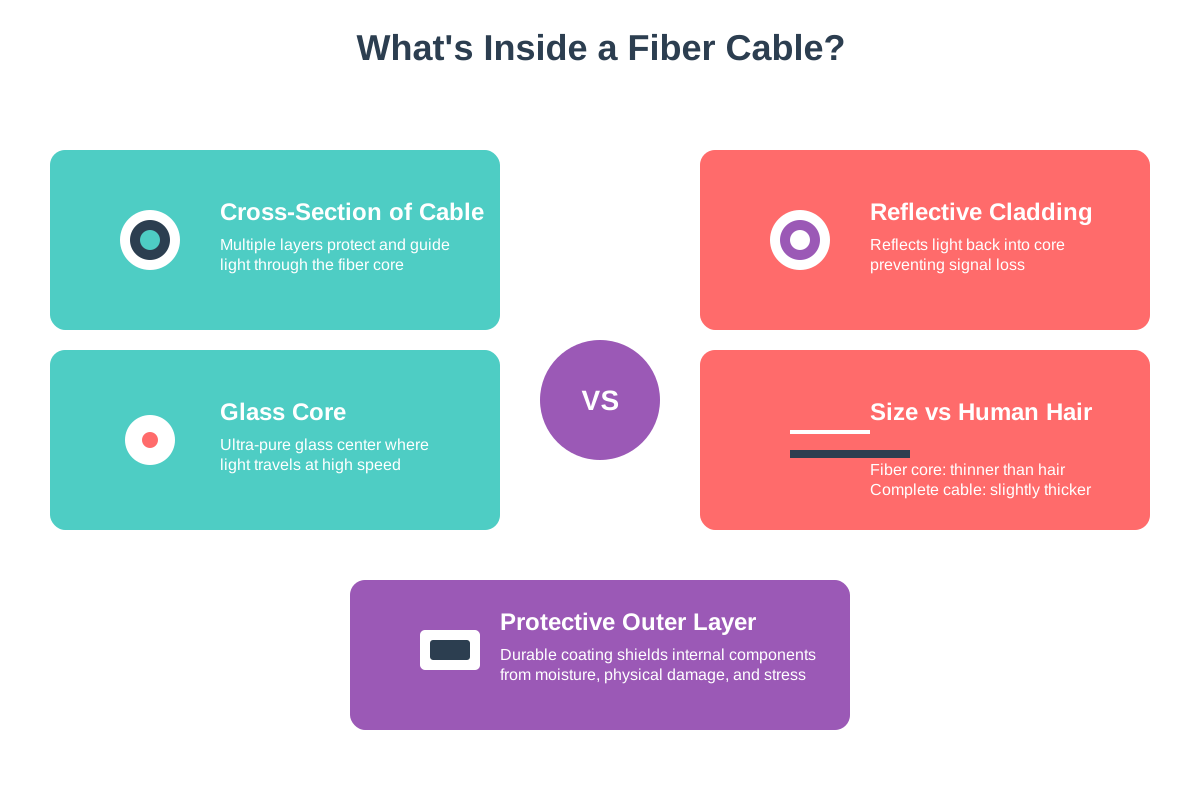
What's Inside a Fiber Cable?
A fiber optic cable has three main parts working together. The core is made of ultra-pure glass where light travels. The cladding surrounds the core and reflects light back in, while the protective coating keeps everything safe.
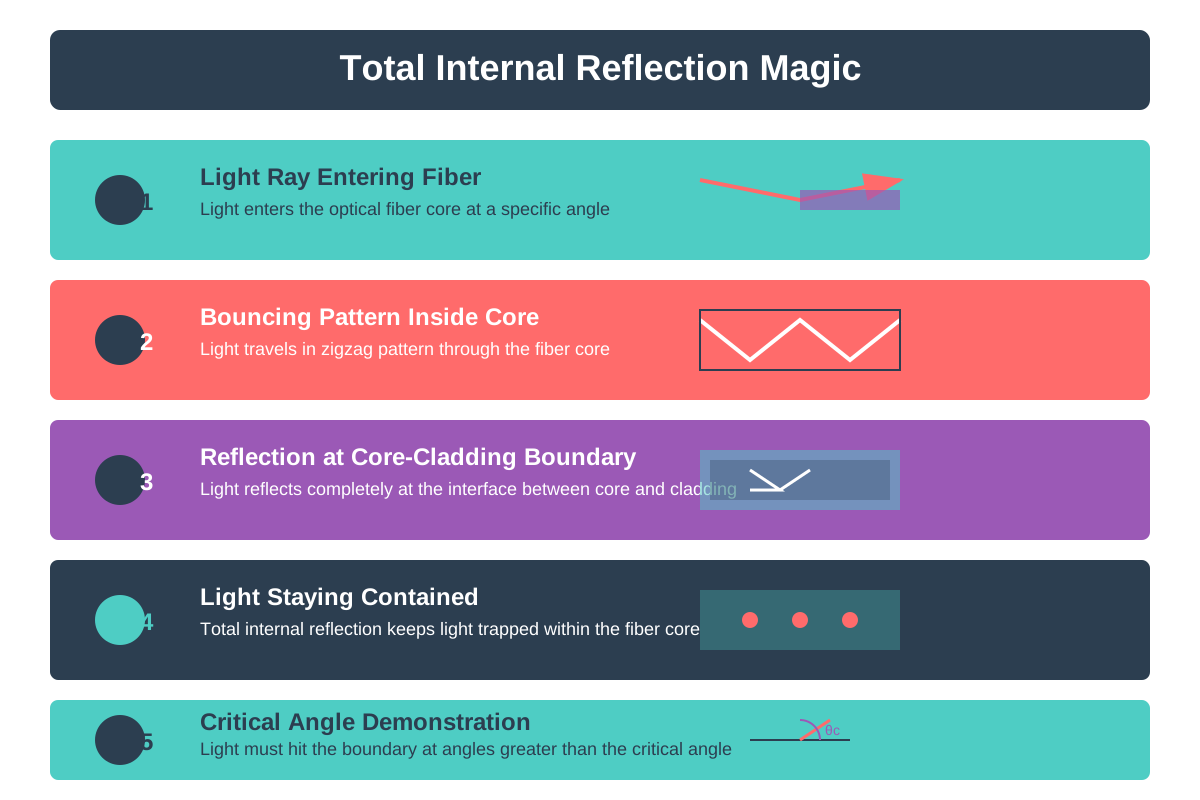
Total Internal Reflection Magic
Light bounces inside the fiber using a cool trick called total internal reflection. When light hits the boundary between the core and cladding at the right angle, it bounces back perfectly instead of escaping. This keeps the light signal strong as it travels long distances.
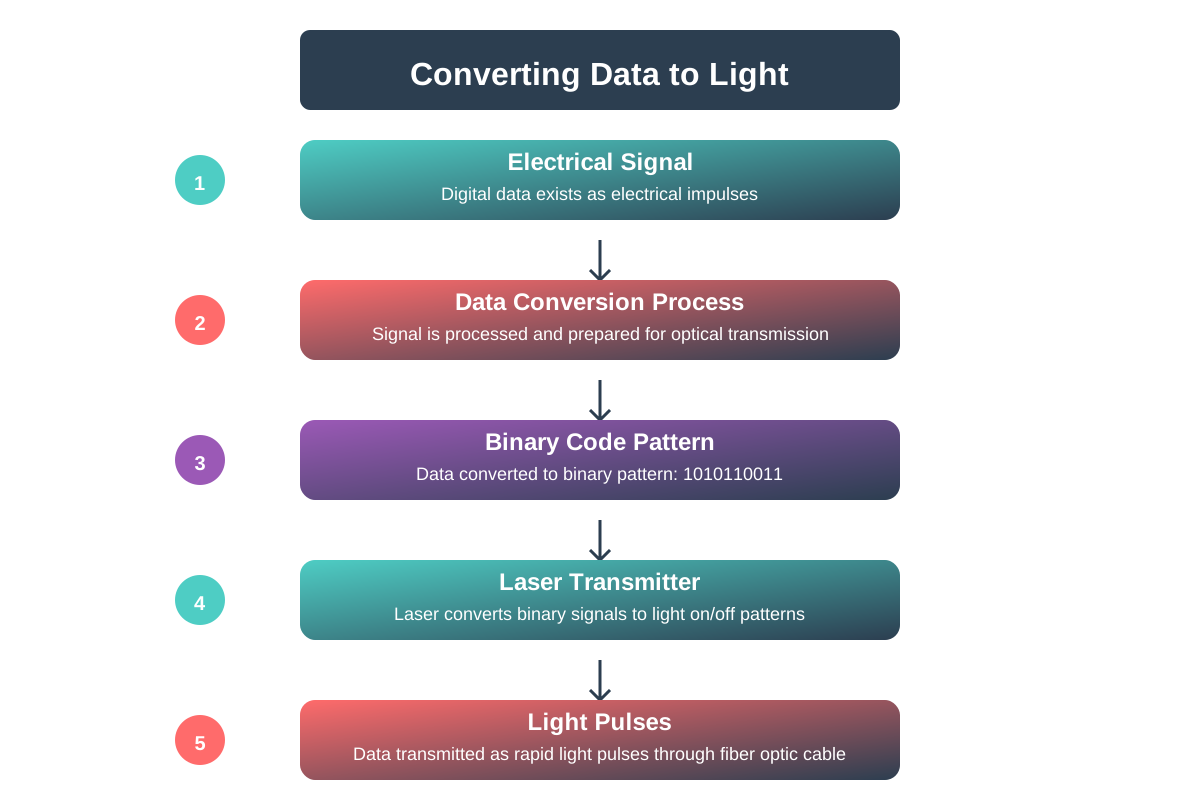
Converting Data to Light
Your internet data starts as electrical signals that get converted into light pulses. A laser or LED creates these light flashes that represent your emails, videos, and messages. On and off light pulses create a binary code that computers understand.
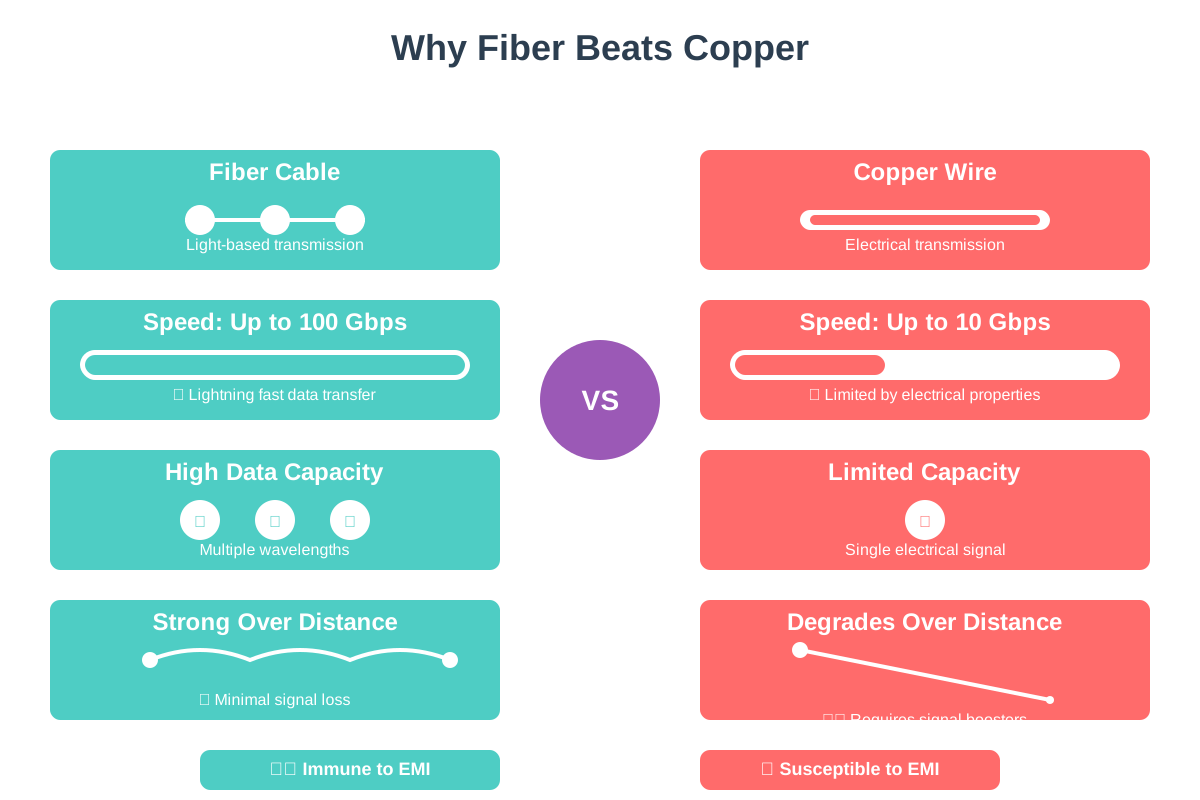
Why Fiber Beats Copper
Fiber optic cables are way better than old copper wires for internet. They carry much more data, work faster, and don't lose signal strength over long distances. Plus, they're not affected by electrical interference that can mess up copper cables.
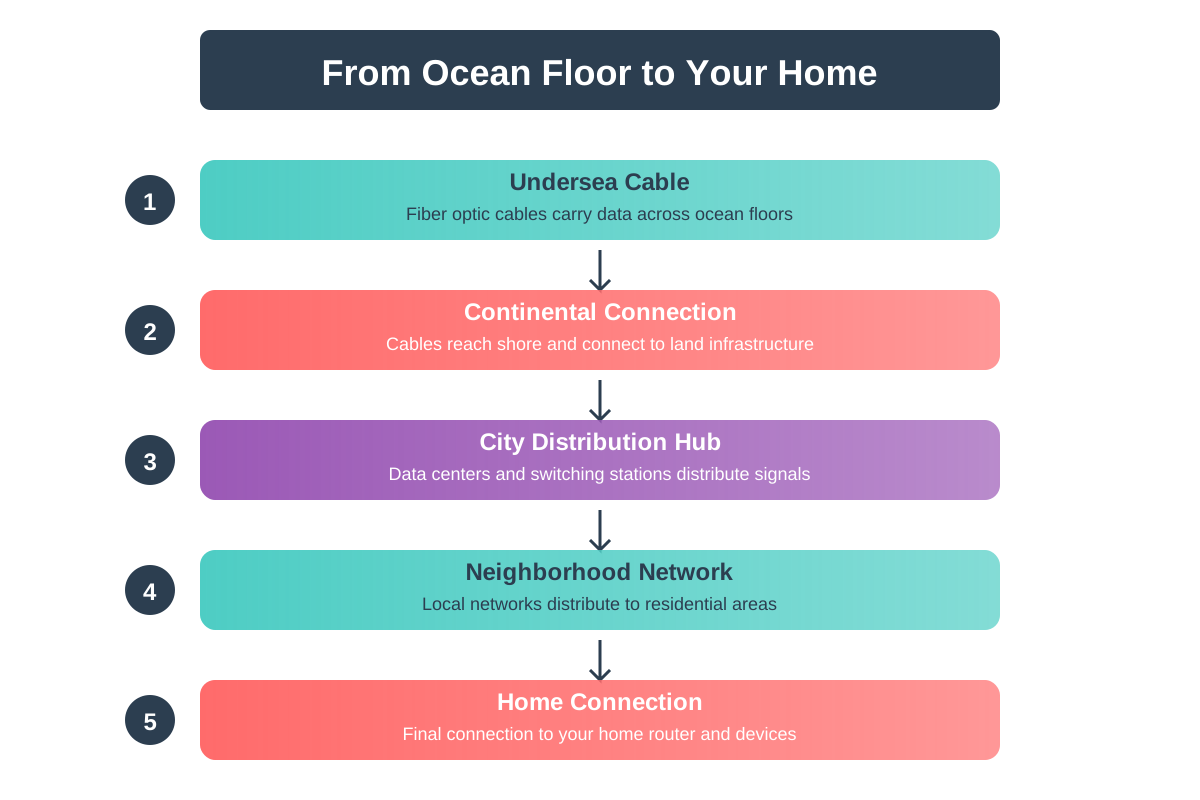
From Ocean Floor to Your Home
Massive fiber optic cables run across ocean floors connecting continents together. These underwater cables are specially protected and can carry thousands of conversations at once. From there, smaller cables branch out to cities, neighborhoods, and eventually your house.
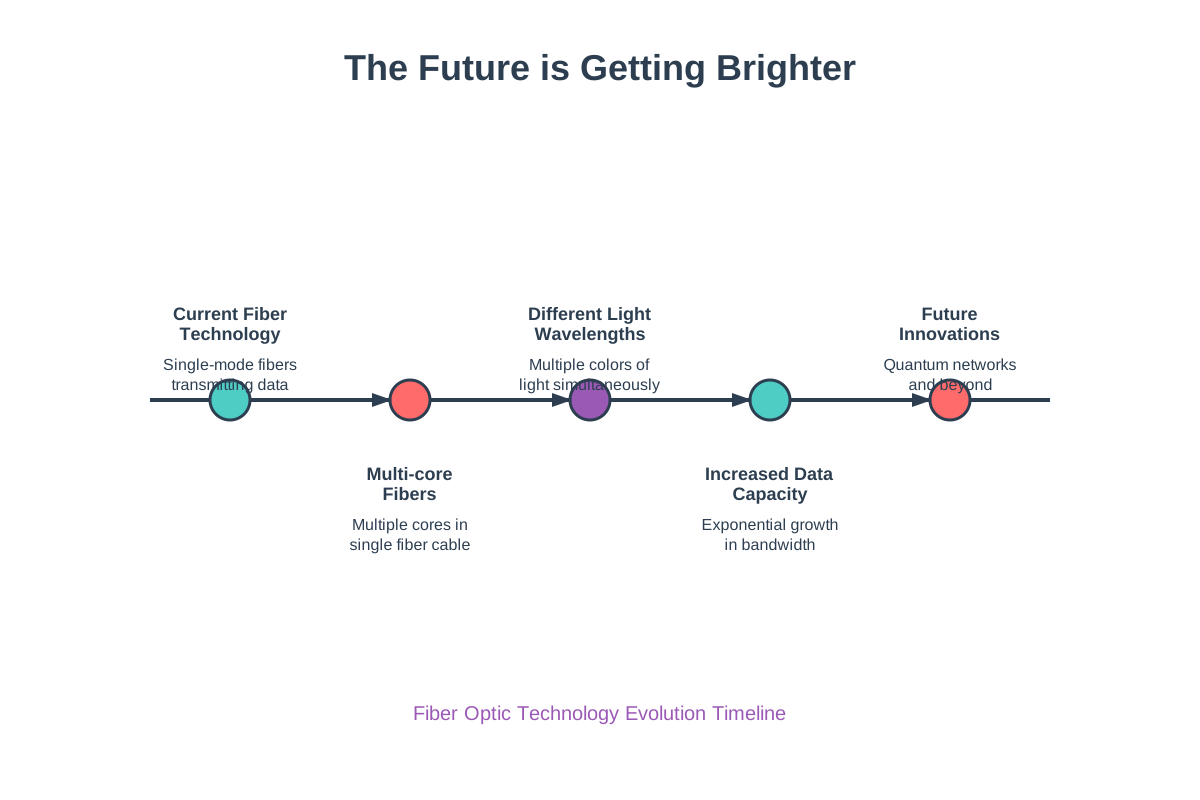
The Future is Getting Brighter
Scientists keep making fiber optics even better with new technologies. They're creating cables that carry more data and work faster than ever before. Some new fibers can handle multiple colors of light at once, multiplying their data-carrying power.
Quick Recap ✨
- Fiber optic cables use light bouncing through glass fibers to carry internet data around the world
- Total internal reflection keeps light signals strong by bouncing them perfectly inside the cable core
- These cables are faster, carry more data, and work better over long distances than old copper wires