
How Fiber Optic Cables Carry the Internet with Light
Visual learning made easy - infographics and simple explanations
A glass thread thinner than your hair carries the entire internet across oceans using nothing but light!
Fiber optic cables use light signals bouncing through ultra-thin glass fibers to transmit data at incredible speeds. These amazing cables form the backbone of our modern internet, connecting the whole world.
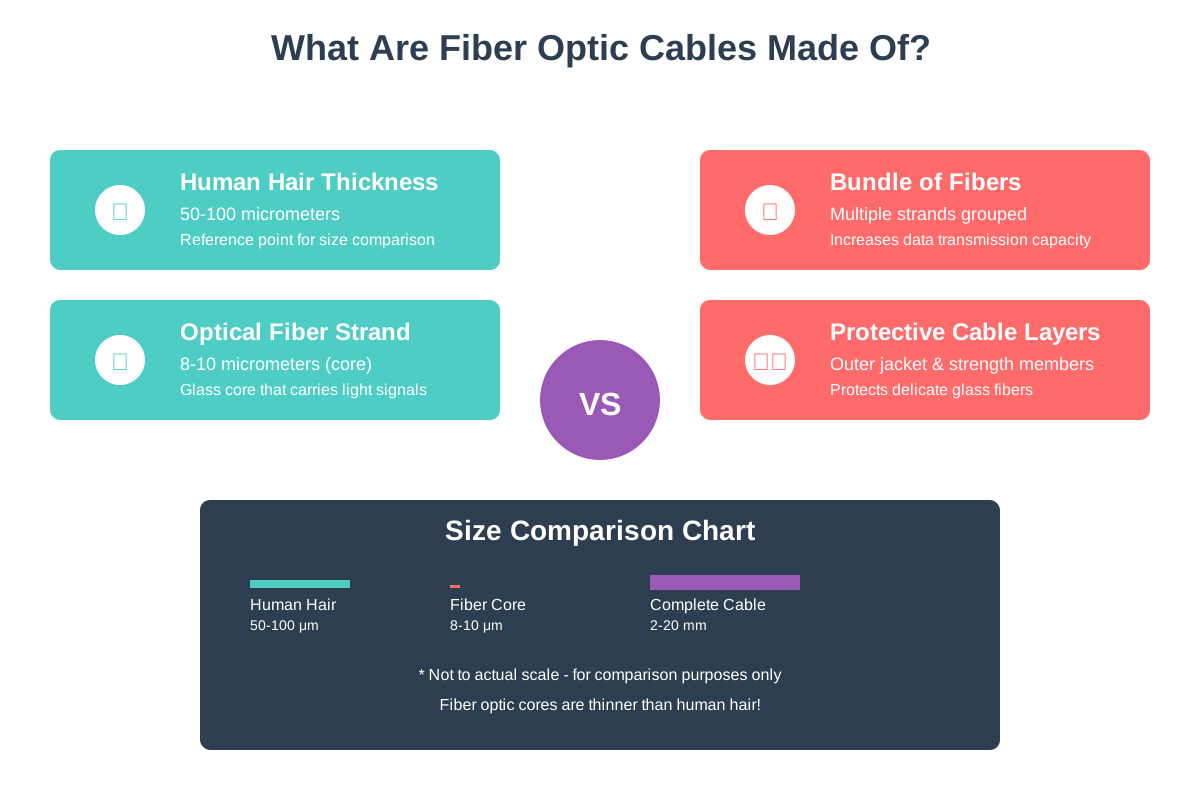
What Are Fiber Optic Cables Made Of?
Fiber optic cables contain incredibly thin strands of pure glass called optical fibers. Each fiber is thinner than a human hair but can carry millions of phone calls or internet data at once. Multiple fibers are bundled together and protected by strong outer layers.
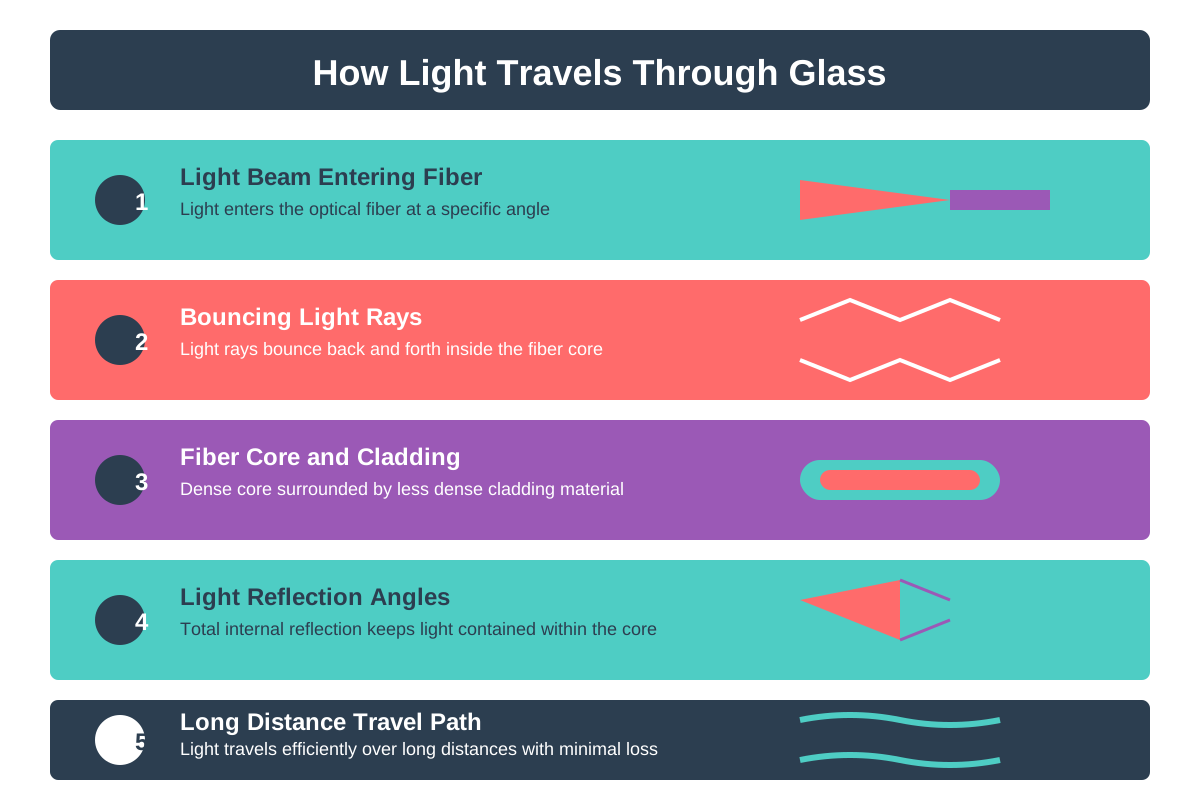
How Light Travels Through Glass
Light signals bounce back and forth inside the glass fiber using a process called total internal reflection. The light never escapes because it hits the walls at just the right angle. This allows the light to travel for miles without losing strength.
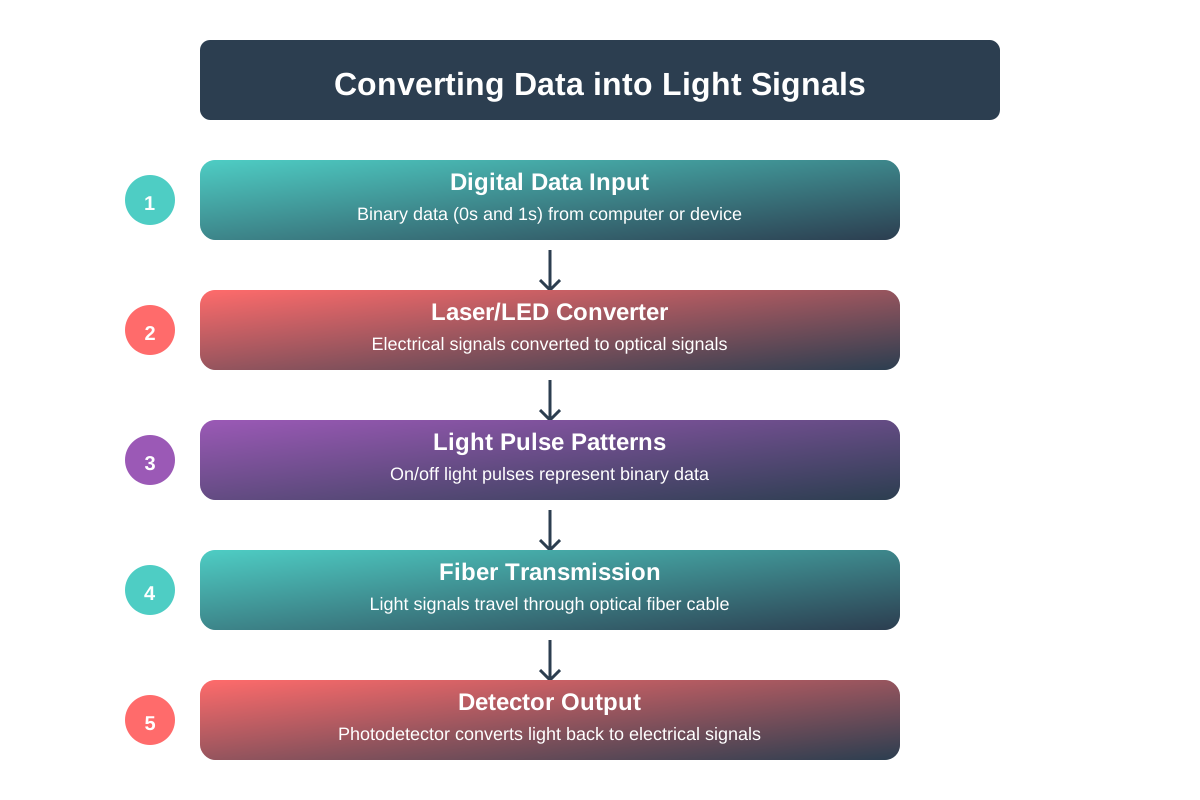
Converting Data into Light Signals
Your internet data gets converted into flashes of light using special devices called lasers or LEDs. These light pulses represent digital information as on-off patterns. At the other end, detectors read these light patterns and convert them back into usable data.
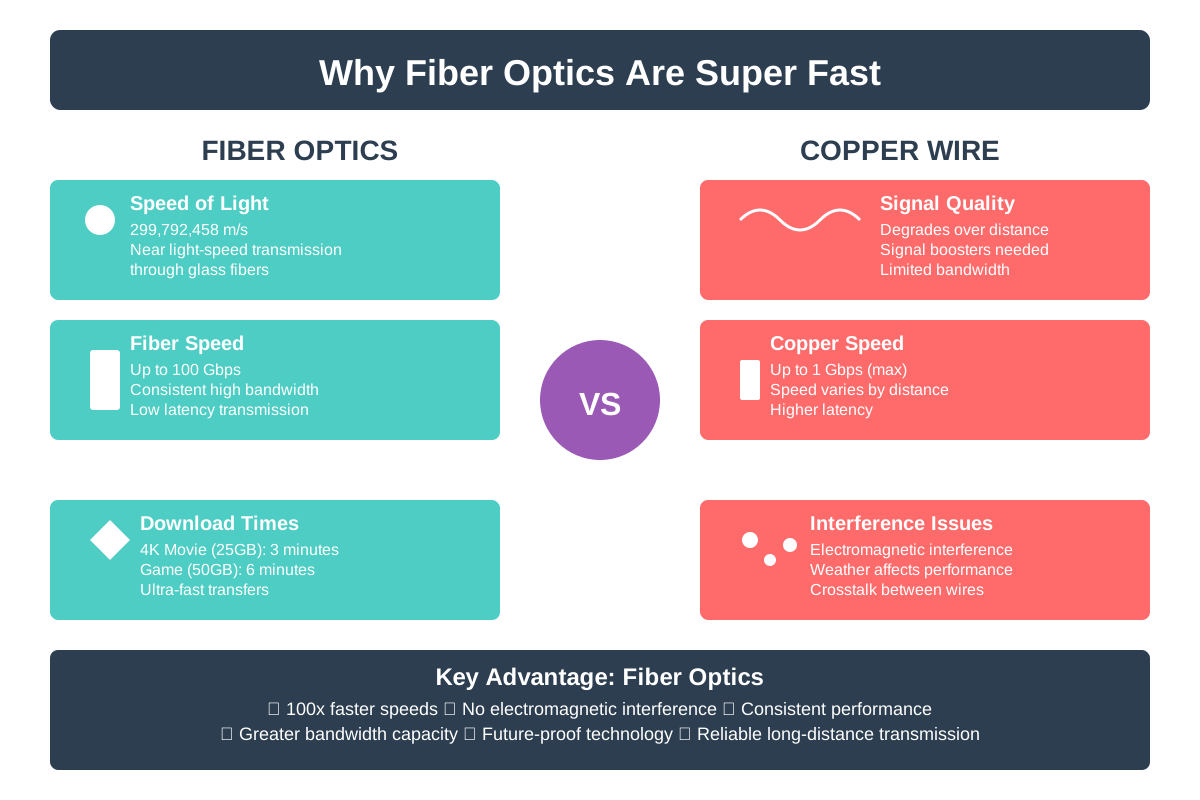
Why Fiber Optics Are Super Fast
Light travels at 186,000 miles per second, making fiber optics incredibly fast for sending information. Unlike electrical signals in copper wires, light signals don't slow down or interfere with each other. This means you can download movies in seconds instead of hours.
Connecting the World with Underwater Cables
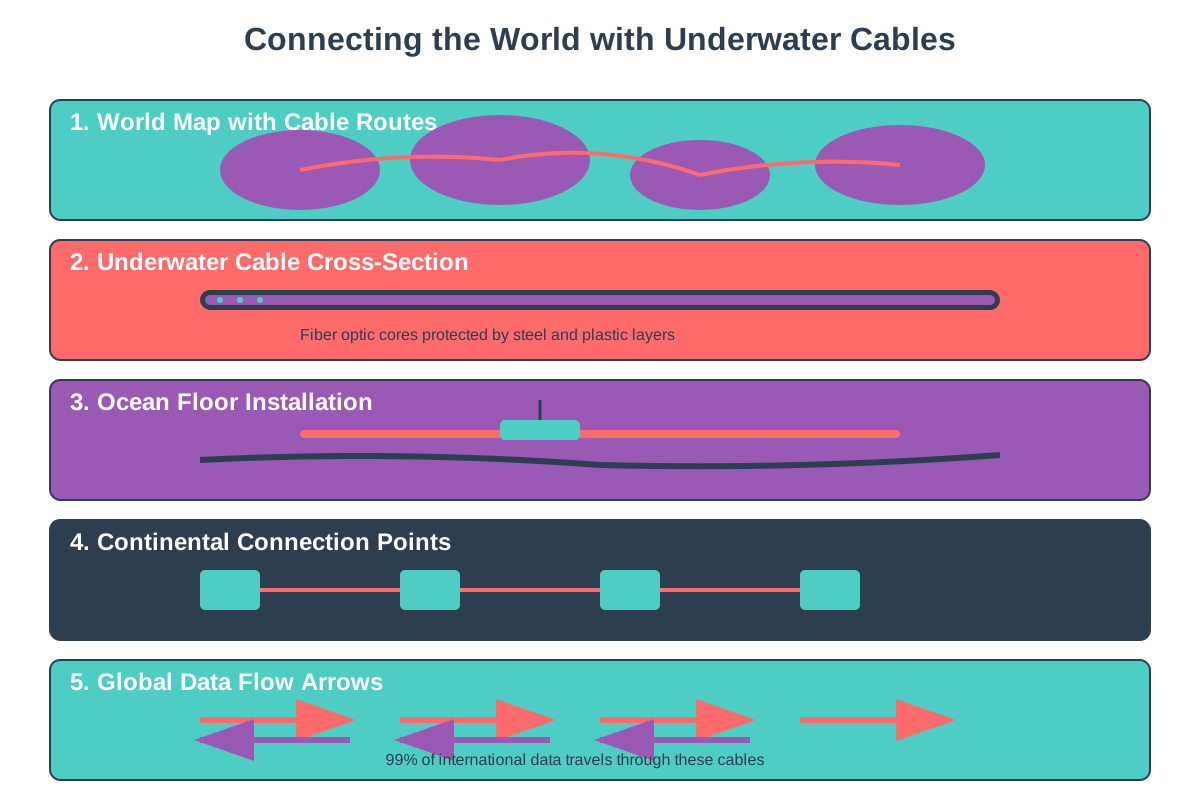
Massive fiber optic cables run along ocean floors to connect continents together. These underwater cables are heavily protected from sharks, anchors, and water damage. When you video chat with someone on another continent, your data travels through these ocean cables.
From Cables to Your Home Internet
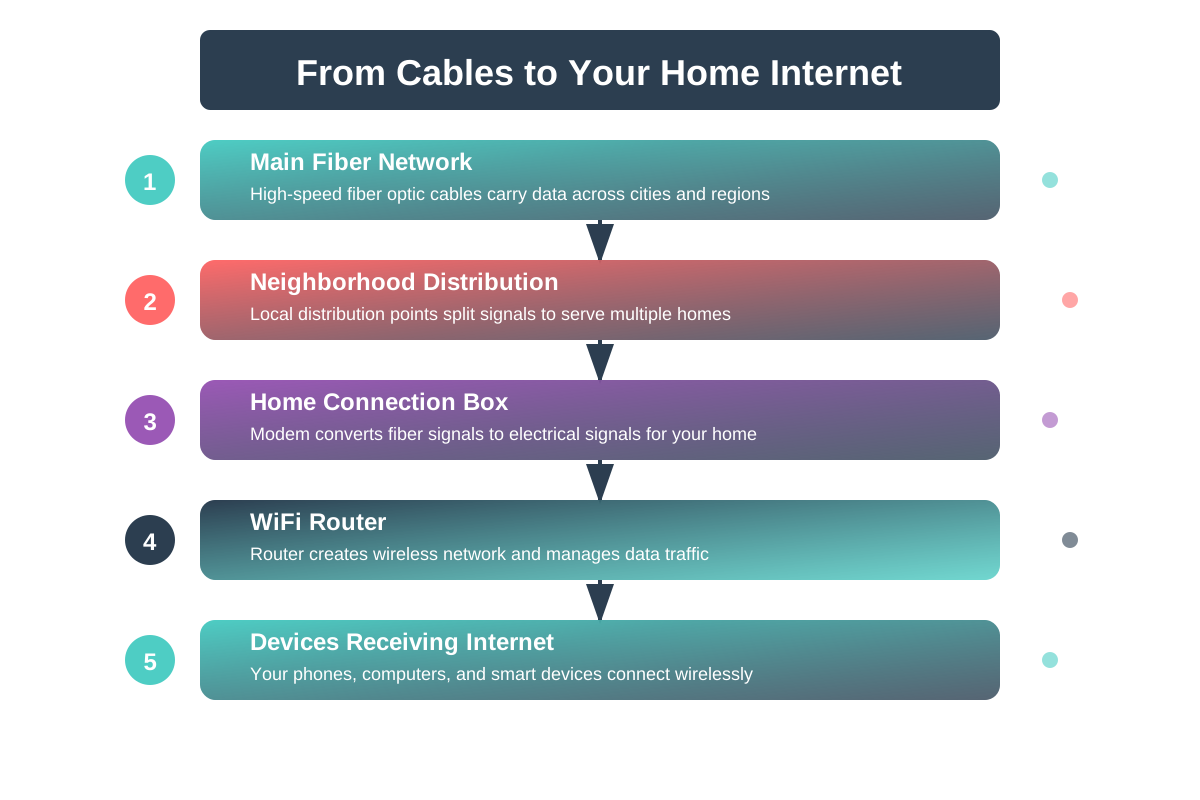
Fiber optic networks branch out from main cables to reach neighborhoods and homes. Special equipment converts the light signals into WiFi and ethernet connections you can use. This fiber-to-home technology gives you the fastest internet possible.
Quick Recap ✨
- Fiber optic cables use light bouncing through ultra-thin glass fibers to carry internet data at the speed of light
- Your digital information gets converted into light pulses that travel through protected glass strands without losing quality
- These cables connect the entire world, including underwater ocean cables that link continents together