
How Fiber Optic Cables Carry the Internet with Light
Visual learning made easy - infographics and simple explanations
A glass strand thinner than your hair carries the entire internet across oceans using nothing but light!
Fiber optic cables use light signals traveling through ultra-thin glass fibers to transmit data at incredible speeds. These cables form the backbone of our internet, carrying information as pulses of light that bounce through glass cores.
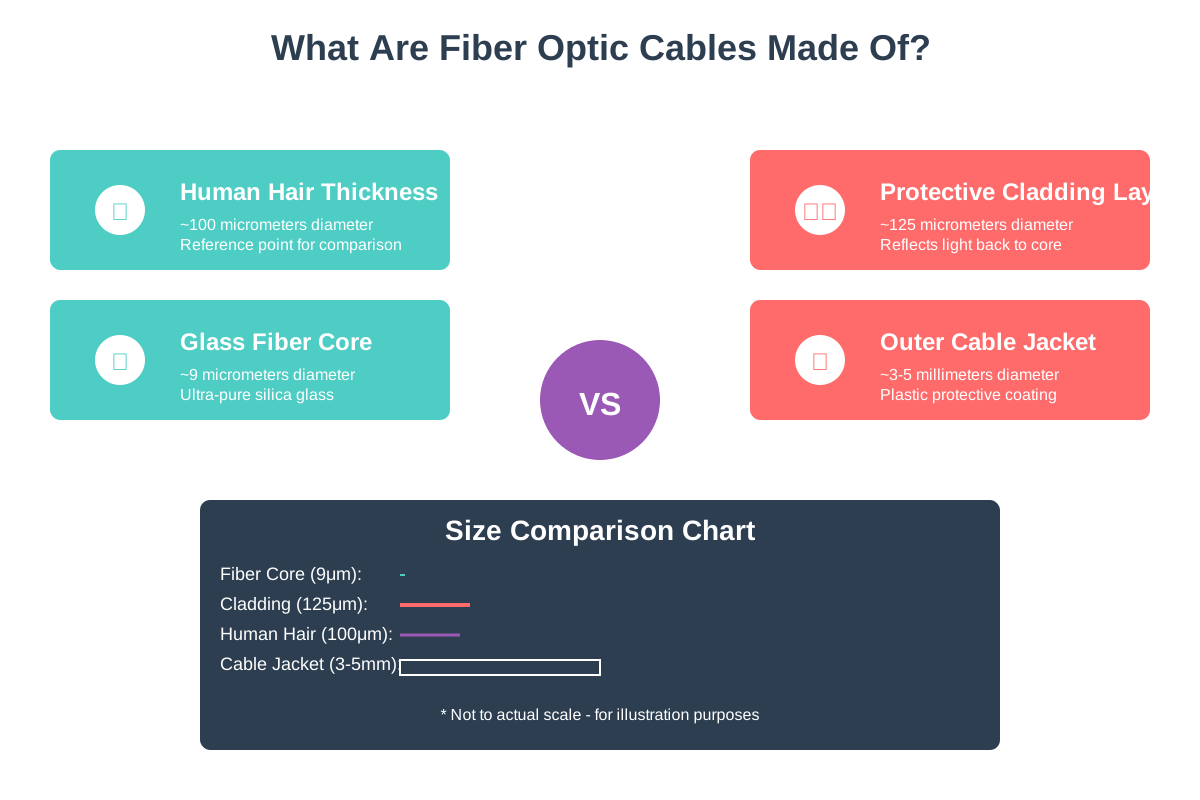
What Are Fiber Optic Cables Made Of?
Fiber optic cables contain thousands of glass strands, each thinner than a human hair. Each strand has a core made of pure glass surrounded by a reflective coating called cladding. The outer layers protect these delicate glass fibers from damage.
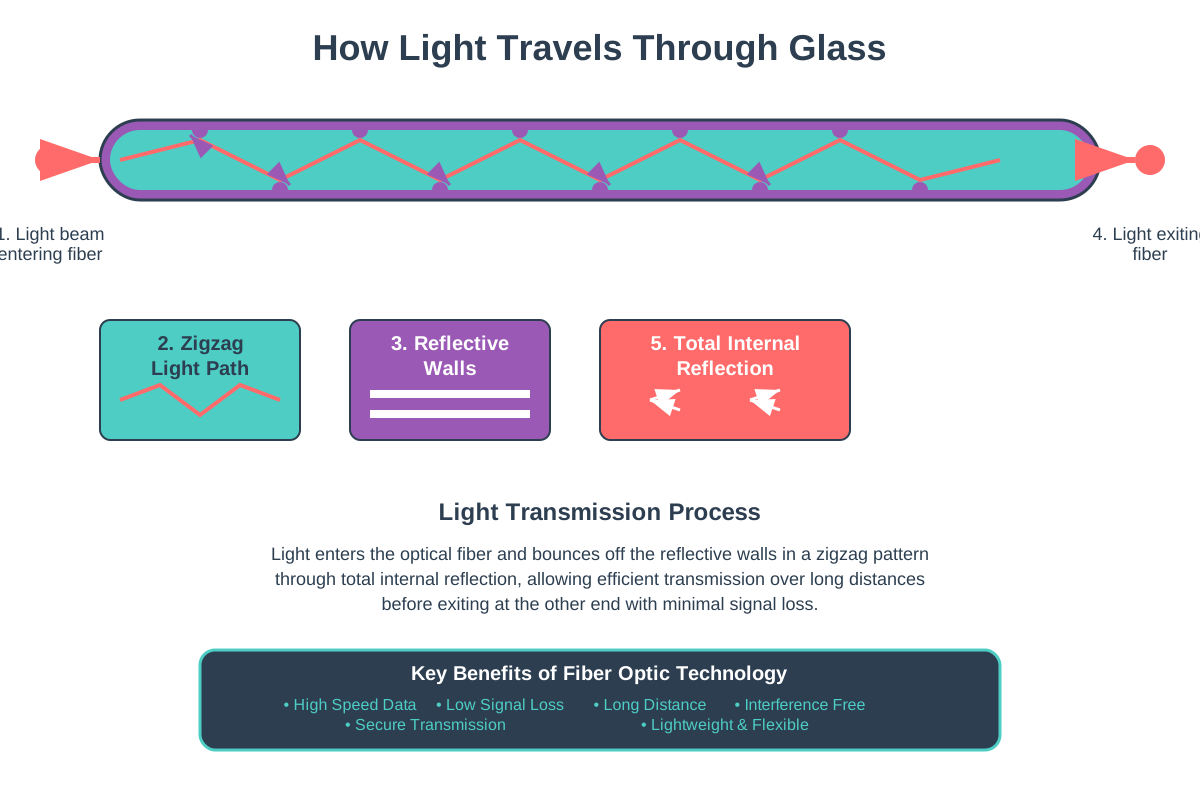
How Light Travels Through Glass
Light enters one end of the fiber and bounces off the walls as it travels to the other end. This bouncing effect is called total internal reflection, which keeps the light trapped inside the glass core. The light can travel for miles without losing much strength.
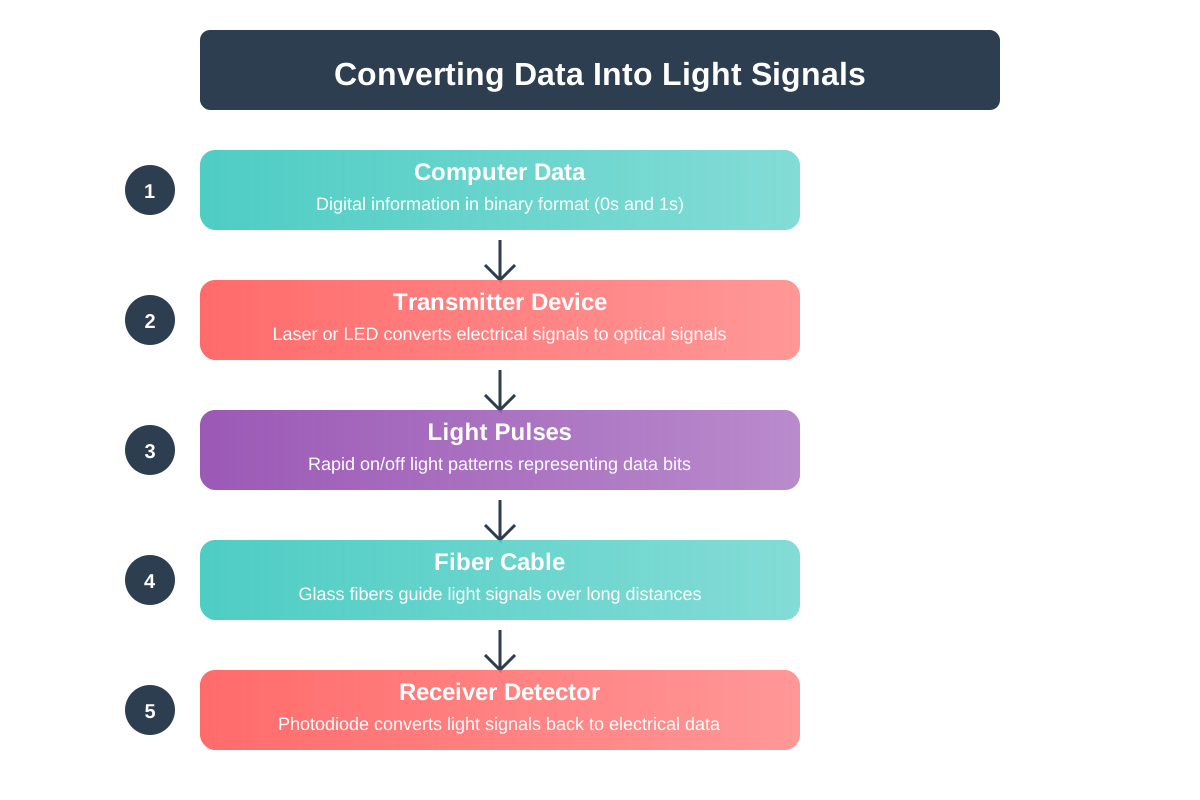
Converting Data Into Light Signals
Your internet data gets converted into rapid pulses of light by special devices called transmitters. These light pulses represent digital information as on-off patterns, like a super-fast morse code. At the receiving end, detectors convert the light back into electrical signals your devices can understand.
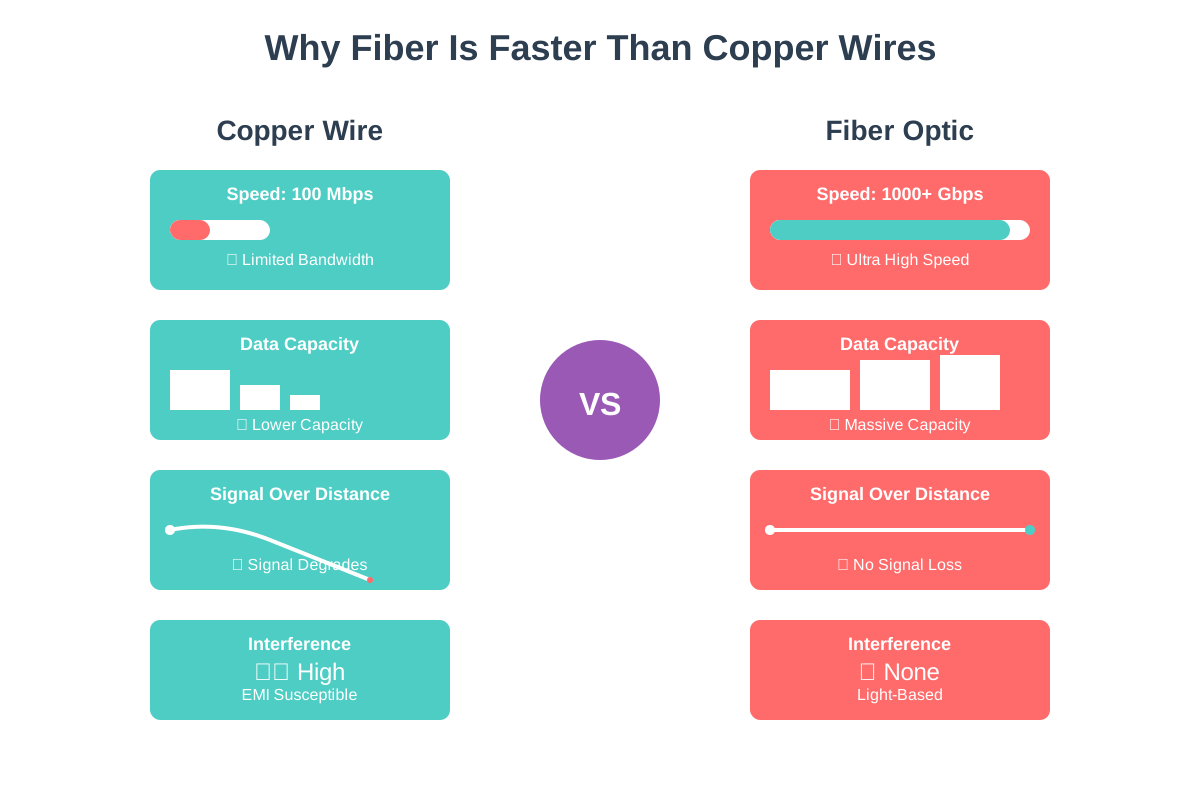
Why Fiber Is Faster Than Copper Wires
Light travels much faster through glass than electricity travels through copper wires. Fiber cables can carry thousands of times more information without interference from electrical signals. They also don't lose signal strength over long distances like copper cables do.
Underwater Internet Highways
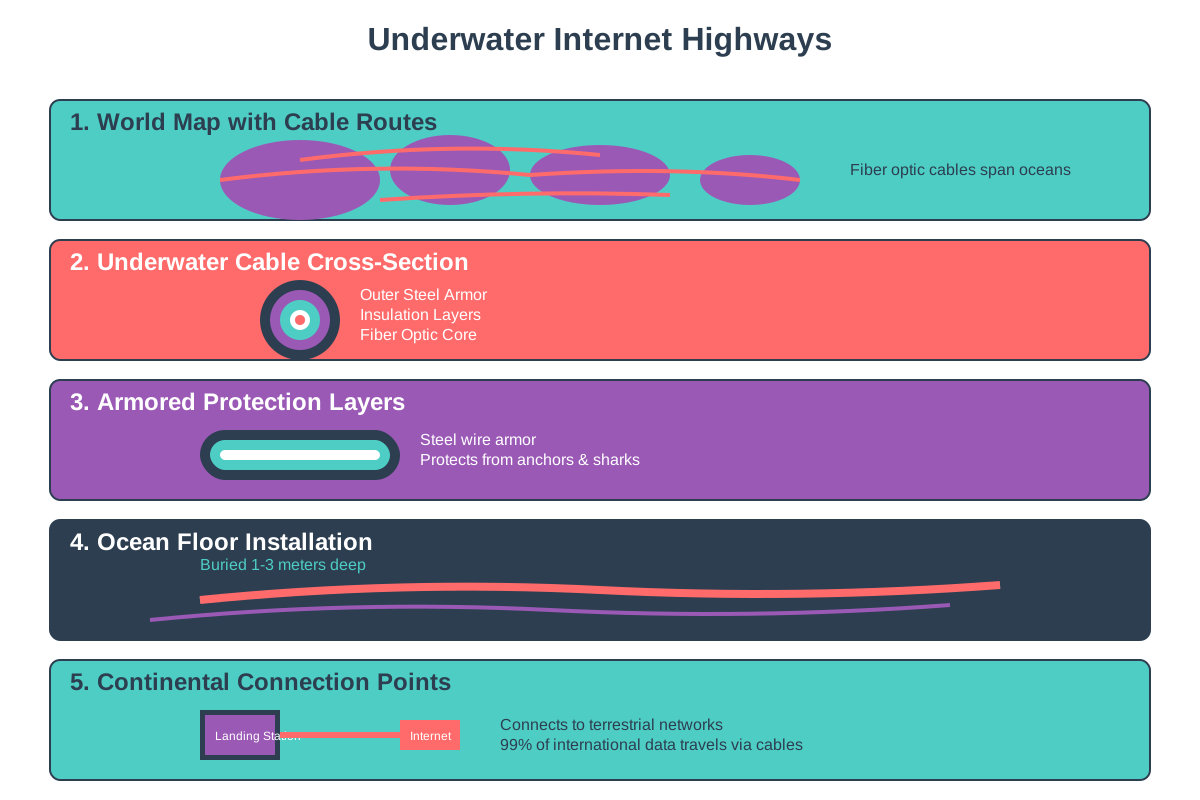
Massive fiber optic cables run along ocean floors to connect continents. These underwater cables are heavily armored to protect against ship anchors, sharks, and water pressure. They carry most of the world's international internet traffic between countries.
From Ocean to Your Home
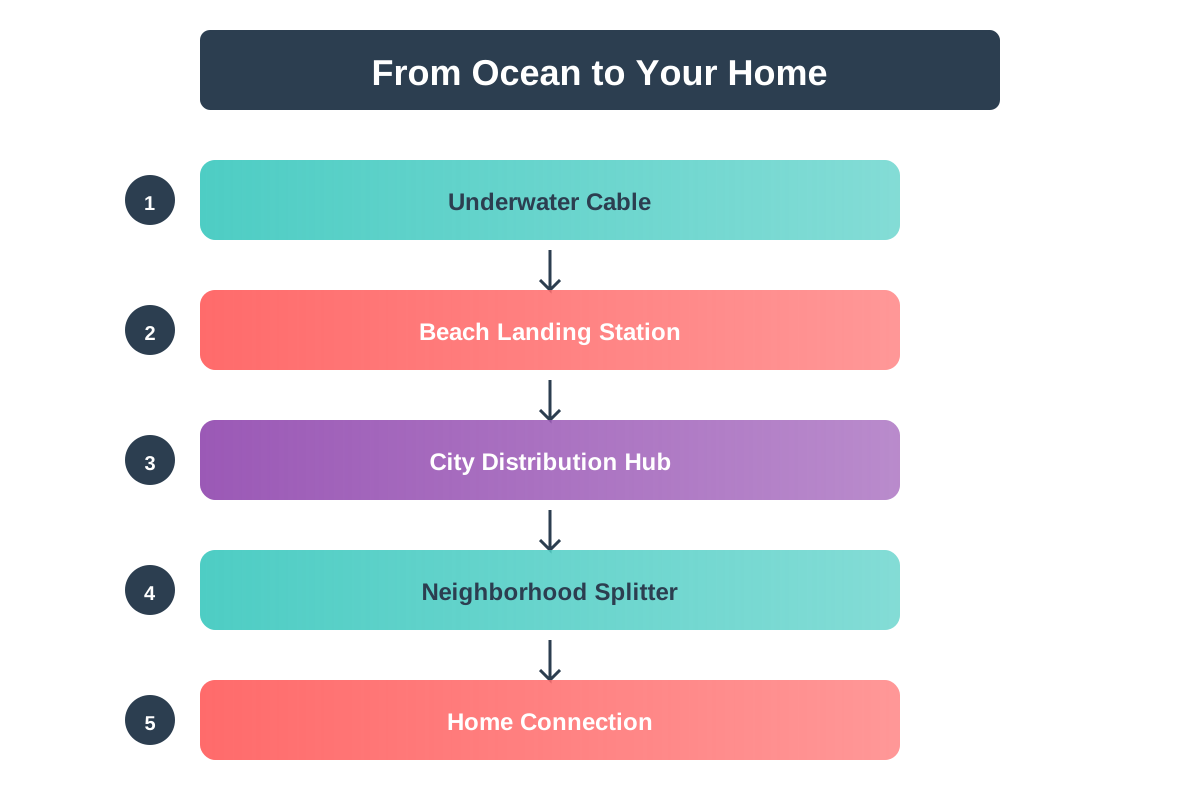
The journey from underwater cables to your home involves many steps and different types of equipment. Large cables split into smaller ones at landing stations, then travel through cities to neighborhoods. Finally, they connect to your home through local distribution networks.
Quick Recap ✨
- Fiber optic cables use light pulses traveling through thin glass strands to carry internet data
- Light bounces through the glass core using total internal reflection, allowing signals to travel long distances
- These cables connect continents underwater and bring high-speed internet to our homes and devices