
How Everyday Things Are Made: Factory Secrets Revealed!
Visual learning made easy - infographics and simple explanations
Ever wonder how your favorite snacks, clothes, and gadgets magically appear in stores?
Manufacturing is the process of turning raw materials into finished products through organized steps and machines. Understanding how things are made helps us appreciate the work and resources that go into creating everyday items we use.
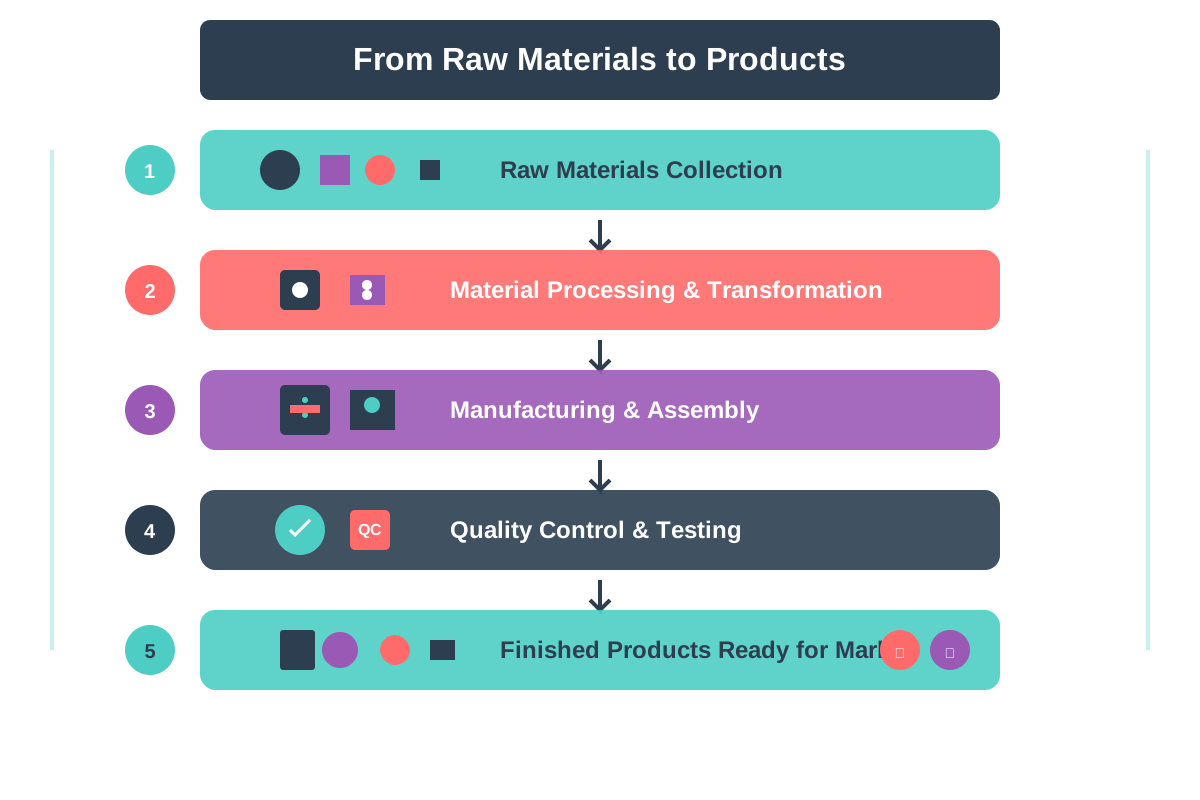
From Raw Materials to Products
Every item starts with basic materials like wood, metal, plastic, or fabric. These raw materials get transformed through cutting, heating, molding, or mixing. The goal is to change simple materials into something useful and recognizable.
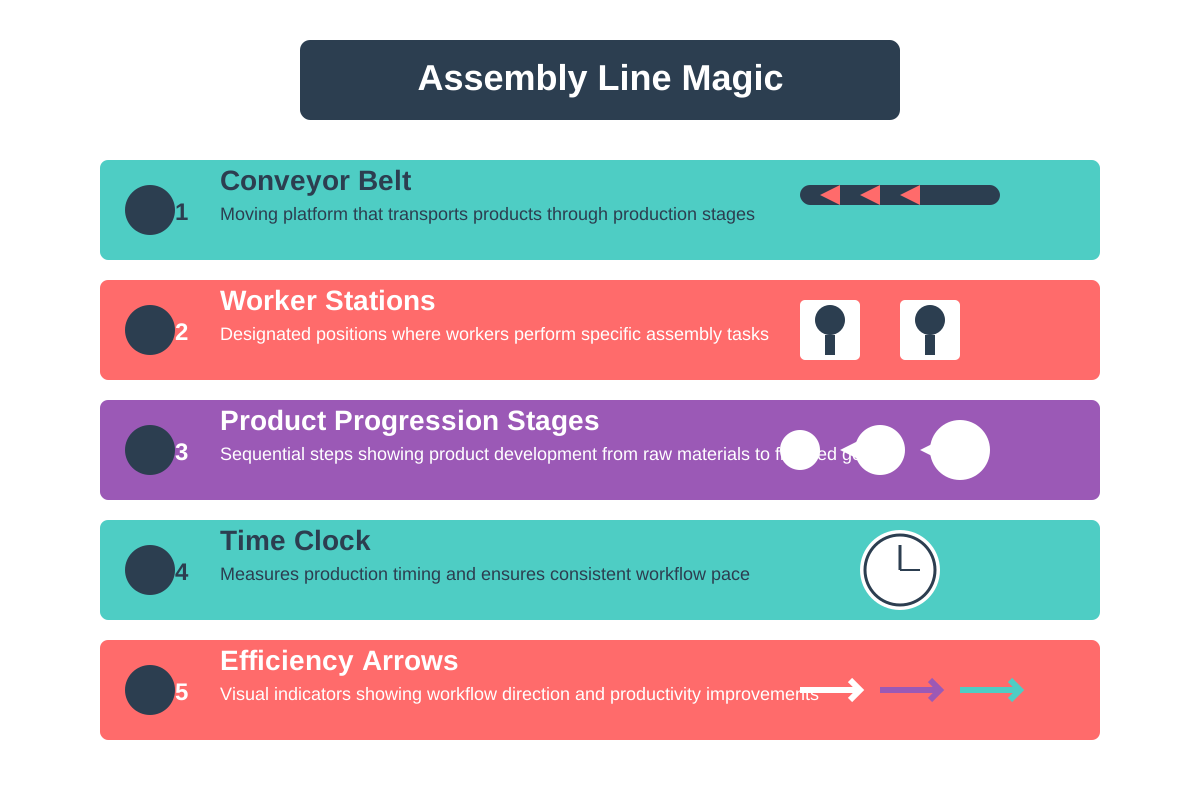
Assembly Line Magic
Most products are made on assembly lines where each worker does one specific job. This system makes production faster and more efficient than having one person make the entire product. Each station adds a new part or completes a specific step in the process.
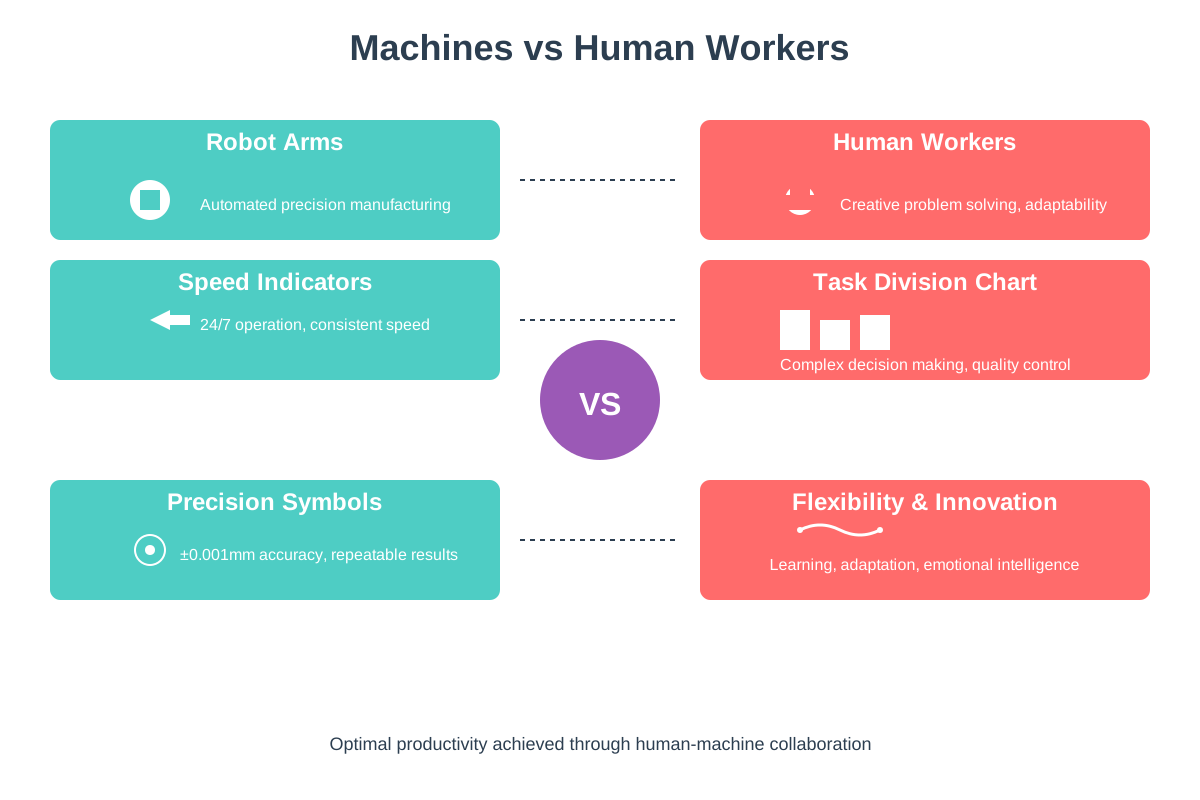
Machines vs Human Workers
Modern factories use both machines and people to make products. Machines are great for repetitive tasks and heavy lifting, while humans handle quality control and complex assembly. The combination of both creates the most efficient production system.
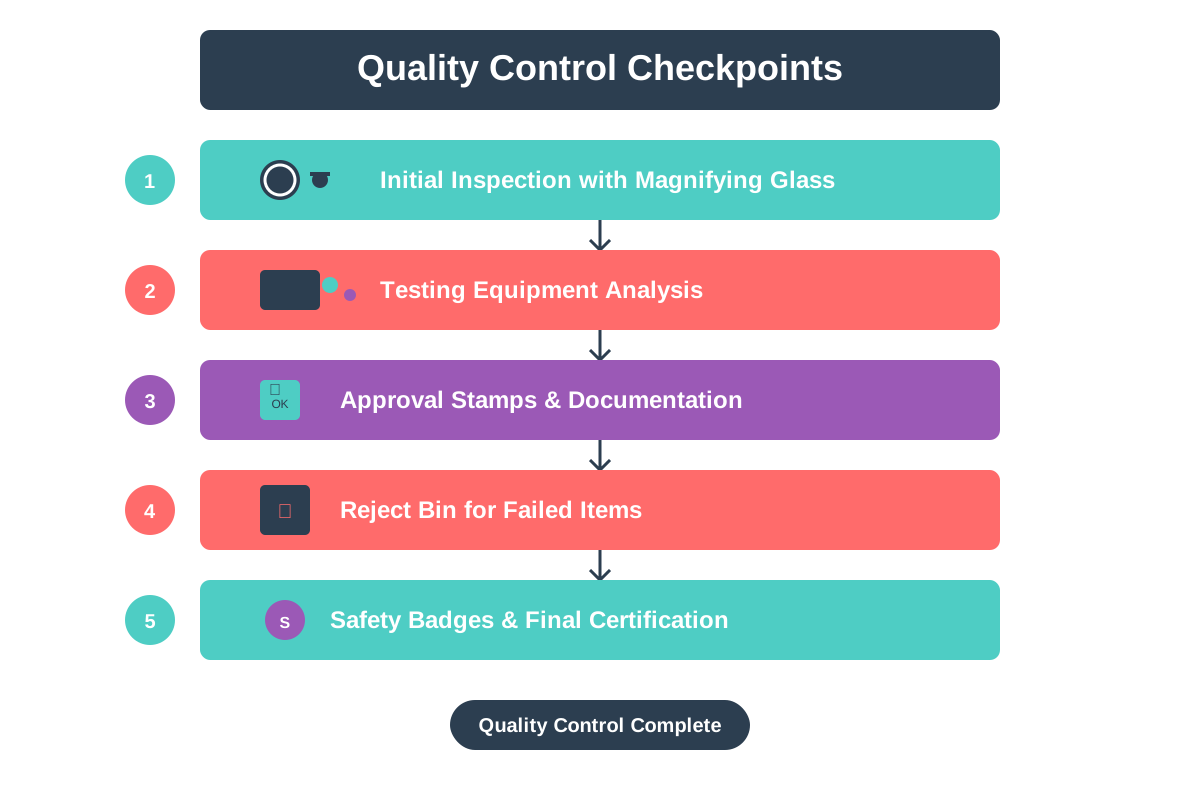
Quality Control Checkpoints
Products get tested multiple times during manufacturing to make sure they work properly and are safe. Quality control workers check for defects, test durability, and ensure everything meets safety standards. This prevents bad products from reaching customers.
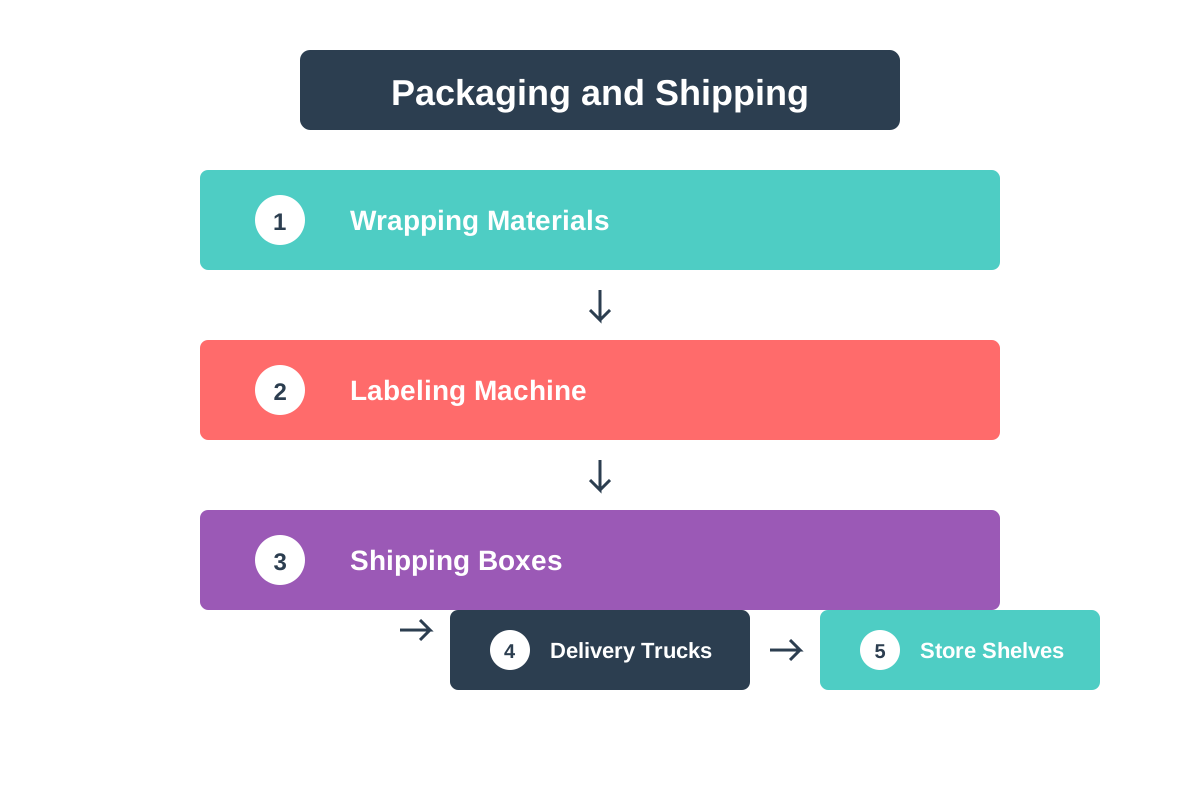
Packaging and Shipping
After products are made, they need protective packaging for shipping to stores. The packaging process involves wrapping, labeling, and boxing items for transport. Good packaging keeps products safe and makes them look appealing to customers.
Environmental Impact
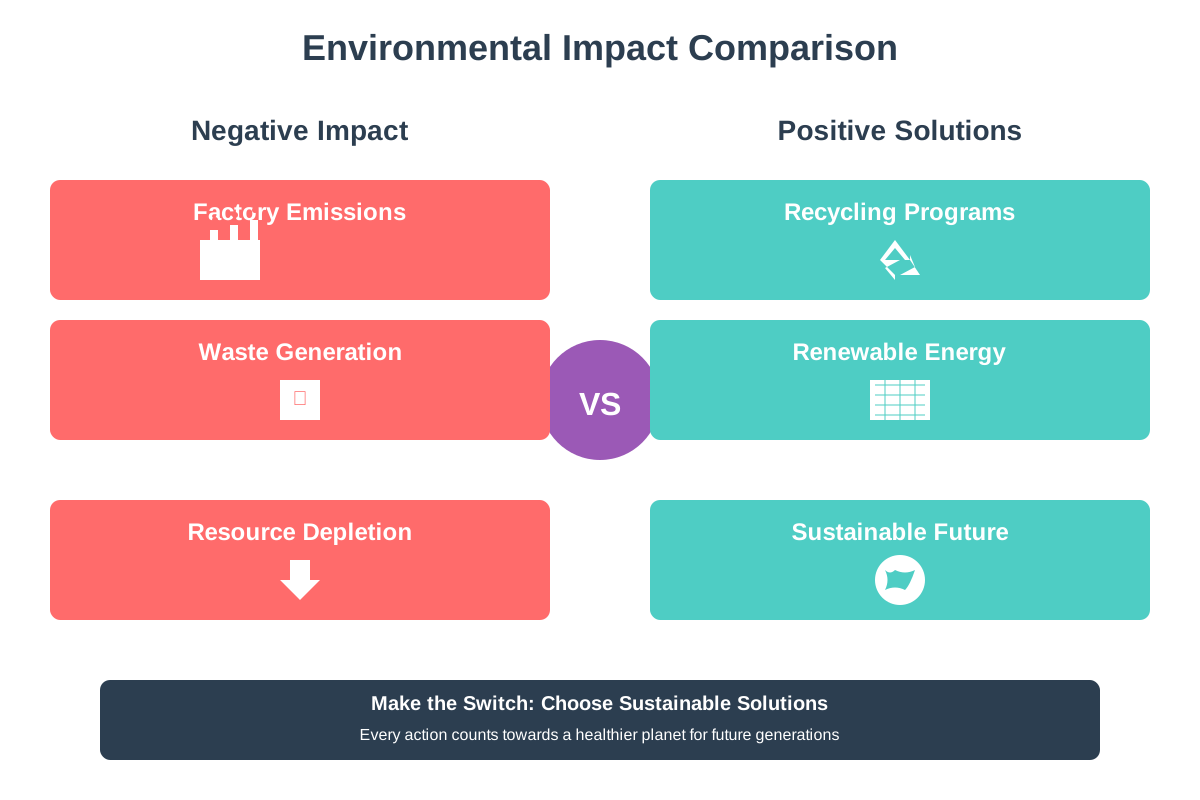
Manufacturing affects our planet through energy use, waste production, and resource consumption. Many companies now focus on recycling materials and reducing waste to protect the environment. Understanding this impact helps us make better choices as consumers.
Quick Recap ✨
- Manufacturing transforms raw materials into finished products through organized steps and quality control
- Assembly lines combine human workers and machines to create products efficiently and safely
- Modern manufacturing considers environmental impact and focuses on reducing waste and energy use