
Growing New Organs: The Amazing Science of Lab-Grown Parts
Visual learning made easy - infographics and simple explanations
Scientists can now empty out an organ like a house, keep its structure, and fill it with fresh new cells!
Lab-grown organs are created by removing all cells from a donor organ while keeping its natural framework intact. Scientists then add new cells to rebuild a working organ that won't be rejected by the patient's body.
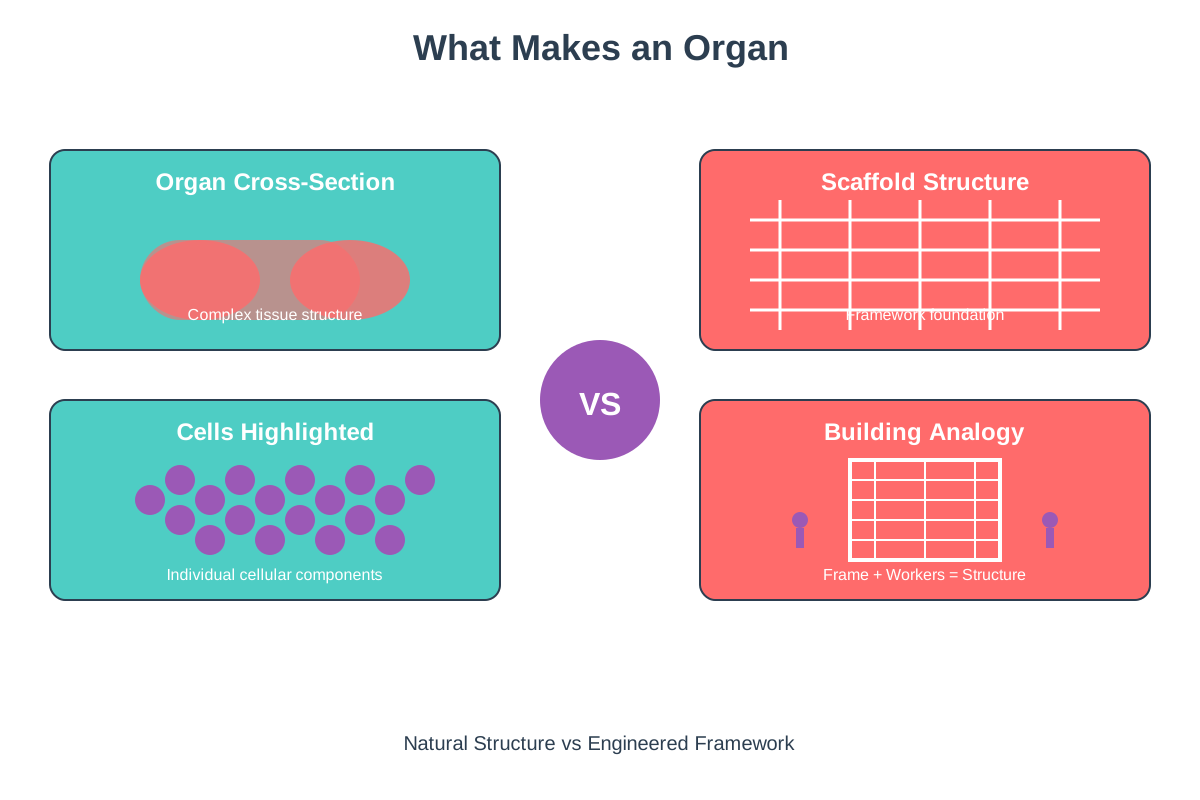
What Makes an Organ
Every organ has two main parts: living cells that do the work, and a scaffold structure that holds everything in place. Think of it like a building - you have the steel frame and the people working inside.
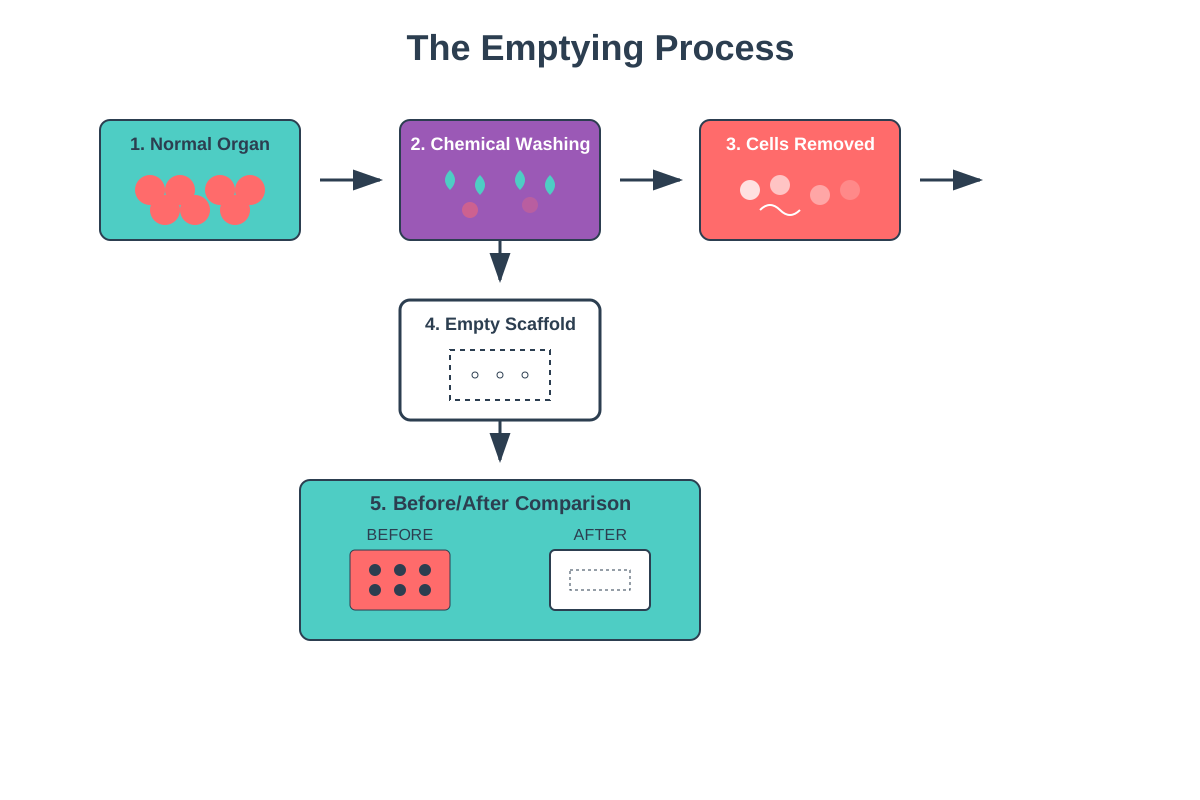
The Emptying Process
Scientists use special chemicals to wash away all the old cells from a donor organ. This process is called decellularization and it's like power-washing a house until only the frame is left. The organ becomes white and ghostly looking.
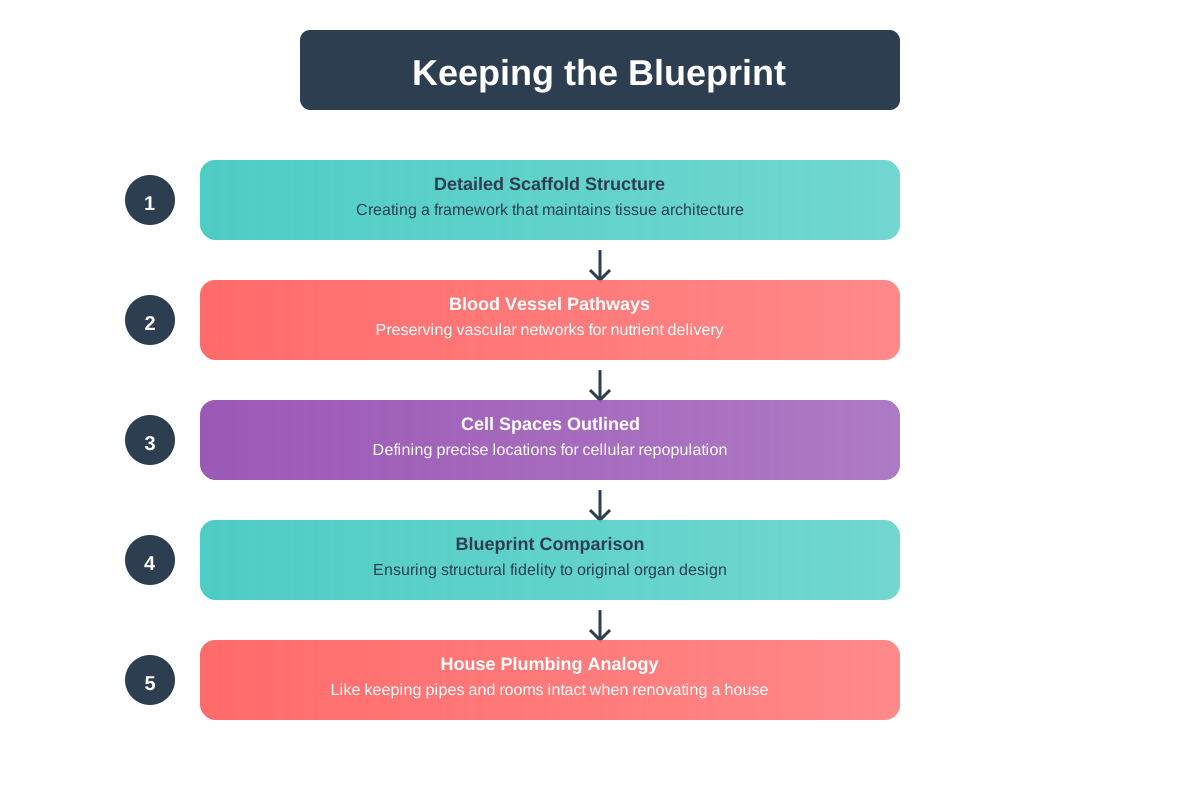
Keeping the Blueprint
The empty scaffold keeps all the tiny tubes, channels, and spaces where cells used to live. This natural blueprint tells new cells exactly where to go and how to connect. It's like keeping the plumbing and electrical systems of a house intact.
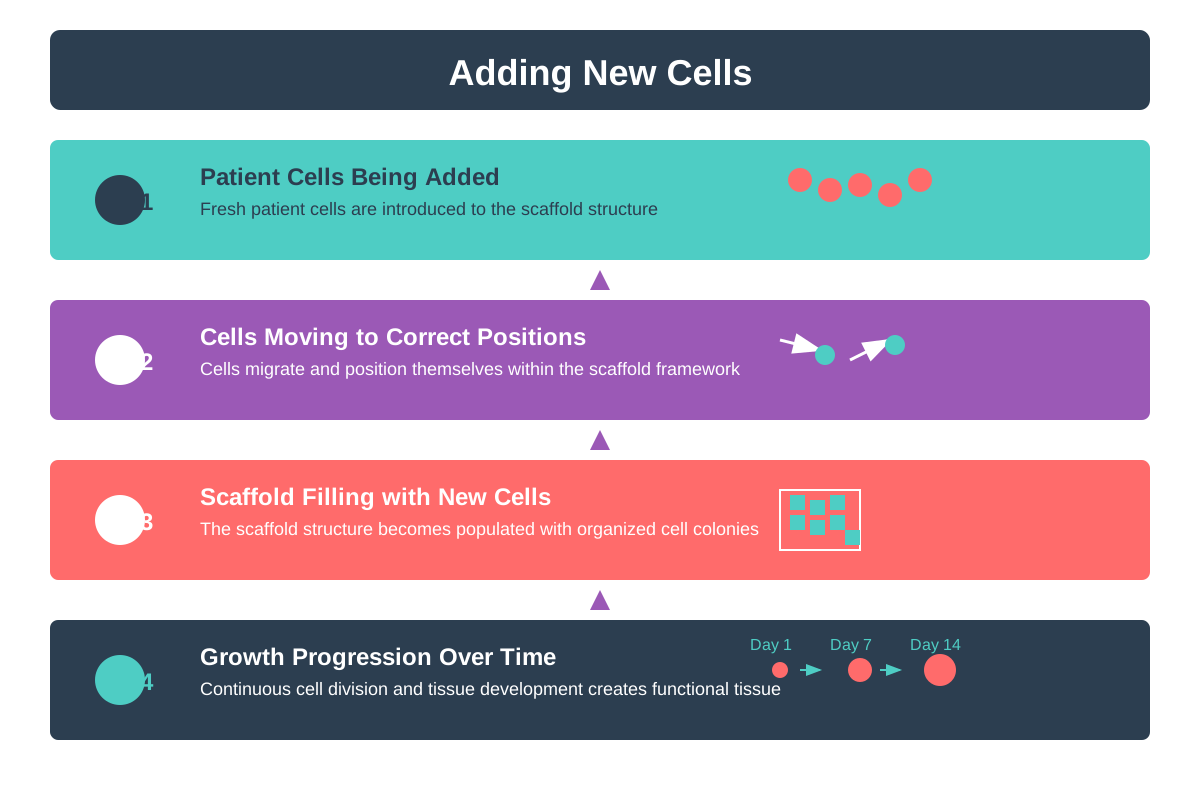
Adding New Cells
Scientists take healthy cells from the patient and place them onto the empty scaffold. The cells naturally find their way to the right spots and start growing. This process is called recellularization.
Growing in the Lab
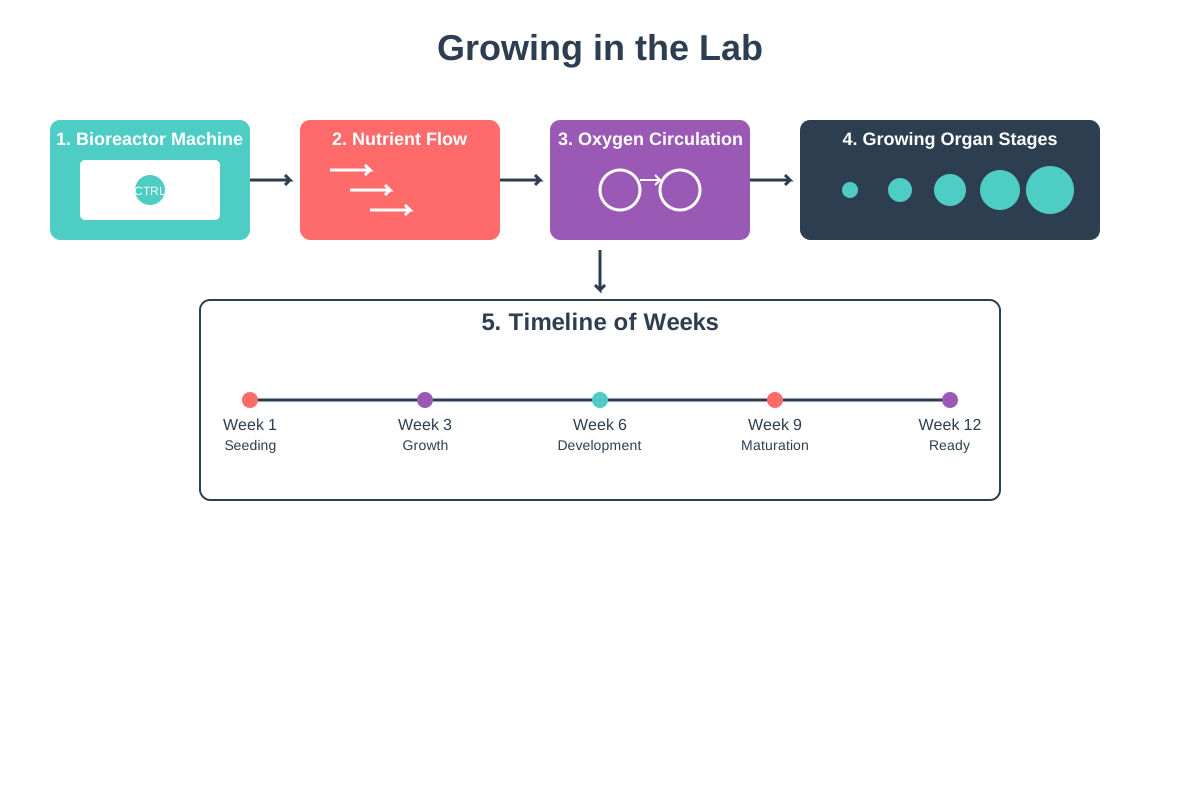
The new organ is placed in a special machine called a bioreactor that acts like a mechanical body. It pumps nutrients and oxygen to help cells grow strong and healthy. This can take several weeks.
Why This Matters
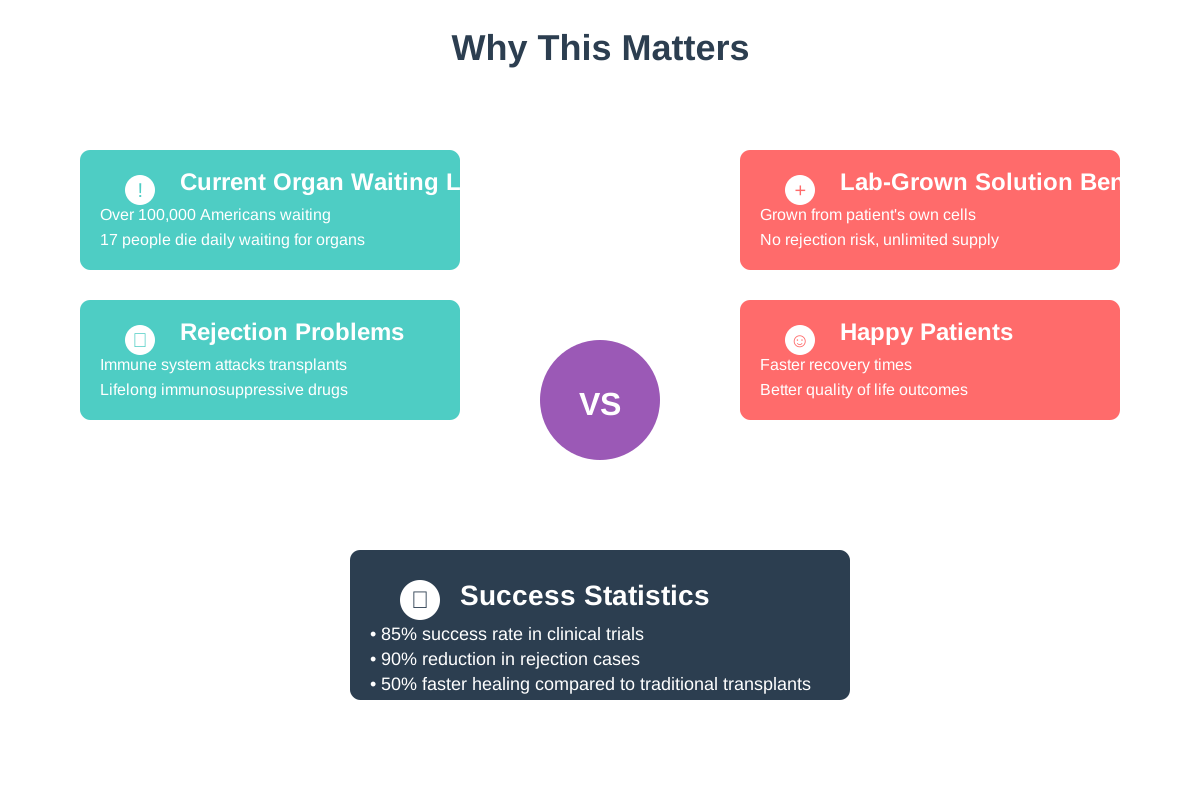
Lab-grown organs could solve the problem of organ shortages and rejection. Since the new cells come from the patient's own body, their immune system won't attack the organ. Thousands of people could get the organs they need to survive.
Quick Recap ✨
- Scientists empty donor organs while keeping their natural structure as a blueprint
- Patient's own cells are added to regrow the organ in a special lab machine
- This breakthrough could save thousands of lives by creating organs that won't be rejected