
From Plant to Pajamas: How Linen Is Made
Visual learning made easy - infographics and simple explanations
The comfy linen shirt in your closet started as a tall blue flower swaying in a field!
Linen is made from the flax plant through an amazing process that turns plant fibers into soft, breathable fabric. This ancient technique has been used for thousands of years to create one of our most beloved textiles.
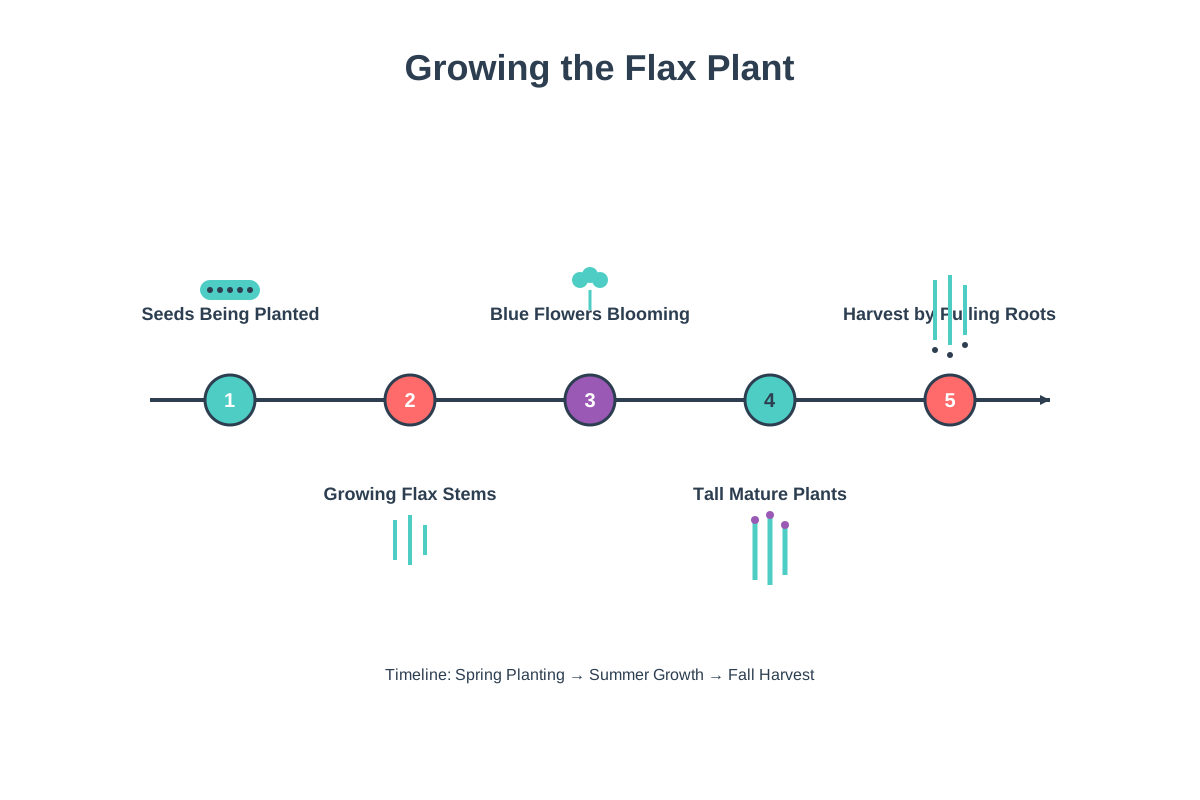
Growing the Flax Plant
Linen starts with flax, a tall plant with beautiful blue flowers that grows in cool, wet climates. The flax plant takes about 100 days to grow and produces long, strong fibers inside its stem. Farmers harvest the entire plant by pulling it from the ground, not cutting it, to get the longest possible fibers.
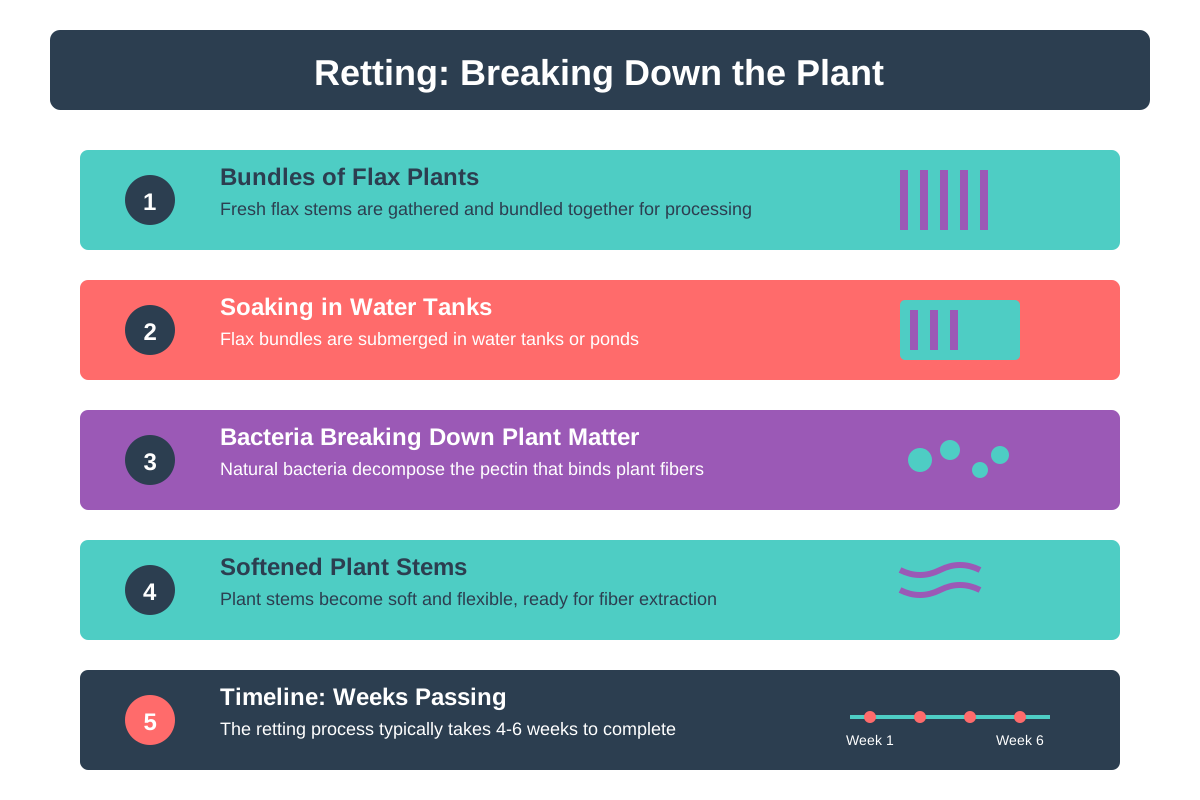
Retting: Breaking Down the Plant
After harvest, flax plants go through 'retting,' where they're soaked in water or left in fields for weeks. This process uses bacteria and moisture to break down the sticky substances that hold the plant together. Think of it like how a banana peel gets soft when left outside - the plant tissues become easier to separate.
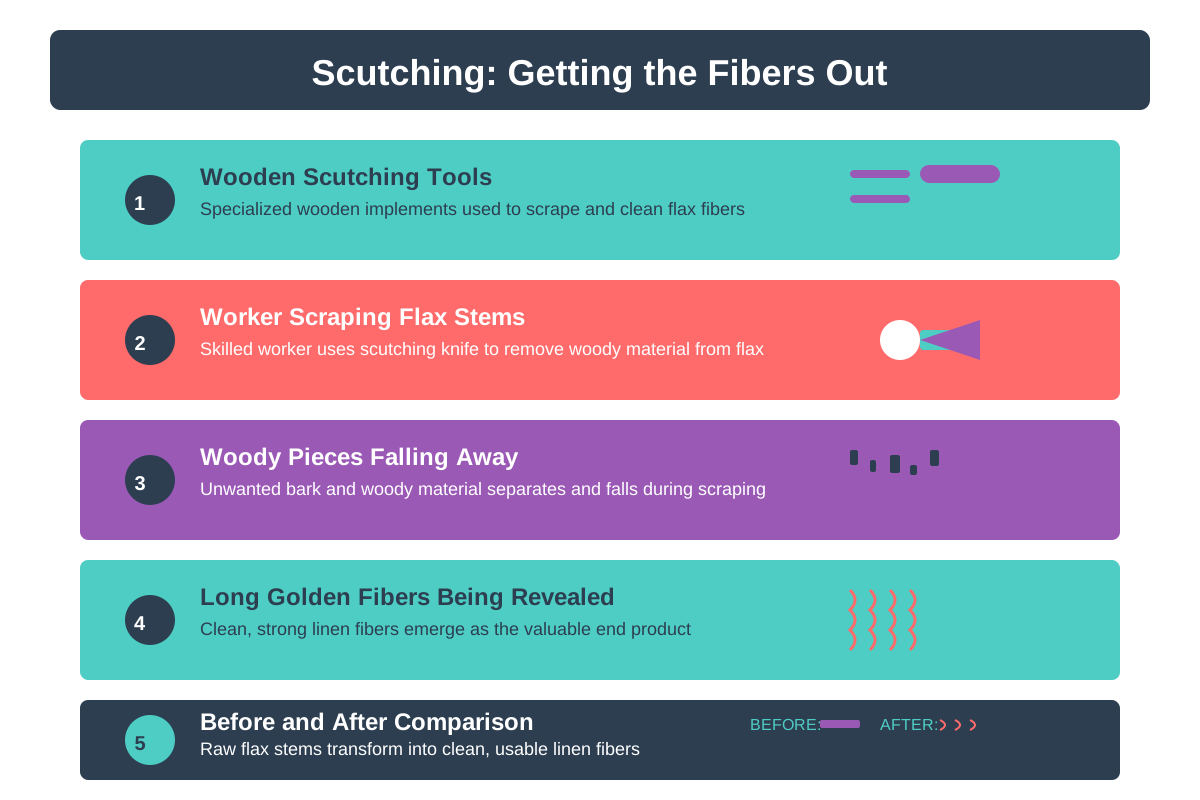
Scutching: Getting the Fibers Out
Once the flax is soft, workers use special tools to scrape away the woody parts of the stem. This process is called scutching, and it reveals the long, silky fibers hidden inside. It's like peeling celery to get to the stringy parts, but much more thorough.
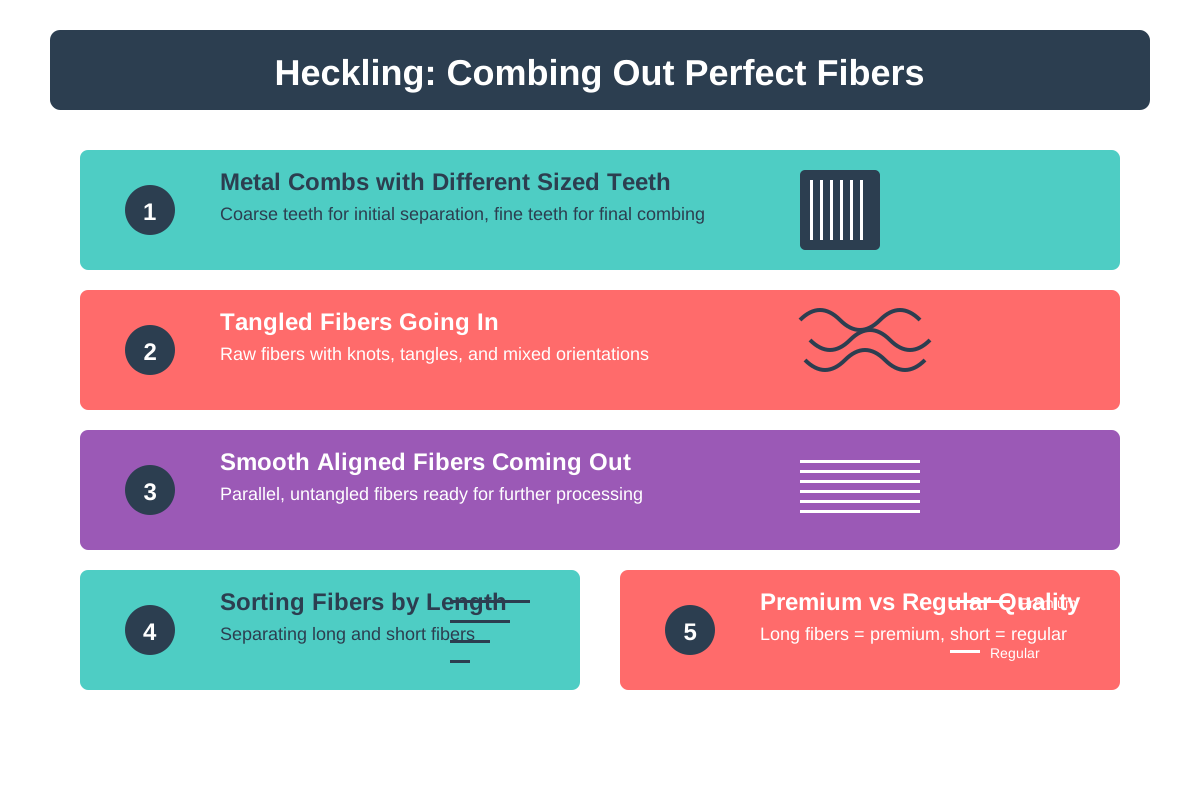
Heckling: Combing Out Perfect Fibers
The extracted fibers get combed through metal combs with increasingly fine teeth, called hackles. This removes any remaining plant bits and aligns all the fibers in the same direction. The longest, finest fibers become premium linen, while shorter ones are used for other products.
Spinning Into Thread
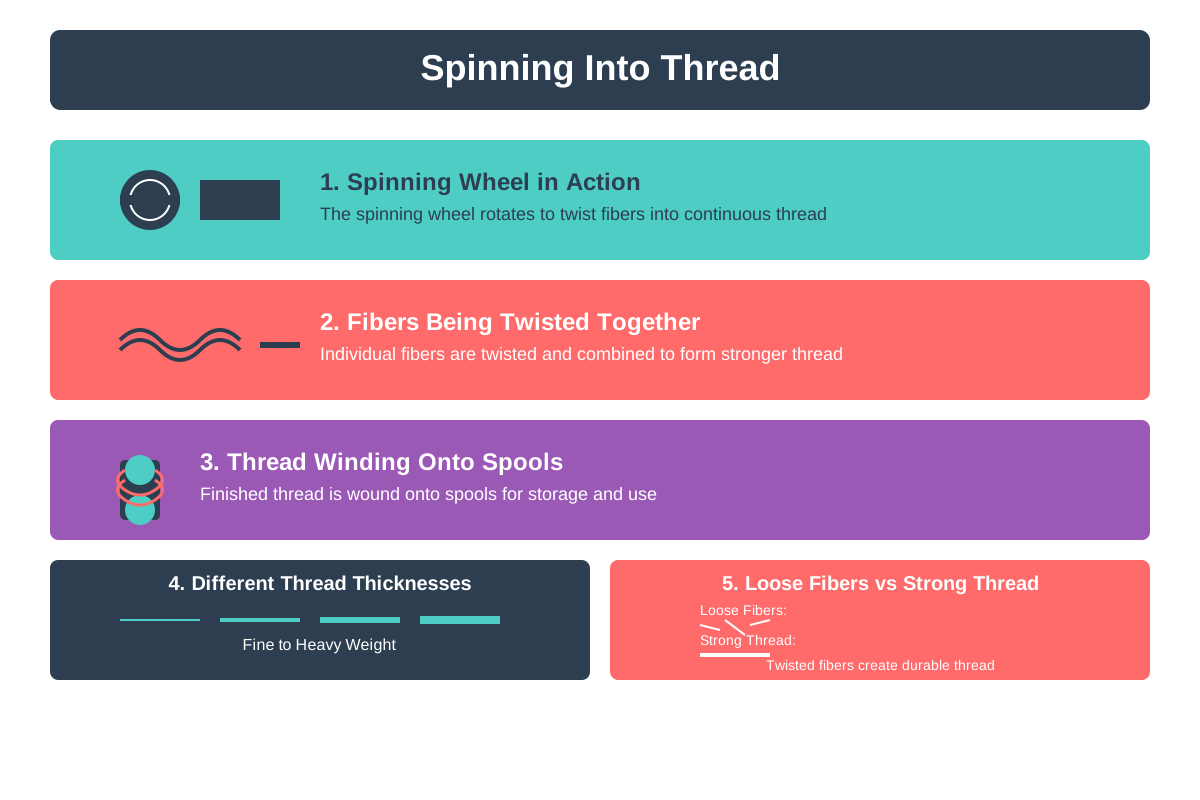
The clean flax fibers are twisted together to create strong linen thread using spinning wheels or machines. Workers carefully join the fibers end-to-end while adding twist to make them hold together. This thread can be thin for fine fabrics or thick for sturdy materials like rope.
Weaving Into Fabric
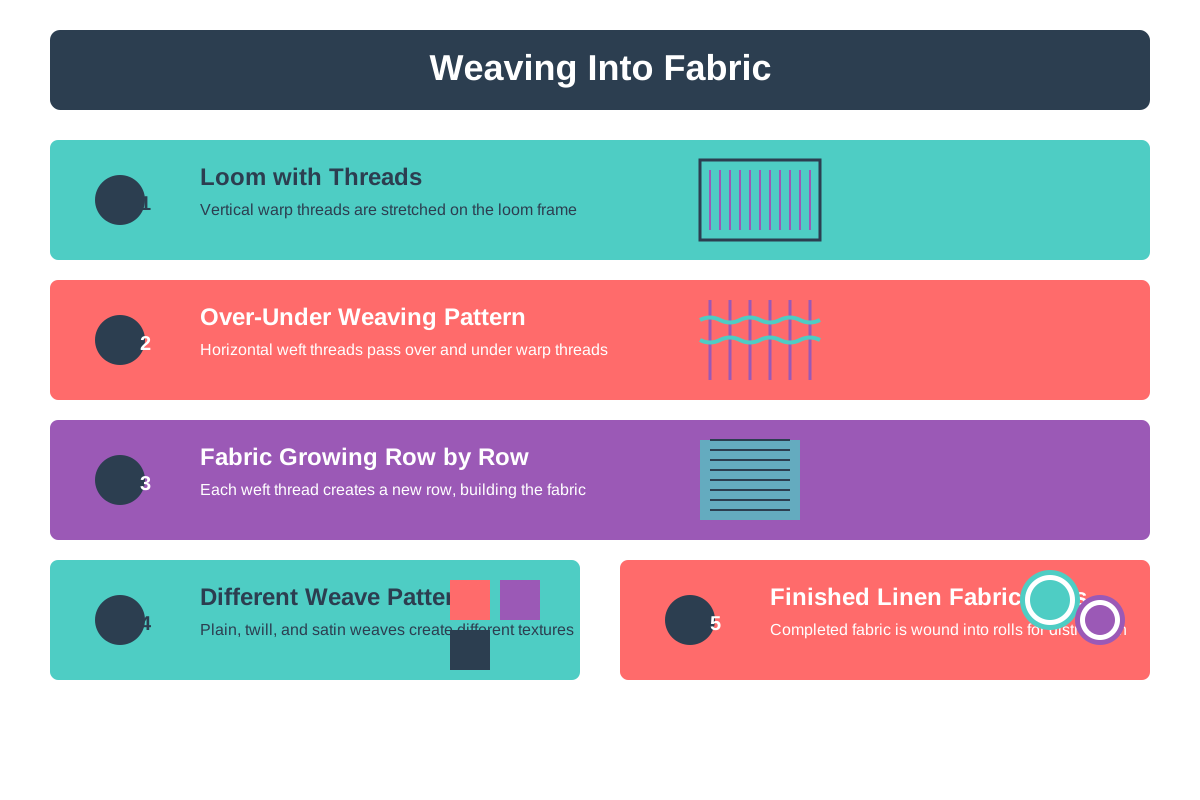
Finally, the linen threads are woven together on looms to create fabric. Threads running lengthwise (warp) are interlaced with threads going crosswise (weft) in an over-under pattern. The tightness of the weave determines whether the linen will be lightweight for summer clothes or heavy for tablecloths.
Quick Recap ✨
- Linen comes from flax plants that are soaked, scraped, and combed to extract long fibers
- These fibers are spun into strong thread and then woven together to make fabric
- This ancient process creates one of the world's most durable and breathable textiles