
From Cream to Cone: How Ice Cream Gets Made!
Visual learning made easy - infographics and simple explanations
Ever wonder how your favorite ice cream goes from liquid ingredients to frozen treats in millions of containers?
Ice cream mass production involves mixing ingredients, freezing while churning, adding mix-ins, and packaging at lightning speed. Modern factories can produce thousands of ice cream containers per hour using specialized machines and careful temperature control.
Mixing the Base
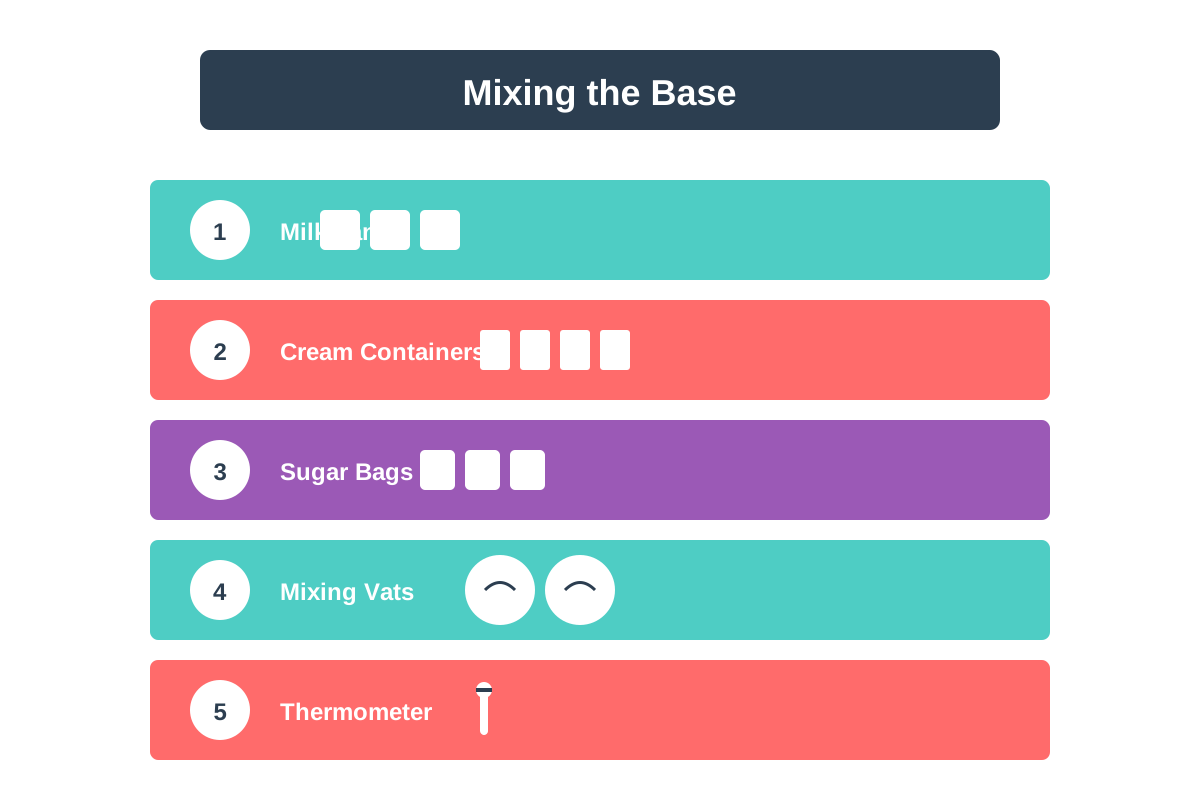
The ice cream journey starts with mixing cream, milk, sugar, and flavorings in giant tanks. These ingredients are heated and blended until they form a smooth, creamy mixture called the base. Quality control checks make sure every batch tastes exactly the same.
Churning and Freezing
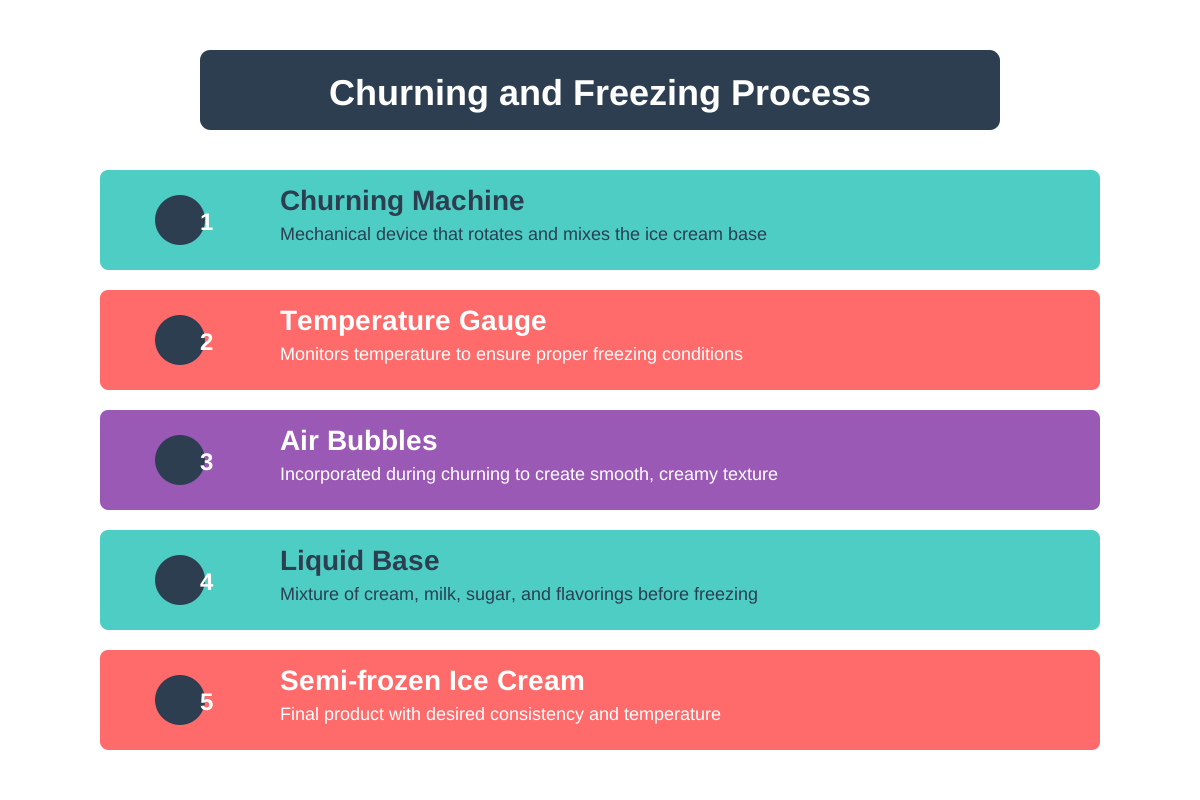
The mixed base gets pumped into special freezing machines that churn it while cooling it down rapidly. This churning adds air bubbles, making the ice cream light and fluffy instead of solid ice. The temperature drops to around -5°C during this step.
Adding Mix-ins
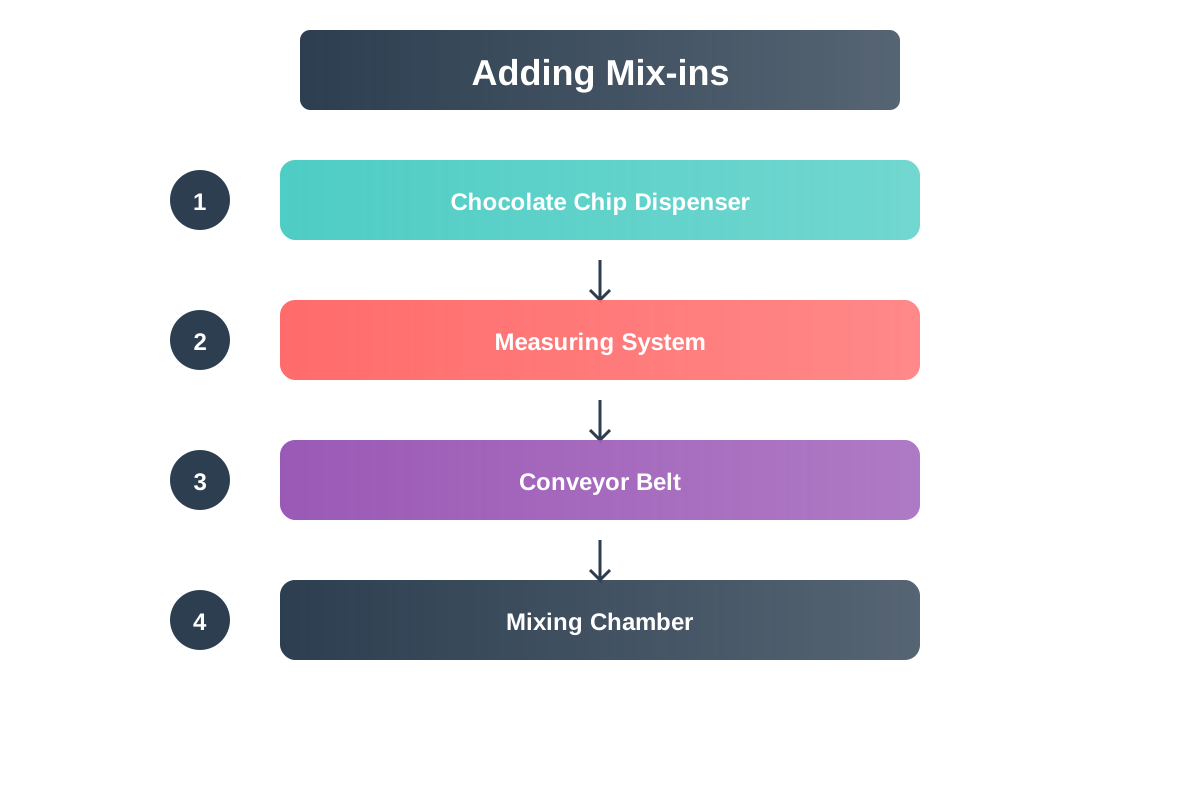
Chocolate chips, nuts, fruit pieces, or cookie chunks get added through special dispensers. These machines carefully measure exact amounts so every container has the same number of mix-ins. The semi-frozen ice cream is perfect for holding these extras without breaking them.
Container Filling
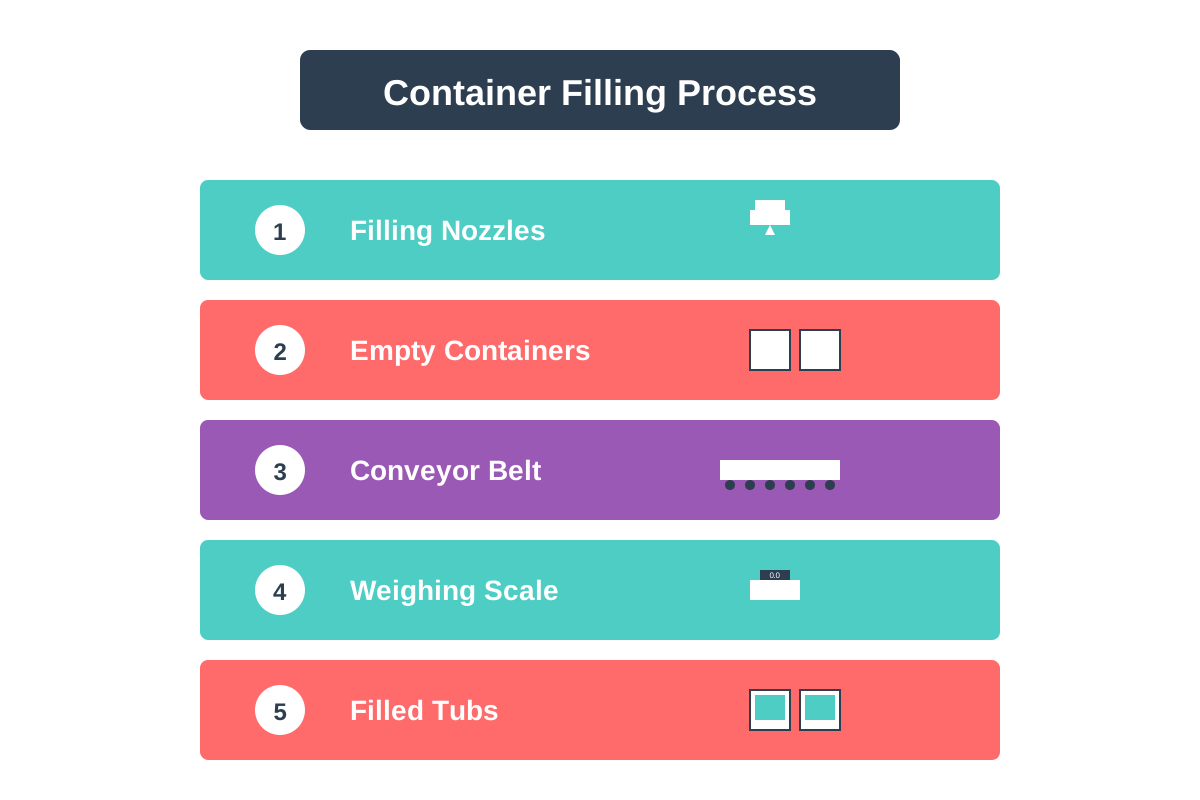
Automatic filling machines pump the ice cream into containers at incredible speeds. Each container gets weighed to ensure the exact right amount, and machines can fill hundreds of tubs per minute. The containers move along conveyor belts like a frozen highway.
Final Freezing
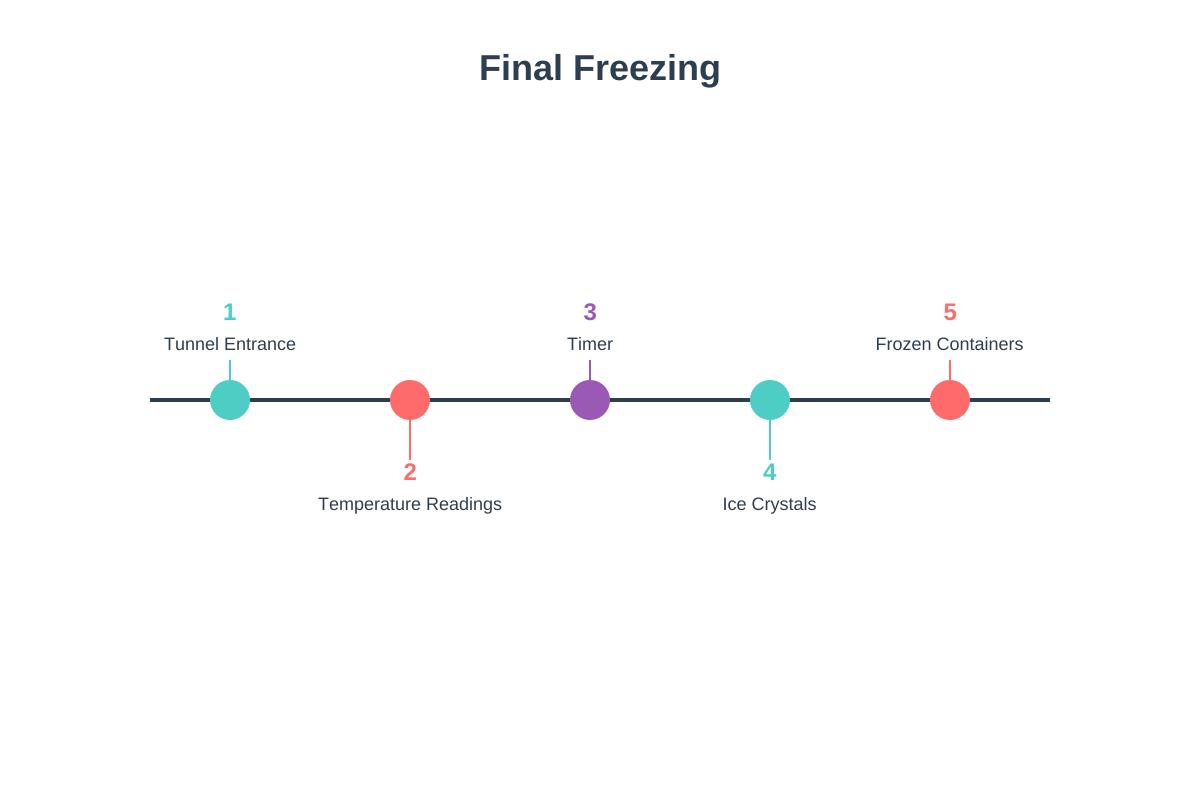
The filled containers enter a blast freezer tunnel where temperatures drop to -30°C or lower. This quick freeze prevents large ice crystals from forming, keeping the ice cream smooth and creamy. The containers spend about 30 minutes in this super-cold tunnel.
Quality Control and Packaging
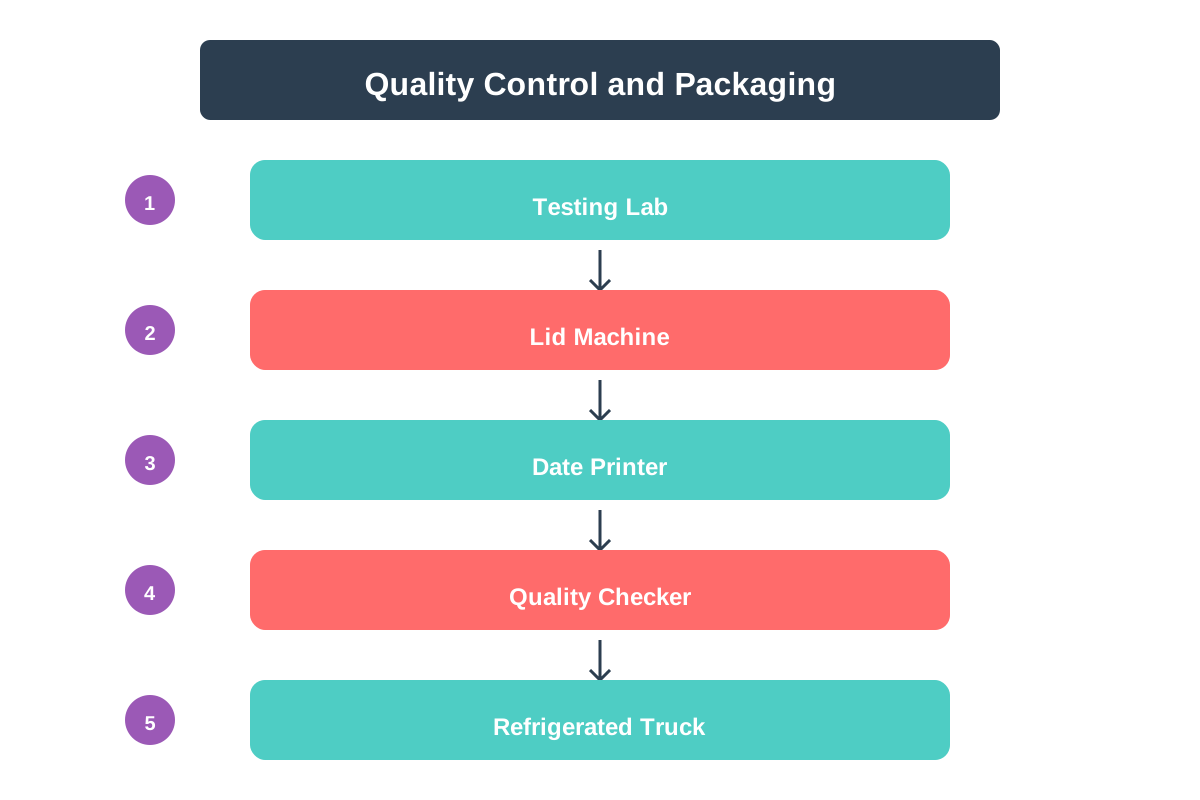
Before leaving the factory, samples get tested for taste, texture, and safety. Machines add lids, print expiry dates, and apply labels automatically. The finished ice cream gets loaded into refrigerated trucks to stay frozen until it reaches stores.
Quick Recap ✨
- Ice cream production starts with mixing cream, milk, and sugar, then freezing while churning to add air
- Mix-ins get added precisely, containers are filled and weighed automatically at high speeds
- Final blast freezing and quality control ensure every container meets standards before shipping