
Computer Basics: What Makes These Amazing Machines Work?
Visual learning made easy - infographics and simple explanations
Did you know computers are basically super-smart calculators that can think, remember, and help us do almost anything?
A computer is an electronic device that processes information, stores data, and helps us complete tasks. Understanding how computers work and their different parts helps us use technology better in our daily lives.
What is a Computer?
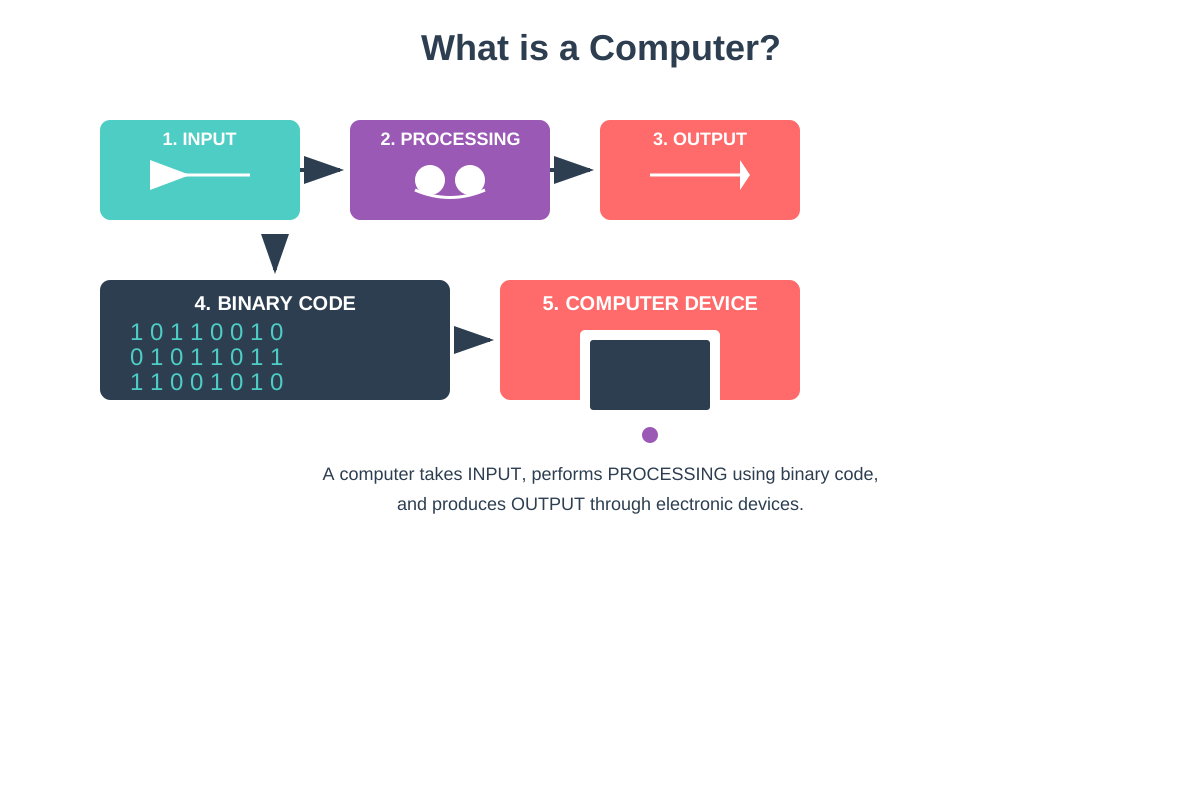
A computer is like a very smart assistant that follows instructions called programs. It takes information (input), thinks about it (processes), and gives us answers (output). Computers can only understand instructions given in a special language made of 1s and 0s.
Main Computer Parts
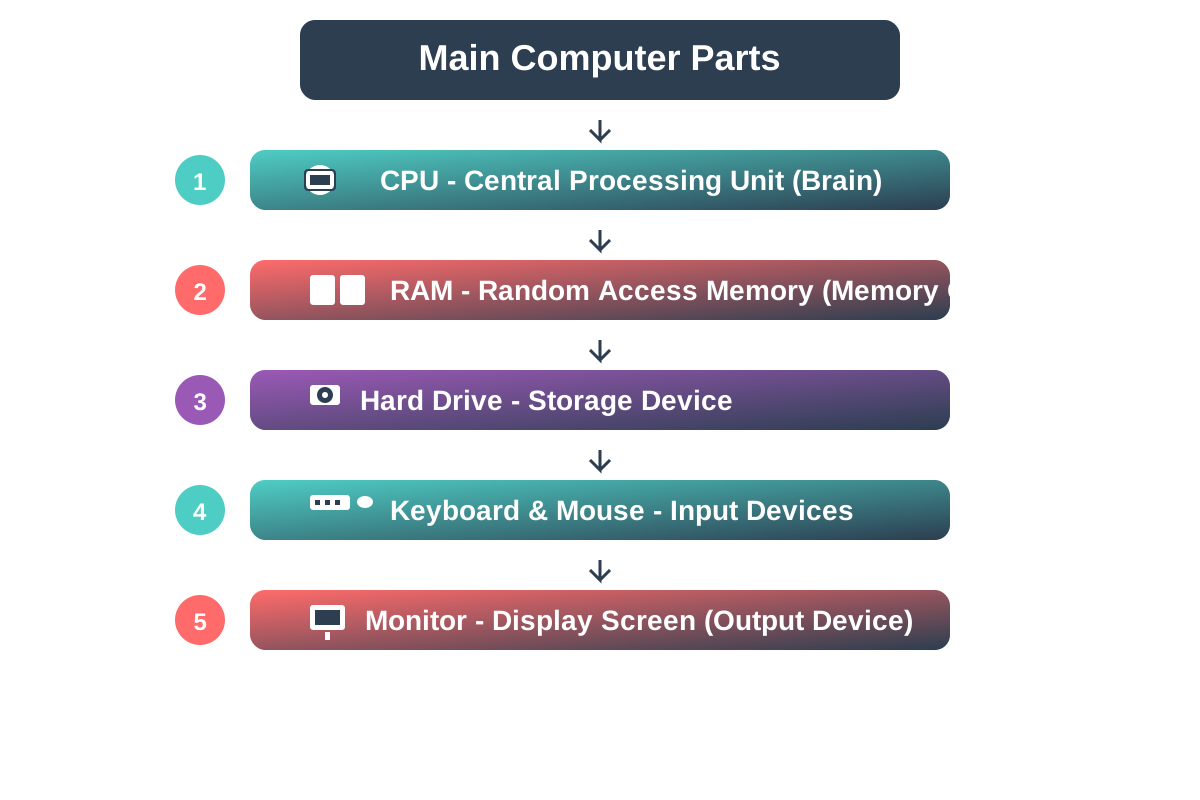
Every computer has four main parts that work together like a team. The CPU is the brain that does all the thinking, memory stores information temporarily, storage keeps files permanently, and input/output devices let us communicate with the computer. Each part has a special job to make the computer work properly.
Types of Computers
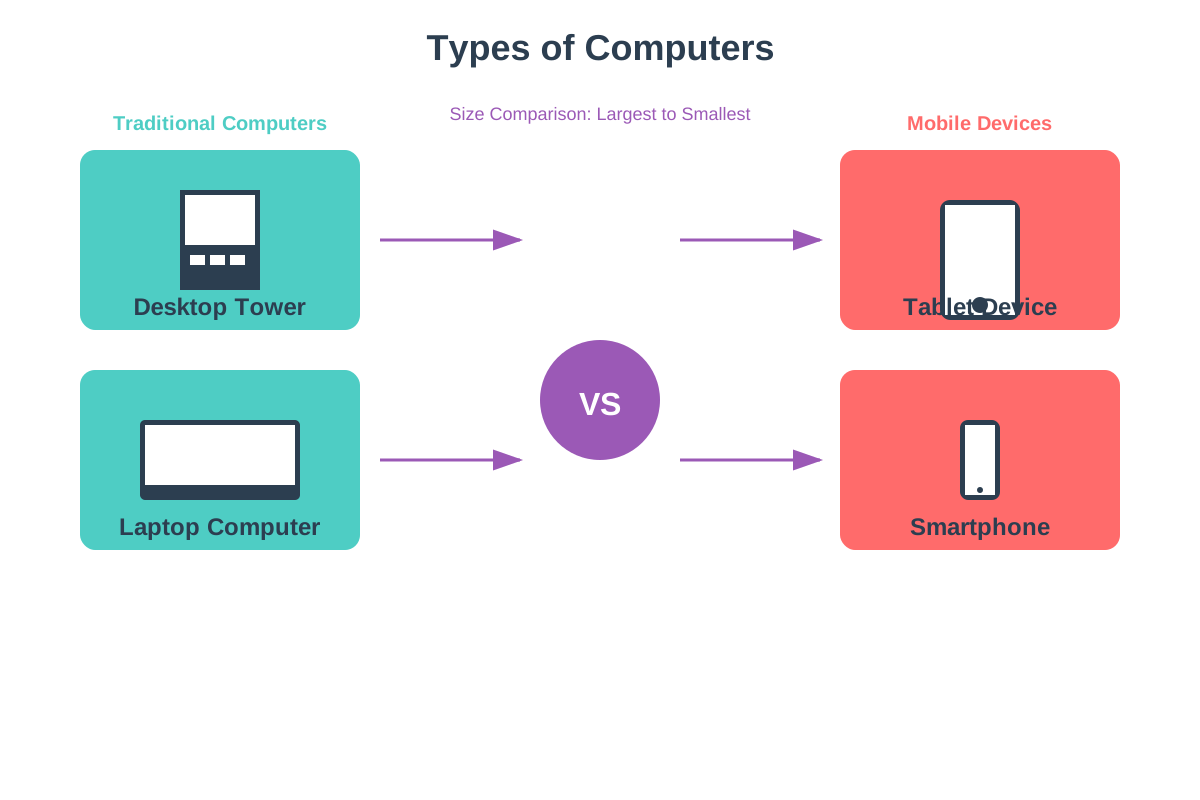
Computers come in many different sizes and shapes for different jobs. Desktop computers are powerful and stay in one place, laptops are portable, tablets are touch-screen devices, and smartphones are tiny computers we carry everywhere. Each type is designed for specific needs and activities.
How Computers Think
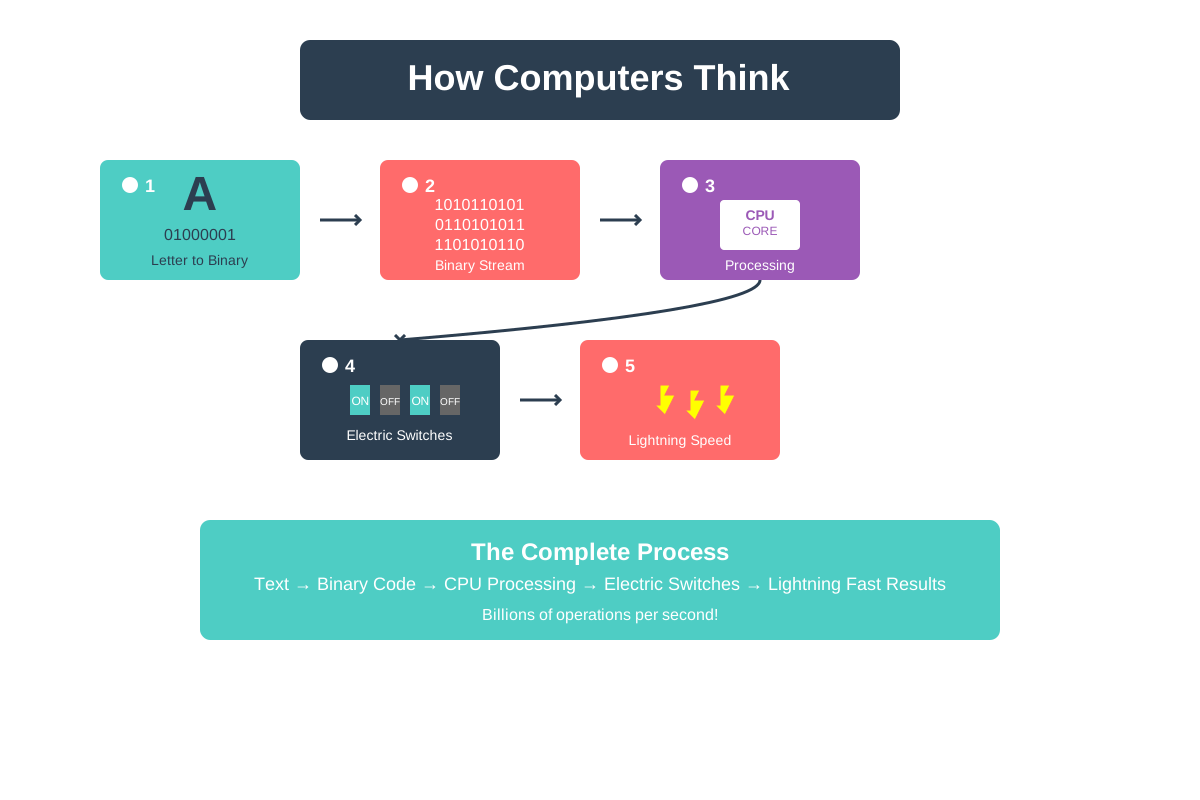
Computers use a simple language called binary code made only of 1s and 0s. Every letter, number, picture, or song gets translated into this code so the computer can understand it. The CPU reads millions of these 1s and 0s every second to follow instructions and solve problems.
Memory vs Storage
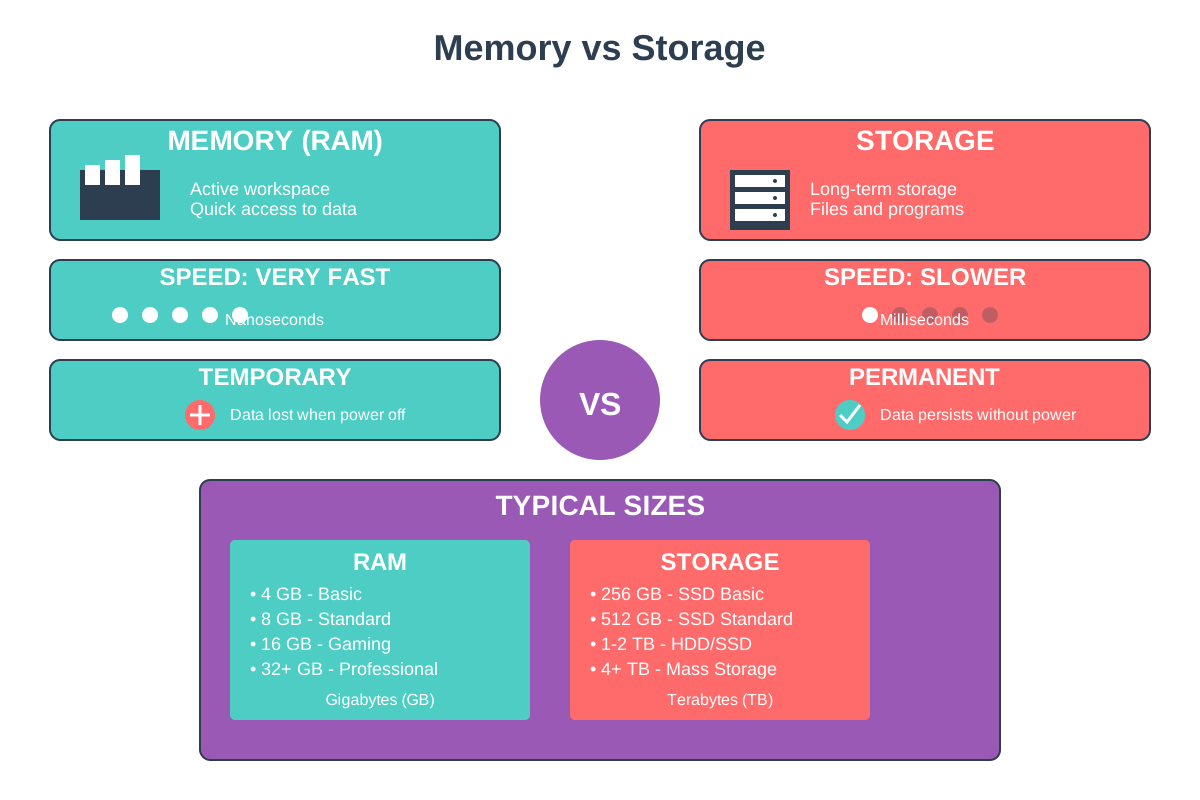
Memory (RAM) is like your desk where you keep things you're working on right now - it's fast but temporary. Storage is like your filing cabinet where you keep things permanently - it's slower but saves everything even when the computer is off. Both are measured in bytes, with bigger numbers meaning more space.
What Computers Do for Us
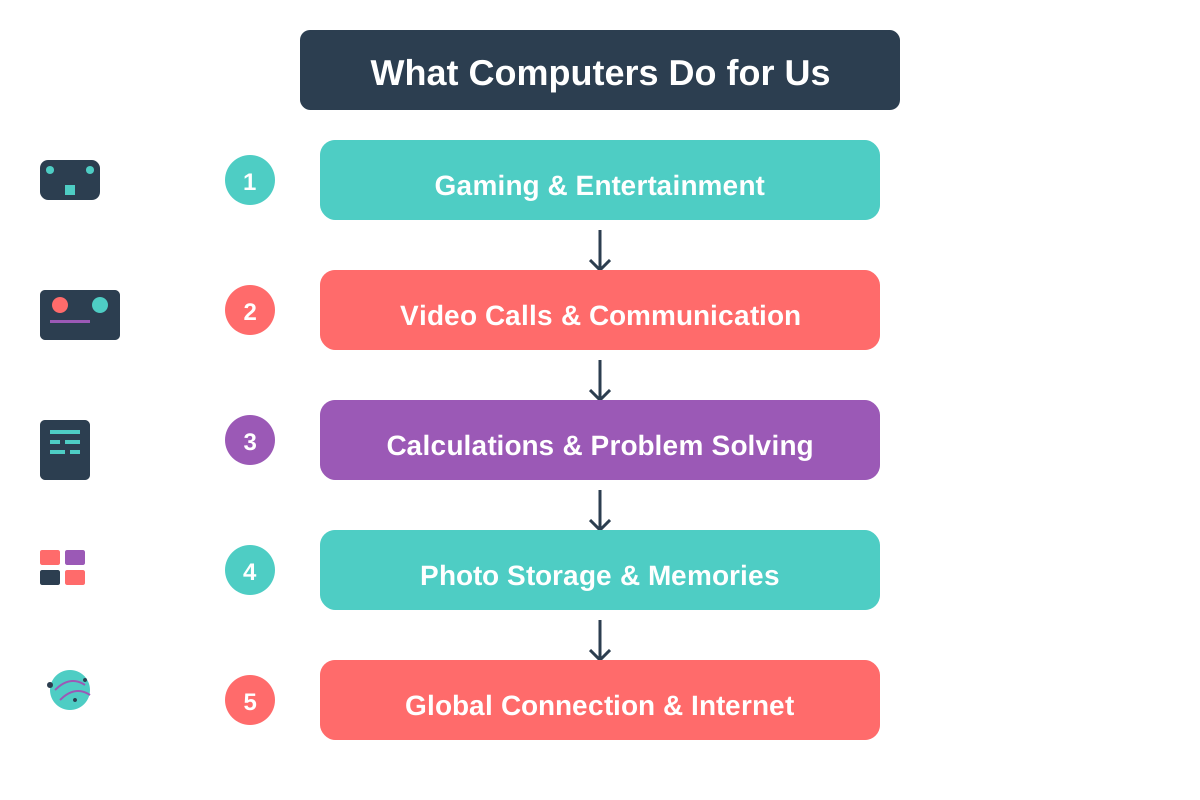
Computers help us in countless ways every day, from entertainment and communication to learning and work. They can calculate complex math instantly, store millions of photos and videos, connect us with people worldwide, and even help doctors save lives. Modern life would be very different without computers helping us solve problems and stay connected.
Quick Recap ✨
- Computers are electronic devices that process information using input, processing, and output
- Main parts include CPU (brain), memory (temporary storage), storage (permanent files), and input/output devices
- Computers come in different types like desktops, laptops, tablets, and smartphones, each designed for specific uses