
Chemistry Crash Course: The Complete Guide in 8 Minutes
Visual learning made easy - infographics and simple explanations
Discover how everything around you is made of just 118 building blocks called elements!
Chemistry is the science of atoms and how they combine to make everything in our world. From the air we breathe to the food we eat, it's all chemistry in action.
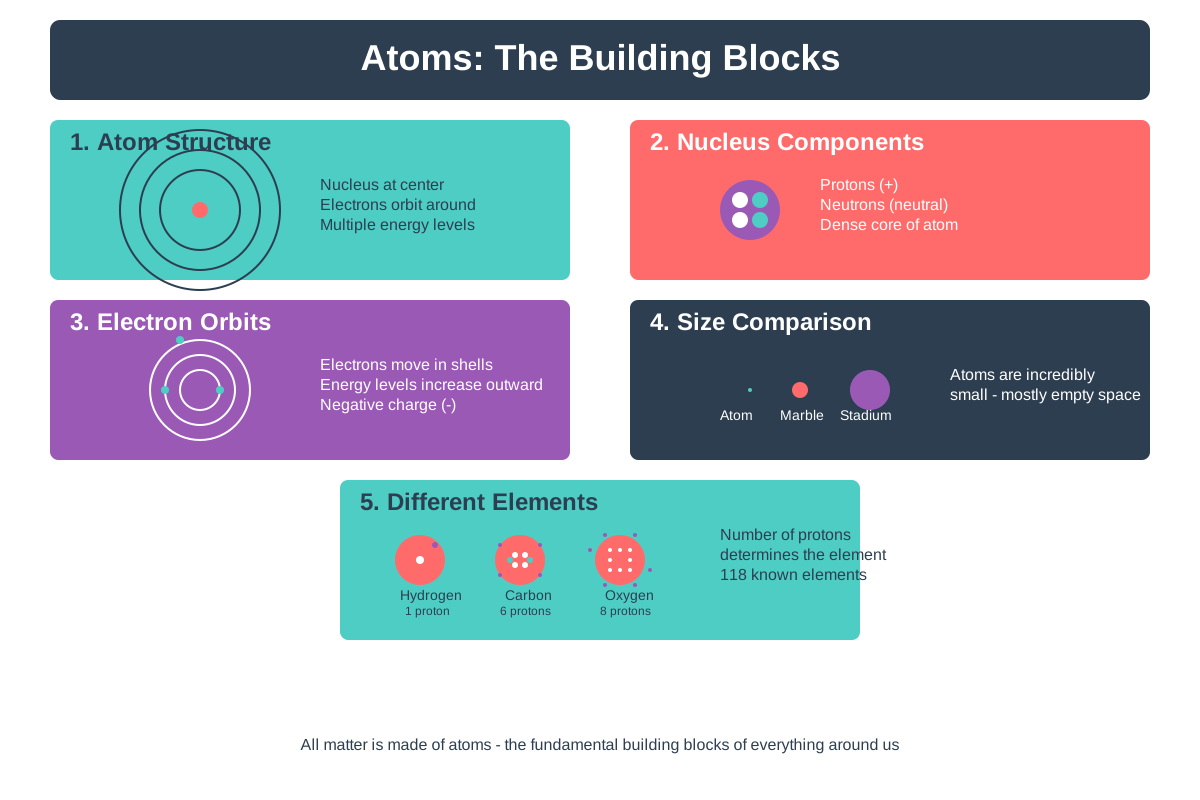
Atoms: The Building Blocks
Everything is made of tiny particles called atoms. Each atom has a nucleus in the center with protons and neutrons, surrounded by electrons that zoom around like planets around the sun. Different numbers of protons make different elements.
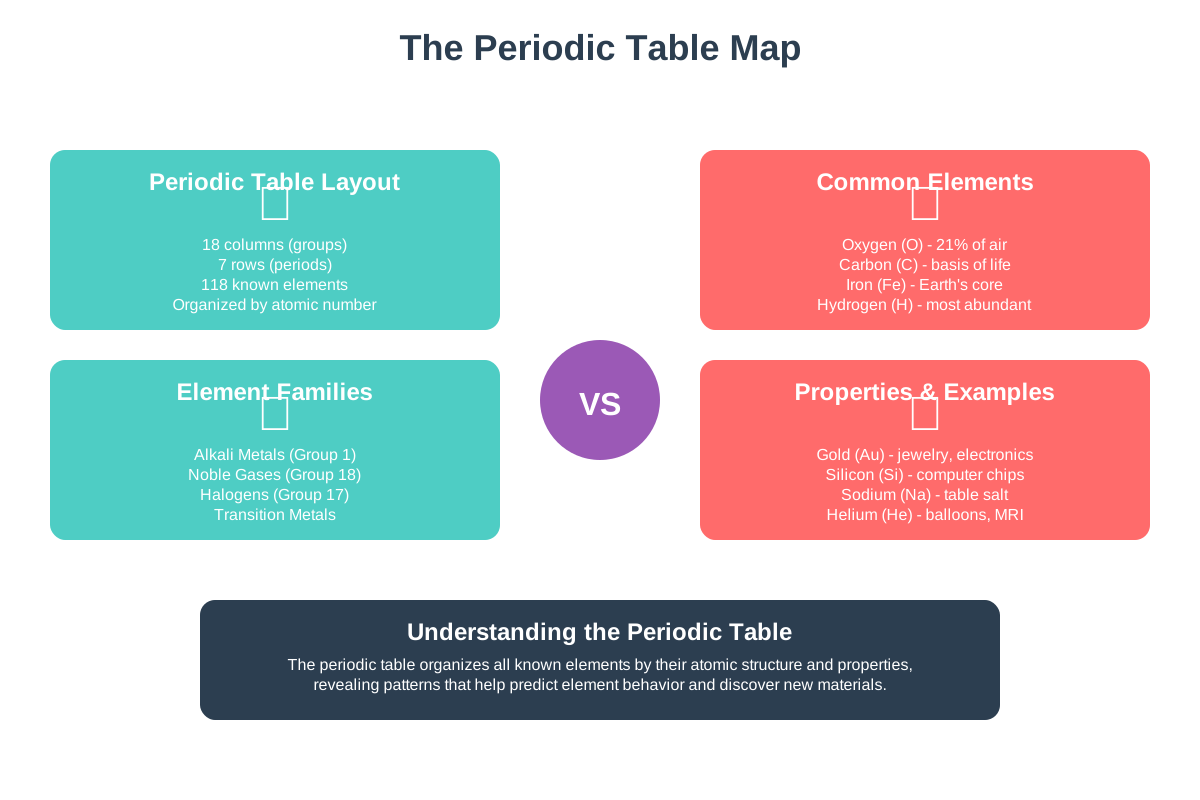
The Periodic Table Map
The periodic table is like a giant map of all 118 elements organized by their properties. Elements in the same column act similarly, like a family with shared traits. Scientists can predict how elements will behave just by their position on this map.
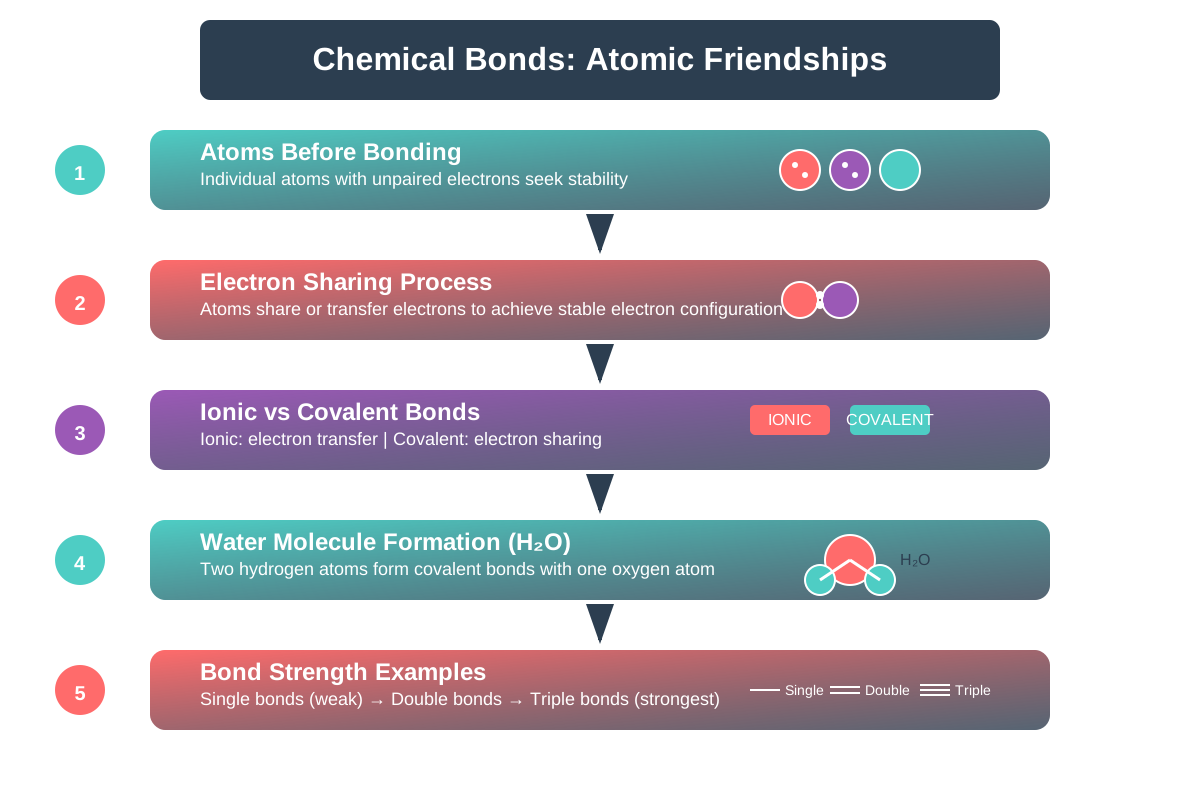
Chemical Bonds: Atomic Friendships
Atoms love to stick together by sharing or trading electrons, forming chemical bonds. These bonds create molecules and compounds, like how hydrogen and oxygen atoms bond to make water. Different types of bonds make materials strong or weak, hard or soft.
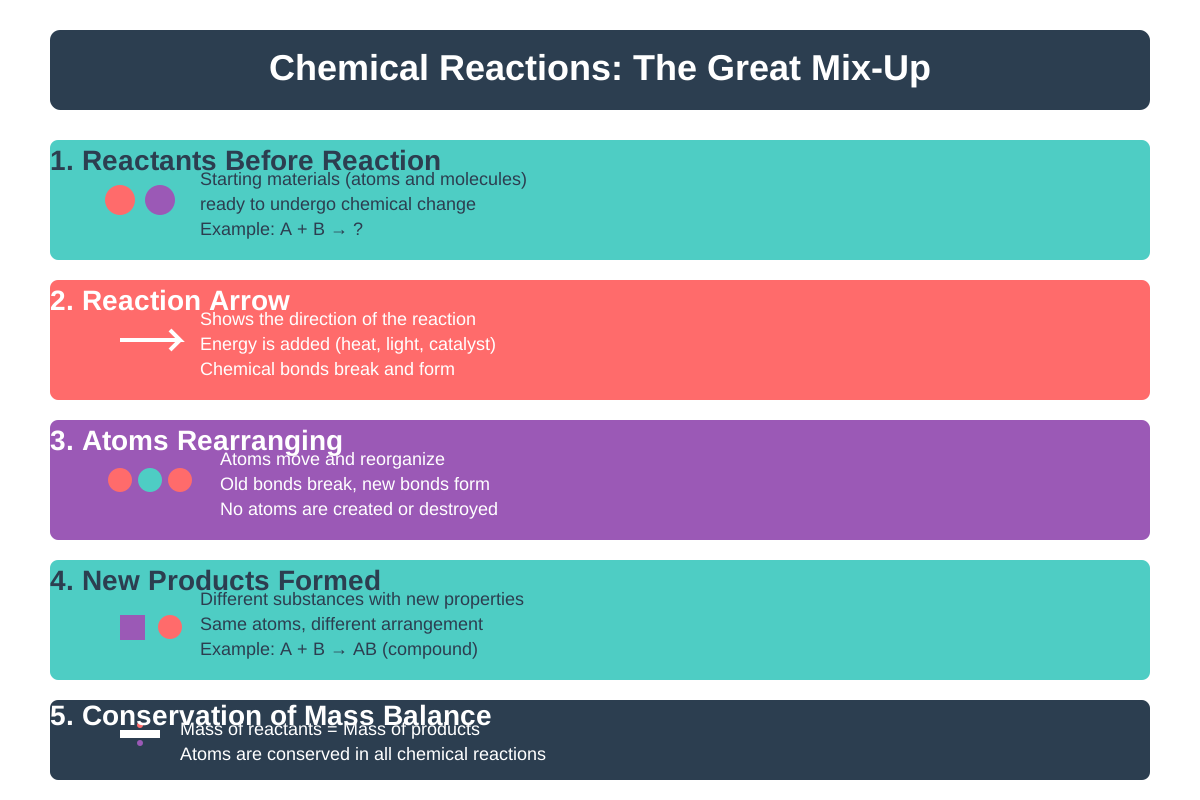
Chemical Reactions: The Great Mix-Up
Chemical reactions happen when atoms rearrange to form new substances. Think of it like a dance where atoms switch partners to create something completely new. The total number of atoms stays the same, but they make different combinations.
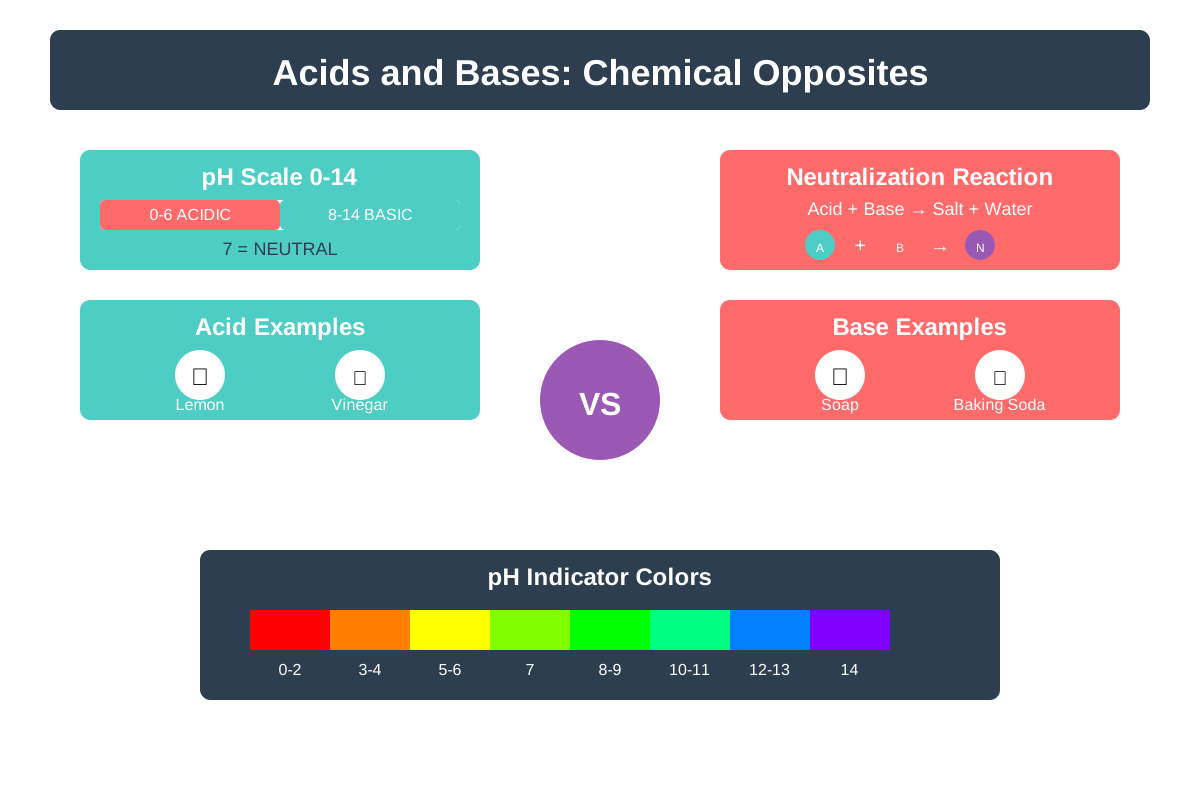
Acids and Bases: Chemical Opposites
Acids and bases are chemical opposites that can neutralize each other. Acids taste sour and can dissolve things, while bases feel slippery and bitter. When they meet, they create salt and water in a neutralization reaction.
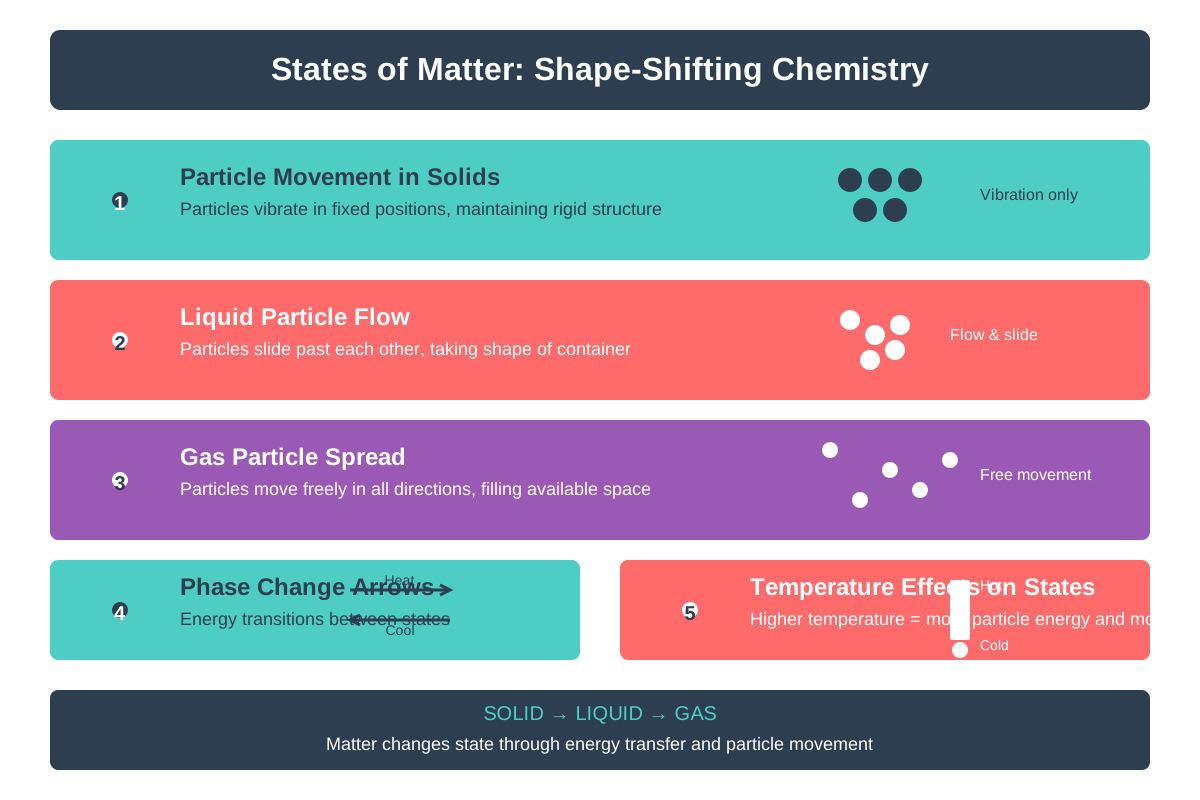
States of Matter: Shape-Shifting Chemistry
Matter exists in different states based on how fast atoms and molecules are moving. Solids have slow-moving, tightly packed particles, liquids flow freely, and gases have fast-moving particles that spread out everywhere.
Quick Recap ✨
- Everything is made of 118 different elements that combine in countless ways
- Chemical bonds hold atoms together to create all the materials around us
- Chemical reactions rearrange atoms to make new substances while following predictable patterns