
Building the World's Tallest Tower: Burj Khalifa Secrets
Visual learning made easy - infographics and simple explanations
How do you build a tower so tall it literally touches the clouds?
The Burj Khalifa is an incredible engineering achievement that required solving massive challenges to reach 828 meters high. Engineers used revolutionary techniques for foundations, structure, and construction to make this sky-scraping dream a reality.
Super Deep Foundation System
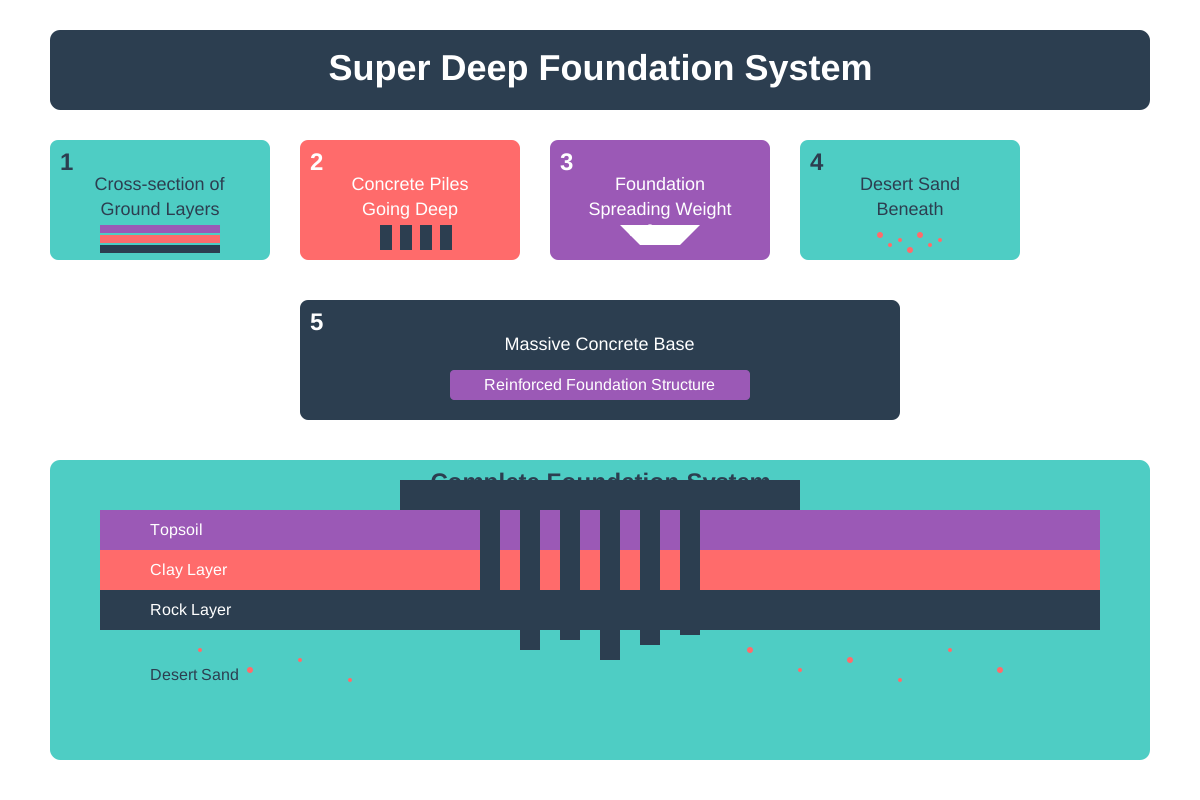
To support such a massive building, engineers had to dig 50 meters deep and pour 45,000 cubic meters of concrete. The foundation uses 192 concrete piles that go deep underground to spread the building's enormous weight. Without this strong base, the tower would sink into the desert sand.
Y-Shaped Structure Design
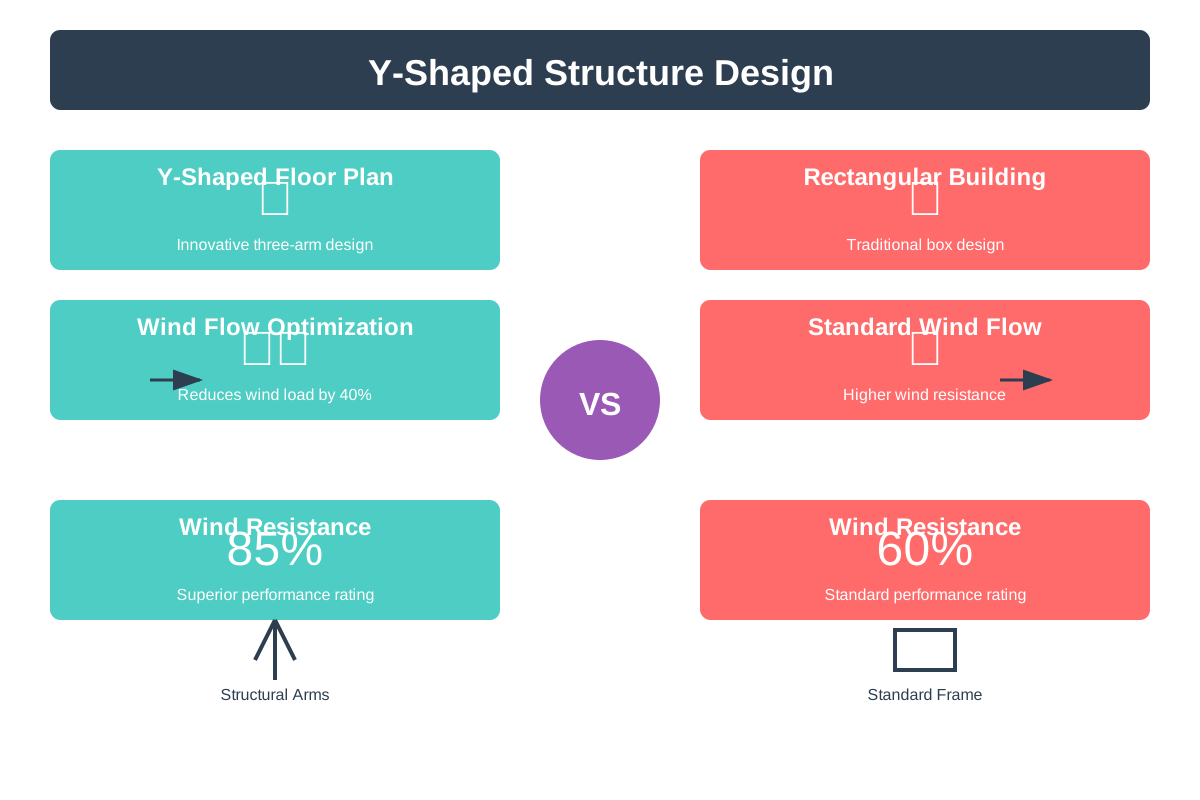
The Burj Khalifa has a unique Y-shape that helps it fight against strong desert winds. This special design reduces wind pressure by 40% compared to rectangular buildings. The three arms of the Y also provide more space for apartments and offices while keeping the building stable.
High-Speed Construction System
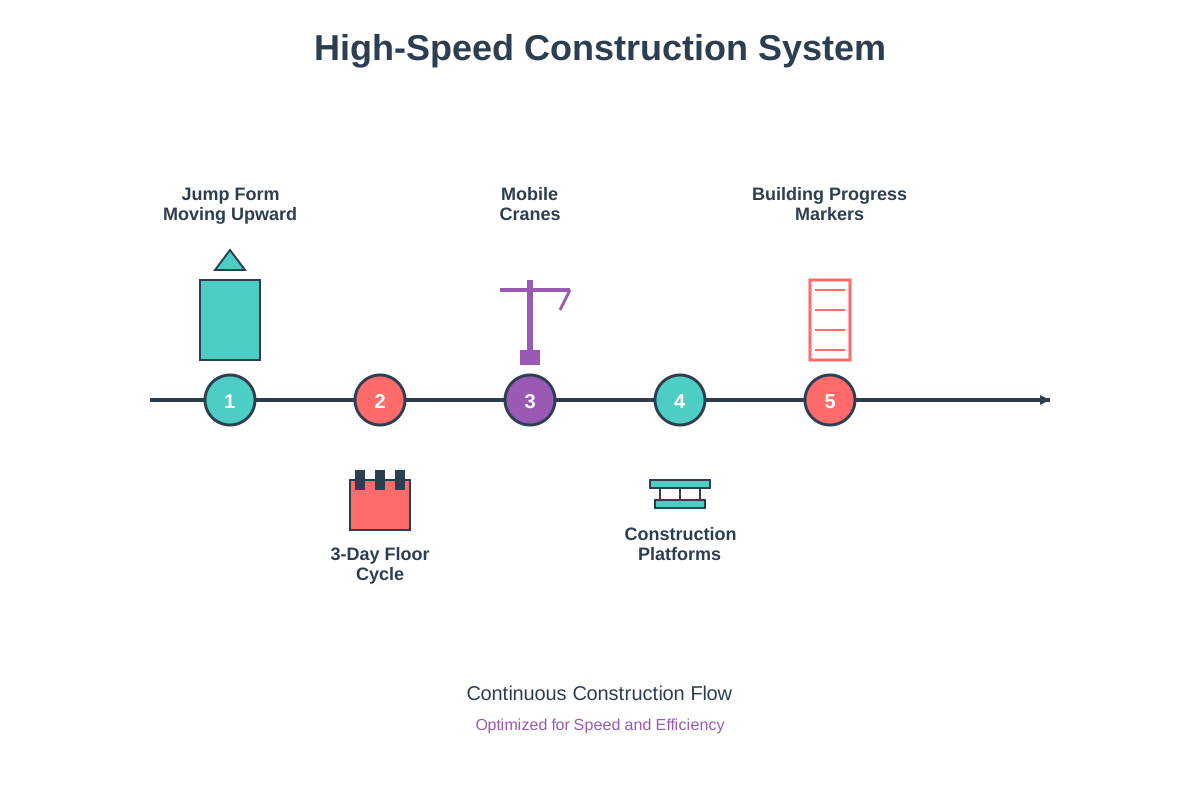
Workers used a 'jump form' system that moved up the building as they built each floor. They could complete one floor every three days, which was incredibly fast for such a complex structure. Special cranes and platforms moved up with the building, creating a mobile construction factory in the sky.
Extreme Weather Engineering
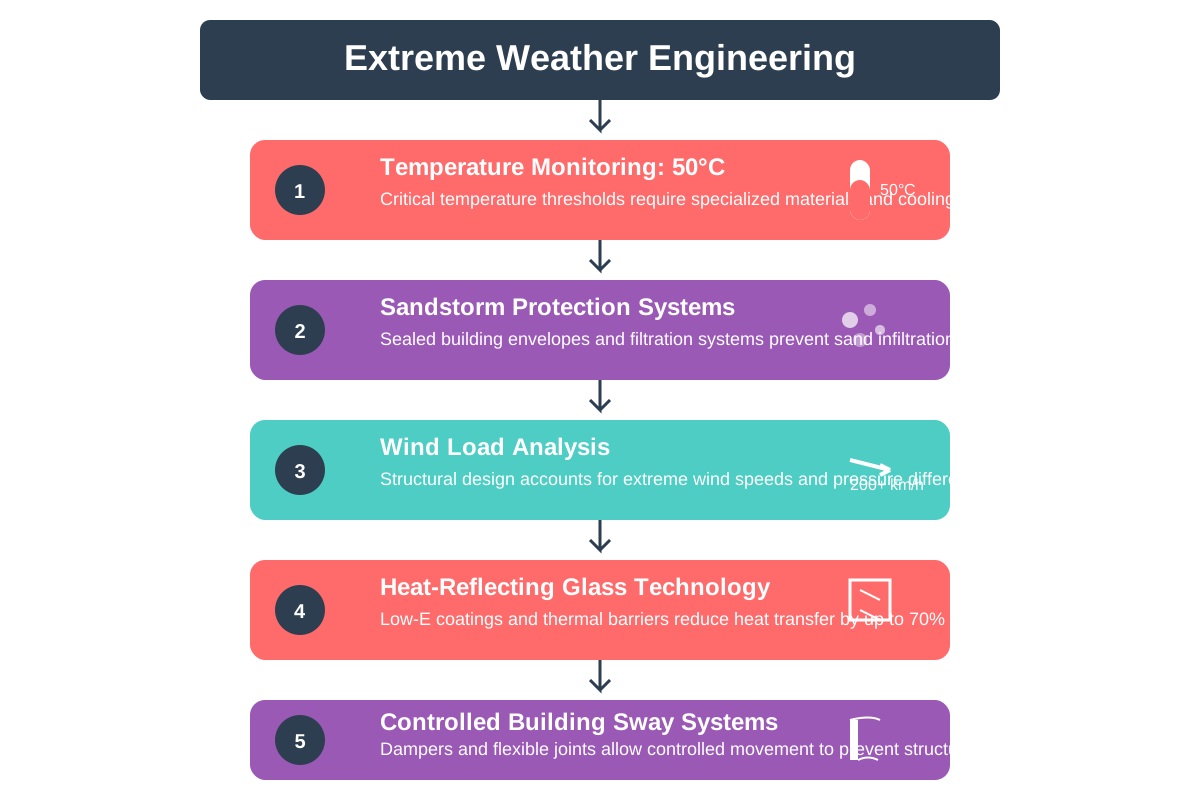
The building must survive 50°C desert heat, sandstorms, and strong winds up to 170 km/h. Engineers used special concrete that doesn't crack in extreme temperatures and a glass exterior that reflects heat. The structure also sways slightly in strong winds instead of fighting them, which keeps it safe.
Record-Breaking Vertical Transportation
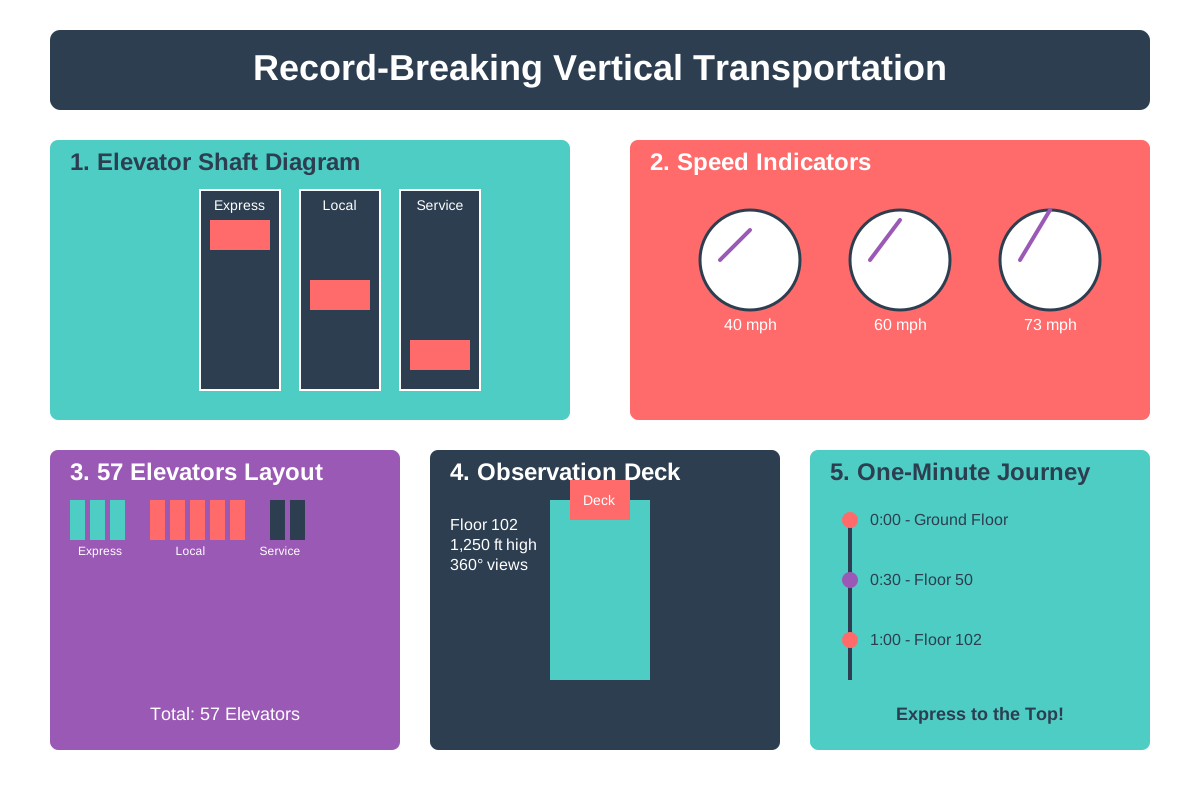
The Burj Khalifa has 57 elevators and 8 escalators to move people up and down efficiently. The fastest elevators travel at 10 meters per second and can reach the observation deck in just one minute. Special elevator systems are needed because regular ones can't handle such extreme heights.
Advanced Safety Systems
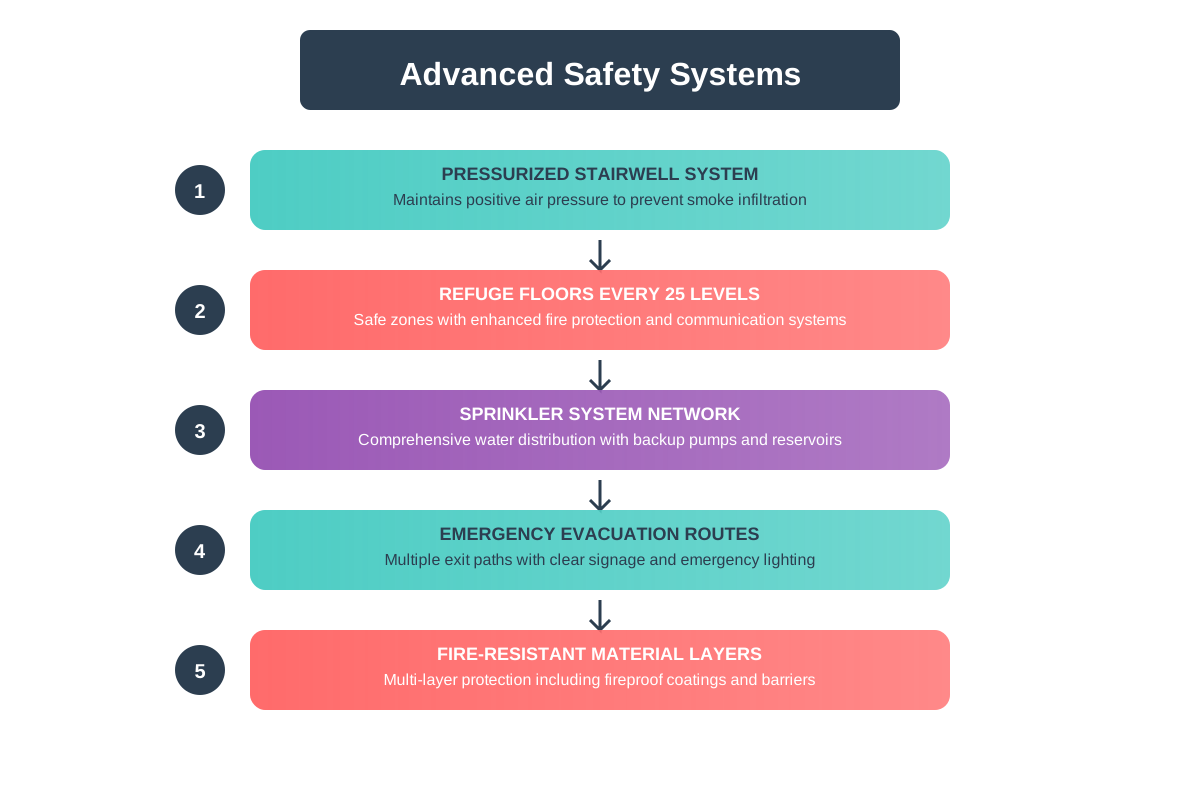
Fire safety in such a tall building requires special pressurized stairwells that keep smoke out during emergencies. The building has refuge floors every 25 levels where people can wait safely during evacuations. Advanced sprinkler systems and fire-resistant materials protect the structure and people inside.
Quick Recap ✨
- The Burj Khalifa required a 50-meter deep foundation and Y-shaped design to stay stable in desert conditions
- Revolutionary construction techniques allowed workers to build one floor every three days using mobile systems
- Advanced safety features include pressurized stairwells, refuge floors, and ultra-fast elevators for emergencies