
Building the World's Tallest Tower: Burj Khalifa Secrets
Visual learning made easy - infographics and simple explanations
Ever wonder how engineers built a tower so tall it pierces the clouds?
The Burj Khalifa is the world's tallest building at 828 meters high, costing $1.5 billion to build. Its construction required incredible engineering solutions to overcome challenges like wind, weight, and height.
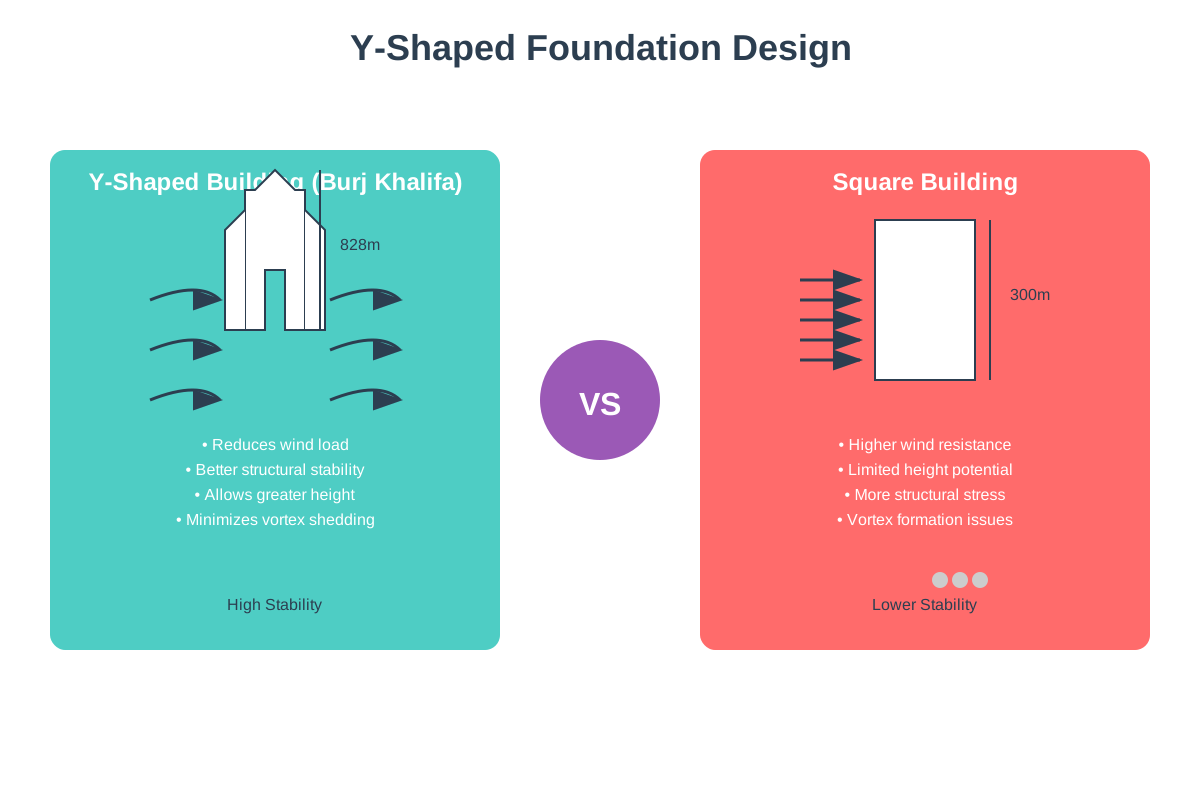
Y-Shaped Foundation Design
The Burj Khalifa has a unique Y-shaped base that gets narrower as it goes up. This design helps the building stay stable in strong desert winds. The shape also reduces wind pressure by 40% compared to square buildings.
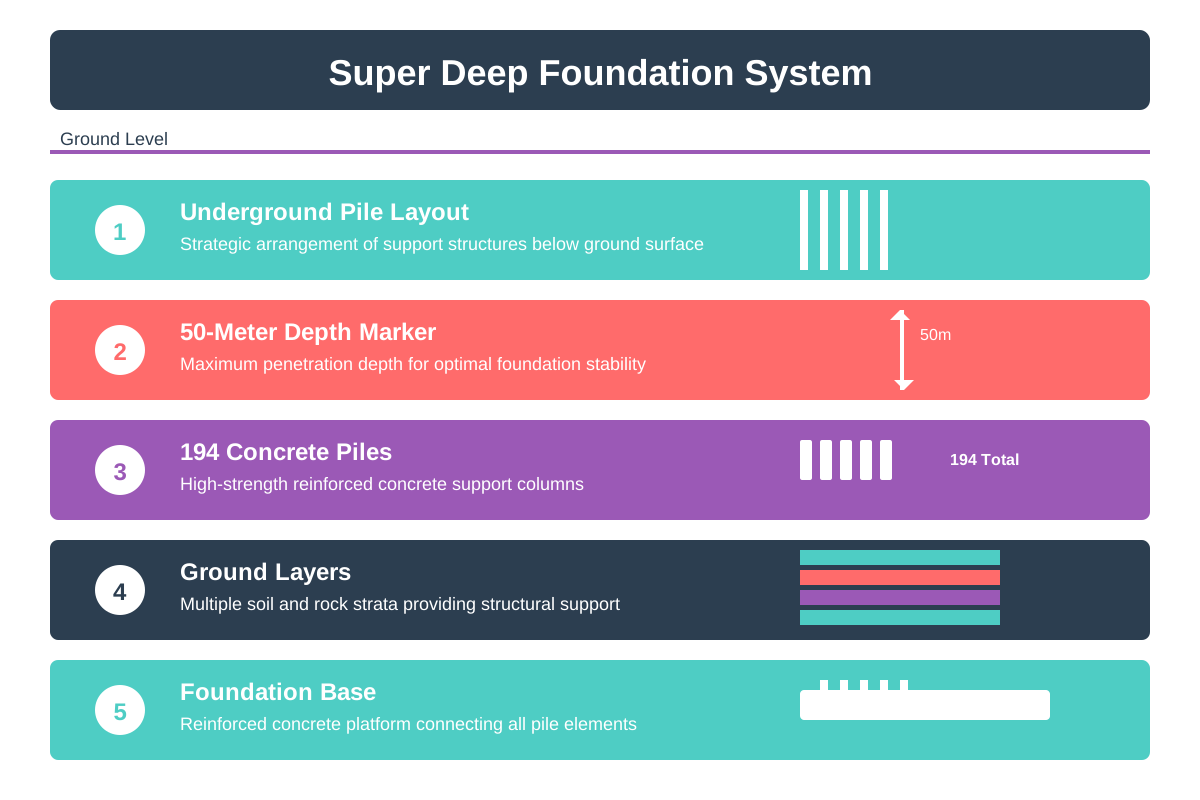
Super Deep Foundation System
Before building up, they had to dig down 50 meters into the ground. Workers installed 194 concrete piles, each as thick as a tree trunk. These piles anchor the massive tower so it won't tip over or sink.
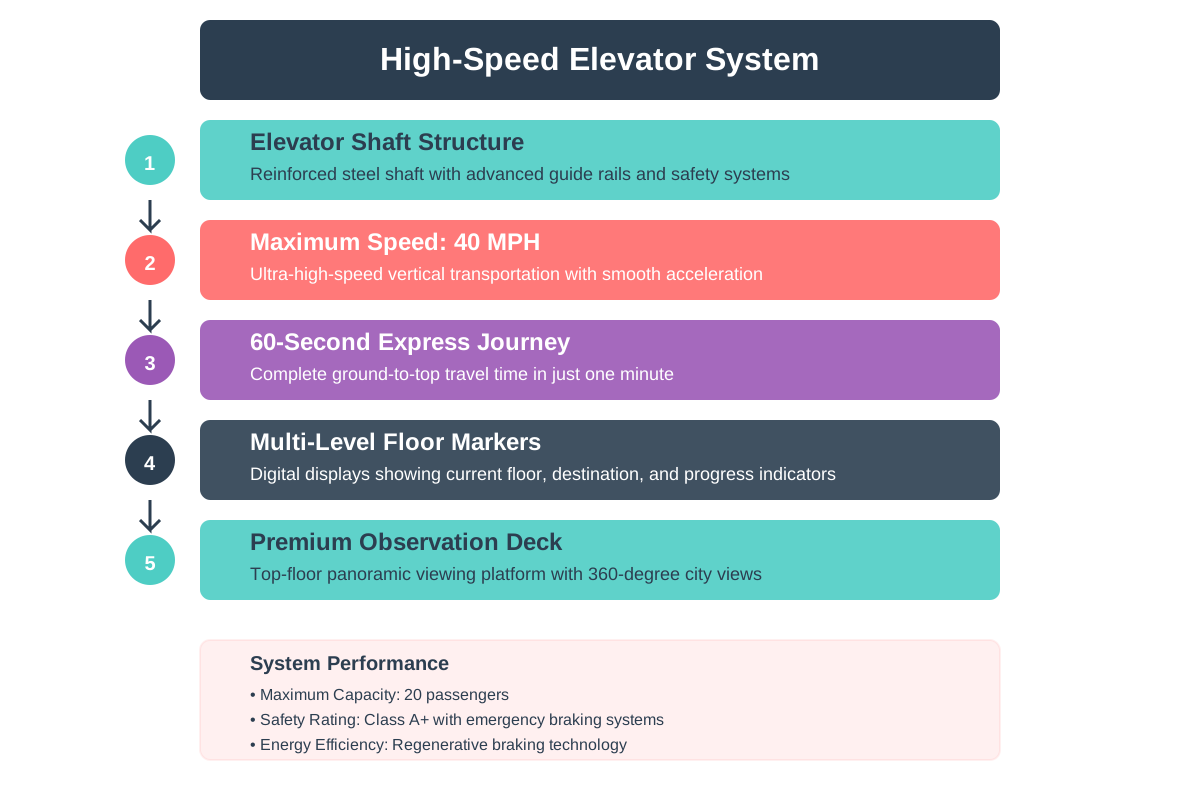
High-Speed Elevator System
The building has 57 elevators that travel at speeds up to 40 mph. Special elevators can reach the top observation deck in just 60 seconds. The elevator shafts had to be perfectly straight for this entire height.
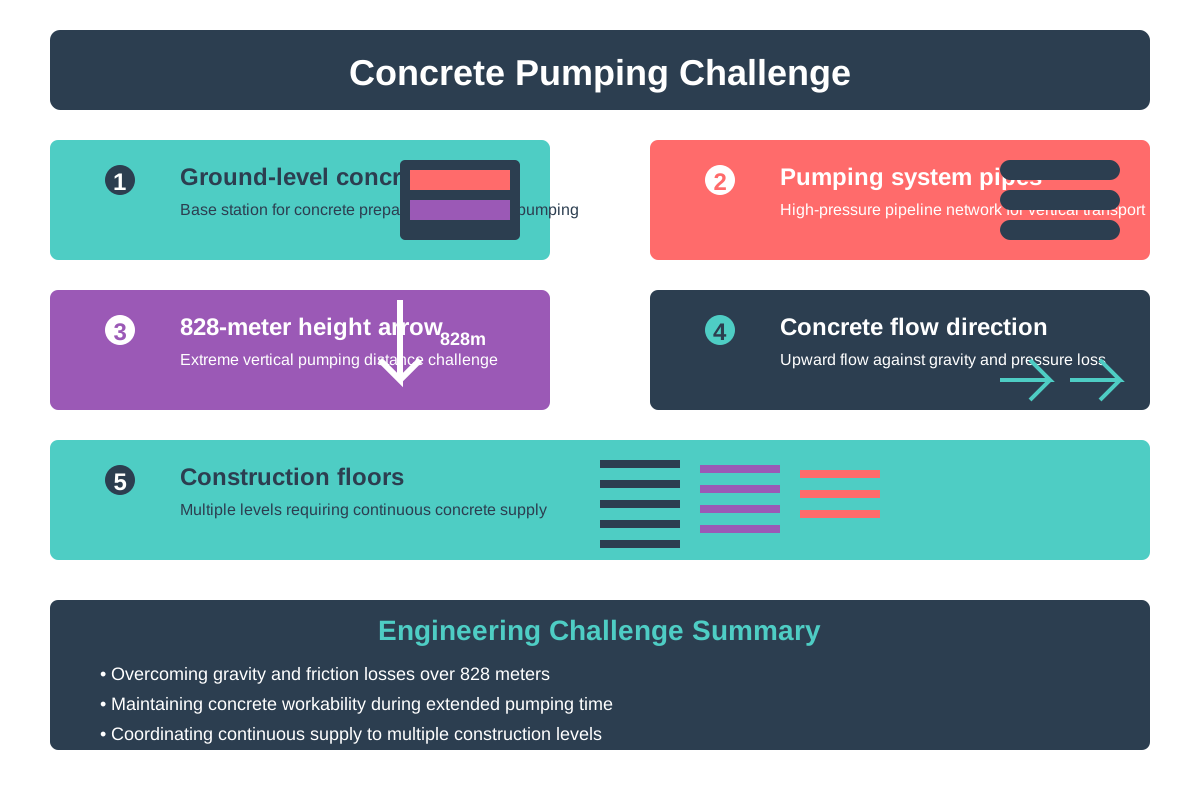
Concrete Pumping Challenge
Workers had to pump liquid concrete up 828 meters, higher than anyone had ever done before. They used special pumps and concrete mix that wouldn't harden too quickly. The concrete had to stay workable for hours during the long journey up.
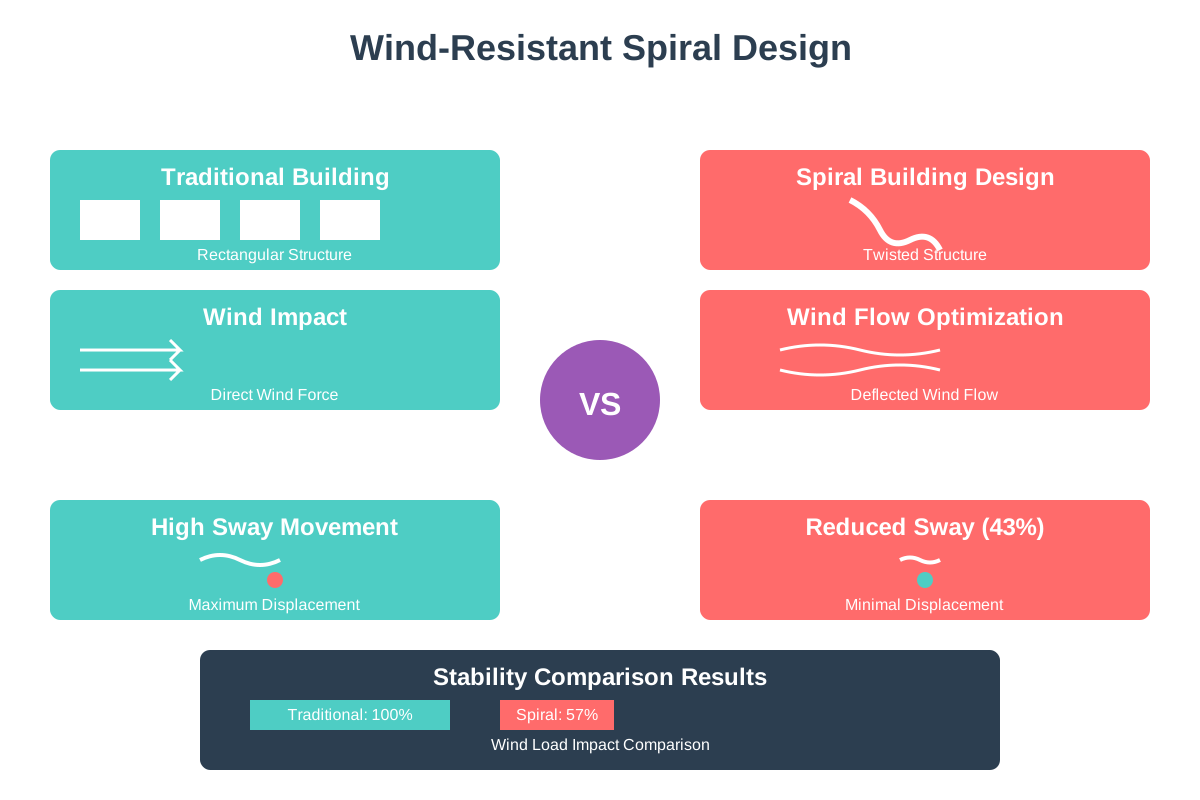
Wind-Resistant Spiral Design
As the building rises, it twists slightly and gets thinner at different levels. This spiral shape confuses the wind and prevents dangerous swaying. Without this design, people on upper floors would feel seasick from the movement.
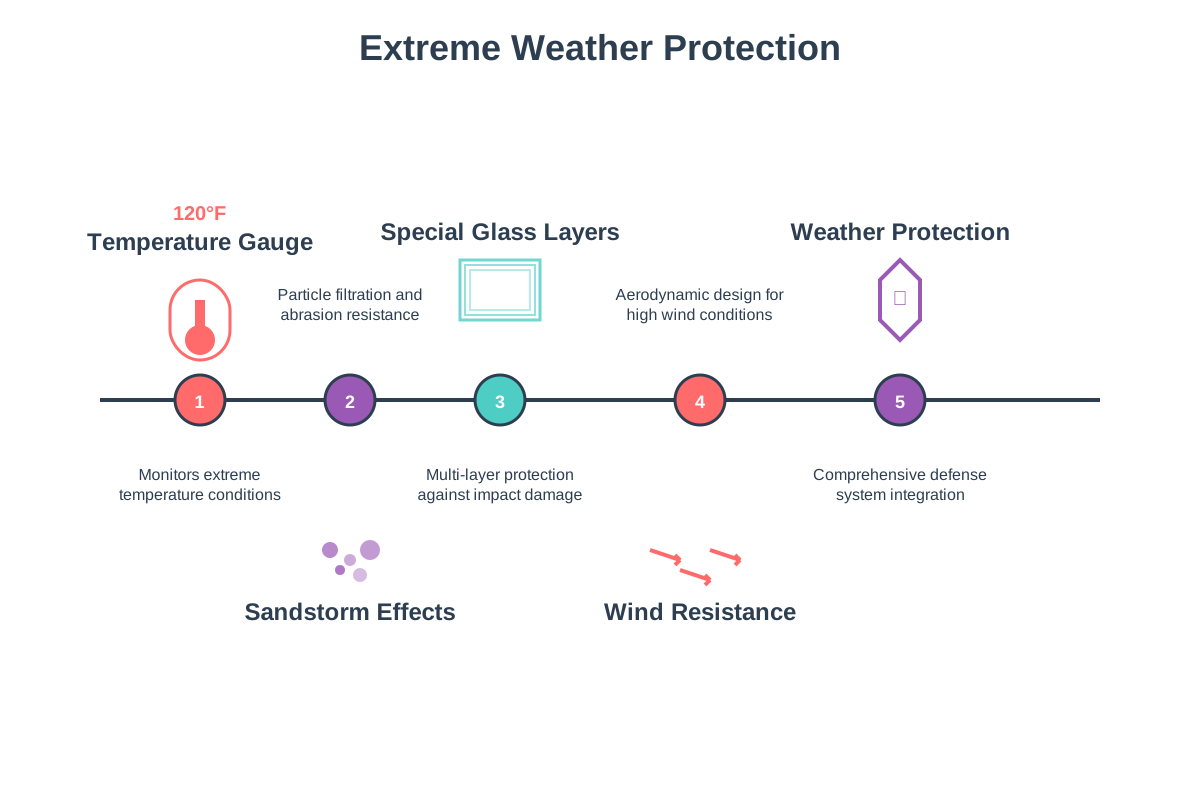
Extreme Weather Protection
The building must survive sandstorms, extreme heat over 120°F, and strong winds. Special glass windows reflect heat and filter sand particles. The exterior can handle temperature changes that would crack normal buildings.
Quick Recap ✨
- The Y-shaped design and spiral structure help Burj Khalifa resist powerful desert winds
- Deep foundation piles and innovative concrete pumping made the record-breaking height possible
- Advanced elevators and weather-resistant materials ensure the building functions safely at extreme heights