
Building Lady Liberty: Amazing 19th Century Engineering
Visual learning made easy - infographics and simple explanations
How did engineers move a 305-foot copper statue across an ocean and build it piece by piece?
The Statue of Liberty was one of the most incredible engineering projects of the 1800s, requiring innovative solutions to transport and assemble a massive copper statue. French and American engineers worked together to create construction methods that had never been tried before.
Designing the Iron Skeleton
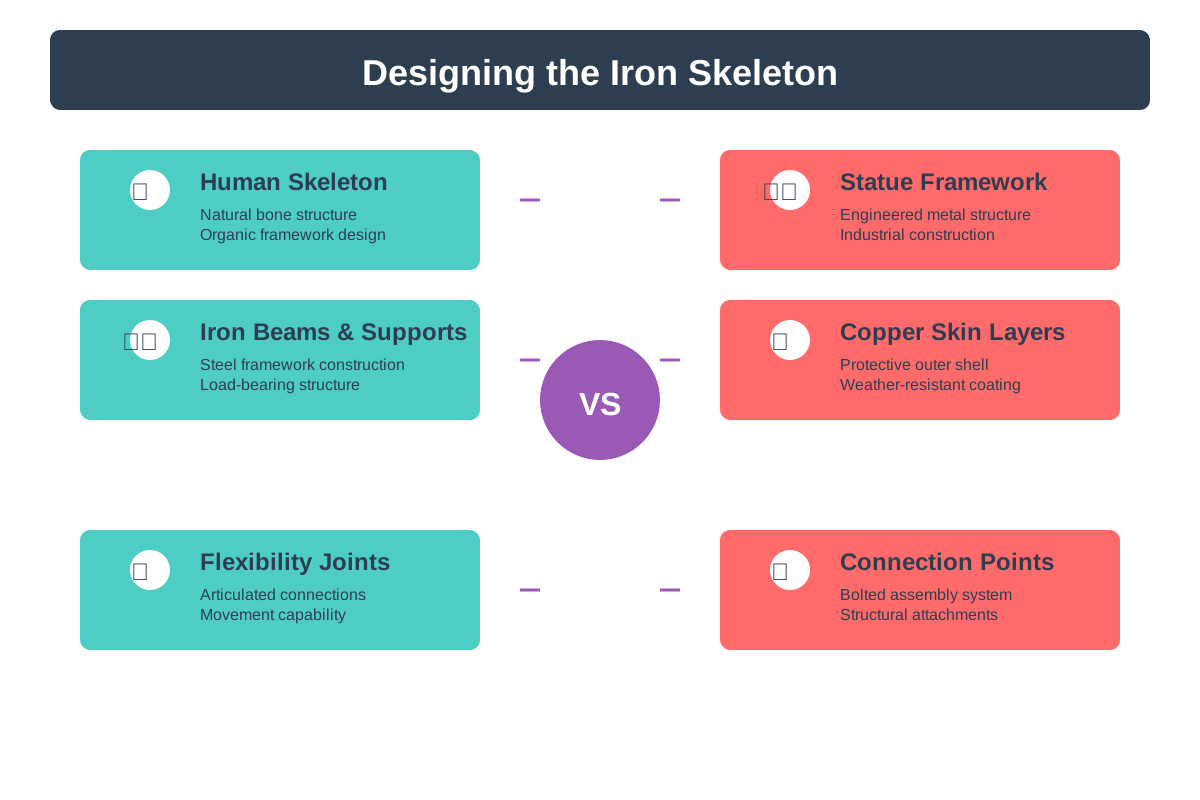
Gustave Eiffel designed a special iron framework inside the statue to support the heavy copper skin. This internal skeleton was like the statue's bones, keeping it strong and stable. The framework had to be flexible enough to move with wind but strong enough to hold tons of copper.
Building in Sections
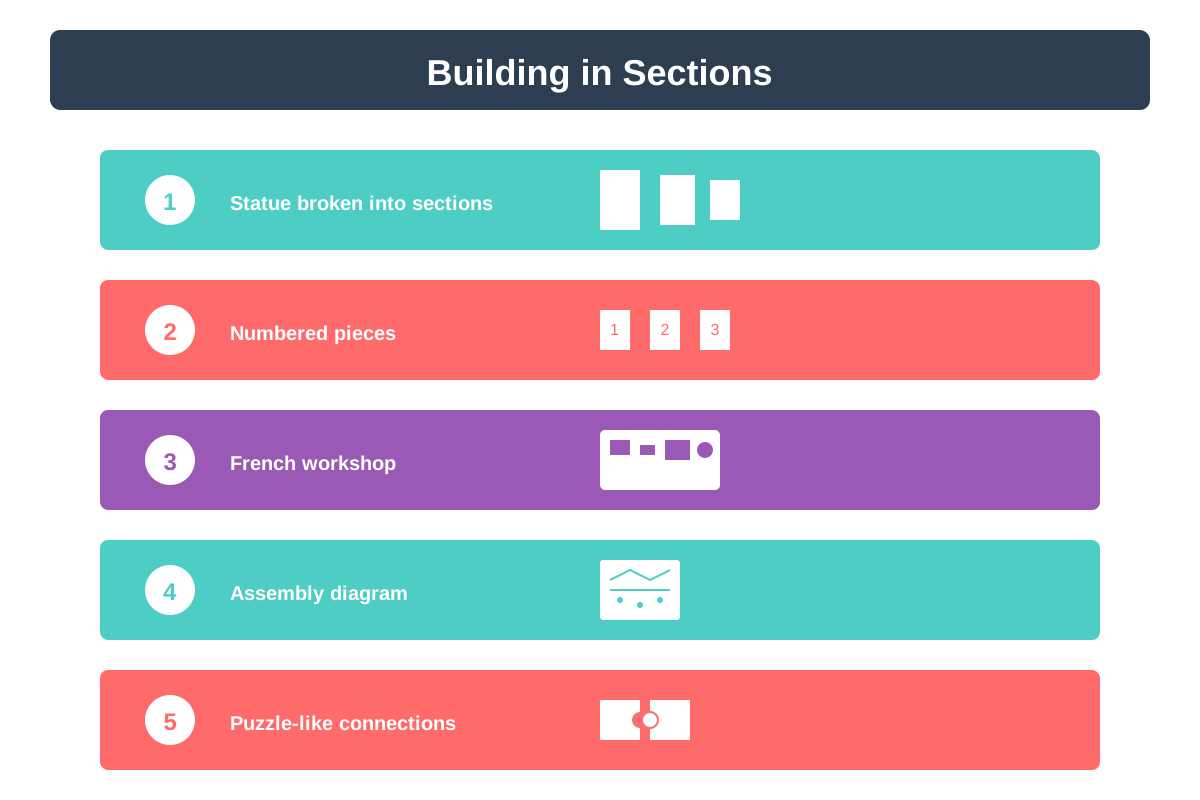
The statue was too big to build all at once, so workers made it in separate pieces in France. They built the head, arms, body, and base as individual sections that could fit together like a giant puzzle. Each section was carefully numbered and labeled for assembly in New York.
The Great Ocean Journey
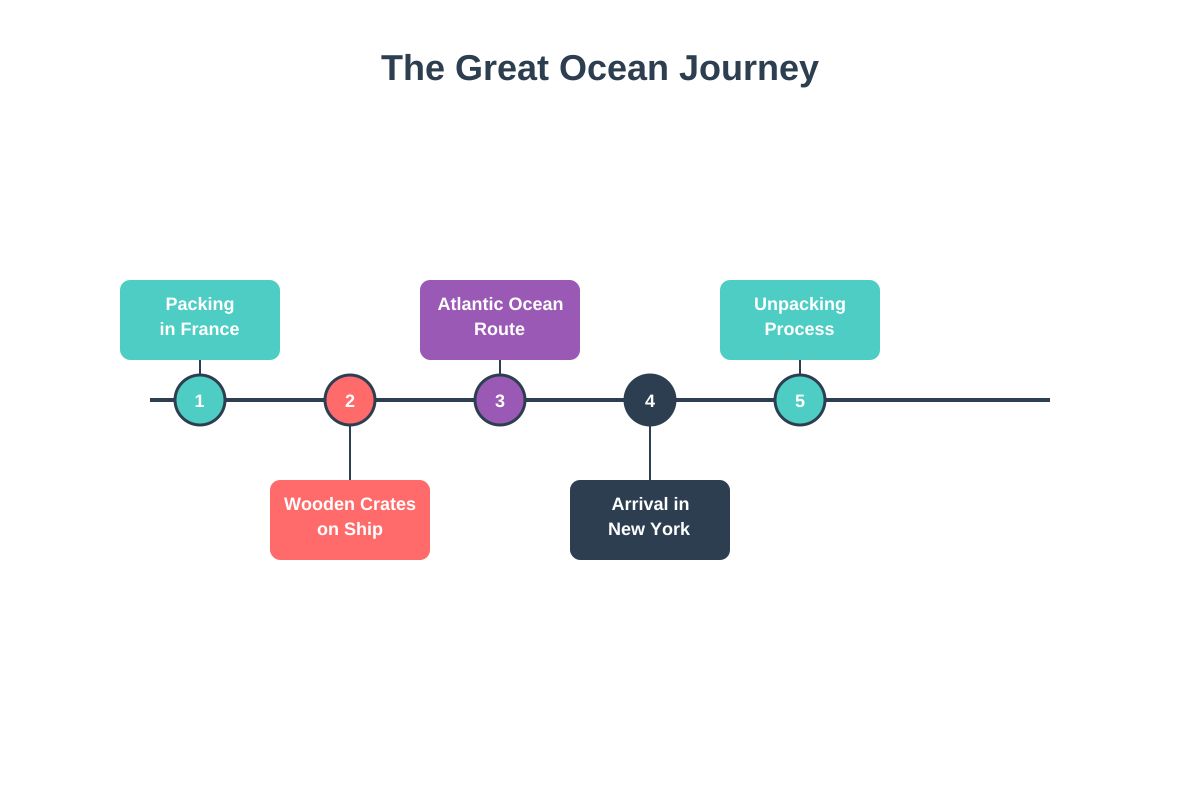
In 1885, workers carefully packed 350 individual pieces of the statue into 214 wooden crates. These crates were loaded onto a ship and sailed across the Atlantic Ocean to New York Harbor. The journey took weeks, and every piece had to arrive safely for the statue to be complete.
Creating the Foundation
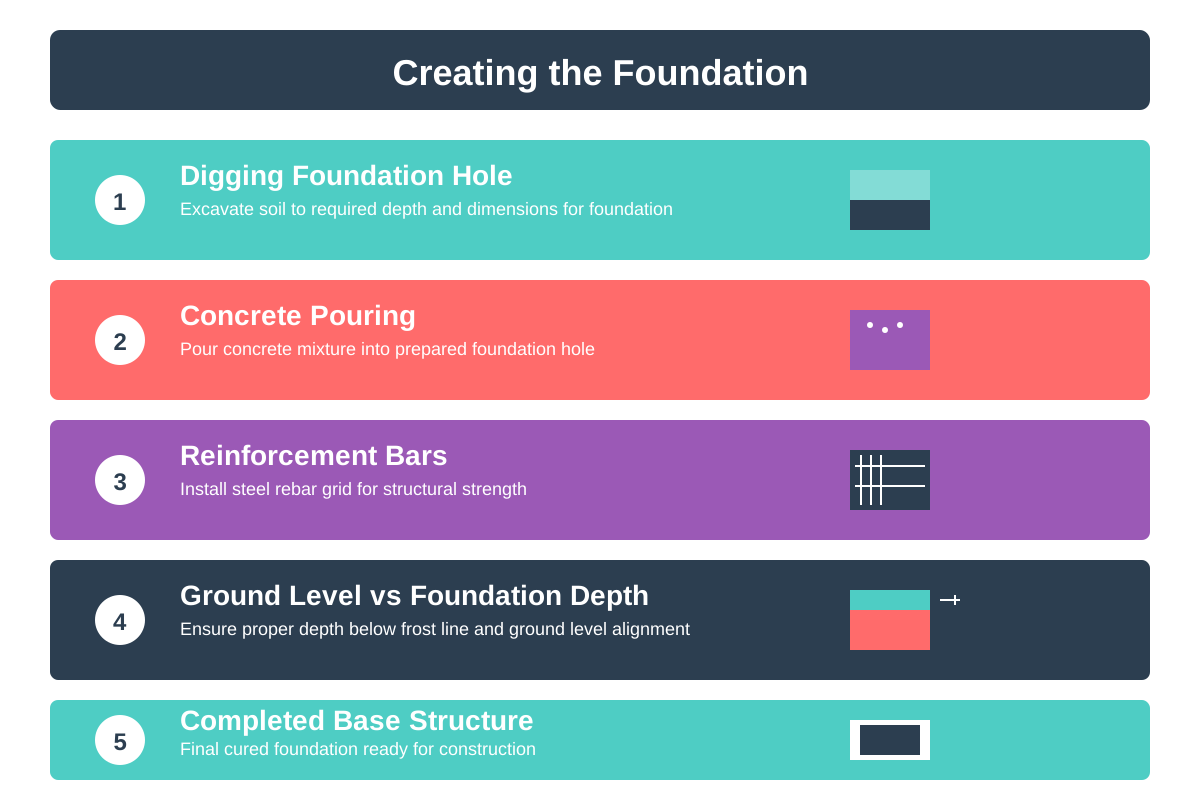
Before the statue could be built, engineers had to create a massive concrete foundation on Bedloe's Island. They dug deep into the ground and poured tons of concrete to create a base strong enough to hold the statue forever. The foundation goes down 15 feet below ground level.
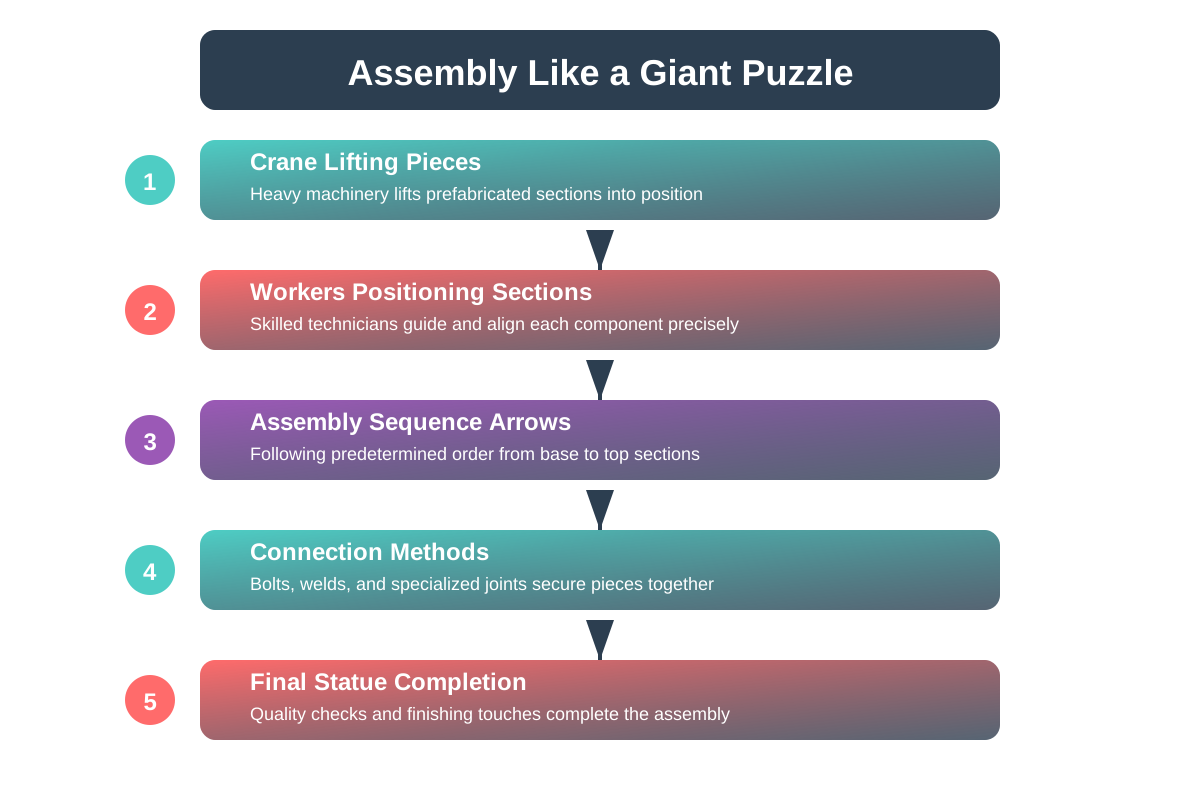
Assembly Like a Giant Puzzle
Workers used cranes, pulleys, and ropes to lift each heavy piece into place on the island. They followed detailed plans to connect each section to the iron framework inside. The assembly took months because each piece had to fit perfectly with the others.
Copper Construction Challenges
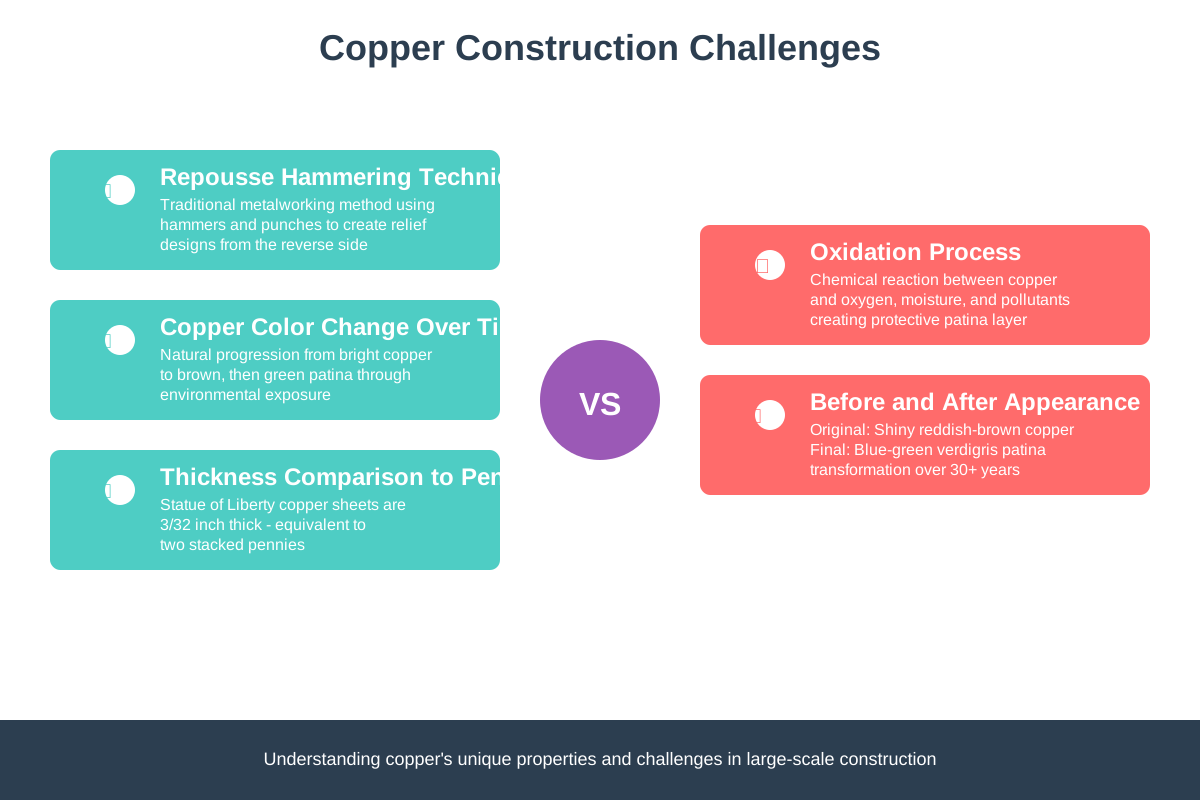
The statue's copper skin was hammered into shape using a technique called repousse, where workers pounded the metal from the inside. Over time, the copper turned from shiny brown to the green color we see today due to oxidation. The copper skin is only as thick as two pennies but incredibly durable.
Quick Recap ✨
- The Statue of Liberty required revolutionary engineering, including Eiffel's flexible iron framework and sectional construction methods
- 350 pieces were shipped across the Atlantic Ocean in 214 crates, then assembled like a massive 3D puzzle on Bedloe's Island
- The project combined French artistic vision with American engineering skills, creating construction techniques still used today