
Black Holes: The Universe's Ultimate Mystery
Visual learning made easy - infographics and simple explanations
Imagine something so powerful that even light cannot escape once it gets too close!
Black holes are incredibly dense objects in space with gravity so strong that nothing can escape them. They form when massive stars collapse and create a region where space and time bend in extreme ways.
What Is a Black Hole?
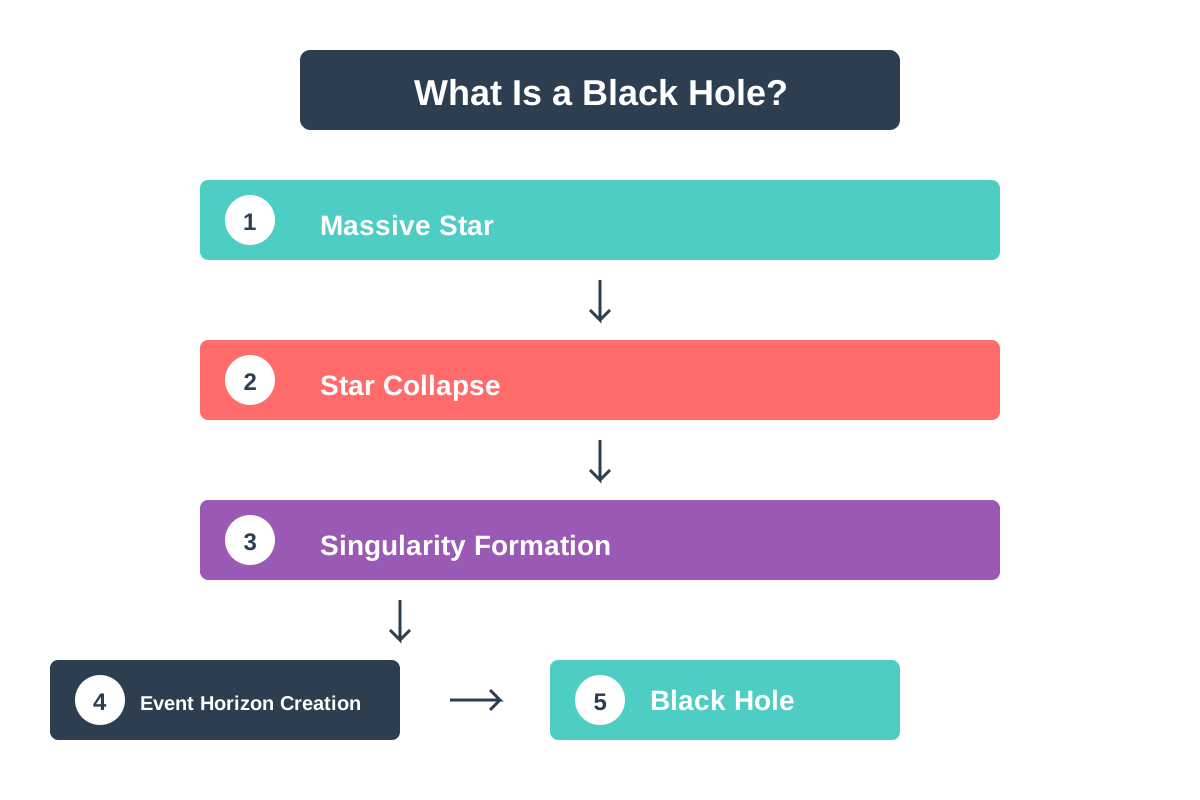
A black hole is like a cosmic vacuum cleaner that sucks up everything around it. It forms when a giant star runs out of fuel and collapses under its own weight. The collapse creates a point of infinite density called a singularity.
The Event Horizon
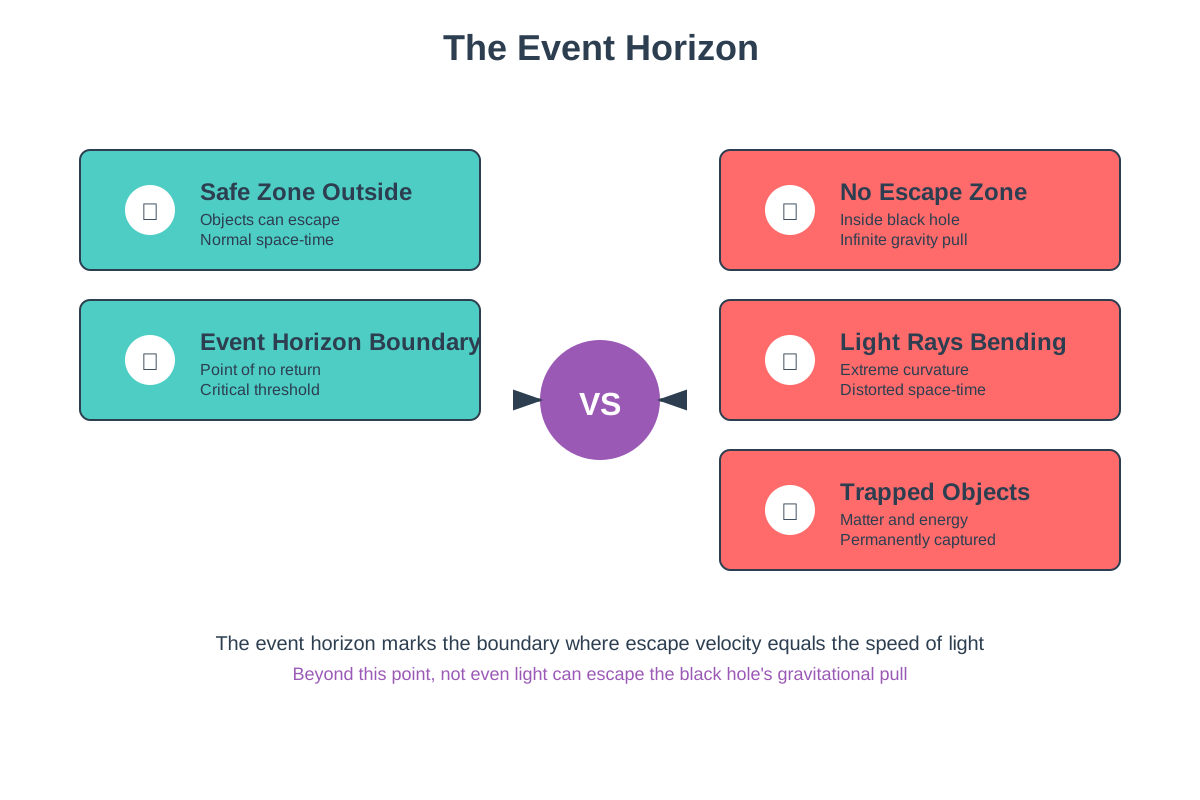
The event horizon is the invisible boundary around a black hole. Once anything crosses this line, it can never come back out. Think of it as a one-way door into the black hole.
How Black Holes Bend Space
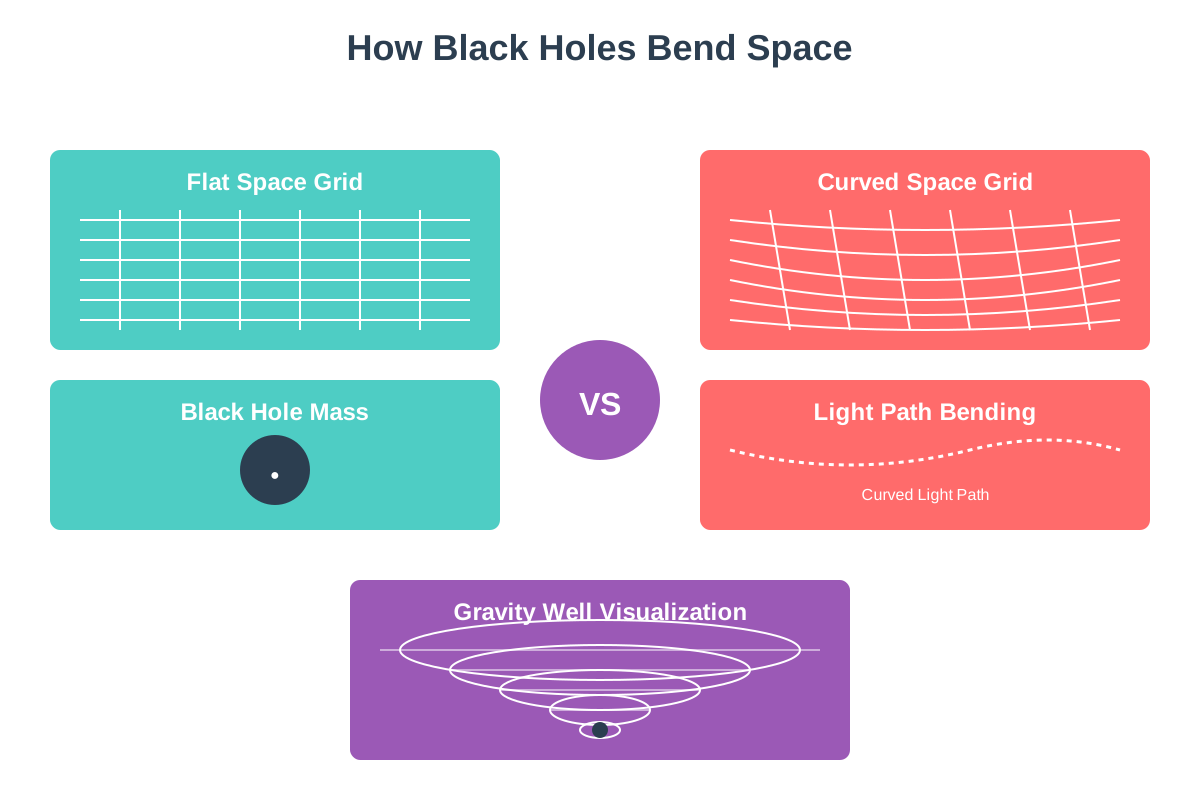
Black holes are so heavy that they actually bend the fabric of space around them. Imagine a bowling ball placed on a stretched rubber sheet - it creates a dip. Black holes do this to space itself.
Time Slows Down
Near a black hole, time moves much slower than normal. If you watched someone fall toward a black hole, you would see them move slower and slower. This happens because gravity affects how time flows.

Types of Black Holes
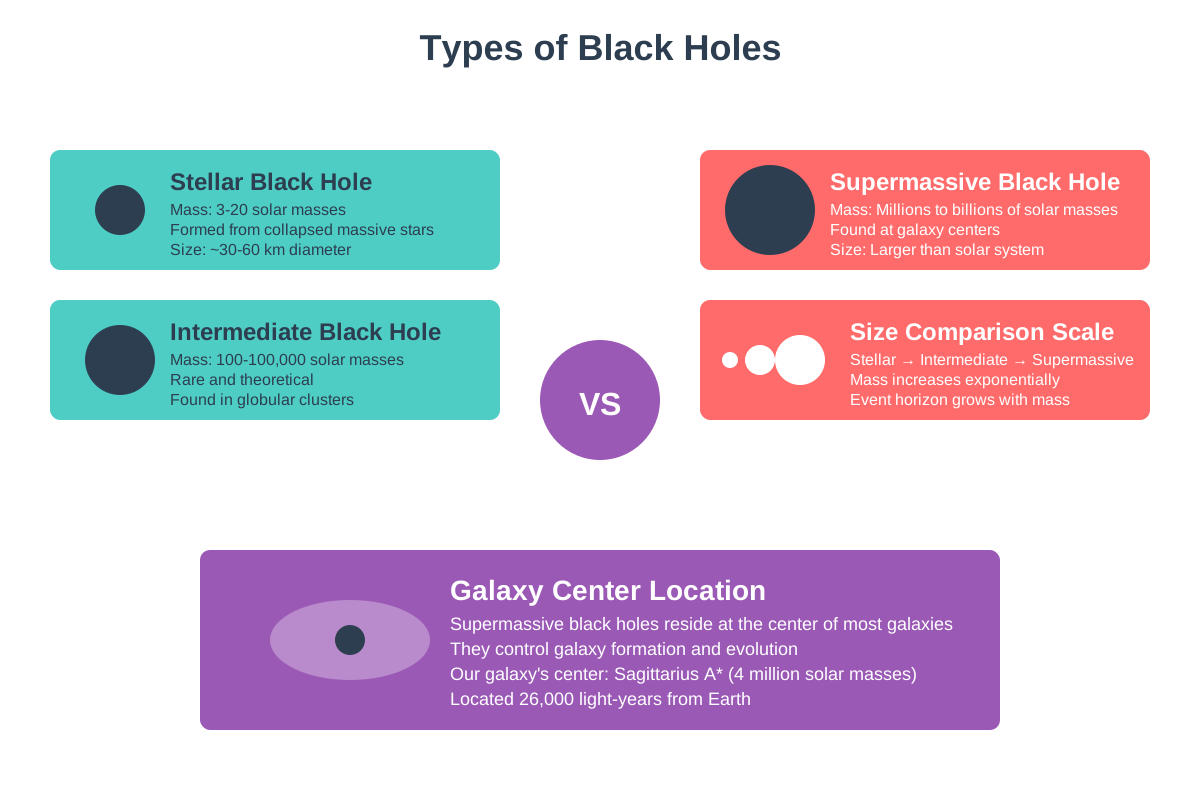
There are different sizes of black holes in the universe. Stellar black holes form from collapsed stars, while supermassive black holes are millions of times heavier and sit at the centers of galaxies.
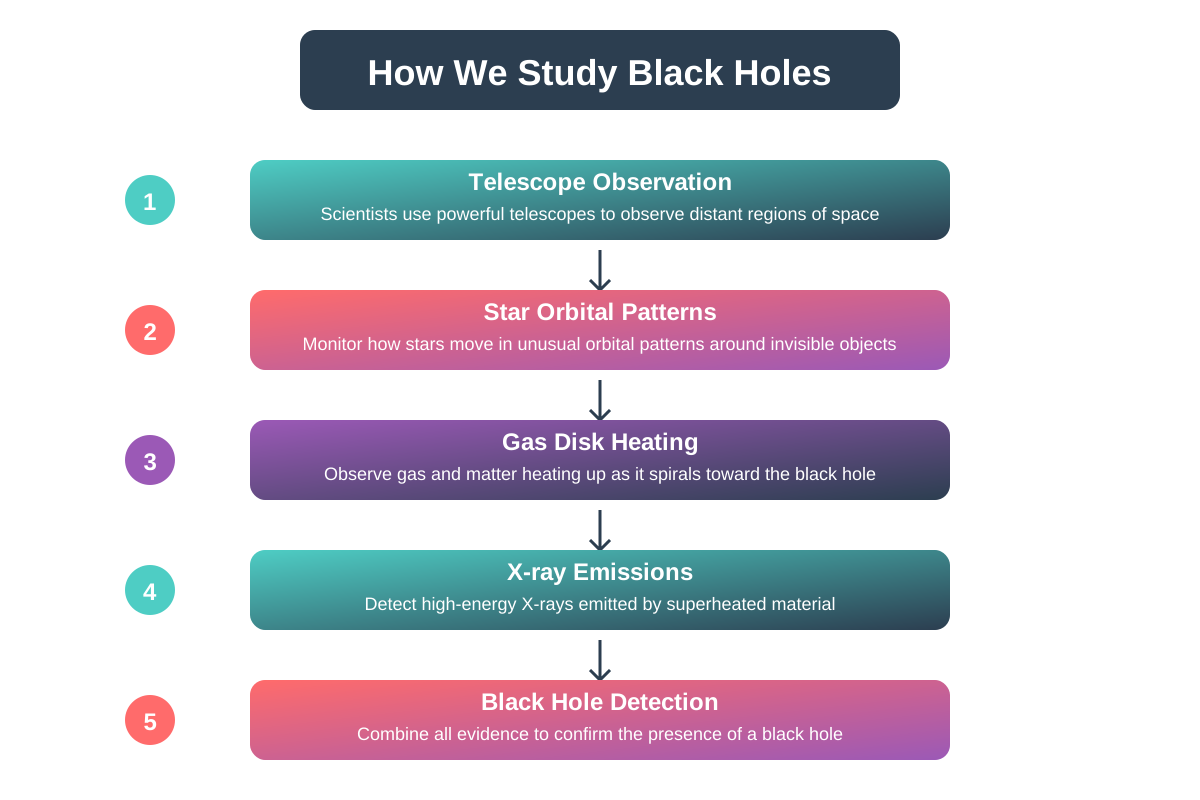
How We Study Black Holes
Since black holes are invisible, scientists study them by watching how they affect nearby objects. They look for stars orbiting invisible partners or jets of hot gas being shot out at high speeds.
Quick Recap ✨
- Black holes are formed when massive stars collapse and create regions where gravity is so strong that nothing can escape
- They bend space and slow down time, making them some of the most extreme objects in the universe
- Scientists study black holes by observing how they affect nearby stars and gas, even though the black holes themselves are invisible