
ASCII: How Computers Turn Numbers Into Letters!
Visual learning made easy - infographics and simple explanations
Your computer secretly speaks in numbers, even when you type letters!
ASCII is a special code that lets computers store and display letters, numbers, and symbols by converting them into numerical values. Every character you see on your screen has a unique number assigned to it in the ASCII system.
What is ASCII Code?
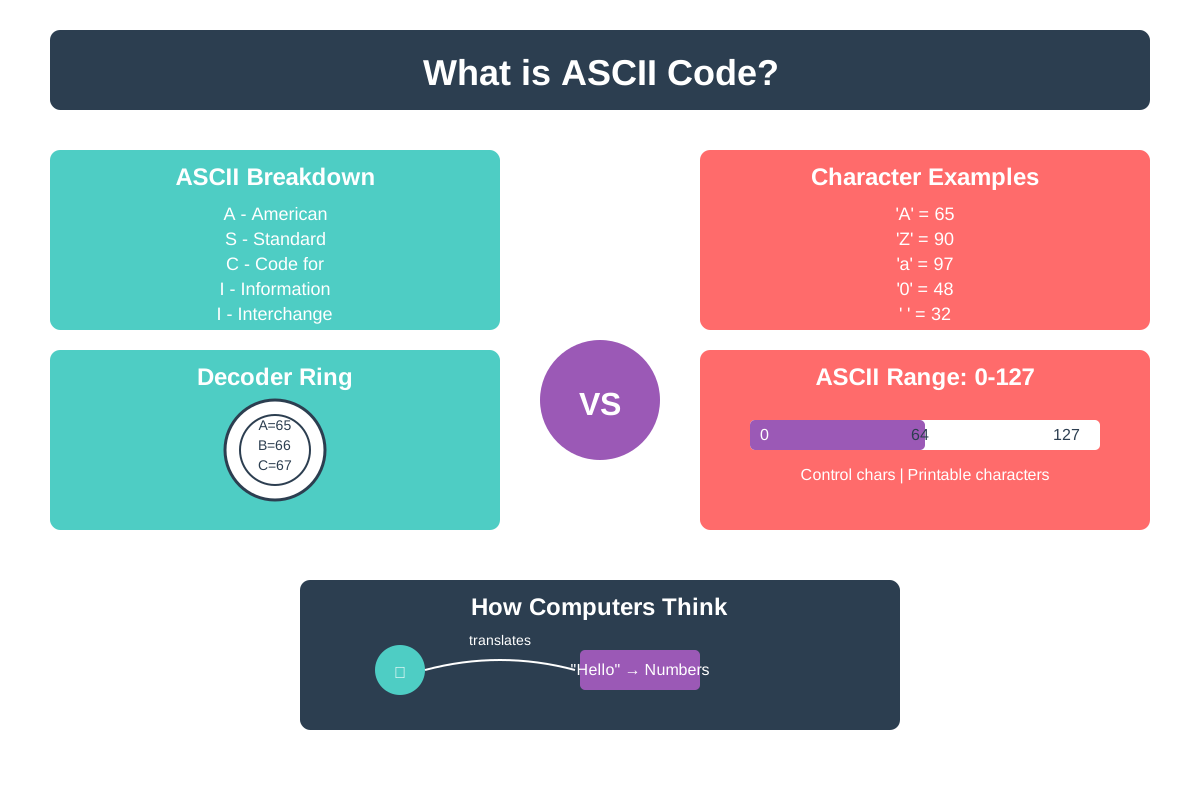
ASCII stands for American Standard Code for Information Interchange. It's like a secret decoder ring that tells computers which number represents each letter, symbol, or space. Every character gets its own special number from 0 to 127.
Letters Have Numbers Too
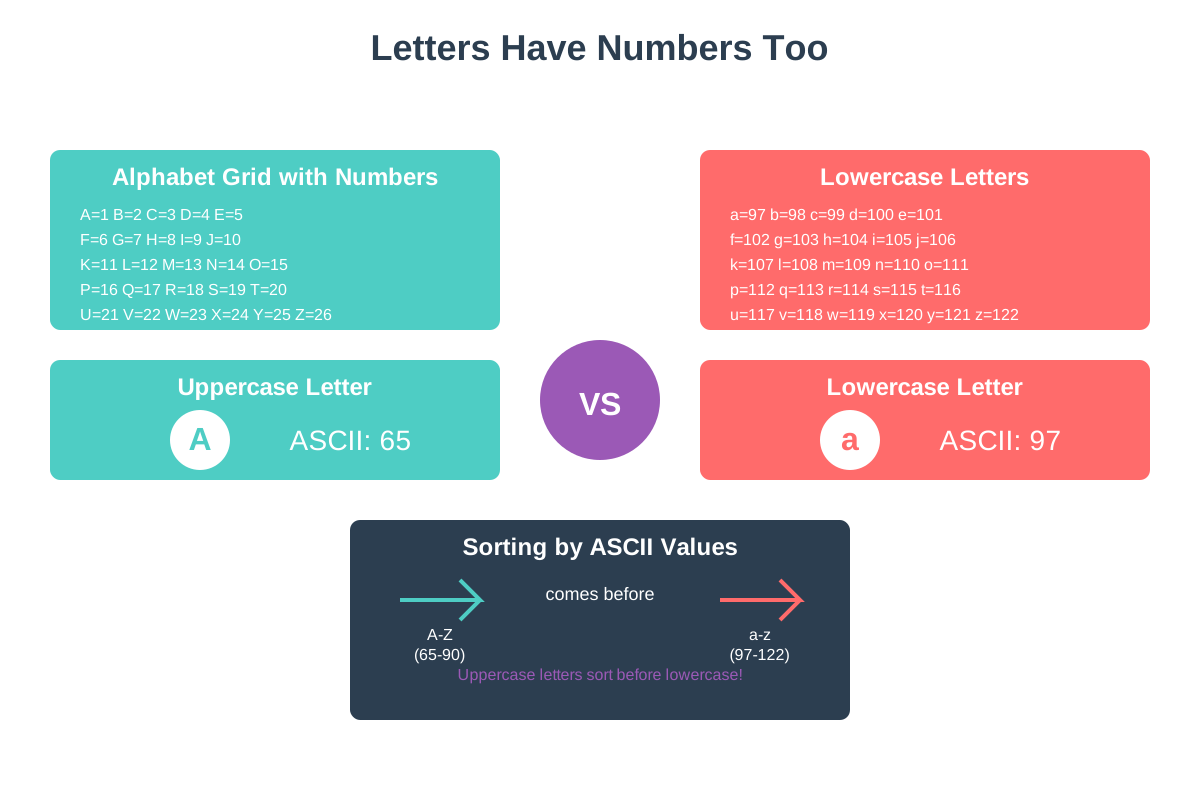
Capital 'A' is always number 65, lowercase 'a' is 97, and 'Z' is 90. The numbers follow patterns - all capital letters are grouped together, and all lowercase letters are grouped together. This makes it easy for computers to organize and sort text.
Numbers and Symbols Count Too
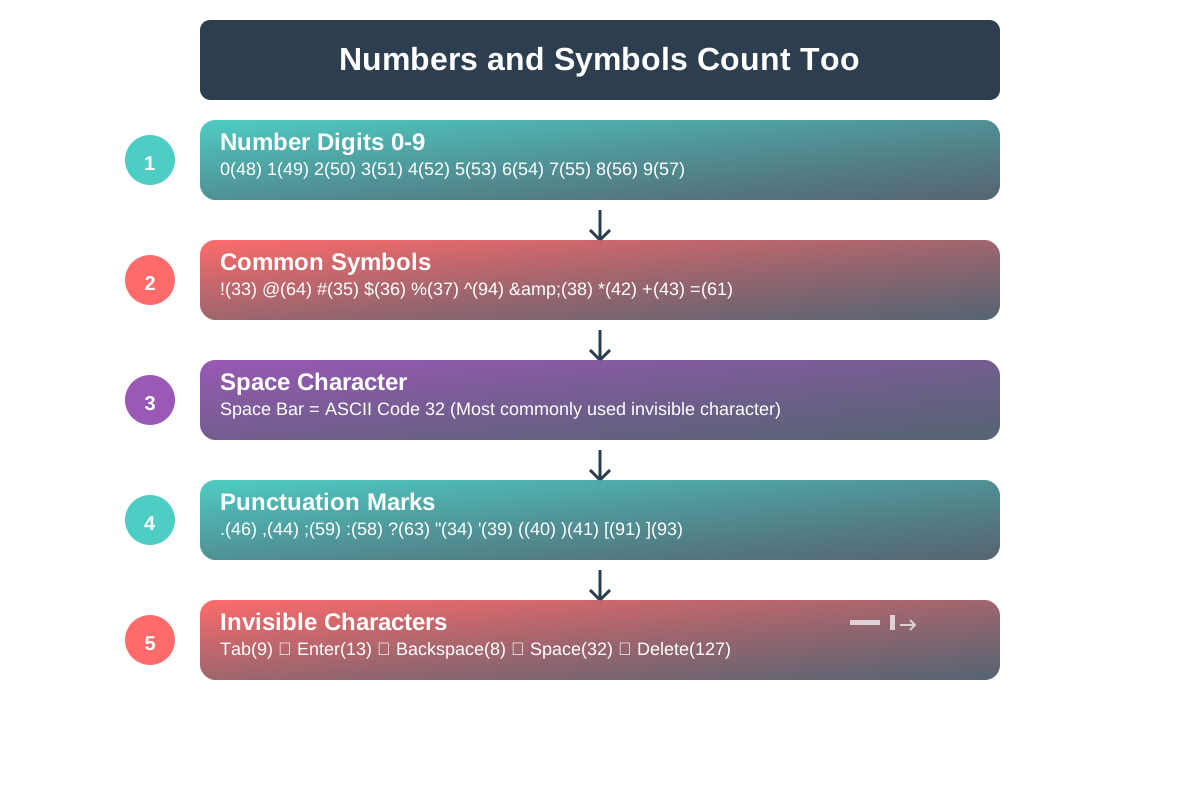
The digit '0' has ASCII code 48, '1' is 49, and so on up to '9' at 57. Special symbols like exclamation marks, question marks, and even the space bar all have their own ASCII numbers. Even invisible characters like spaces and line breaks get numbers!
The ASCII Table Layout
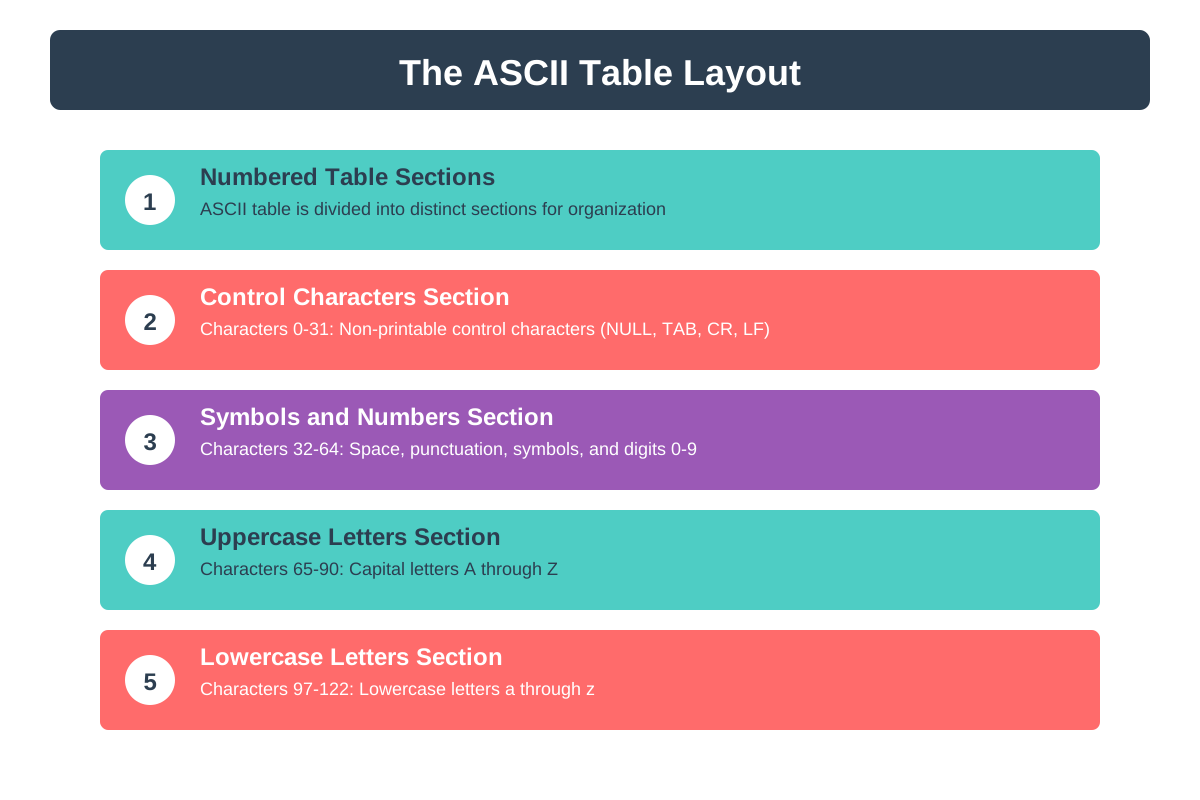
The ASCII table organizes all 128 characters in order from 0 to 127. The first 32 are special control characters, then come symbols and numbers, followed by uppercase letters, more symbols, and finally lowercase letters. This organization helps programmers find characters quickly.
How Computers Use ASCII
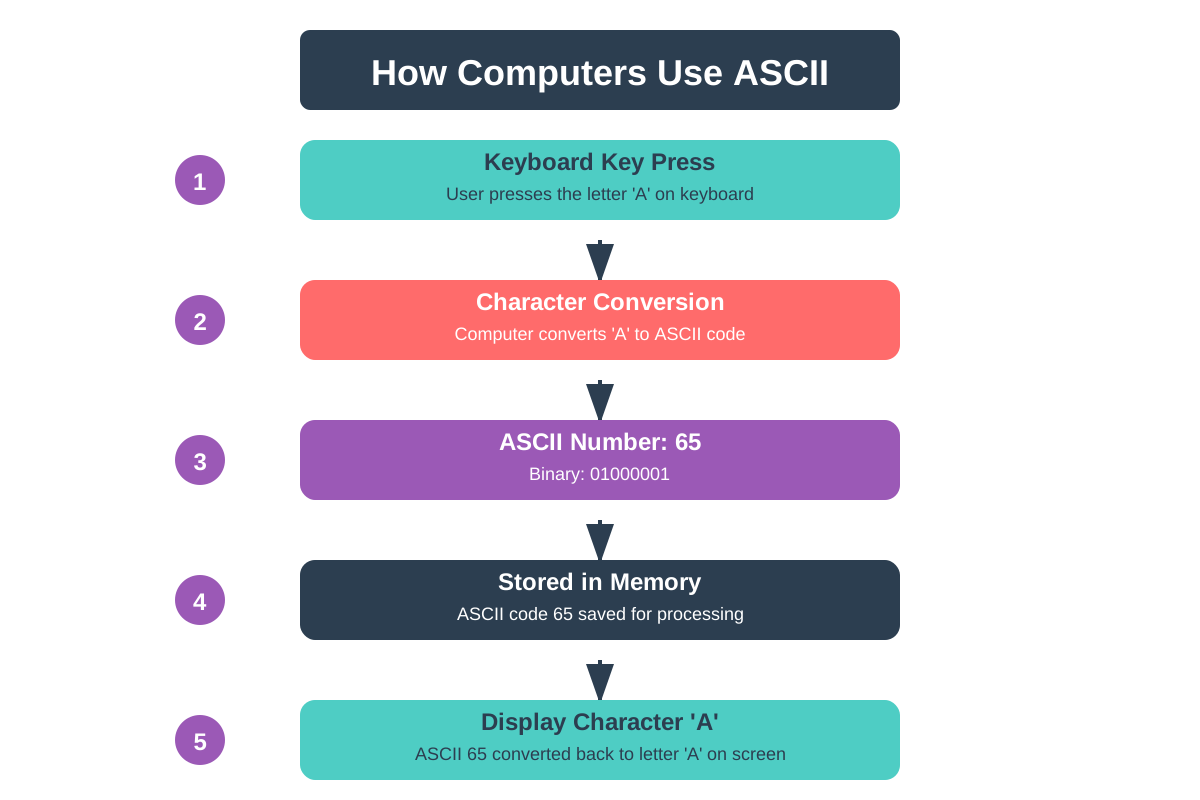
When you press a key on your keyboard, your computer converts it to ASCII code and stores that number. When displaying text on screen, it looks up each ASCII number and shows you the matching character. This happens millions of times per second without you noticing!
ASCII in Real Life
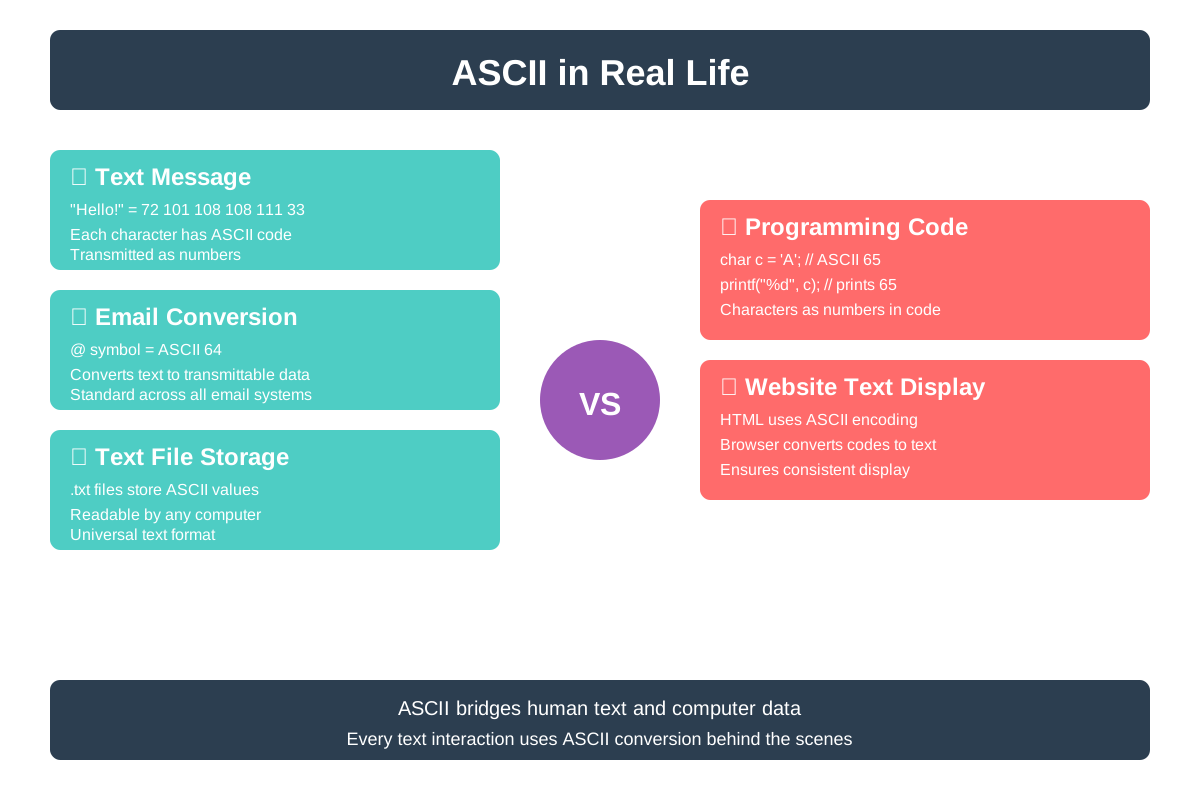
Every text message, email, and document uses ASCII codes behind the scenes. When you save a simple text file, you're actually saving a list of ASCII numbers. Programming languages, websites, and apps all rely on ASCII to handle text correctly.
Quick Recap ✨
- ASCII assigns a unique number (0-127) to every letter, digit, and symbol computers use
- Capital letters start at 65 (A), lowercase at 97 (a), and digits start at 48 (0)
- Every time you type, your computer converts characters to ASCII numbers and back to display them