
Artemis II: First Moon Mission in 50+ Years!
Visual learning made easy - infographics and simple explanations
After half a century, humans are finally heading back to the Moon!
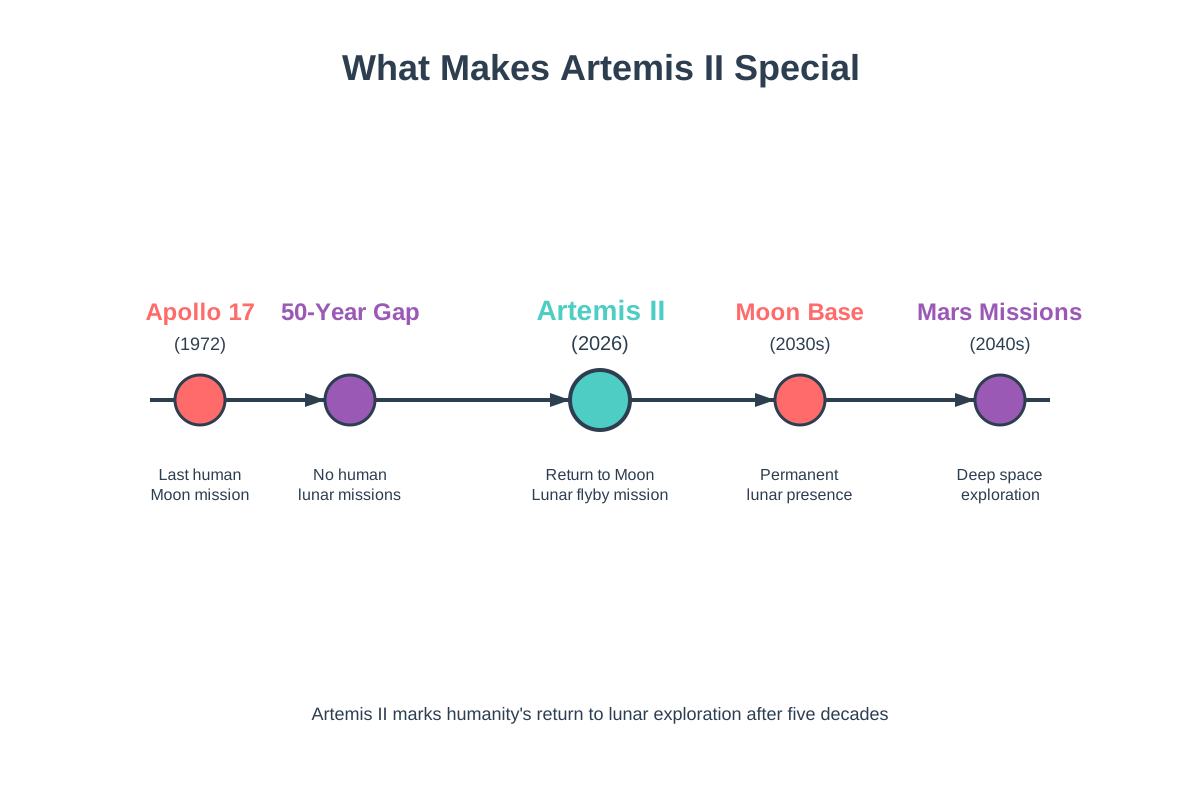
Artemis II is NASA's first crewed mission to fly around the Moon since the Apollo era ended in 1972. This test flight will prepare astronauts and technology for future Moon landings and deep space exploration.
What Makes Artemis II Special
Artemis II will be the first time humans travel beyond Earth's orbit in over 50 years. Unlike Apollo missions, this one includes both male and female astronauts. The mission will test all the systems needed for future Moon landings.
The Orion Spacecraft
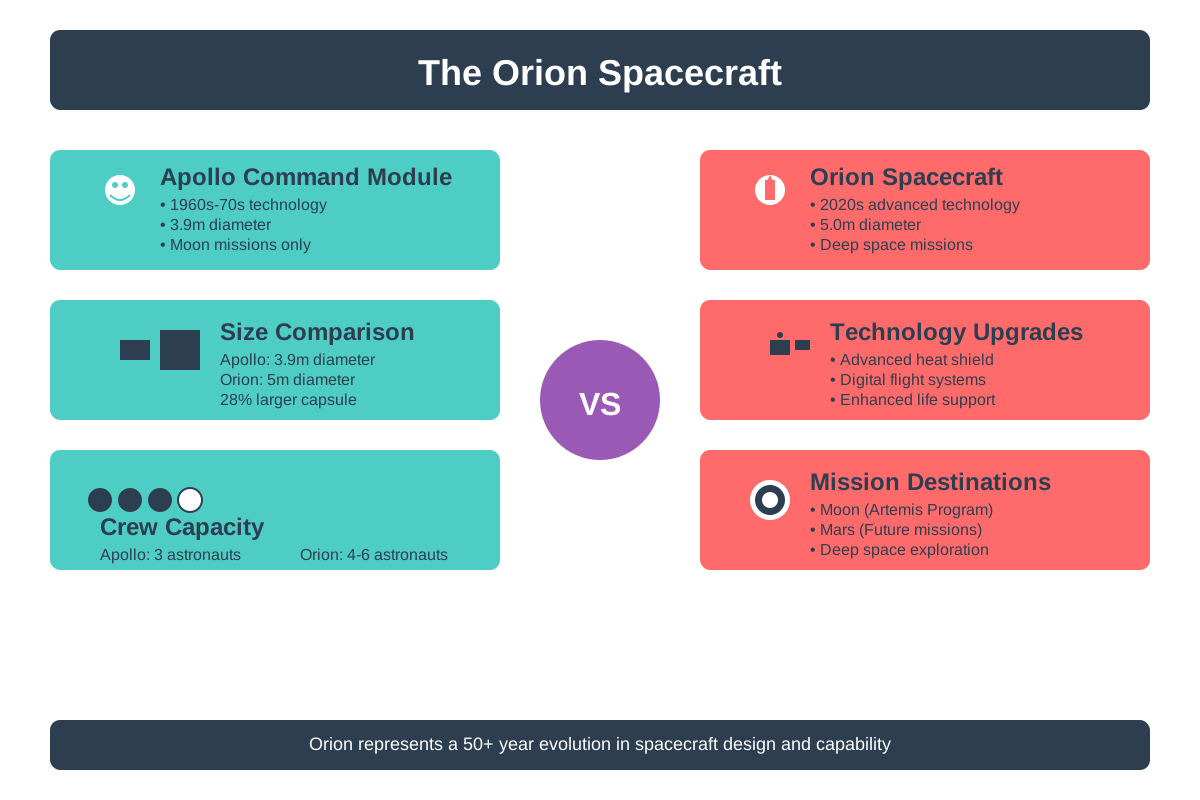
Orion is the new spacecraft that will carry astronauts to the Moon. It's much more advanced than the Apollo command modules. The spacecraft has better life support, computers, and can carry more crew members safely.
Mission Timeline and Journey
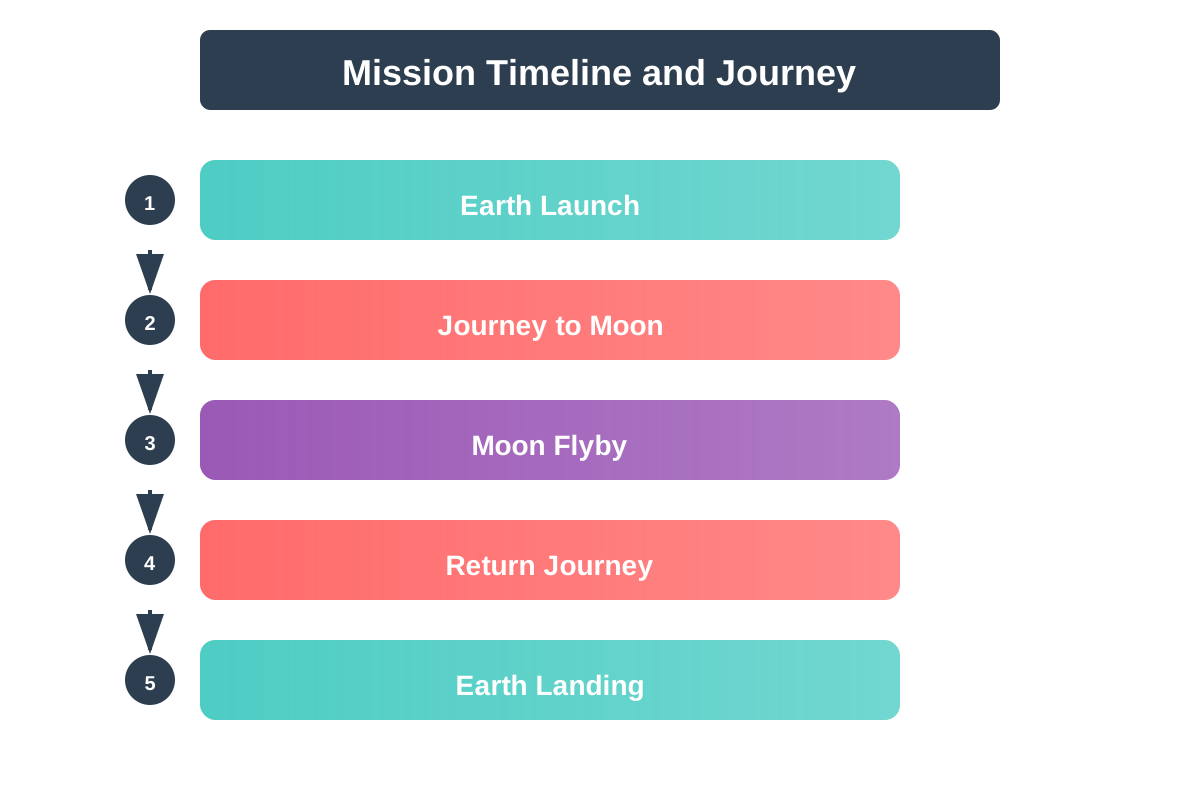
The mission will last about 10 days total. Astronauts will launch from Earth, fly around the Moon without landing, and return home. They'll travel about 240,000 miles each way to reach the Moon.
The Four-Person Crew
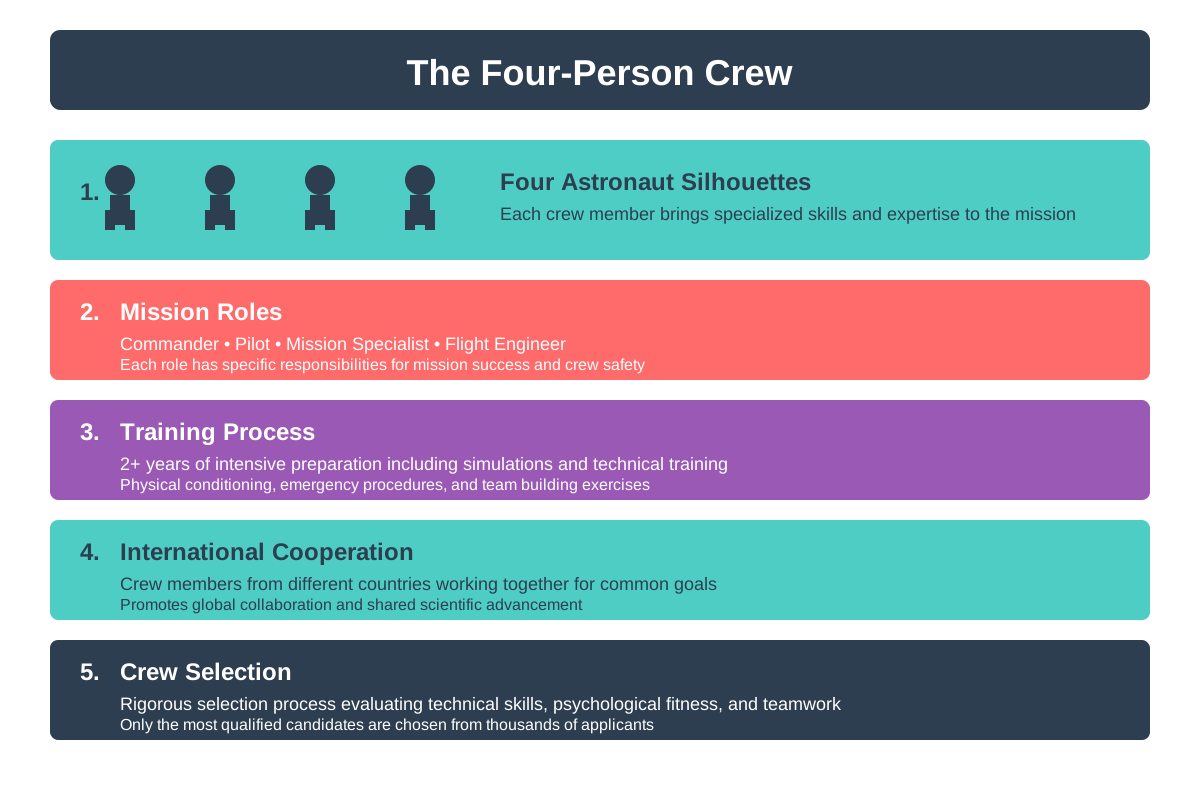
Four astronauts will make this historic journey together. The crew includes people from different backgrounds and countries. This diversity shows how space exploration brings the world together.
Testing for Future Missions
Artemis II is basically a test drive for more exciting missions to come. Everything learned will help build a Moon base and eventually send humans to Mars. The mission tests life support, navigation, and safety systems.

Why This Mission Matters
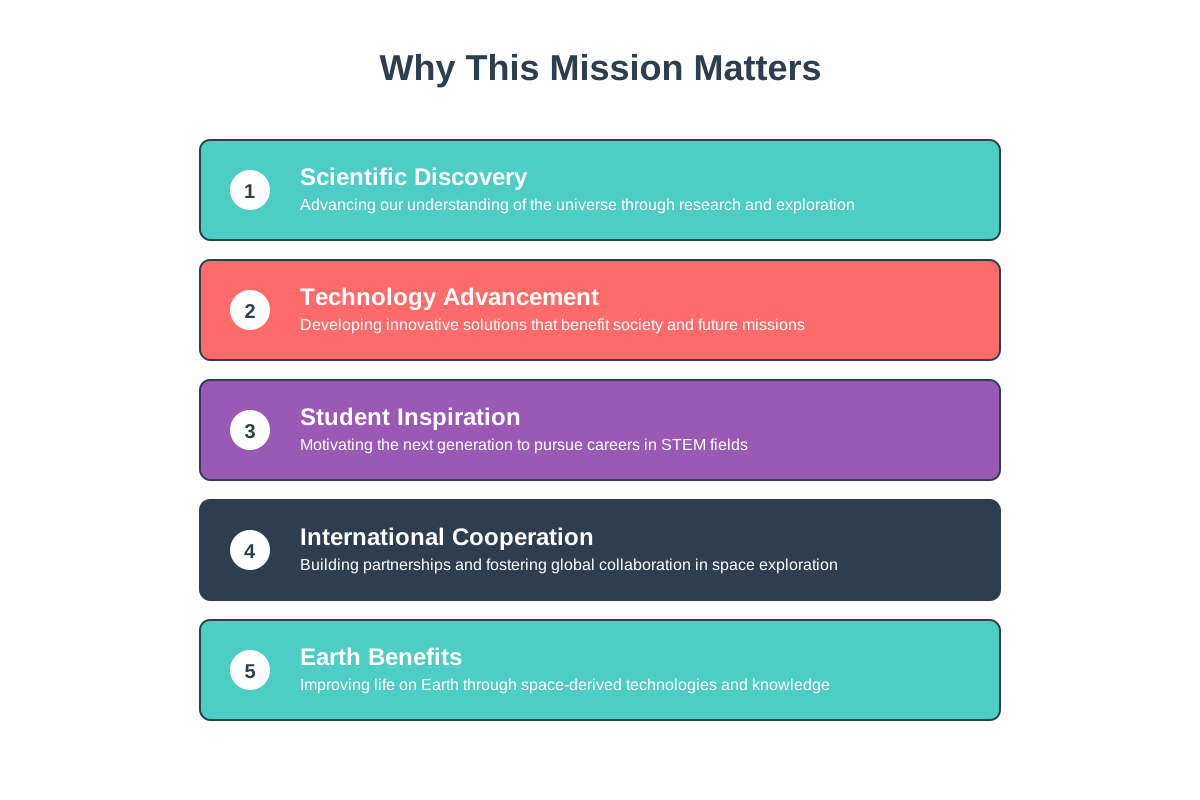
This mission restart human deep space exploration after decades of staying close to Earth. It will inspire a new generation of scientists and engineers. The technology developed will benefit life on Earth too.
Quick Recap ✨
- Artemis II is the first crewed Moon mission in over 50 years, launching in 2026
- Four astronauts will fly around the Moon in the advanced Orion spacecraft
- This test mission prepares humanity for Moon bases and eventual Mars exploration